Mediterranean Diet Meal Plan for Beginners: Your Guide to a Healthier Life
Welcome to GetLeanPulse.com! If you’re looking to transform your health, boost your energy, and embrace a sustainable, delicious way of eating, you’ve come to the right place. The Mediterranean diet is more than just a diet; it’s a lifestyle inspired by the traditional eating patterns of people living in countries bordering the Mediterranean Sea, like Greece, Italy, and Spain. Renowned for its incredible health benefits, ease of adoption, and emphasis on flavorful, whole foods, it’s consistently ranked as one of the healthiest eating patterns in the world.
But for beginners, the idea of changing eating habits can feel overwhelming. Where do you start? What foods should you eat? How do you create meals? That’s exactly what this comprehensive guide is for. We’ll demystify the Mediterranean diet, walk you through its core principles, highlight its myriad benefits, and provide you with a practical, easy-to-follow 7-day Mediterranean diet meal plan designed specifically for beginners. Get ready to embark on a culinary journey that promises not just better health, but also pure enjoyment of food.
What Exactly is the Mediterranean Diet? A Beginner’s Overview
Unlike restrictive fad diets that demand calorie counting and eliminate entire food groups, the Mediterranean diet is a flexible, balanced eating pattern. It’s built around the consumption of whole, unprocessed foods, emphasizing plants, healthy fats, and lean proteins, while limiting red meat and highly processed items.
Key Pillars of the Mediterranean Diet:
- Abundant Plant-Based Foods: Fruits, vegetables, whole grains, legumes, nuts, and seeds form the foundation of every meal. These are rich in fiber, vitamins, minerals, and antioxidants.
- Healthy Fats: Extra virgin olive oil (EVOO) is the primary source of fat, used generously for cooking, dressings, and dips. Avocados and nuts also contribute beneficial fats.
- Fish and Seafood: Consumed regularly, at least twice a week, providing lean protein and omega-3 fatty acids.
- Moderate Poultry and Eggs: Enjoyed in moderation, a few times per week.
- Limited Dairy: Yogurt and cheese are consumed in moderate portions, often as part of meals.
- Minimal Red Meat: Red meat is eaten sparingly, perhaps a few times a month, treated more as a condiment than a main course.
- Herbs and Spices: Used to flavor food instead of excessive salt, adding both taste and health benefits.
- Water: The primary beverage.
- Red Wine (Optional): Drunk in moderation with meals, typically one glass for women and up to two for men per day.
- Physical Activity and Social Eating: Beyond food, the Mediterranean lifestyle emphasizes regular movement, mindful eating, and enjoying meals with loved ones.
It’s not about strict rules, but about making conscious, healthy choices that nourish your body and soul. Think fresh, colorful, and flavorful ingredients that make eating a joy, not a chore.
Why Choose the Mediterranean Diet? Unpacking the Health Benefits
The global scientific community consistently praises the Mediterranean diet for its profound positive impact on long-term health. It’s not just about weight loss (though that’s often a welcome side effect); it’s about preventing chronic diseases and promoting overall well-being. Here’s a deeper look into the incredible benefits you can expect:
1. Superior Heart Health
This is arguably the most celebrated benefit of the Mediterranean diet. The emphasis on healthy monounsaturated fats (from olive oil), omega-3 fatty acids (from fish and nuts), and a diet rich in fiber and antioxidants works synergistically to protect your cardiovascular system. It helps lower LDL (“bad”) cholesterol, increases HDL (“good”) cholesterol, reduces blood pressure, and improves arterial function. Regular adherence significantly lowers the risk of heart disease, stroke, and other cardiovascular events.
2. Effective Weight Management
While not explicitly a “weight loss diet,” the Mediterranean eating pattern naturally supports healthy weight management. Its high fiber content from fruits, vegetables, whole grains, and legumes promotes satiety, helping you feel fuller for longer and reducing the likelihood of overeating. The focus on whole, unprocessed foods naturally limits calorie-dense, nutrient-poor items, leading to sustainable weight loss or maintenance without restrictive calorie counting.
3. Enhanced Brain Health and Cognitive Function
What’s good for your heart is often good for your brain. The healthy fats, antioxidants, and anti-inflammatory compounds found in Mediterranean foods protect brain cells from damage, improve blood flow to the brain, and support cognitive function. Studies suggest it can reduce the risk of cognitive decline, dementia, and even improve mood and reduce symptoms of depression.
4. Better Blood Sugar Control and Diabetes Prevention
For those at risk of or living with type 2 diabetes, the Mediterranean diet is a powerful tool. The abundance of fiber in whole grains, fruits, and vegetables helps regulate blood sugar levels by slowing down glucose absorption. Healthy fats and lean proteins further contribute to stable blood sugar, improving insulin sensitivity and significantly lowering the risk of developing type 2 diabetes or helping manage existing conditions.
5. Powerful Anti-Inflammatory Effects
Chronic inflammation is a root cause of many modern diseases, including heart disease, cancer, arthritis, and autoimmune conditions. The Mediterranean diet is inherently anti-inflammatory, thanks to its rich supply of antioxidants (from colorful produce, herbs, and spices), monounsaturated fats (olive oil), and omega-3s (fatty fish). These components actively combat inflammation throughout the body, promoting healing and disease prevention.
6. Improved Gut Health and Digestion
A thriving gut microbiome is crucial for overall health, impacting everything from immunity to mood. The high fiber content in the Mediterranean diet acts as a prebiotic, feeding beneficial gut bacteria. This promotes a diverse and healthy microbiome, leading to improved digestion, enhanced nutrient absorption, and a stronger immune system.
7. Longevity and Enhanced Quality of Life
Perhaps the most compelling benefit is the link between the Mediterranean diet and increased longevity. By reducing the risk of numerous chronic diseases, it contributes to a longer, healthier life. Beyond physical health, the lifestyle aspect – including social eating, physical activity, and mindful enjoyment of food – also plays a vital role in overall well-being and life satisfaction.
Embracing the Mediterranean diet isn’t just about adding years to your life, but also adding life to your years.
Key Components of Your Mediterranean Plate: Foods to Embrace
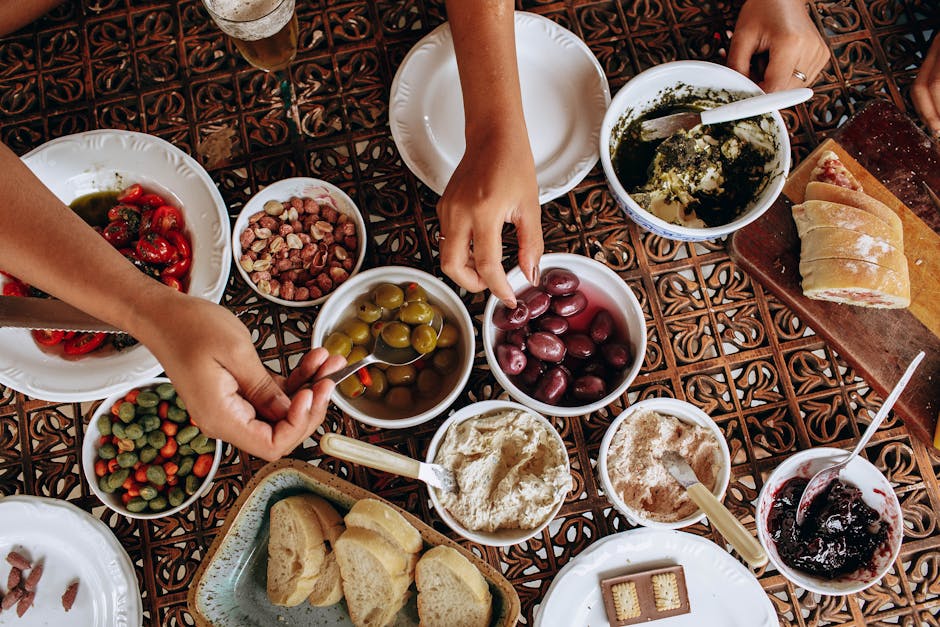
Understanding the core foods is your first step to building delicious and nutritious Mediterranean meals. Think of these categories as your shopping list staples:
1. The Foundation: Fruits, Vegetables, Whole Grains, Legumes, Nuts & Seeds
- Fruits: Enjoy a wide variety daily. Apples, oranges, berries, grapes, figs, dates, peaches, pomegranates. Fresh is best, but frozen (without added sugar) is also great for smoothies or oatmeal.
- Vegetables: Eat them at every meal, in abundance. Leafy greens (spinach, kale, arugula), broccoli, cauliflower, bell peppers, tomatoes, cucumbers, zucchini, eggplant, onions, garlic, carrots. Roast them, steam them, add them to salads, soups, and stews.
- Whole Grains: Choose these over refined grains. Whole wheat bread, whole wheat pasta, brown rice, quinoa, farro, barley, oats. They provide complex carbohydrates for sustained energy and plenty of fiber.
- Legumes: Excellent sources of plant-based protein and fiber. Lentils, chickpeas, black beans, cannellini beans. Incorporate them into salads, soups, stews, or make hummus.
- Nuts & Seeds: A healthy snack and addition to meals, providing healthy fats, protein, and fiber. Almonds, walnuts, cashews, pistachios, chia seeds, flax seeds, pumpkin seeds, sesame seeds. Enjoy in moderation due to calorie density.
2. The Cornerstone: Extra Virgin Olive Oil (EVOO)
EVOO is not just a cooking fat; it’s a superfood rich in monounsaturated fats and antioxidants. Use it generously for cooking, drizzling over salads, vegetables, and even as a dip for whole-grain bread. Look for “extra virgin” for the highest quality and most health benefits.
3. Primary Protein Sources: Fish & Seafood
Aim for at least two servings per week. Fatty fish are particularly beneficial due to their high omega-3 content.
- Examples: Salmon, tuna (fresh or canned in water/EVOO), mackerel, sardines, trout, anchovies, shrimp, clams, mussels.
4. Moderate Proteins: Poultry, Eggs, and Dairy
- Poultry: Chicken and turkey are excellent lean protein sources. Enjoy a few times a week. Opt for skinless breasts or thighs.
- Eggs: Versatile and nutritious, eggs can be enjoyed a few times a week.
- Dairy: Choose fermented dairy products like Greek yogurt (plain, unsweetened) and cheeses (feta, mozzarella, halloumi) in moderation. They provide calcium and probiotics.
5. Flavor Enhancers: Herbs & Spices
These are your secret weapon for delicious, healthy meals without excessive salt.
- Examples: Basil, oregano, thyme, rosemary, parsley, mint, dill, garlic, onion powder, paprika, cumin, turmeric.
6. The Hydrator: Water
Stay well-hydrated throughout the day. Water is always the best choice.
7. The Optional Indulgence: Red Wine
If you drink alcohol, red wine can be enjoyed in moderation with meals (one glass for women, up to two for men). It contains antioxidants, but if you don’t drink, don’t start for health reasons. Water, coffee, and tea are also fine.
Foods to Limit or Avoid:
- Processed Foods: Packaged snacks, fast food, sugary cereals, frozen dinners.
- Refined Grains: White bread, white pasta, white rice (opt for whole grain versions).
- Sugary Drinks: Sodas, fruit juices with added sugar.
- Unhealthy Fats: Trans fats (found in many processed foods), highly refined vegetable oils (soybean, corn, cottonseed oil).
- Processed Meats: Bacon, sausages, deli meats.
- Red Meat: Limit to a few times a month, treat as a side dish.
Building Your Mediterranean Plate: Practical Proportions
Visualizing your plate can make meal planning much easier. Aim for the following general proportions:
- Half your plate: Non-starchy vegetables (leafy greens, broccoli, peppers, tomatoes, etc.).
- A quarter of your plate: Whole grains (quinoa, brown rice, whole wheat pasta) or starchy vegetables (potatoes, sweet potatoes).
- A quarter of your plate: Lean protein (fish, chicken, legumes, eggs).
- Drizzle liberally: Extra virgin olive oil over your vegetables and protein.
- Add a handful: Nuts, seeds, or olives as a garnish or small snack.
- Don’t forget: A piece of fruit for dessert or a snack.
This approach naturally balances macronutrients, ensures a high intake of fiber and micronutrients, and keeps you satisfied without feeling deprived.
Mediterranean Diet Meal Plan for Beginners: A 7-Day Sample
This 7-day meal plan is designed to be simple, delicious, and easy for beginners to follow. It incorporates the core principles of the Mediterranean diet and uses readily available ingredients. Remember, this is a template – feel free to swap meals, adjust portion sizes, and incorporate your favorite Mediterranean-friendly foods.
Day 1: Embracing the Basics
- Breakfast: Greek yogurt (plain, unsweetened) with a handful of mixed berries (strawberries, blueberries) and a sprinkle of chopped walnuts.
- Lunch: Large mixed green salad with cucumber, cherry tomatoes, bell peppers, 1/2 can chickpeas, and a drizzle of extra virgin olive oil and lemon dressing.
- Dinner: Baked Salmon (4-6 oz) with a side of roasted asparagus and 1/2 cup quinoa. Season salmon with lemon, dill, salt, and pepper.
- Snack (Optional): Apple slices with a small handful of almonds.
Day 2: Hearty and Wholesome
- Breakfast: Oatmeal (1/2 cup dry) cooked with water or unsweetened almond milk, topped with sliced banana, a tablespoon of chia seeds, and a drizzle of honey.
- Lunch: Leftover baked salmon and quinoa salad from Day 1, or a similar salad with canned tuna (in water or olive oil) and mixed greens.
- Dinner: Whole-wheat pasta (1 cup cooked) with a rich tomato-based marinara sauce, plenty of sautéed vegetables (zucchini, eggplant, spinach), and a sprinkle of feta cheese.
- Snack (Optional): A handful of olives.
Day 3: Plant-Powered Goodness
- Breakfast: Whole-grain toast (1-2 slices) topped with mashed avocado, sliced tomatoes, and a sprinkle of red pepper flakes and a drizzle of EVOO.
- Lunch: Lentil soup (homemade or low-sodium canned) with a side of whole-grain bread for dipping.
- Dinner: Chicken and vegetable skewers (bell peppers, onions, cherry tomatoes, zucchini) marinated in olive oil, lemon, and oregano, grilled or baked, served with brown rice (1/2 cup cooked).
- Snack (Optional): Pear.
Day 4: Seafood & Fresh Flavors
- Breakfast: Smoothie made with unsweetened almond milk, spinach, 1/2 banana, 1 tablespoon flax seeds, and a scoop of plain Greek yogurt.
- Lunch: Large mixed green salad with grilled chicken breast (leftover from dinner or freshly cooked), cucumber, bell peppers, and a light EVOO vinaigrette.
- Dinner: Cod or Tilapia (baked or pan-seared in EVOO) with a side of steamed green beans and a baked sweet potato. Season fish with garlic, paprika, and lemon.
- Snack (Optional): Small container of plain Greek yogurt.
Day 5: Mediterranean Favorites
- Breakfast: Scrambled eggs (2) with sautéed spinach and mushrooms, served with a slice of whole-grain toast.
- Lunch: Whole-wheat pita pocket filled with hummus, sliced cucumber, tomatoes, red onion, and crumbled feta cheese.
- Dinner: Chickpea and vegetable stew (tomatoes, carrots, celery, potatoes, spinach) seasoned with cumin, coriander, and turmeric, served with a small side of whole-grain couscous.
- Snack (Optional): A handful of pistachios.
Day 6: Weekend Delight
- Breakfast: Whole-grain pancakes or waffles (made with whole wheat flour) topped with fresh fruit and a small drizzle of maple syrup or honey.
- Lunch: Caprese salad: Sliced fresh mozzarella, tomatoes, and basil, drizzled with extra virgin olive oil and balsamic glaze. Served with a slice of whole-grain bread.
- Dinner: Grilled shrimp (4-6 oz) with a large Mediterranean-style chopped salad (romaine, cucumber, tomato, red onion, olives, bell peppers) dressed with EVOO and red wine vinegar.
- Snack (Optional): Orange.
Day 7: Reflect and Recharge
- Breakfast: Greek yogurt with mixed berries and a tablespoon of pumpkin seeds.
- Lunch: Leftover chickpea and vegetable stew.
- Dinner: Lean ground turkey (4-5 oz) sautéed with onions, garlic, and bell peppers, served over brown rice (1/2 cup cooked) with a side of steamed broccoli.
- Snack (Optional): Carrot sticks with hummus.
Tips for the Meal Plan:
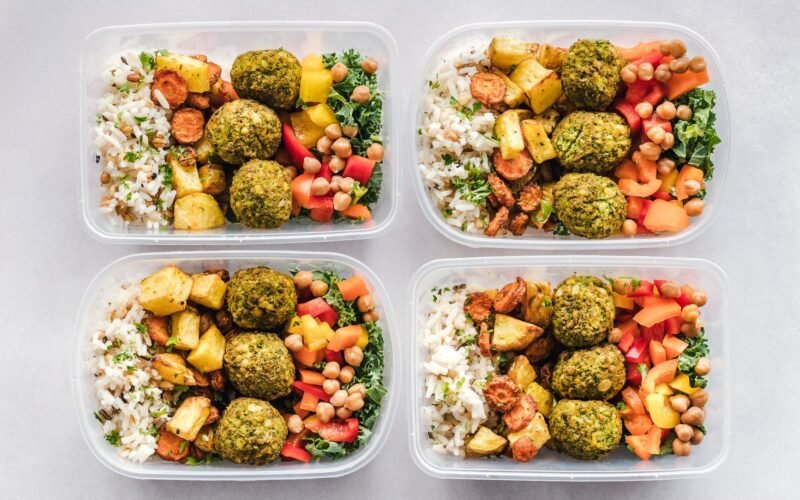
- Batch Cook: Prepare grains like quinoa or brown rice, roast a batch of vegetables, or cook a larger portion of lentils or chickpeas at the beginning of the week to save time.
- Season Generously: Don’t be shy with herbs, spices, and lemon juice to add flavor without excess salt.
- Hydrate: Drink plenty of water throughout the day.
- Listen to Your Body: Adjust portion sizes based on your hunger and activity levels.
Beyond the Plate: Mediterranean Lifestyle Tips for Beginners
The Mediterranean diet isn’t just about what you eat; it’s a holistic approach to life. Incorporating these lifestyle elements will amplify your health benefits and make your journey more enjoyable and sustainable.
1. Embrace Mindful Eating
Slow down and savor your meals. Pay attention to the flavors, textures, and aromas of your food. Eat without distractions (like screens) and listen to your body’s hunger and fullness cues. This helps you appreciate your food more and prevents overeating.
2. Prioritize Physical Activity
Regular movement is an integral part of the Mediterranean lifestyle. It doesn’t mean hitting the gym for hours; it means finding ways to be active every day. Go for walks, cycle, garden, take the stairs, or dance. Aim for at least 30 minutes of moderate-intensity activity most days of the week.
3. Cultivate Social Connections
Sharing meals with family and friends is a cornerstone of Mediterranean culture. Eating together fosters connection, reduces stress, and makes mealtime a joyous occasion. Make an effort to gather with loved ones around the table regularly.
4. Get Adequate Rest and Manage Stress
Sleep is crucial for overall health and well-being. Aim for 7-9 hours of quality sleep per night. Additionally, find healthy ways to manage stress, whether it’s through meditation, yoga, spending time in nature, or engaging in hobbies you enjoy. Chronic stress can negatively impact your health, regardless of your diet.
5. Cook at Home More Often
Preparing your own meals gives you control over ingredients, portion sizes, and cooking methods. It’s a fantastic way to experiment with new flavors, use fresh ingredients, and ensure your food is healthy and delicious. Start with simple recipes and gradually build your confidence in the kitchen.
6. Shop Smart and Seasonally
Focus your grocery shopping on the perimeter of the store, where fresh produce, lean proteins, and dairy are typically found. Opt for seasonal fruits and vegetables, which are often more flavorful, nutritious, and affordable. Visit local farmers’ markets for the freshest options.
Common Questions & Troubleshooting for Beginners
Starting any new eating pattern can bring up questions. Here are some common concerns for Mediterranean diet beginners:
“Is the Mediterranean diet expensive?”
It doesn’t have to be! While some ingredients like fresh fish can be pricey, many staples are very affordable.
- Tips: Focus on budget-friendly legumes (lentils, chickpeas), seasonal vegetables, frozen fruits/vegetables (just as nutritious), and cheaper cuts of poultry. Canned tuna or sardines are excellent, inexpensive sources of omega-3s. Buy grains, nuts, and seeds in bulk.
“What if I don’t like fish?”
No problem! While fish is highly recommended, it’s not the only protein source.
- Alternatives: Focus more on legumes (lentils, chickpeas, beans), eggs, poultry, and plant-based protein sources like tofu (if you enjoy it). You can still reap many benefits of the diet even with less fish, as long as you prioritize other core components.
“Do I need to count calories on the Mediterranean diet?”
Generally, no. The Mediterranean diet emphasizes whole, minimally processed foods that are naturally satiating and nutrient-dense. The focus is on quality over strict quantity. By choosing the right foods and listening to your body’s hunger cues, calorie counting is often unnecessary for weight management. If you have specific health goals or conditions, consulting with a dietitian might be beneficial for personalized guidance.
“How quickly will I see results?”
The Mediterranean diet is a sustainable lifestyle, not a quick fix. You might notice increased energy, improved digestion, and better sleep within a few weeks. Weight loss, if it’s a goal, tends to be gradual and steady. The long-term benefits for heart health, brain function, and disease prevention accumulate over months and years.
“Can I still eat out on the Mediterranean diet?”
Absolutely! Many restaurants offer Mediterranean-friendly options.
- Look for: Grilled fish or chicken, large salads with vinaigrette dressing, vegetable-based dishes, hummus, whole-grain bread, and olive oil. Don’t be afraid to ask for modifications, like dressing on the side or extra vegetables.
“What about snacks?”
Snacks are fine if you’re hungry between meals, but keep them healthy and aligned with Mediterranean principles.
- Good choices: A piece of fruit, a small handful of nuts, a few olives, plain Greek yogurt, carrot sticks with hummus, or a small whole-grain cracker with a slice of tomato.
Getting Started: Your First Steps to Mediterranean Living
Embarking on a new eating journey can feel like a big undertaking, but remember, you don’t have to overhaul everything overnight. Here’s a simple, step-by-step approach to ease into the Mediterranean diet:
1. Start Small: One Meal at a Time
Don’t try to change every meal immediately. Begin by focusing on one meal a day. Maybe start with a Mediterranean-style breakfast for a week, then add a Mediterranean lunch the next week, and so on. Gradual changes are more sustainable than drastic ones.
2. Stock Your Pantry and Fridge
Do a pantry clean-out. Remove highly processed foods, sugary snacks, and refined grains. Replace them with Mediterranean staples:
- Pantry: Extra virgin olive oil, whole-grain pasta, brown rice, quinoa, lentils, chickpeas, canned tomatoes, various nuts and seeds, dried fruits, herbs, and spices.
- Fridge/Freezer: Fresh fruits and vegetables, plain Greek yogurt, eggs, lean poultry, frozen fish, olives, hummus.
3. Hydrate with Water
Make water your primary beverage. Keep a water bottle handy and aim to drink throughout the day. Reduce or eliminate sugary drinks.
4. Embrace EVOO
Start cooking with extra virgin olive oil. Drizzle it over salads, roasted vegetables, and even as a dip for whole-grain bread. It’s a delicious and healthy fat that’s central to the diet.
5. Add More Plants
Focus on increasing your intake of fruits and vegetables. Aim for at least 5-7 servings a day. Add spinach to your eggs, berries to your yogurt, a side salad to your lunch, and plenty of roasted veggies with dinner.
6. Explore Simple Recipes
Don’t feel like you need gourmet cooking skills. There are thousands of simple, delicious Mediterranean recipes available online. Start with easy one-pan dishes, big salads, or basic lentil soups. Our 7-day meal plan above offers a great starting point.
7. Be Patient and Consistent
This is a lifestyle change, not a temporary diet. There will be days you slip up, and that’s okay. Don’t let perfection be the enemy of progress. Focus on consistency over time, and celebrate your small victories. The health benefits will come with sustained effort.
Conclusion: Your Journey to a Healthier, Happier You Begins Now
The Mediterranean diet offers a delicious, sustainable, and scientifically proven path to better health. It’s a celebration of whole foods, healthy fats, and vibrant flavors, wrapped in a lifestyle that prioritizes well-being, community, and enjoyment.
By following this beginner’s guide, understanding the core principles, embracing the key foods, and utilizing our 7-day Mediterranean diet meal plan, you have all the tools you need to get started. Remember to be patient with yourself, enjoy the process, and savor every nourishing bite.
Your journey to improved heart health, better weight management, enhanced brain function, and a more energetic, fulfilling life starts today. Welcome to the Mediterranean way!
Photo by Karolina Grabowska www.kaboompics.com on Pexels