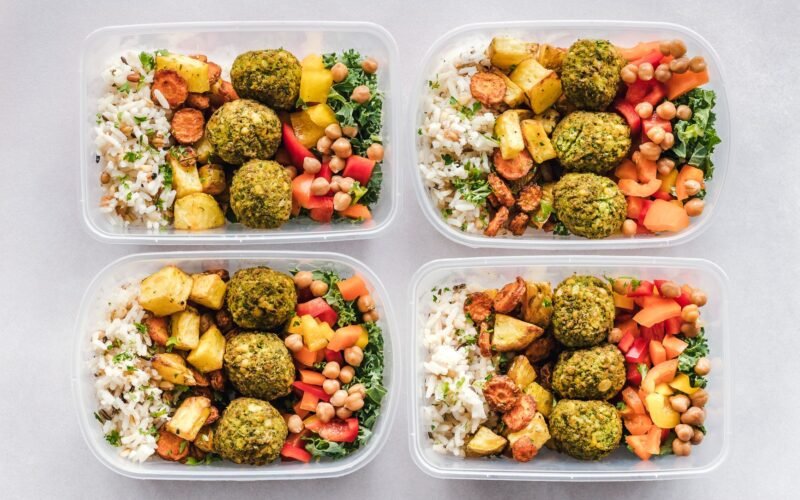
Boost Your Metabolism Naturally: Top Foods for Energy & Fat Loss
In the quest for a healthier, more energetic life and sustainable weight management, the term “metabolism” often takes center stage. We all know someone who “has a fast metabolism” and seems to eat anything without gaining a pound, while others struggle despite their best efforts. While genetics play a role, your metabolism isn’t entirely out of your control. In fact, one of the most powerful levers you can pull to optimize your metabolic rate is right on your plate: food.
At GetLeanPulse.com, we believe in empowering you with natural, sustainable strategies to achieve your health and fitness goals. This comprehensive guide will dive deep into the fascinating world of metabolism and reveal the incredible power of specific foods to naturally stoke your internal furnace. Forget restrictive diets and quick fixes – we’re talking about nourishing your body with delicious, whole foods that work with your biology to enhance energy, support fat loss, and improve overall vitality.
Prepare to transform your pantry, your plate, and your perspective on how food can be your greatest ally in building a strong, efficient metabolism. Let’s unlock your body’s natural potential, one bite at a time.
Understanding Your Metabolism: The Engine of Your Body
Before we explore the foods, let’s clarify what metabolism actually is. Simply put, metabolism refers to all the chemical processes that occur continuously inside your body to keep you alive and functioning. These processes include converting food and drinks into energy, building and repairing cells, and eliminating waste products.
Your total daily energy expenditure (TDEE) – the total number of calories your body burns in a day – is composed of three main components:
-
Basal Metabolic Rate (BMR): This is the number of calories your body burns at rest to maintain basic bodily functions like breathing, circulation, cell production, and nutrient processing. BMR accounts for the largest portion (60-75%) of your TDEE.
-
Thermic Effect of Food (TEF): Also known as diet-induced thermogenesis, TEF is the energy your body uses to digest, absorb, transport, and store the nutrients from the food you eat. It typically accounts for about 10% of your TDEE, but this percentage can vary significantly depending on the macronutrient composition of your meal.
-
Activity Energy Expenditure (AEE): This includes the calories burned during physical activity, both planned exercise (like hitting the gym) and non-exercise activity thermogenesis (NEAT), which encompasses all the movement you do that isn’t sleeping, eating, or sports-like exercise (e.g., walking, fidgeting, gardening). AEE is the most variable component, accounting for 15-30% of your TDEE.
When we talk about “boosting metabolism” with food, we’re primarily focusing on strategies that increase your TEF, support muscle mass (which boosts BMR), and provide the energy needed for increased NEAT and AEE. It’s about making your body a more efficient, calorie-burning machine, not just through exercise, but through intelligent dietary choices.
The Principles of Metabolism-Boosting Foods
Not all calories are created equal. The types of foods you consume have a profound impact on how your body processes energy. Here are the core principles behind foods that naturally accelerate your metabolism:
1. Protein Powerhouse: The Highest Thermic Effect
Protein has the highest TEF of all macronutrients. Your body expends significantly more energy digesting and metabolizing protein compared to carbohydrates or fats. Roughly 20-30% of the calories from protein are burned off during digestion, compared to 5-10% for carbs and 0-3% for fats. Beyond TEF, adequate protein intake is crucial for preserving and building muscle mass, which is a metabolically active tissue. The more muscle you have, the higher your BMR.
2. Fiber-Rich Goodness: Slow and Steady Energy
Foods high in fiber – especially soluble fiber – require more energy to digest and promote satiety, helping you feel fuller for longer. This prevents overeating and the metabolic slowdown associated with constant snacking on refined carbs. Fiber also supports a healthy gut microbiome, which is increasingly linked to metabolic health and weight management.
3. Thermogenic Compounds: Spicy Kick for a Metabolic Lift
Certain compounds found in spices, herbs, and beverages can directly increase your body’s heat production (thermogenesis), leading to a temporary but measurable increase in calorie burning. These compounds often have additional antioxidant and anti-inflammatory benefits.
4. Nutrient Density: Fueling Metabolic Pathways
Your metabolism relies on a complex network of enzymes, hormones, and cofactors. A deficiency in essential vitamins and minerals (like B vitamins, iron, iodine, magnesium, and zinc) can impair these metabolic processes, slowing down your energy production. Nutrient-dense whole foods provide the necessary building blocks for an efficient metabolism.
5. Hydration: The Forgotten Metabolic Catalyst
Water is essential for every metabolic process in your body. Dehydration, even mild, can slow down your metabolism. Drinking enough water can also temporarily increase your metabolic rate, as your body expends energy to warm ingested cold water to body temperature.
With these principles in mind, let’s explore the specific foods that can help you naturally rev up your metabolism.
Top Foods That Boost Metabolism Naturally
1. Lean Proteins: The Ultimate Metabolism Builders
As discussed, protein is king for its high TEF and role in muscle maintenance. Incorporating a source of lean protein into every meal is a cornerstone of a metabolism-boosting diet.
a. Chicken Breast and Turkey
These poultry options are staples for a reason. They are excellent sources of lean protein, providing all essential amino acids with minimal saturated fat. Turkey, in particular, is rich in tryptophan, an amino acid that plays a role in serotonin production, which can indirectly impact mood and appetite regulation.
b. Fatty Fish (Salmon, Tuna, Mackerel)
Beyond being fantastic sources of high-quality protein, fatty fish are loaded with omega-3 fatty acids (EPA and DHA). These healthy fats are crucial for reducing inflammation, improving insulin sensitivity, and supporting thyroid hormone function – all factors that contribute to a healthy metabolism. Some research suggests omega-3s may also help activate “brown fat,” a type of fat tissue that burns calories to generate heat.
c. Eggs
Often called nature’s perfect food, eggs are a complete protein source, meaning they contain all nine essential amino acids. The yolk also provides essential vitamins and minerals, including B vitamins, vitamin D, and choline, all vital for metabolic function. Starting your day with eggs can promote satiety and prevent overeating later.
d. Lean Beef and Pork
When chosen lean, red meats provide high-quality protein, iron, and B vitamins. Iron is critical for oxygen transport in the blood, a process essential for energy production. B vitamins act as cofactors in numerous metabolic pathways, helping your body convert food into energy efficiently. Just remember to opt for leaner cuts like sirloin, tenderloin, or extra-lean ground beef.
e. Greek Yogurt and Cottage Cheese
Dairy products like Greek yogurt and cottage cheese are packed with protein, especially casein, which is a slow-digesting protein that provides a sustained release of amino acids. They also contain calcium, which some studies suggest may play a role in fat metabolism. Opt for plain, unsweetened versions to avoid added sugars.
f. Legumes (Lentils, Beans, Chickpeas)
For plant-based eaters, legumes are an incredible source of both protein and fiber. Their unique combination means they not only have a decent TEF but also promote satiety and stable blood sugar levels, preventing energy crashes that can lead to metabolic sluggishness. They are also rich in iron, magnesium, and B vitamins.

2. Fiber-Rich Complex Carbohydrates and Vegetables: For Sustained Energy
While often demonized, complex carbohydrates and fiber are essential for a healthy metabolism. They provide sustained energy, support gut health, and prevent the blood sugar spikes and crashes that can hinder metabolic efficiency.
a. Whole Grains (Oats, Quinoa, Brown Rice)
Unlike refined grains, whole grains retain their bran, germ, and endosperm, packing them with fiber, B vitamins, and minerals. This complex structure means they are digested slowly, providing a steady release of glucose into the bloodstream, which helps maintain stable energy levels and prevents insulin resistance – a major metabolic saboteur. Quinoa, in particular, is a complete protein, offering an additional metabolic edge.
b. Leafy Greens (Spinach, Kale, Collard Greens)
These nutritional powerhouses are extremely low in calories but high in fiber, vitamins (A, C, K), and minerals (iron, magnesium). They provide essential nutrients for metabolic pathways without adding excess calories, helping your body run efficiently. Their fiber content also aids digestion and satiety.
c. Cruciferous Vegetables (Broccoli, Cauliflower, Brussels Sprouts)
Like leafy greens, cruciferous vegetables are packed with fiber and a unique array of phytonutrients, including sulforaphane, which supports liver detoxification – a process crucial for overall metabolic health and hormone balance. Their high fiber content also contributes to gut health and satiety.
d. Berries (Blueberries, Raspberries, Strawberries)
These vibrant fruits are low in sugar but high in fiber and antioxidants. The fiber helps slow sugar absorption, while antioxidants combat oxidative stress, which can impair metabolic function. Berries are a great way to satisfy a sweet craving without derailing your metabolic goals.
e. Apples (with skin)
An apple a day might just keep metabolic woes away! Apples are rich in pectin, a type of soluble fiber that supports gut health and helps regulate blood sugar. The skin also contains quercetin, an antioxidant that may have anti-inflammatory and metabolism-supporting properties.
3. Spices and Herbs with Thermogenic Properties: The Flavorful Boosters
Don’t underestimate the power of flavor! Many common spices and herbs contain compounds that can directly increase your body’s heat production and energy expenditure.
a. Chili Peppers (Capsaicin)
The fiery compound capsaicin found in chili peppers (jalapeños, cayenne, habaneros) is a well-known thermogenic agent. It can temporarily increase your metabolic rate and even promote fat oxidation. Studies suggest that regularly consuming capsaicin can help reduce appetite and increase calorie burning.
b. Ginger
This pungent root has been used for centuries for its medicinal properties. Ginger contains gingerols, which have thermogenic effects and can boost calorie expenditure. It also aids digestion and can help reduce inflammation, both beneficial for a healthy metabolism.
c. Turmeric
The “golden spice” contains curcumin, a powerful anti-inflammatory and antioxidant compound. While its direct thermogenic effect might be modest, curcumin’s ability to combat inflammation and improve insulin sensitivity plays a significant indirect role in supporting metabolic health and preventing metabolic slowdown.
d. Cinnamon
More than just a delicious spice, cinnamon has been shown to improve insulin sensitivity and help regulate blood sugar levels. By preventing sharp blood sugar spikes, cinnamon helps your body maintain a stable metabolic state and reduces the likelihood of fat storage.
e. Black Pepper (Piperine)
The active compound piperine in black pepper not only gives it its characteristic flavor but also has thermogenic properties. It can also enhance the bioavailability of other nutrients and compounds (like curcumin in turmeric), making them more effective.
4. Healthy Fats (in Moderation): Essential for Hormone and Cell Function
While fats have a low TEF, healthy fats are crucial for overall health, hormone production, and cell function, all of which indirectly support a robust metabolism. The key is moderation and choosing the right types of fats.
a. Avocado
Avocados are rich in monounsaturated fatty acids (MUFAs), which are heart-healthy and can help improve insulin sensitivity. They also provide fiber, potassium, and B vitamins. The combination of healthy fats and fiber promotes satiety, helping to prevent overeating.
b. Nuts (Almonds, Walnuts, Brazil Nuts)
Nuts offer a synergistic blend of healthy fats, protein, and fiber. They provide sustained energy and satiety. Walnuts are particularly high in omega-3s (ALA), while Brazil nuts are an excellent source of selenium, a mineral vital for thyroid hormone production – a key regulator of metabolism.
c. Seeds (Chia, Flax, Hemp)
Like nuts, seeds are tiny powerhouses of healthy fats (especially omega-3s), fiber, and micronutrients. Chia and flax seeds, in particular, swell in water, creating a gel-like substance that further promotes satiety and aids digestion. Their fiber content contributes to stable blood sugar and gut health.
d. Olive Oil
Extra virgin olive oil, a cornerstone of the Mediterranean diet, is rich in MUFAs and antioxidants. It supports cardiovascular health and can help reduce inflammation, indirectly supporting metabolic efficiency. Use it for dressings and light cooking rather than high-heat frying.

5. Beverages and Liquids: Hydration and Stimulants
What you drink is just as important as what you eat when it comes to metabolism.
a. Green Tea
Green tea is perhaps the most famous metabolism-boosting beverage. It contains catechins, particularly epigallocatechin gallate (EGCG), and caffeine. EGCG has been shown to increase fat oxidation and thermogenesis, while caffeine provides a temporary metabolic lift and enhances exercise performance. Together, they create a powerful metabolic synergy.
b. Coffee
Caffeine, the active ingredient in coffee, is a well-known stimulant that can temporarily increase your metabolic rate by stimulating the central nervous system. It can also enhance fat burning during exercise. Enjoy it black or with a splash of milk to avoid added sugars and excessive calories.
c. Water
The simplest and most overlooked metabolism booster. Staying adequately hydrated is crucial for every bodily function, including metabolism. Studies have shown that drinking water can temporarily increase resting energy expenditure. Aim for at least 8 glasses a day, and even more if you’re active.
6. Specific Nutrient-Rich Foods: The Metabolic Cofactors
Certain vitamins and minerals are absolutely critical for the smooth functioning of your metabolic pathways.
a. Iodine-Rich Foods (Seaweed, Fish, Fortified Salt)
Iodine is essential for the production of thyroid hormones, which regulate your BMR. An underactive thyroid (hypothyroidism) can significantly slow down metabolism. Incorporating iodine-rich foods, especially seaweed (like nori or kelp in moderation), cod, or using iodized salt, can help ensure optimal thyroid function.
b. Iron-Rich Foods (Red Meat, Spinach, Lentils)
Iron is a key component of hemoglobin, which carries oxygen in your blood. Oxygen is vital for cellular energy production. Iron deficiency can lead to fatigue and a sluggish metabolism. Ensure adequate intake through sources like lean red meat, spinach, lentils, and fortified cereals.
c. Magnesium-Rich Foods (Nuts, Seeds, Dark Chocolate, Leafy Greens)
Magnesium is involved in over 300 enzymatic reactions in the body, including those that produce ATP (adenosine triphosphate), the primary energy currency of your cells. A deficiency can impair energy production and slow metabolism. Boost your intake with almonds, cashews, pumpkin seeds, dark chocolate, and leafy greens.
d. B-Vitamin Rich Foods (Whole Grains, Eggs, Lean Meats, Leafy Greens)
The B vitamins (B1, B2, B3, B5, B6, B7, B9, B12) are crucial cofactors for enzymes involved in converting carbohydrates, fats, and proteins into energy. Without sufficient B vitamins, your metabolic engine can’t run efficiently. Find them in whole grains, eggs, lean meats, fish, legumes, and dark leafy greens.
Beyond Food: A Holistic Approach to a Revved-Up Metabolism
While food plays a monumental role, optimizing your metabolism is a multifaceted endeavor. For truly sustainable results, integrate these lifestyle factors:
1. Prioritize Sleep
Lack of sleep disrupts hormones that regulate appetite (ghrelin and leptin) and stress (cortisol), leading to increased cravings for unhealthy foods and a slower metabolism. Aim for 7-9 hours of quality sleep per night.
2. Manage Stress
Chronic stress elevates cortisol levels, which can promote fat storage (especially around the abdomen) and negatively impact metabolic rate. Incorporate stress-reducing practices like meditation, yoga, deep breathing, or spending time in nature.
3. Incorporate Regular Exercise
Exercise directly burns calories and, more importantly, builds muscle mass. Strength training, in particular, is a powerful metabolism booster because muscle tissue is more metabolically active than fat tissue, burning more calories even at rest. High-intensity interval training (HIIT) can also create an “afterburn” effect (EPOC), where your body continues to burn calories at an elevated rate post-workout.
4. Don’t Undereat or Crash Diet
Severely restricting calories can backfire. Your body perceives starvation and responds by slowing down your metabolism to conserve energy. This is why crash diets often lead to initial weight loss followed by rapid regain. Focus on nourishing your body adequately with whole, unprocessed foods.
5. Stand and Move More (NEAT)
Beyond structured exercise, increasing your Non-Exercise Activity Thermogenesis (NEAT) can make a significant difference. Take the stairs, park further away, stand at your desk, fidget – all these small movements add up to more calories burned throughout the day.
Putting It Into Practice: Sample Meal Ideas
Integrating these metabolism-boosting foods into your daily life doesn’t have to be complicated. Here are some ideas:
-
Breakfast: Scrambled eggs with spinach and a sprinkle of chili flakes, served with a side of berries and a cup of green tea. Or, overnight oats with chia seeds, Greek yogurt, and cinnamon.
-
Lunch: Large salad with grilled chicken or salmon, mixed greens, chickpeas, avocado, and an olive oil-lemon dressing. Or, a hearty lentil soup with a side of whole-grain bread.
-
Snack: A handful of almonds, an apple with a tablespoon of nut butter, or cottage cheese with black pepper.
-
Dinner: Baked cod with roasted broccoli and quinoa, seasoned with ginger and turmeric. Or, lean ground turkey stir-fry with plenty of colorful vegetables and a hint of cayenne pepper.
-
Throughout the Day: Keep a water bottle handy and sip on plain water or unsweetened iced green tea.
Common Mistakes to Avoid on Your Metabolic Journey
While the path to a boosted metabolism is exciting, it’s easy to fall into traps that can hinder your progress. Be mindful of these common pitfalls:
1. Relying Solely on Supplements
Metabolism-boosting supplements often promise miraculous results, but they are rarely a magic bullet. Many lack robust scientific evidence, and some can even be harmful. Focus on whole foods first; supplements should only complement a healthy diet and lifestyle, not replace them. Consult with a healthcare professional before adding any new supplement.
2. Skipping Meals or Eating Too Infrequently
While intermittent fasting can be beneficial for some, consistently skipping meals or going long periods without eating can send a signal to your body to conserve energy, potentially slowing down your metabolism. Regular, balanced meals and snacks help maintain stable blood sugar and keep your metabolic furnace stoked throughout the day.
3. Underestimating the Power of Hydration
Many people overlook the simple yet profound impact of water. Even mild dehydration can impair metabolic function, energy levels, and even cognitive performance. Make a conscious effort to drink water consistently throughout the day, not just when you feel thirsty.
4. Ignoring the Quality of Calories
A calorie is not just a calorie when it comes to metabolism. 100 calories from a sugary soda will have a very different metabolic impact than 100 calories from lean protein or fibrous vegetables. Focus on nutrient-dense, whole foods that provide vitamins, minerals, fiber, and protein, rather than empty calories from processed foods.
5. Expecting Instant Results
Boosting your metabolism is a gradual process. It’s about making consistent, sustainable changes to your diet and lifestyle. Don’t get discouraged if you don’t see drastic changes overnight. Patience, consistency, and a long-term perspective are key to lasting metabolic health.
6. Neglecting Strength Training
Cardio is great for burning calories during your workout, but strength training is crucial for building and maintaining muscle mass. As discussed, muscle is metabolically active tissue, meaning it burns more calories at rest than fat. Prioritizing strength training a few times a week is one of the most effective long-term strategies for a faster metabolism.
Conclusion: Your Metabolic Mastery Starts on Your Plate
The journey to a healthier, more vibrant you is deeply intertwined with the efficiency of your metabolism. By thoughtfully selecting the foods you eat, you possess a powerful tool to naturally enhance your body’s ability to burn calories, produce energy, and maintain a healthy weight. This isn’t about deprivation; it’s about intelligent nourishment.
Embrace lean proteins, fiber-rich fruits and vegetables, wholesome complex carbohydrates, metabolism-boosting spices, and essential healthy fats. Remember the critical role of hydration and prioritize sleep, stress management, and regular exercise, especially strength training. These elements work in harmony to create an environment where your metabolism can thrive.
At GetLeanPulse.com, we believe that sustainable health comes from informed choices and consistent effort. Start incorporating these metabolism-boosting foods into your daily routine, listen to your body, and enjoy the profound difference they can make in your energy levels, body composition, and overall well-being. Your metabolic engine is ready – fuel it wisely, and watch your vitality soar!
Photo by Gustavo Fring on Pexels