The Ultimate Guide to Low Carb Snacks for Weight Loss
Welcome to GetLeanPulse.com, your trusted partner in achieving your health and weight loss goals! In a world brimming with convenient, yet often carb-heavy, snack options, navigating the path to sustainable weight loss can feel like an uphill battle. But what if we told you that smart snacking could actually accelerate your progress, keep your energy levels stable, and banish those notorious cravings?
Enter the powerful world of low carb snacks. For anyone committed to a low-carbohydrate lifestyle, whether it’s for weight management, improved blood sugar control, or enhanced energy, choosing the right snacks is paramount. These aren’t just mere fillers between meals; they are strategic opportunities to fuel your body with nutrient-dense ingredients that promote satiety, regulate blood sugar, and encourage your body to burn fat more efficiently.
This comprehensive guide is meticulously crafted to empower you with the knowledge and inspiration to make informed snack choices. We’ll delve into the science behind low carb snacking for weight loss, explore an extensive array of delicious and satisfying options, and arm you with practical tips to integrate them seamlessly into your daily routine. From creamy dairy delights and crunchy nuts to vibrant veggies and protein-packed bites, prepare to transform your snacking habits and supercharge your weight loss journey. Let’s dive in!
Why Low Carb Snacking is a Game-Changer for Weight Loss
The concept of “snacking” often gets a bad rap in the weight loss world, conjuring images of sugary treats or processed chips. However, strategic snacking, especially with low-carbohydrate options, can be a highly effective tool in your weight loss arsenal. The key lies in understanding how your body processes different macronutrients and how low carb choices influence this process.
Traditional high-carbohydrate snacks, particularly those made with refined sugars and flours, lead to a rapid spike in blood glucose levels. This surge triggers your pancreas to release insulin, a hormone whose primary job is to move glucose from your blood into your cells for energy or storage. When insulin levels are consistently high, your body is signaled to store fat, making it much harder to tap into your existing fat reserves for energy. Furthermore, the subsequent crash in blood sugar after an insulin spike often leaves you feeling hungry, tired, and craving more carbs – a vicious cycle that sabotages weight loss efforts.
Low carb snacks, on the other hand, circumvent this problem. By limiting carbohydrates, you prevent those dramatic blood sugar fluctuations and keep insulin levels stable. This encourages your body to shift its primary fuel source from glucose to fat, a metabolic state known as ketosis (in more restrictive low carb diets) or simply enhanced fat burning. When your body is efficiently burning fat for energy, you experience sustained energy levels, reduced cravings, and, most importantly, more effective weight loss.
The Core Principles of Low Carb Eating
At its heart, low carb eating focuses on reducing your intake of sugars and starches and replacing them with whole, unprocessed foods rich in protein, healthy fats, and fiber. While there’s no universal definition, generally, a low carb diet involves consuming less than 100-150 grams of carbohydrates per day, with more restrictive approaches (like ketogenic diets) targeting below 20-50 grams. Understanding “net carbs” (total carbs minus fiber) is also crucial, as fiber doesn’t raise blood sugar in the same way digestible carbohydrates do.
Beyond Weight Loss: Additional Benefits
The advantages of embracing low carb snacks extend far beyond just shedding pounds. Many individuals report a significant improvement in:
- Sustained Energy Levels: Without the blood sugar roller coaster, energy remains steady throughout the day, eliminating afternoon slumps.
- Reduced Cravings: Stable blood sugar and increased satiety from protein and healthy fats help curb the desire for sugary or carb-heavy foods.
- Improved Mental Clarity: Many experience enhanced focus and cognitive function due to a more stable energy supply to the brain.
- Better Blood Sugar Control: Particularly beneficial for individuals with insulin resistance or type 2 diabetes.
- Enhanced Satiety: Protein and healthy fats are incredibly filling, keeping you satisfied for longer periods between meals.
Decoding Your Low Carb Snack Strategy
Selecting the right low carb snacks for weight loss isn’t just about avoiding carbs; it’s about making choices that actively support your metabolic health and satiety. A well-chosen low carb snack should be more than just a carb-free option; it should be a nutrient-dense powerhouse that contributes positively to your overall diet. Here’s what to prioritize when building your low carb snack strategy:
Prioritizing Protein for Satiety
Protein is arguably the most critical macronutrient when it comes to weight loss and appetite control. It’s highly satiating, meaning it keeps you feeling fuller for longer, thus reducing the likelihood of overeating at your next meal or reaching for unhealthy options. Furthermore, protein has a higher thermic effect of food (TEF) compared to fats and carbohydrates, meaning your body burns more calories digesting and metabolizing protein. It also plays a vital role in preserving lean muscle mass, which is crucial for maintaining a healthy metabolism, especially during weight loss.
- Why it matters: Curbs hunger, reduces cravings, preserves muscle, boosts metabolism.
- Look for: Eggs, lean meats, poultry, fish, dairy (cheese, plain Greek yogurt, cottage cheese), plant-based proteins like nuts and seeds.
Embracing Healthy Fats
For decades, fat was unfairly demonized, but we now understand that healthy fats are essential for overall health and play a pivotal role in low carb eating for weight loss. Dietary fats are incredibly satiating and contribute to the deliciousness of your snacks, making your diet more enjoyable and sustainable. They don’t spike insulin levels, providing a stable and long-lasting source of energy. Healthy fats also support hormone production, nutrient absorption (especially fat-soluble vitamins A, D, E, K), and brain health.
- Why it matters: Boosts satiety, provides sustained energy, supports hormone function, enhances flavor.
- Look for: Avocados, nuts, seeds, olive oil, coconut oil, fatty fish, full-fat dairy.
Fiber: The Unsung Hero
While technically a carbohydrate, fiber is unique because it’s indigestible by the human body. This means it doesn’t contribute to blood sugar spikes and passes through your system relatively intact. Fiber is crucial for digestive health, promoting regularity and feeding beneficial gut bacteria. More importantly for weight loss, fiber adds bulk to your food without adding calories, contributing significantly to feelings of fullness and satiety. It also helps to slow down the absorption of other carbohydrates, further stabilizing blood sugar levels.
- Why it matters: Promotes digestive health, increases satiety, helps regulate blood sugar.
- Look for: Non-starchy vegetables, nuts, seeds, some low-carb fruits like berries.
Mindful Portions and Nutrient Density
Even the healthiest low carb snacks can contribute to weight gain if consumed in excess. Nuts, seeds, avocados, and full-fat dairy, while incredibly nutritious and beneficial, are also calorie-dense. Portion control remains a cornerstone of any successful weight loss strategy. Learn to listen to your body’s true hunger cues rather than snacking out of boredom or habit. Focus on nutrient-dense, whole foods that offer a high amount of vitamins, minerals, and antioxidants per calorie, rather than relying on highly processed “keto-friendly” products that may contain unhealthy additives or hidden carbs.
- Why it matters: Prevents excess calorie intake, ensures you’re getting maximum nutritional value.
- How to practice: Pre-portion snacks, read labels, pay attention to serving sizes, choose whole foods over processed alternatives.
Top Low Carb Snack Categories & Delicious Ideas

Now that we understand the principles, let’s explore an exciting array of low carb snack options that are both delicious and effective for weight loss. We’ve broken them down into categories to help you easily find your next go-to bite.
Dairy Delights: Creamy & Satisfying
Dairy products, when chosen wisely, can be excellent low carb snacks. They are rich in protein and often healthy fats, offering a creamy texture that can satisfy cravings for richer foods. Always opt for full-fat, plain versions to avoid added sugars and unwanted carbohydrates.
- Full-Fat Plain Greek Yogurt: Unlike its fat-free, flavored counterparts which are often sugar bombs, plain, full-fat Greek yogurt is packed with protein and beneficial probiotics. A 1/2 cup serving can provide around 10-15g of protein with minimal carbs (around 5-8g, depending on brand). Enjoy it plain, or add a few berries and a sprinkle of chia seeds for a touch of natural sweetness and fiber.
- Cottage Cheese: Another protein powerhouse, cottage cheese is a versatile snack. A 1/2 cup serving of full-fat cottage cheese can offer 12-15g of protein and just 3-5g of carbs. It’s delicious on its own, or you can top it with a slice of avocado and everything bagel seasoning for a savory twist.
- Cheese Sticks/String Cheese: These are the ultimate grab-and-go low carb snack. Conveniently pre-portioned, a single stick of mozzarella or cheddar typically contains 6-8g of protein and less than 1g of carbs. They are fantastic for satisfying a savory craving and pairing with other snacks like nuts or veggies.
- Cheese Crisps (Homemade or Store-Bought): Made purely from cheese, these crunchy delights are incredibly low in carbs and high in fat and protein. You can easily make them at home by baking small piles of shredded cheese until golden and crispy.
- Cream Cheese: While not a standalone snack, a tablespoon or two of full-fat cream cheese can be a fantastic vehicle for other low carb foods. Spread it on celery sticks, bell pepper slices, or even sugar-free deli meat roll-ups for added fat and satiety.
Nut & Seed Powerhouses: Crunch & Healthy Fats
Nuts and seeds are nutritional champions, loaded with healthy fats, protein, fiber, and a wide array of vitamins and minerals. However, due to their calorie density, portion control is absolutely crucial here. A small handful is often enough to curb hunger.
- Almonds: A classic for a reason. About 1/4 cup (approximately 23 almonds) contains around 6g protein, 14g healthy fats, and 6g carbs (3g net carbs).
- Walnuts: Known for their omega-3 fatty acids, walnuts are great for brain health. A 1/4 cup serving offers about 4g protein, 18g fats, and 4g carbs (2g net carbs).
- Pecans: Rich and buttery, pecans are lower in net carbs than many other nuts. A 1/4 cup provides 2.5g protein, 20g fats, and 4g carbs (1g net carb).
- Macadamia Nuts: The king of low carb nuts, macadamias are high in monounsaturated fats. A 1/4 cup has 2g protein, 22g fats, and 4g carbs (2g net carbs).
- Chia Seeds: While not eaten alone, chia seeds are incredible for making puddings. Two tablespoons have 4g protein, 9g fats, and 12g carbs (1g net carb due to high fiber).
- Flax Seeds: Similar to chia, often used in smoothies or as an egg substitute. Two tablespoons provide 4g protein, 9g fats, and 8g carbs (0g net carbs due to high fiber).
- Pumpkin Seeds (Pepitas): Great for a savory crunch. A 1/4 cup provides 8g protein, 15g fats, and 3g net carbs.
- Sunflower Seeds: Another excellent source of healthy fats and protein. A 1/4 cup gives 7g protein, 14g fats, and 4g net carbs.
- Nut Butters (Sugar-Free): Almond butter, peanut butter (check for no added sugar!), or macadamia nut butter can be delicious on celery sticks or enjoyed straight from the spoon (in moderation).
Vibrant Veggies: Fresh & Fiber-Rich
Non-starchy vegetables are a cornerstone of any healthy diet, especially low carb. They are incredibly low in calories and carbohydrates but packed with vitamins, minerals, and fiber. They offer crunch and volume, making you feel full without weighing you down.
- Celery Sticks: The classic dipper, perfect with nut butter, cream cheese, or guacamole. Almost zero net carbs.
- Cucumber Slices: Refreshing and hydrating. Excellent with a sprinkle of salt and pepper, or dipped in a creamy dressing.
- Bell Pepper Strips (Red, Yellow, Orange): While green bell peppers are lowest in carbs, the colored varieties are also fantastic and add a touch of sweetness. Pair with guacamole or a healthy dip.
- Broccoli Florets & Cauliflower: Crunchy and nutritious, these can be eaten raw with a dip or lightly steamed.
- Cherry Tomatoes: A handful of these juicy gems provides flavor and antioxidants. Be mindful of quantity as they are slightly higher in carbs than other non-starchy veggies.
- Radishes: Offer a peppery bite and a satisfying crunch.
- Dips: Pair your veggies with healthy, low carb dips like guacamole, homemade ranch dressing (made with full-fat sour cream or Greek yogurt), or a cream cheese dip flavored with herbs and spices.
Protein-Packed Perfection: Fueling Muscle & Fullness
These snacks are designed to deliver a serious protein punch, making them ideal for post-workout recovery or when you need sustained energy and satiety.
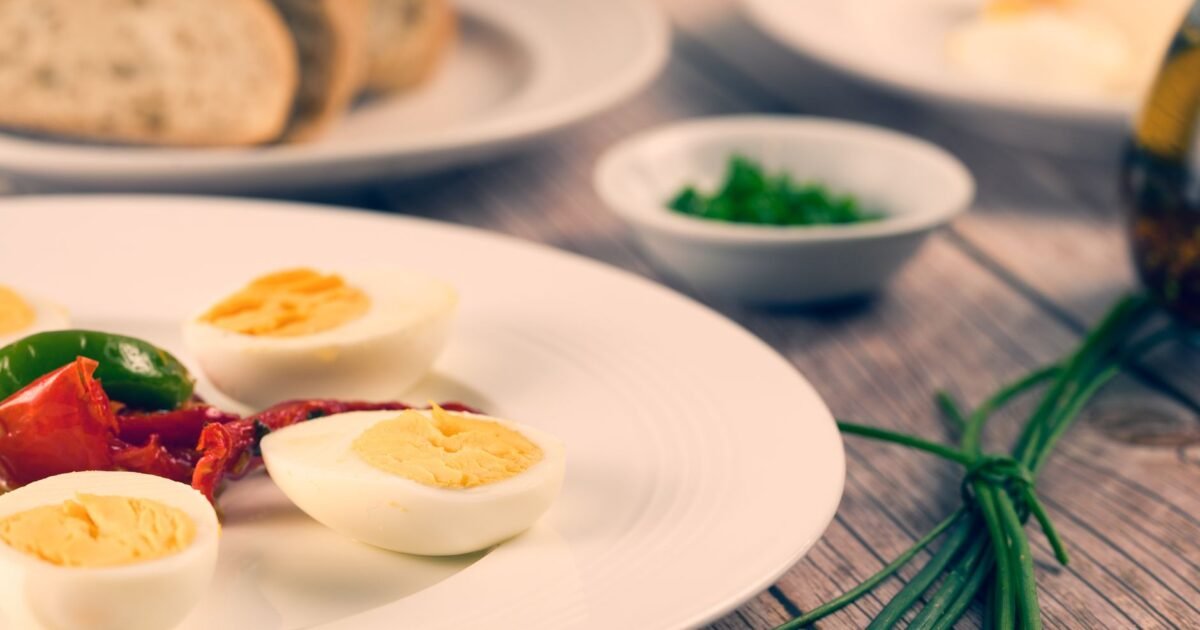
- Hard-Boiled Eggs: Nature’s perfect protein package. One large egg provides about 6g of protein and virtually no carbs. They are portable, easy to prepare in advance, and incredibly satisfying. Sprinkle with salt, pepper, or everything bagel seasoning.
- Jerky (Sugar-Free): A great chewy, savory snack. Always read labels carefully to ensure no added sugars or high-carb marinades. Look for grass-fed beef or turkey jerky for the best quality.
- Deli Meat Roll-Ups: Take a slice of low-carb deli meat (turkey, ham, roast beef) and roll it around a slice of cheese, a spear of avocado, or a pickle. Instant, customizable, and delicious.
- Tuna or Salmon Salad: Made with full-fat mayonnaise (check for sugar-free), herbs, and chopped celery, a small scoop of tuna or salmon salad can be a fantastic protein-rich snack. Enjoy it on lettuce wraps, cucumber slices, or bell pepper boats.
- Egg Muffins/Bites: Prepare a batch of these savory delights at the beginning of the week. Whisk eggs with your favorite low carb vegetables (spinach, bell peppers, mushrooms) and a little cheese, then bake in muffin tins. They are perfect for grabbing on the go.
Fruitful Choices (in Moderation): Berry Good for You
While most fruits are high in sugar, some berries offer a delightful taste of sweetness with a much lower carb count, making them suitable for low carb diets in small portions.
- Strawberries: About 5-6 medium strawberries contain around 6g total carbs and 2g fiber (4g net carbs).
- Raspberries: One of the lowest carb fruits. A 1/2 cup serving has about 7g total carbs and 4g fiber (3g net carbs).
- Blackberries: Similar to raspberries, a 1/2 cup contains about 7g total carbs and 4g fiber (3g net carbs).
- Blueberries: Slightly higher in carbs, so enjoy in smaller quantities. A 1/4 cup has about 5g net carbs.
- How to enjoy: Pair berries with full-fat Greek yogurt, cottage cheese, or a dollop of whipped cream (unsweetened, of course!) for a satisfying treat.
Healthy Fats Heroes: Boosting Satiety & Nutrients
These snacks are primarily focused on providing beneficial fats, which are key for sustained energy and satiety on a low carb diet.
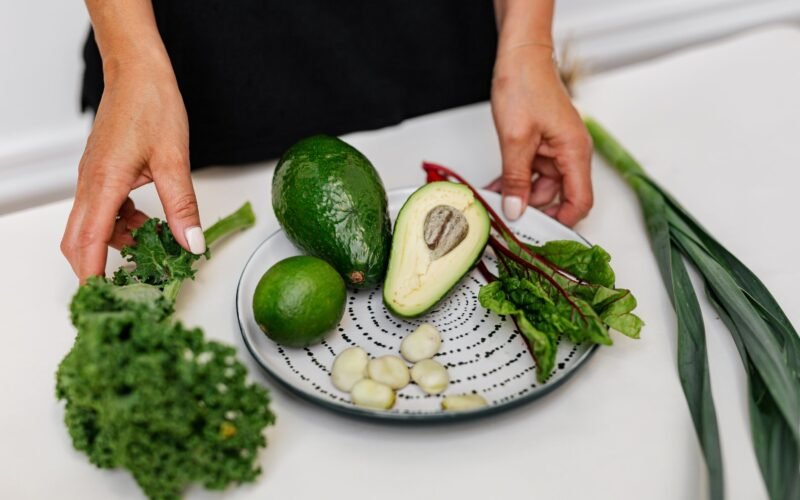
- Avocado Slices/Guacamole: Avocados are a superfood, loaded with monounsaturated fats, fiber, and potassium. Half an avocado contains approximately 1.5g net carbs, 15g healthy fats, and 2g protein. Enjoy it plain with salt and pepper, or as a small serving of homemade guacamole.
- Olives (Black & Green): A handful of olives provides healthy fats and a satisfying salty flavor. They are virtually carb-free and excellent for curbing savory cravings.
Savvy Store-Bought & DIY Solutions
Sometimes you need convenience, and other times, you want to get creative in the kitchen. Here are some options that fit both scenarios.
- Low-Carb Protein Bars: These can be a lifesaver in a pinch, but *extreme caution* is advised. Many brands market themselves as “keto” or “low carb” but contain hidden sugars, sugar alcohols that can cause digestive distress, or high net carb counts. Always read the nutrition label and ingredient list carefully. Look for bars with high protein, high fiber, healthy fats, and minimal net carbs (ideally under 5g).
- Pork Rinds: A surprisingly popular keto snack, pork rinds are zero carb and packed with protein (collagen). They offer a satisfying crunch and are great for dipping into guacamole or salsa.
- Seaweed Snacks: Thin, crispy, and savory, plain roasted seaweed snacks are very low in carbs and calories, making them a light yet flavorful option.
- Homemade Cheese Crisps: Melt small piles of shredded cheese (cheddar, parmesan, provolone) on parchment paper in the oven or microwave until bubbly and golden. Let cool and crisp up. Deliciously crunchy and pure cheese goodness.
- Kale Chips: Toss kale leaves with a little olive oil, salt, and your favorite spices, then bake until crispy. A healthy, fiber-rich alternative to potato chips.
- Fat Bombs: These are homemade treats designed to be high in healthy fats, providing quick energy and satiety. Recipes vary widely but often involve coconut oil, cream cheese, nut butter, and a low-carb sweetener.
Low Carb Snacking for Every Situation
Life is busy, and your snacking strategy needs to be adaptable. Here are ideas tailored for different scenarios:
On-the-Go & Travel-Friendly Options
When you’re out and about, convenience is key. Plan ahead to avoid succumbing to unhealthy options.
- Pre-portioned Nuts: A small baggie of almonds, walnuts, or pecans.
- Cheese Sticks or Mini Cheese Wheels: Individually wrapped and easy to grab.
- Hard-Boiled Eggs: Peel them at home for even easier consumption.
- Sugar-Free Jerky: Lightweight and non-perishable.
- Avocado (whole): Pack a small knife and spoon.
Desk-Side & Workday Fuel
Keep these at your desk to combat the midday slump or afternoon hunger pangs.
- Veggies & Dip: Celery, cucumber, bell pepper strips with a small container of guacamole or cream cheese dip.
- Cottage Cheese or Greek Yogurt: Keep a container in the office fridge.
- Small Portion of Berries: Fresh or frozen (if you have a freezer).
- Olives: A small container of pitted olives.
Taming Late-Night Cravings
When the evening munchies hit, choose something light, satisfying, and blood sugar-friendly to avoid disrupting sleep.
- Warm Herbal Tea: Sometimes thirst or habit masquerades as hunger.
- A Few Olives: Savory and satiating.
- Small Portion of Cheese: A slice of cheddar or a few cubes.
- Sugar-Free Gelatin: A light, sweet treat.
- A Spoonful of Nut Butter: Just enough to satisfy.
Sweet Tooth Solutions
You don’t have to completely abandon sweetness on a low carb diet. These options offer a guilt-free indulgence.
- Berries & Cream Cheese: Mix a few raspberries with a dollop of cream cheese and a tiny bit of stevia or erythritol.
- Dark Chocolate (85% cocoa or higher): A small square can satisfy without much sugar.
- Sugar-Free Gelatin: A light, fruity treat.
- Keto Mug Cake (homemade): Quick, single-serving dessert made with almond flour, cocoa powder, and low-carb sweetener.
Savory Cravings Conquerors
For those times you just need something salty, crunchy, or umami-rich.
- Pickles: Virtually carb-free and satisfyingly briny.
- Pork Rinds: Excellent crunch, zero carbs.
- Cheese Crisps: Homemade or store-bought.
- Seaweed Snacks: Light and salty.
- Hard-Boiled Egg with Everything Bagel Seasoning: A savory protein boost.
Common Pitfalls to Avoid on Your Low Carb Snacking Journey
While low carb snacking is a powerful tool for weight loss, it’s not without its potential traps. Being aware of these common mistakes can help you navigate your journey more effectively and ensure sustainable progress.
The Trap of “Keto-Friendly” Processed Foods
The booming popularity of low carb and keto diets has led to an explosion of processed products marketed as “keto-friendly.” While some can be genuinely helpful, many are simply highly processed foods with clever marketing. These products often contain:
- Hidden Sugars: Disguised under names like maltodextrin, corn syrup solids, or various fruit juices.
- Unhealthy Fats: Cheap inflammatory oils like soybean, corn, or canola oil instead of beneficial fats.
- Excessive Sugar Alcohols: While generally low carb, certain sugar alcohols (like maltitol) can cause digestive upset for some individuals and may even have a slight impact on blood sugar.
- Artificial Ingredients: Preservatives, colorings, and flavorings that offer no nutritional value.
Solution: Always, always read the ingredient list before the nutrition label. Prioritize whole, unprocessed foods. If you do opt for a packaged snack, choose brands with transparent, minimal ingredient lists that you recognize.
Portion Distortion: Even Good Carbs Add Up
One of the biggest misconceptions is that because a snack is “low carb” or “healthy,” you can eat unlimited amounts. This is simply not true, especially for weight loss. Foods like nuts, seeds, avocados, and full-fat dairy are nutrient-dense and beneficial, but they are also calorie-dense. Overeating these can quickly lead to an excess of calories, stalling or reversing your weight loss efforts.
- Example: A small handful of almonds (approx. 23 nuts) is around 160 calories. A large handful could easily double that.
- Solution: Practice mindful portion control. Pre-portion snacks into small containers or bags. Use measuring cups or a food scale when first learning appropriate serving sizes. Listen to your body’s hunger cues and stop when satisfied, not stuffed.
Ignoring Hunger vs. Habit
Many people snack out of habit, boredom, stress, or emotional triggers rather than genuine physical hunger. If you’re truly not hungry, even a low carb snack adds unnecessary calories.
- Solution: Before reaching for a snack, ask yourself:
Photo by Jana Ohajdova on Pexels