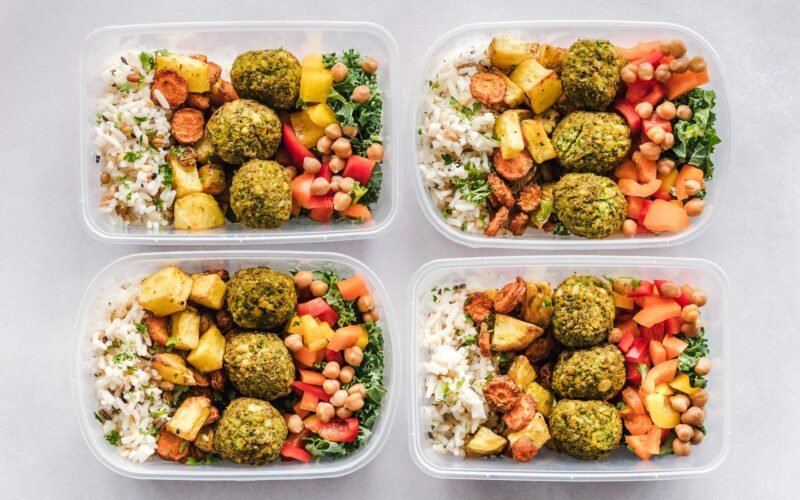
How to Meal Plan for Weight Loss: Your Ultimate GetLeanPulse.com Guide
Losing weight can often feel like a complex puzzle, with countless diets, conflicting advice, and the constant battle against cravings and convenience. But what if there was a single strategy that could simplify the entire process, make healthy eating effortless, and set you up for sustainable success? There is, and it’s called meal planning.
At GetLeanPulse.com, we believe that true transformation comes from building lasting habits, not chasing quick fixes. Meal planning for weight loss isn’t just about deciding what to eat; it’s about taking control of your nutrition, understanding your body’s needs, and proactively creating an environment where healthy choices become the default. This comprehensive guide will walk you through every step of crafting an effective meal plan tailored to your weight loss goals, ensuring you have the knowledge, tools, and motivation to succeed.
Whether you’re a complete beginner overwhelmed by where to start, or you’ve tried meal planning before and fallen off track, this article is designed to empower you. We’ll delve into the science behind weight loss nutrition, provide a practical step-by-step framework for creating your plan, offer solutions to common challenges, and equip you with advanced strategies to optimize your journey. Get ready to transform your relationship with food and embark on a path to a leaner, healthier you.
Why Meal Planning is Your Weight Loss Secret Weapon
Before we dive into the “how,” let’s solidify the “why.” Understanding the profound benefits of meal planning will fuel your motivation and commitment. It’s more than just a chore; it’s an investment in your health and weight loss journey.
Eliminates Guesswork and Impulse Eating
One of the biggest culprits of weight gain is reactive eating. We get hungry, we haven’t thought about what to eat, and suddenly we’re grabbing the quickest, often unhealthiest, option available. Meal planning removes this decision fatigue. When you know exactly what you’re eating for each meal, you’re less likely to succumb to spontaneous, high-calorie choices, drive-thrus, or sugary snacks. It creates a structured approach that leaves no room for harmful guesswork.
Saves Time and Money
While meal planning requires an initial time investment, it ultimately saves you hours during the week. Instead of scrambling to figure out dinner every night, you’ll have pre-portioned, ready-to-eat meals or components that can be assembled quickly. This efficiency extends to grocery shopping – a well-planned list means fewer trips to the store and less impulse buying of expensive, unhealthy items. You’ll be amazed at how much your food budget benefits when every purchase serves a purpose within your plan.
Ensures Nutritional Balance and Portion Control
Weight loss isn’t just about eating less; it’s about eating *right*. Meal planning allows you to consciously incorporate a balanced array of macronutrients (protein, carbs, fats) and micronutrients (vitamins, minerals) into your diet. You can design meals that are rich in lean protein to promote satiety and muscle preservation, complex carbohydrates for sustained energy, and healthy fats for essential bodily functions. Crucially, it also enables precise portion control, a cornerstone of creating the necessary calorie deficit for weight loss.
Reduces Stress and Decision Fatigue
The mental load of constantly deciding what to eat, what to buy, and how to cook can be exhausting. Meal planning frees up mental space, allowing you to focus on other aspects of your life. Imagine a week where your meals are taken care of, allowing you to relax and enjoy your food without the added stress of last-minute preparations. This reduction in stress can also positively impact your overall well-being, which is indirectly beneficial for weight management.
Builds Sustainable Habits
Weight loss is a journey, not a destination. Sustainable weight loss comes from integrating healthy habits into your lifestyle. Meal planning is a powerful habit builder. As you consistently plan, shop, and prepare your meals, these actions become second nature. You’ll develop a deeper understanding of nutrition, improve your cooking skills, and cultivate a mindful approach to eating that supports long-term health beyond the initial weight loss phase.
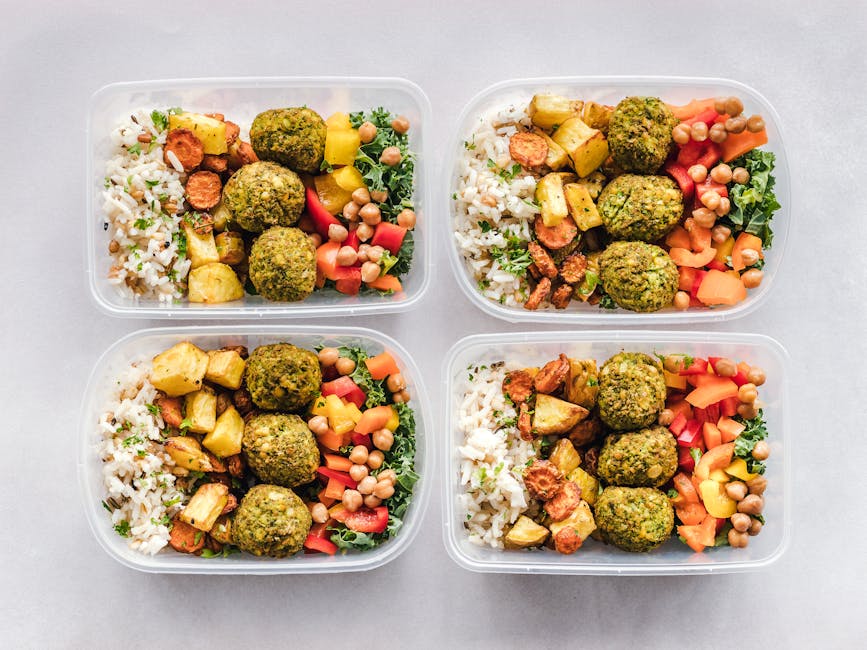
The Foundational Principles of Weight Loss Nutrition
Before you can build an effective meal plan, you need a solid understanding of the basic nutritional principles that underpin weight loss. These aren’t fads or complicated theories; they are the fundamental truths about how your body processes food and sheds excess weight.
The Calorie Deficit: The Golden Rule
At its core, weight loss boils down to one simple equation: you must consume fewer calories than your body expends. This is known as creating a calorie deficit.
* **Calories In:** The energy you get from food and beverages.
* **Calories Out:** The energy your body burns through basal metabolic rate (BMR – energy for basic bodily functions), physical activity, and the thermic effect of food (TEF – energy to digest food).
To lose weight, you need to ensure “Calories In” is consistently less than “Calories Out.” A common recommendation for sustainable weight loss is a deficit of 500-750 calories per day, which typically leads to a loss of 1-1.5 pounds per week. Drastically cutting calories can be counterproductive, leading to nutrient deficiencies, muscle loss, and metabolic slowdown.
Understanding Macronutrients (Macros)
Macronutrients are the components of food that your body needs in large amounts for energy and to maintain its structure and systems. The three main macronutrients are protein, carbohydrates, and fats. Balancing these correctly is crucial for weight loss and overall health.
Protein: The Satiety and Muscle Preserver
* **Role:** Essential for building and repairing tissues, producing enzymes and hormones.
* **Weight Loss Benefits:** Protein is the most satiating macronutrient, meaning it keeps you feeling fuller for longer, reducing overall calorie intake. It also helps preserve lean muscle mass during a calorie deficit, which is vital because muscle burns more calories at rest than fat.
* **Sources:** Lean meats (chicken, turkey, lean beef), fish, eggs, dairy (Greek yogurt, cottage cheese), legumes (lentils, beans), tofu, tempeh, protein powder.
* **Target:** Aim for 0.7-1 gram of protein per pound of target body weight, or roughly 25-35% of your total daily calories.
Carbohydrates: Fuel for Energy
* **Role:** Your body’s primary source of energy, fueling your brain and muscles.
* **Weight Loss Benefits:** Not all carbs are created equal. Focus on complex carbohydrates, which are rich in fiber, digest slowly, provide sustained energy, and promote satiety. Simple carbs (sugars, refined grains) offer quick energy spikes and crashes, leading to hunger.
* **Sources (Complex):** Whole grains (oats, quinoa, brown rice, whole-wheat bread/pasta), starchy vegetables (sweet potatoes, corn, peas), legumes, fruits.
* **Sources (Simple to limit):** White bread, pastries, sugary drinks, candy.
* **Target:** Typically 30-40% of your total daily calories, prioritizing complex, fiber-rich sources.
Fats: Essential for Health and Satiety
* **Role:** Crucial for hormone production, nutrient absorption, cell function, and providing concentrated energy.
* **Weight Loss Benefits:** Healthy fats are vital for satiety and overall health. They slow down digestion, helping you feel full. However, fats are calorie-dense (9 calories per gram compared to 4 for protein/carbs), so portion control is key.
* **Sources (Healthy):** Avocados, nuts (almonds, walnuts), seeds (chia, flax, pumpkin), olive oil, fatty fish (salmon, mackerel).
* **Sources (Unhealthy to limit):** Trans fats (processed foods), excessive saturated fats (red meat, full-fat dairy, fried foods).
* **Target:** Generally 20-30% of your total daily calories, focusing on monounsaturated and polyunsaturated fats.
The Power of Micronutrients
While macronutrients provide energy, micronutrients (vitamins and minerals) are essential for virtually every bodily function, including metabolism, immune function, and energy production. A nutrient-dense meal plan ensures you’re getting a wide array of these vital compounds, which supports overall health and helps prevent deficiencies that can hinder weight loss or cause fatigue. Prioritize whole, unprocessed foods like fruits, vegetables, and lean proteins to naturally boost your micronutrient intake.
Hydration: Often Overlooked, Never Underestimated
Water is a critical, yet often overlooked, component of weight loss.
* **Satiety:** Drinking water before meals can help you feel fuller, leading to reduced calorie intake.
* **Metabolism:** Water is essential for all metabolic processes.
* **Energy:** Dehydration can lead to fatigue, which can be mistaken for hunger.
* **Digestion:** Fiber needs water to work effectively.
Aim for at least 8 glasses (64 ounces) of water per day, and more if you’re active. Unsweetened tea and coffee can also contribute to your fluid intake.
Fiber: Your Digestive Ally
Fiber, primarily found in plant-based foods, is indigestible carbohydrate that plays a huge role in weight loss.
* **Satiety:** Fiber adds bulk to your meals, making you feel full and satisfied without adding many calories.
* **Digestion:** It aids digestion, prevents constipation, and helps regulate blood sugar levels, preventing energy crashes and subsequent cravings.
* **Gut Health:** Feeds beneficial gut bacteria, which is increasingly linked to weight management and overall health.
Prioritize fiber-rich foods like vegetables, fruits, legumes, and whole grains.
The Step-by-Step Guide to Crafting Your Weight Loss Meal Plan
Now that you understand the foundational principles, let’s get practical. Here’s a detailed, step-by-step guide to building your personalized weight loss meal plan.
Step 1: Assess Your Current Habits & Goals
Before you change anything, you need to understand your starting point.
* **Food Diary (for 3-5 days):** For a few days, honestly track *everything* you eat and drink, including portion sizes, snacks, and beverages. Don’t judge, just observe. This reveals your baseline calorie intake, common triggers for unhealthy eating, and areas for improvement. You might be surprised by hidden calories from drinks or sauces.
* **Define Realistic Weight Loss Goals:** Aim for a sustainable loss of 1-2 pounds per week. Set both short-term (e.g., lose 5 pounds in a month) and long-term goals (e.g., reach target weight in 6 months). Make them SMART: Specific, Measurable, Achievable, Relevant, Time-bound.
* **Identify Preferences, Allergies, Dietary Restrictions:** Your meal plan must be enjoyable and safe. List foods you love, foods you hate, any known allergies (e.g., nuts, dairy, gluten), and any dietary choices (e.g., vegetarian, vegan, halal, kosher). A meal plan you can’t stick to is useless.
* **Consider Your Lifestyle:** Are you active? Do you have long work hours? Do you eat out frequently? How much time can you realistically dedicate to cooking and prep? Your plan needs to fit your life, not the other way around.
Step 2: Calculate Your Calorie & Macro Needs
This is where the science meets personalization.
* **Calculate Your Basal Metabolic Rate (BMR):** This is the number of calories your body burns at rest just to maintain basic functions. The Mifflin-St Jeor equation is widely used:
* **Men:** (10 x weight in kg) + (6.25 x height in cm) – (5 x age in years) + 5
* **Women:** (10 x weight in kg) + (6.25 x height in cm) – (5 x age in years) – 161
*(Online BMR calculators are readily available and can simplify this for you.)*
* **Determine Your Total Daily Energy Expenditure (TDEE):** Your BMR is then multiplied by an activity factor to estimate your total calorie expenditure.
* Sedentary (little or no exercise): BMR x 1.2
* Lightly active (light exercise/sports 1-3 days/week): BMR x 1.375
* Moderately active (moderate exercise/sports 3-5 days/week): BMR x 1.55
* Very active (hard exercise/sports 6-7 days/week): BMR x 1.725
* Extremely active (very hard exercise/physical job): BMR x 1.9
*(Again, online TDEE calculators are helpful tools.)*
* **Set Your Calorie Deficit:** To lose 1 pound of fat, you need a deficit of approximately 3,500 calories. For a 1-pound per week loss, aim for a 500-calorie daily deficit (3500/7 days). For a 1.5-pound loss, aim for 750 calories. Subtract this deficit from your TDEE. For example, if your TDEE is 2500 calories, a 500-calorie deficit means a target of 2000 calories per day. *Never go below 1200 calories for women or 1500 for men without medical supervision, as it can be detrimental to health.*
* **Determine Your Macro Ratios:** For weight loss, a common starting point is:
* **Protein:** 30-40% of total calories
* **Carbohydrates:** 30-40% of total calories
* **Fats:** 20-30% of total calories
* *Example (2000 calories):*
* Protein: 35% of 2000 = 700 calories / 4 cal/g = 175g
* Carbs: 40% of 2000 = 800 calories / 4 cal/g = 200g
* Fats: 25% of 2000 = 500 calories / 9 cal/g = 55g
* Adjust these based on your preferences and how your body responds. Some people thrive on lower carbs, others prefer slightly higher.
Step 3: Choose Your Meals & Recipes
This is where you bring your nutritional targets to life with actual food.
* **Focus on Whole, Unprocessed Foods:** Prioritize ingredients that are as close to their natural state as possible. Think fresh produce, lean proteins, whole grains, nuts, and seeds. These are generally more nutrient-dense and satisfying.
* **Brainstorm Meal Ideas:**
* **Breakfast:** Oatmeal with berries and nuts, Greek yogurt with fruit, scrambled eggs with spinach, protein smoothie.
* **Lunch:** Large salad with lean protein, leftover dinner, whole-wheat wrap with veggies and chicken, lentil soup.
* **Dinner:** Baked salmon with roasted vegetables and quinoa, chicken stir-fry with brown rice, turkey chili, lean ground beef with sweet potato.
* **Snacks:** Apple with almond butter, hard-boiled eggs, handful of nuts, vegetable sticks with hummus, a piece of fruit.
* **Batch Cooking/Meal Prep Strategies:** This is key for efficiency.
* **Cook large batches of staples:** Brown rice, quinoa, chicken breast, roasted vegetables.
* **Prepare components:** Chop veggies, wash greens, pre-portion nuts/seeds.
* **Full meals:** Cook entire meals and portion them into containers for the week.
* **Find Healthy Recipes:** Look for recipes that align with your calorie and macro goals. GetLeanPulse.com is a great resource, as are many healthy cooking blogs, cookbooks, and nutrition websites. Pay attention to serving sizes and nutritional information.
* **Balance Variety with Simplicity:** You don’t need a different meal every day. Many people find success by rotating 3-4 breakfast options, 3-4 lunch options, and 5-7 dinner options. This keeps things interesting without becoming overwhelming. Don’t be afraid to repeat meals, especially for breakfast and lunch.

Step 4: Create a Weekly Schedule/Template
Visualize your week. A template makes it easy to see your plan at a glance.
* **Use a Spreadsheet or Planner:** Create a grid with days of the week and meal slots (breakfast, lunch, dinner, 1-2 snacks).
* **Populate Your Plan:** Fill in your chosen meals.
* *Example:*
* **Monday:** Breakfast: Oatmeal; Lunch: Chicken and veggie salad; Dinner: Baked salmon with quinoa and broccoli. Snack: Apple and almonds.
* **Tuesday:** Breakfast: Oatmeal; Lunch: Leftover salmon; Dinner: Turkey chili. Snack: Greek yogurt.
* **Plan for Leftovers:** Intentionally cook extra dinner to become the next day’s lunch. This is a huge time-saver.
* **Allow for Flexibility:** Life happens. Don’t make your plan so rigid that it breaks if one meal changes. Have a few “flex meals” or healthy emergency options ready (e.g., frozen healthy meals, canned tuna). If you know you’re eating out, plan for it by making other meals lighter or choosing wisely at the restaurant.
Step 5: Generate Your Grocery List
This step transforms your meal plan into actionable shopping.
* **Go Meal by Meal:** Look at your weekly meal plan and list every single ingredient you need.
* **Check Your Pantry/Fridge:** Cross off items you already have.
* **Organize Your List:** Group items by grocery store section (produce, dairy, meat, pantry, frozen) to make shopping efficient and prevent impulse buys.
* **Stick to the List:** This is crucial for budget control and preventing unhealthy temptations. Don’t buy anything not on your list.
Step 6: Execute Your Meal Prep Day Strategies
Dedicate a specific time each week for meal preparation. Sunday is popular for many.
* **Clear Your Workspace:** A clean kitchen makes prep enjoyable.
* **Gather Your Tools:** Cutting boards, sharp knives, mixing bowls, measuring cups, and airtight storage containers.
* **Prioritize Tasks:**
1. **Chop Veggies:** Prepare all vegetables for the week (e.g., bell peppers, onions, carrots, broccoli florets).
2. **Cook Grains:** Cook large batches of brown rice, quinoa, or other grains.
3. **Cook Proteins:** Bake chicken breasts, grill lean ground turkey, hard-boil eggs.
4. **Roast or Steam Veggies:** Cook larger quantities of roastable vegetables (broccoli, sweet potatoes, Brussels sprouts).
5. **Prepare Dressings/Sauces:** Make healthy homemade dressings or sauces to avoid store-bought versions high in sugar and unhealthy fats.
6. **Assemble or Portion:** Portion out full meals into individual containers, or store components separately to assemble daily.
* **Proper Storage:** Use airtight containers to keep food fresh in the refrigerator for 3-5 days. Freeze portions if you’re prepping for longer than that. Label containers with the meal and date.
Essential Components of a Weight Loss-Friendly Meal Plan
When selecting foods for your meal plan, focus on these categories to ensure you’re getting nutrient-dense options that support satiety and healthy weight loss.
Lean Proteins
These are the building blocks of your body and crucial for feeling full.
* **Poultry:** Chicken breast, turkey breast (skinless).
* **Fish & Seafood:** Salmon (rich in omega-3s), cod, tilapia, tuna (canned in water), shrimp, scallops.
* **Lean Meats:** Lean cuts of beef (sirloin, round), pork tenderloin.
* **Eggs:** Whole eggs or egg whites.
* **Dairy:** Greek yogurt (plain, high protein), cottage cheese, skim milk.
* **Plant-Based:** Tofu, tempeh, edamame, lentils, beans (black beans, chickpeas), quinoa, seitan.
Complex Carbohydrates
These provide sustained energy and fiber.
* **Whole Grains:** Oats (steel-cut or rolled), quinoa, brown rice, wild rice, whole-wheat bread, whole-wheat pasta, barley, farro.
* **Starchy Vegetables:** Sweet potatoes, yams, butternut squash, corn (in moderation), peas.
* **Legumes:** Lentils, chickpeas, black beans, kidney beans.
Healthy Fats
Important for hormone function, nutrient absorption, and satiety.
* **Avocado:** Whole or as oil.
* **Nuts & Seeds:** Almonds, walnuts, chia seeds, flax seeds, pumpkin seeds, sunflower seeds (in moderation due to calorie density).
* **Oils:** Olive oil, avocado oil (for cooking and dressings).
* **Fatty Fish:** Salmon, mackerel, sardines.
Abundant Vegetables (Non-Starchy)
Eat these freely! They are low in calories, high in fiber, vitamins, and minerals.
* **Leafy Greens:** Spinach, kale, mixed greens, romaine lettuce.
* **Cruciferous Vegetables:** Broccoli, cauliflower, Brussels sprouts, cabbage.
* **Other Veggies:** Bell peppers, zucchini, cucumber, carrots, celery, asparagus, green beans, mushrooms, tomatoes, onions.
Fruits
Nature’s candy, full of vitamins, minerals, and fiber.
* **Berries:** Strawberries, blueberries, raspberries, blackberries (lower in sugar).
* **Apples, Pears, Oranges, Bananas:** Enjoy in moderation, especially bananas, due to higher sugar content.
Hydration
Water is king.
* **Water:** Plain water, sparkling water.
* **Unsweetened Beverages:** Herbal tea, green tea, black coffee (in moderation).
Common Challenges & How to Overcome Them
Even the best-laid plans can face hurdles. Anticipating common challenges allows you to develop strategies to overcome them and stay on track.
Time Constraints
* **Solution:** Embrace efficient meal prep. Dedicate 2-3 hours on a weekend to cook staples (grains, proteins) and chop vegetables. Choose simpler recipes with fewer ingredients and steps. Utilize slow cookers or instant pots for hands-off cooking. Don’t be afraid of healthy convenience foods like pre-chopped vegetables, rotisserie chicken, or frozen fruits/vegetables (ensure no added sugars or sauces).
Lack of Motivation
* **Solution:** Start small. Instead of planning every single meal for the week, begin by planning just dinners, or just lunches. Find an accountability partner. Reward yourself for sticking to your plan (non-food rewards, like a new book or a massage). Remind yourself of your “why” – your health goals, increased energy, better confidence. Celebrate small victories.
Boredom/Lack of Variety
* **Solution:** Rotate your meals. Instead of eating the exact same chicken and broccoli every day, have 3-4 go-to breakfasts, 3-4 lunches, and 5-7 dinners you cycle through. Experiment with different spices and herbs to change the flavor profile of staple ingredients. Look for international cuisine (e.g., Thai, Mexican, Indian) that uses healthy ingredients in different ways. Theme nights (Taco Tuesday, Stir-fry Thursday) can add fun.
Eating Out/Social Events
* **Solution:** Plan ahead. If you know you’re dining out, check the restaurant’s menu online beforehand and identify healthy options. Don’t arrive starving. Eat a light, protein-rich snack before you go. Choose grilled or baked instead of fried. Ask for dressings and sauces on the side. Focus on lean protein and vegetables. Limit alcohol and sugary drinks. For social gatherings, offer to bring a healthy dish to share, or eat a small, healthy meal before you go so you’re not overly hungry.
Cravings
* **Solution:** Understand the difference between true hunger and a craving. Often, cravings are triggered by emotions, stress, or habit. Drink a large glass of water first. Wait 15-20 minutes – often the craving passes. Have healthy “swap” options ready (e.g., berries for sweets, air-popped popcorn for chips). Ensure your meal plan is balanced and providing enough calories and nutrients; sometimes cravings are a sign of underlying hunger or nutrient deficiency. Prioritize adequate sleep and stress management.
Plateauing
* **Solution:** It’s normal for weight loss to slow down or stop. Re-evaluate your calorie and macro intake – as you lose weight, your TDEE decreases, so you may need to adjust your calories down slightly. Increase your physical activity. Shake up your routine (try a new form of exercise). Ensure you’re accurately tracking *everything*. Consider a “refeed” day or a slight increase in calories for a day or two to shock your metabolism (consult a professional for this).
Family Preferences
* **Solution:** Adapt, don’t separate. Instead of cooking entirely separate meals, cook a base meal that can be easily customized. For example, make a big batch of lean ground turkey. You can turn some into turkey tacos for the family (with tortillas, cheese), and you can have yours as a “taco bowl” with lettuce, salsa, and avocado. Serve vegetables separately so everyone can choose what they like. Gradually introduce healthier ingredients.
Advanced Strategies for Optimized Meal Planning
Once you’ve mastered the basics, consider these advanced techniques to fine-tune your meal plan and accelerate your progress.
Intermittent Fasting Integration
* **Concept:** Intermittent fasting (IF) involves cycling between periods of eating and voluntary fasting. Common methods include 16/8 (fast for 16 hours, eat within an 8-hour window) or 5:2 (eat normally for 5 days, severely restrict calories for 2 non-consecutive days).
* **How it Complements Meal Planning:** IF can help create a calorie deficit naturally by shortening your eating window, making it easier to stick to your planned meals within that time. It can also improve insulin sensitivity and support fat burning.
* **Considerations:** Ensure your eating window still provides adequate nutrition and calories. IF isn’t for everyone and should be approached cautiously, especially if you have underlying health conditions or are pregnant/breastfeeding.
Tracking Apps for Precision
* **Tools:** MyFitnessPal, Lose It!, Cronometer, MyPlate.
* **Benefits:** These apps allow you to log your food intake, track calories and macros with precision, and monitor your progress. They provide a clear picture of whether you’re hitting your targets and can reveal hidden calorie sources. Many have extensive food databases and barcode scanners.
* **Strategy:** Use them consistently, especially when starting, to gain awareness of portion sizes and nutritional content. Over time, you may develop an intuitive sense, but tracking provides invaluable data.
Mindful Eating Practices
* **Concept:** Mindful eating involves paying full attention to your food – its taste, texture, smell, and the experience of eating – without distraction. It also means tuning into your body’s hunger and fullness cues.
* **How it Helps:** It can prevent overeating, improve digestion, and increase satisfaction from meals. When you eat mindfully, you’re less likely to graze or eat out of boredom.
* **Strategy:** Eat slowly. Put your fork down between bites. Chew thoroughly. Pay attention to how your body feels before, during, and after eating. Ask yourself if you’re truly hungry or just reacting to an external cue.
Cycle Syncing (for Women)
* **Concept:** For women, hormonal fluctuations throughout the menstrual cycle can impact metabolism, energy levels, and cravings. Cycle syncing involves adjusting your nutrition and exercise to align with these phases.
* **How it Helps:** During the follicular phase (pre-ovulation), you might have more energy and better insulin sensitivity, potentially allowing for slightly higher carb intake. During the luteal phase (pre-period), metabolism slightly increases, and cravings can intensify, suggesting a slight increase in calories (especially protein and healthy fats) might be beneficial to manage hunger and support the body.
* **Considerations:** This is a more advanced strategy and requires self-awareness of your cycle. It’s about optimizing, not drastically changing, your plan.
Flexibility & Intuitive Eating (Once Habits are Built)
* **Concept:** After consistently meal planning and building a strong foundation of healthy habits and nutritional awareness, you can gradually transition towards
Photo by Kampus Production on Pexels