Best Foods for Rapid Weight Loss: Your Ultimate Guide to a Leaner You
The journey to a leaner, healthier you often begins with one fundamental question: What should I eat? In a world saturated with diet fads and conflicting nutritional advice, it can feel overwhelming to pinpoint the true “best foods” for rapid weight loss. At GetLeanPulse.com, we understand the desire for quick, noticeable results, but we also believe in achieving them through sustainable, health-conscious choices.
This comprehensive guide dives deep into the science-backed foods that can accelerate your weight loss journey without compromising your well-being. We’re not talking about starvation diets or extreme restrictions. Instead, we’ll explore nutrient-dense powerhouses that promote satiety, boost metabolism, preserve muscle mass, and naturally lead to a calorie deficit. Prepare to transform your plate and your body as we unveil the ultimate food arsenal for rapid, healthy weight loss.
Understanding Rapid Weight Loss: More Than Just Calorie Counting
Before we jump into specific foods, it’s crucial to define what “rapid weight loss” truly means in a healthy context. While a significant calorie deficit is essential, simply eating less isn isn’t always the most effective or sustainable strategy. True rapid weight loss, when healthy, involves:
- Nutrient Density: Choosing foods that pack maximum vitamins, minerals, and antioxidants for minimal calories. This keeps your body nourished and prevents deficiencies often associated with restrictive diets.
- Satiety and Hunger Control: Selecting foods that keep you feeling full and satisfied for longer, reducing cravings and preventing overeating. Protein and fiber are key here.
- Metabolic Boost: Some foods have a higher thermic effect, meaning your body burns more calories just to digest them. Others can support a healthy metabolism indirectly.
- Muscle Preservation: When losing weight rapidly, there’s a risk of losing muscle alongside fat. Foods rich in protein are vital for preserving lean muscle mass, which is crucial for a higher resting metabolism.
- Reduced Inflammation: Many healthy foods possess anti-inflammatory properties, which can aid in overall health and potentially support weight loss efforts by improving insulin sensitivity.
Our focus will be on foods that excel in these areas, helping you create a sustainable, enjoyable, and effective eating plan for rapid weight loss.
The Power of Protein: Building Blocks for Fat Loss
If there’s one macronutrient that reigns supreme for rapid weight loss, it’s protein. Protein has a profound impact on satiety, metabolism, and muscle preservation, making it an indispensable part of any weight loss diet.
Lean Meats and Poultry
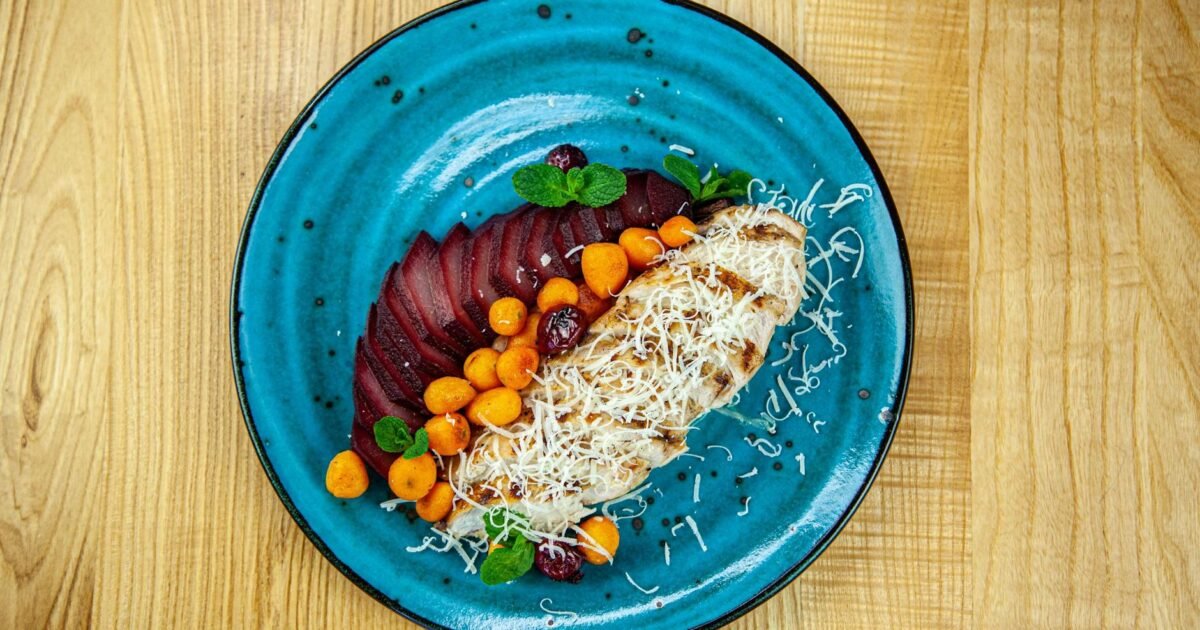
- Why they work: Rich in essential amino acids, lean meats like chicken breast, turkey, and lean cuts of beef (e.g., sirloin, round) are incredibly satiating. They require more energy to digest than fats or carbohydrates (the thermic effect of food), subtly boosting your daily calorie expenditure. They also provide the building blocks to maintain and even build muscle mass, which is vital for a strong metabolism.
- How to eat them: Grill, bake, roast, or stir-fry. Avoid frying in excessive oil. Focus on skinless poultry and trim visible fat from red meat.
- Examples: Chicken breast, turkey breast, lean ground turkey, lean beef cuts, venison, bison.
Fish and Seafood
- Why they work: Many fish, especially fatty fish like salmon, mackerel, and sardines, are not only excellent sources of high-quality protein but also rich in omega-3 fatty acids. Omega-3s have anti-inflammatory properties and may play a role in fat metabolism. White fish like cod, tilapia, and haddock are lean protein powerhouses with very few calories.
- How to eat them: Bake, grill, steam, or poach. Canned options like tuna (in water) and sardines are convenient and budget-friendly.
- Examples: Salmon, tuna, cod, tilapia, shrimp, scallops, sardines, mackerel.
Eggs
- Why they work: Often called nature’s multivitamin, eggs are incredibly nutrient-dense and one of the most bioavailable sources of protein. Studies consistently show that eating eggs for breakfast can significantly increase satiety and reduce calorie intake later in the day, leading to more weight loss.
- How to eat them: Boiled, poached, scrambled (with minimal added fat), or as an omelet packed with vegetables.
- Examples: Whole eggs.
Legumes and Plant-Based Proteins
- Why they work: For vegetarians, vegans, or anyone looking to diversify their protein sources, legumes are a fantastic choice. Beans, lentils, chickpeas, and peas are packed with both protein and fiber, offering a powerful combination for satiety and digestive health. Tofu and tempeh are complete plant proteins that are incredibly versatile.
- How to eat them: Add to soups, stews, salads, or make into veggie burgers. Tofu can be baked, stir-fried, or grilled.
- Examples: Black beans, kidney beans, lentils, chickpeas, edamame, tofu, tempeh, quinoa (also a complex carb).
Fiber-Rich Vegetables: Your Volume and Nutrient Allies
Non-starchy vegetables are the unsung heroes of rapid weight loss. They allow you to eat large volumes of food without consuming excessive calories, providing essential nutrients, and keeping you feeling full thanks to their high fiber and water content.
Leafy Greens
- Why they work: Extremely low in calories but high in fiber, vitamins (A, C, K), and minerals. They add bulk to meals, helping to stretch your stomach and signal fullness without adding significant calories.
- How to eat them: Raw in salads, sautéed as a side dish, added to smoothies, or incorporated into stir-fries and soups.
- Examples: Spinach, kale, romaine lettuce, collard greens, Swiss chard, arugula.
Cruciferous Vegetables
- Why they work: Broccoli, cauliflower, Brussels sprouts, and cabbage are rich in fiber, vitamins (C, K), and powerful antioxidants. They are incredibly filling and versatile, making them easy to incorporate into many dishes.
- How to eat them: Steamed, roasted, stir-fried, or raw. Cauliflower rice is an excellent low-carb alternative to grains.
- Examples: Broccoli, cauliflower, Brussels sprouts, cabbage.
Other Non-Starchy Vegetables
- Why they work: A vast array of vegetables provides different nutrient profiles and textures, keeping your diet interesting and ensuring a wide range of vitamins and minerals. Their high water content also contributes to hydration and satiety.
- How to eat them: Raw for snacking, grilled, baked, or added to virtually any savory dish.
- Examples: Bell peppers, zucchini, cucumber, tomatoes, asparagus, green beans, mushrooms, celery, eggplant.

Smart Carbohydrates: Fueling Your Body Wisely
While often demonized, carbohydrates are not inherently bad for weight loss. The key is choosing the right types – complex carbohydrates – and consuming them in appropriate portions. They provide sustained energy, fiber, and essential nutrients.
Whole Grains (in moderation)
- Why they work: Unlike refined grains, whole grains retain their bran and germ, which means they are rich in fiber and various nutrients. This fiber slows down digestion, leading to a more gradual rise in blood sugar, sustained energy, and increased satiety. However, they are still calorie-dense, so portion control is crucial for rapid weight loss.
- How to eat them: As a side dish in small portions, added to salads or soups.
- Examples: Oats (steel-cut or rolled), quinoa, brown rice, whole wheat bread (sparingly), barley.
Root Vegetables (in moderation)
- Why they work: Sweet potatoes, carrots, and parsnips are nutrient-rich complex carbohydrates. Sweet potatoes, in particular, offer fiber, vitamin A, and a lower glycemic index than white potatoes. Again, moderation is key due to their calorie density.
- How to eat them: Baked, roasted, or steamed.
- Examples: Sweet potatoes, carrots.
Healthy Fats: Essential for Satiety and Function
Don’t be afraid of fats! Healthy fats are crucial for hormone production, nutrient absorption, and long-term satiety. The key is choosing unsaturated fats and consuming them in moderation, as they are calorie-dense.
Avocado
- Why it works: Packed with monounsaturated fats, fiber, and potassium, avocados are incredibly filling and nutritious. They can help keep you satisfied between meals and contribute to a feeling of fullness.
- How to eat it: Sliced in salads, mashed for guacamole (watch portion sizes), or spread on whole-grain toast.
- Examples: Fresh avocado.
Nuts and Seeds (in moderation)
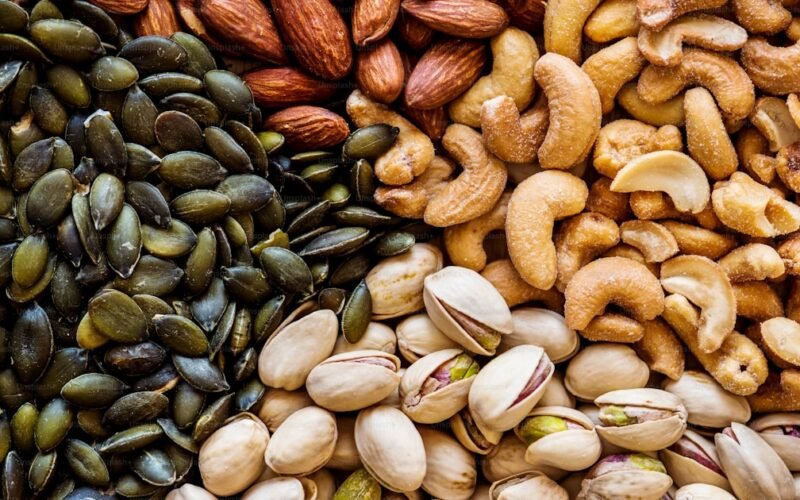
- Why they work: Almonds, walnuts, chia seeds, flaxseeds, and pumpkin seeds are excellent sources of healthy fats, protein, and fiber. They offer a powerful combination for satiety and provide essential micronutrients. However, their calorie density demands strict portion control.
- How to eat them: A small handful as a snack, sprinkled over salads or yogurt, or blended into smoothies.
- Examples: Almonds, walnuts, chia seeds, flaxseeds, pumpkin seeds.
Olive Oil
- Why it works: Extra virgin olive oil is rich in monounsaturated fats and antioxidants, known for their heart-healthy benefits. When used in moderation, it can enhance the flavor of food and help with the absorption of fat-soluble vitamins.
- How to use it: As a dressing for salads, for light sautéing, or drizzled over cooked vegetables.
- Examples: Extra virgin olive oil.
Fruits: Nature’s Sweet Treat (with a caveat)
Fruits offer vitamins, minerals, antioxidants, and fiber. While beneficial, their natural sugar content (fructose) means they should be consumed in moderation, especially when rapid weight loss is the goal. Focus on berries and lower-sugar options.
Berries
- Why they work: Blueberries, strawberries, raspberries, and blackberries are low in calories and sugar compared to many other fruits, but incredibly high in fiber and antioxidants. Their fiber content helps with satiety.
- How to eat them: As a snack, added to Greek yogurt or oatmeal, or in smoothies.
- Examples: Blueberries, strawberries, raspberries, blackberries.
Apples and Citrus Fruits
- Why they work: Apples are high in fiber, particularly pectin, which can promote fullness. Citrus fruits like oranges and grapefruits are rich in Vitamin C and have a relatively low calorie count.
- How to eat them: Whole as a snack.
- Examples: Apples, oranges, grapefruits.
Hydration Heroes: Water, Green Tea, and Coffee
Often overlooked, proper hydration is absolutely critical for rapid weight loss. Water and certain beverages can enhance metabolism, reduce appetite, and support overall bodily functions.
Water
- Why it works: Drinking plenty of water can boost metabolism, help you feel full, and prevent you from mistaking thirst for hunger. It’s essential for all metabolic processes, including fat burning.
- How to drink it: Aim for at least 8 glasses (2 liters) daily, more if you’re active. Drink a glass before meals to aid satiety.
- Examples: Plain water, sparkling water (unsweetened).
Green Tea
- Why it works: Green tea contains catechins, particularly epigallocatechin gallate (EGCG), and caffeine, both of which have been shown to boost metabolism and increase fat burning. It also has antioxidant benefits.
- How to drink it: Brewed, unsweetened.
- Examples: Hot or iced green tea.
Black Coffee (in moderation)
- Why it works: Caffeine in black coffee can temporarily boost metabolism and improve fat burning. It can also act as an appetite suppressant for some individuals. Avoid adding sugar, cream, or caloric sweeteners.
- How to drink it: Black, unsweetened.
- Examples: Brewed black coffee.
Dairy and Dairy Alternatives (Optional)
For those who tolerate dairy, certain products can be beneficial due to their protein and calcium content.
Greek Yogurt and Cottage Cheese
- Why they work: Both are high in protein, which helps with satiety and muscle preservation. Greek yogurt also contains probiotics beneficial for gut health, which can indirectly support weight management. Opt for plain, unsweetened varieties.
- How to eat them: As a snack, for breakfast, or as a base for dips.
- Examples: Plain Greek yogurt, low-fat cottage cheese.
Unsweetened Plant Milks
- Why they work: If you avoid dairy, unsweetened almond milk, soy milk, or oat milk can be good low-calorie alternatives for smoothies, coffee, or cereal. Check labels to ensure no added sugars.
- Examples: Unsweetened almond milk, unsweetened soy milk.
Foods to Limit or Avoid for Rapid Weight Loss
Just as important as knowing what to eat is knowing what to avoid. These foods often contribute to calorie surplus, inflammation, and blood sugar spikes, hindering your rapid weight loss efforts.
- Sugary Drinks: Sodas, fruit juices (even 100% fruit juice), sweetened teas, and energy drinks are liquid calories that don’t provide satiety and can quickly add up.
- Refined Grains: White bread, white pasta, white rice, pastries, and most breakfast cereals lack fiber and nutrients, leading to rapid blood sugar spikes and subsequent crashes, fueling hunger.
- Processed Snacks: Chips, cookies, cakes, and candy are typically high in unhealthy fats, sugar, and refined carbohydrates, offering little nutritional value and high calorie counts.
- Deep-Fried Foods: Fried chicken, French fries, and doughnuts are loaded with unhealthy trans and saturated fats, significantly increasing calorie intake.
- Excessive Unhealthy Fats: While healthy fats are good, excessive amounts of butter, certain cooking oils (like highly processed vegetable oils), and fatty cuts of meat can quickly lead to a calorie surplus.
- Alcohol: Contains empty calories, can impair judgment leading to poor food choices, and may hinder fat metabolism.
Strategies for Rapid Weight Loss: Beyond Just What You Eat
Knowing the best foods is only half the battle. Implementing them effectively into your daily routine is where the real transformation happens. Here are strategies to maximize your rapid weight loss with these foods.
Mastering Meal Planning and Preparation
One of the most powerful tools for rapid weight loss is meal planning and preparation, often called “meal prep.”
- Weekly Planning: Dedicate time each week to plan all your meals and snacks. This includes breakfast, lunch, dinner, and any planned snacks. Base your plan around the protein-rich, fiber-filled foods discussed above.
- Grocery Shopping List: Create a detailed grocery list based on your meal plan. Stick to the list to avoid impulse buys of unhealthy items.
- Batch Cooking: Cook larger quantities of protein (e.g., grilled chicken, baked salmon), whole grains (e.g., quinoa, brown rice), and roasted vegetables at the beginning of the week. This makes assembling quick, healthy meals effortless during busy weekdays.
- Portioning: Pre-portion your cooked meals into containers for easy grab-and-go options. This prevents overeating and ensures you’re adhering to your calorie targets.
Portion Control: The Silent Architect of Weight Loss
Even the healthiest foods can lead to weight gain if consumed in excessive quantities. Rapid weight loss hinges on creating a calorie deficit, and portion control is paramount.
- Use Smaller Plates: A simple psychological trick, smaller plates can make your portions look larger, leading to greater satisfaction.
- Measure and Weigh: Especially in the beginning, use measuring cups and a food scale to accurately gauge portions of calorie-dense foods like nuts, seeds, healthy oils, and whole grains.
- Visual Cues: Learn to estimate portion sizes using visual cues:
- Protein (e.g., chicken, fish): Deck of cards (3-4 oz)
- Complex Carbs (e.g., quinoa, brown rice): Cupped hand (½ cup)
- Healthy Fats (e.g., nuts, avocado): Thumb-sized or small handful
- Non-Starchy Vegetables: As much as you want!
- Listen to Your Body: Eat slowly and pay attention to your body’s hunger and fullness cues. Stop eating when you’re satisfied, not stuffed.
Smart Snacking for Sustained Energy
Snacking can either derail or support your weight loss efforts. Choose smart, nutrient-dense snacks to keep hunger at bay and prevent overeating at main meals.
- Protein-Rich Snacks: Hard-boiled eggs, Greek yogurt, cottage cheese, a small handful of almonds, turkey jerky.
- Fiber-Filled Snacks: Apple slices with a tablespoon of nut butter, carrot sticks with hummus, berries, a small salad.
- Hydrating Snacks: Cucumber slices, celery sticks.
Hydration Throughout the Day
We’ve already highlighted water’s importance, but let’s reinforce its role in daily strategy.
- Start Your Day with Water: Drink a large glass of water immediately after waking up to rehydrate and kickstart your metabolism.
- Water Before Meals: Consume a glass of water 15-30 minutes before each meal. This can help you feel fuller and reduce overall food intake.
- Carry a Water Bottle: Keep a reusable water bottle with you to ensure continuous hydration throughout the day.
Mindful Eating Practices
How you eat is almost as important as what you eat.
- Eat Slowly: It takes about 20 minutes for your brain to register fullness. Eating slowly allows this signal to catch up, preventing overeating.
- Eliminate Distractions: Avoid eating in front of screens (TV, phone, computer). Focus on your food – its taste, texture, and smell.
- Chew Thoroughly: Digestion begins in the mouth. Thorough chewing aids digestion and can help you feel more satisfied.
Sample Rapid Weight Loss Meal Plan (1-Day Example)
Here’s an example of how you might structure a day of eating for rapid weight loss using the recommended foods. Remember to adjust portion sizes based on your individual caloric needs and activity level.
Breakfast: Power-Packed Start
- Option 1: Scrambled Eggs (2-3 whole eggs) with a generous serving of sautéed spinach and bell peppers.
- Option 2: Plain Greek Yogurt (1 cup) with a handful of mixed berries and 1 tablespoon of chia seeds (for added fiber and omega-3s).
- Beverage: Black coffee or green tea.
Lunch: Lean & Green
- Option 1: Large Salad with Grilled Chicken (4-5 oz). Mix of romaine lettuce, spinach, cucumber, tomatoes, bell peppers. Dress with a light vinaigrette made from olive oil and vinegar.
- Option 2: Tuna Salad (made with Greek yogurt instead of mayo) served over a bed of mixed greens or with celery sticks.
- Beverage: Water.
Snack (Mid-Afternoon): Hunger Buster
- Option 1: A small apple with a tablespoon of almond butter.
- Option 2: A handful of almonds or walnuts (about 10-12 nuts).
- Option 3: Cottage cheese (½ cup) with a few cherry tomatoes.
- Beverage: Water or unsweetened herbal tea.
Dinner: Balanced & Satisfying
- Option 1: Baked Salmon (4-5 oz) with a large side of steamed broccoli and roasted asparagus.
- Option 2: Lean Ground Turkey Stir-fry with a variety of non-starchy vegetables (broccoli, snap peas, carrots, bell peppers), seasoned with low-sodium soy sauce or tamari. Serve with a small portion (½ cup cooked) of brown rice or quinoa.
- Beveron: Water.
Beyond Food: Lifestyle Factors Supporting Rapid Weight Loss
While food is the cornerstone, other lifestyle elements significantly impact your ability to lose weight rapidly and sustainably.
- Adequate Sleep: Lack of sleep disrupts hunger hormones (ghrelin and leptin), leading to increased cravings and reduced satiety. Aim for 7-9 hours of quality sleep per night.
- Stress Management: Chronic stress elevates cortisol levels, which can promote fat storage, especially around the abdomen. Incorporate stress-reducing activities like meditation, yoga, deep breathing, or spending time in nature.
- Regular Physical Activity: Exercise burns calories, builds muscle (boosting metabolism), and improves overall health. Combine cardiovascular exercise with strength training for optimal results. Even a daily brisk walk makes a difference.
- Consistency and Patience: Rapid weight loss is exciting, but consistency is key. There will be plateaus and challenges. Stay patient, trust the process, and focus on long-term habit formation.
Common Pitfalls to Avoid on Your Rapid Weight Loss Journey
Even with the best intentions, mistakes can derail progress. Be aware of these common pitfalls:
- Extreme Restriction/Crash Dieting: While rapid weight loss is the goal, excessively low-calorie diets are unsustainable, can lead to nutrient deficiencies, muscle loss, and often result in rebound weight gain. Focus on nutrient-dense foods, not starvation.
- Ignoring Hunger Cues: If you’re genuinely hungry, eat. Choosing a healthy, protein- and fiber-rich snack is better than letting hunger build to the point of overeating at your next meal.
- Not Eating Enough Protein: Insufficient protein leads to muscle loss, a slower metabolism, and constant hunger. Prioritize protein at every meal.
- Neglecting Fiber: Without enough fiber from vegetables, fruits, and whole grains, you’ll struggle with satiety and digestive health.
- Underestimating Liquid Calories: Sugary drinks, fancy coffee concoctions, and alcohol can add hundreds of empty calories without contributing to fullness. Stick to water, unsweetened tea, or black coffee.
- Lack of Planning: “Failing to plan is planning to fail.” Without a clear meal plan and some preparation, you’re more likely to make poor food choices when hunger strikes or time is short.
- Emotional Eating: Using food to cope with stress, boredom, or sadness is a significant barrier to weight loss. Develop healthier coping mechanisms.
- Giving Up After a Slip-Up: One unhealthy meal or snack doesn’t ruin your progress. Acknowledge it, learn from it, and get right back on track with your next meal. Consistency over perfection is the goal.
Sustainability and Long-Term Success
Rapid weight loss can be an incredible motivator and a fantastic kickstart to a healthier lifestyle. However, the ultimate goal isn’t just to lose weight quickly, but to keep it off and maintain a healthy body composition for life. The foods and strategies outlined in this guide are not merely for short-term fixes; they are foundational principles for sustainable, healthy eating.
- Build Habits: Focus on building consistent habits around healthy food choices, meal planning, and mindful eating. These habits will serve you long after you’ve reached your initial weight loss goal.
- Educate Yourself: Continue to learn about nutrition and how different foods affect your body. The more you understand, the more empowered you’ll be to make informed choices.
- Listen to Your Body: Your body’s needs may change over time. Learn to interpret its signals regarding hunger, fullness, and energy levels.
- Flexibility: While consistency is vital, occasional flexibility is also important for long-term adherence. Enjoy a treat or a meal out without guilt, then return to your healthy routine.
- Seek Support: Share your journey with friends, family, or an online community. Accountability and support can make a significant difference. Consider working with a nutritionist or dietitian for personalized guidance.
Conclusion: Empower Your Rapid Weight Loss Journey
Achieving rapid weight loss doesn’t have to mean deprivation or unhealthy extremes. By focusing on a strategic selection of nutrient-dense, high-protein, and high-fiber foods, you can create a sustainable path to a leaner, healthier you. From lean meats and vibrant vegetables to smart carbohydrates and healthy fats, your plate can become a powerful tool for transforming your body and boosting your overall well-being.
Remember, rapid weight loss is a powerful beginning, but sustainable habits are the key to lasting success. Implement these food choices, master your meal planning, practice portion control, and embrace supportive lifestyle factors. Empower yourself with knowledge, make intentional choices, and watch as GetLeanPulse.com helps you unlock your full potential for rapid, healthy, and lasting weight loss. Start today – your body will thank you.
Photo by Роман Нагаевский on Pexels