Boost Your Metabolism Naturally: The Ultimate Food Guide
In the quest for a healthier, more energetic body, few concepts are as central and often misunderstood as metabolism. At GetLeanPulse.com, we believe in empowering you with knowledge that transforms your health journey. Today, we’re diving deep into a topic that can profoundly impact your weight management and overall vitality: foods that boost metabolism naturally.
Imagine your body as a sophisticated engine. Metabolism is the sum of all chemical processes that keep that engine running – from converting food into energy to building and repairing cells. A “fast” metabolism means your engine is burning fuel more efficiently, even at rest. While genetics play a role, the good news is that you have significant control over your metabolic rate through strategic dietary choices and lifestyle habits. Forget fad diets and quick fixes; the path to a robust metabolism is paved with nutrient-dense, whole foods.
This comprehensive guide will explore the science behind metabolism, unveil the specific foods that act as natural metabolic boosters, and provide practical ways to incorporate them into your daily life. Prepare to transform your plate into a powerful tool for health and sustainable weight management.
Understanding Your Metabolism: The Engine Within
Before we explore the foods, let’s clarify what metabolism truly entails. Your total daily energy expenditure (TDEE) is comprised of several components:
- Basal Metabolic Rate (BMR): This is the number of calories your body burns at rest to maintain basic life functions – breathing, circulation, cell production, etc. It accounts for 60-75% of your TDEE. Muscle mass is a significant driver of BMR; more muscle means a higher BMR.
- Thermic Effect of Food (TEF): Also known as diet-induced thermogenesis, this is the energy your body uses to digest, absorb, transport, metabolize, and store food. TEF accounts for about 10% of your TDEE. Different macronutrients have varying TEFs, with protein having the highest.
- Non-Exercise Activity Thermogenesis (NEAT): This includes all the calories burned from activities that aren’t formal exercise – fidgeting, standing, walking to the kitchen, typing, etc.
- Exercise Activity Thermogenesis (EAT): The calories burned during structured physical activity.
When we talk about foods that boost metabolism, we are primarily focusing on increasing your TEF and indirectly supporting your BMR by providing nutrients essential for muscle maintenance and overall cellular function. By making smart food choices, you can subtly but significantly nudge your body into a more efficient fat-burning state.
The Core Principles of Metabolic-Boosting Foods
Certain characteristics make foods particularly effective at stoking your metabolic fire:
- High Thermic Effect: Foods that require more energy to digest and process. Protein is the king here.
- Rich in Specific Nutrients: Vitamins, minerals, and phytonutrients that support thyroid function, energy production, and fat oxidation.
- Thermogenic Compounds: Natural compounds that can temporarily increase calorie expenditure and fat burning.
- Fiber-Rich: Promotes satiety, stabilizes blood sugar, and supports a healthy gut microbiome, all of which indirectly benefit metabolism.
- Hydrating: Water is essential for every metabolic process in the body.
Let’s dive into the specific foods that embody these principles and how they can supercharge your metabolism.
Category 1: Protein Powerhouses – Build, Burn, & Sustain
Protein is arguably the most critical macronutrient for metabolism. It has the highest thermic effect of food (TEF), meaning your body burns more calories digesting protein than it does fats or carbohydrates. Moreover, protein is essential for building and maintaining lean muscle mass, which directly boosts your basal metabolic rate (BMR).
1. Lean Meats (Chicken Breast, Turkey, Lean Beef)
Lean meats are packed with high-quality protein and essential amino acids. Chicken breast and turkey are particularly low in fat, making them excellent choices for those focusing on lean protein intake. Lean beef also offers iron, which is crucial for carrying oxygen to cells and supporting energy production.
- How they boost metabolism: High TEF (20-30% of calories from protein are burned during digestion), supports muscle synthesis.
- How to incorporate: Grilled chicken in salads, turkey stir-fries, lean beef chili, baked chicken breast with vegetables.
2. Fish (Salmon, Tuna, Cod)
Beyond being excellent sources of protein, fatty fish like salmon and tuna are rich in omega-3 fatty acids. These healthy fats have anti-inflammatory properties and may help improve insulin sensitivity, both of which are beneficial for metabolic health. Cod and other white fish provide lean protein without much fat.
- How they boost metabolism: High protein TEF, omega-3s may support fat metabolism and reduce inflammation.
- How to incorporate: Baked salmon, tuna salad (use Greek yogurt instead of mayo for added protein), grilled cod with lemon.
3. Eggs
Often called nature’s multivitamin, eggs are a complete protein source, meaning they contain all nine essential amino acids. Eating eggs, especially for breakfast, has been linked to increased satiety and reduced calorie intake later in the day, contributing to weight management.
- How they boost metabolism: High protein content, choline (supports liver function and fat metabolism), B vitamins for energy production.
- How to incorporate: Scrambled eggs, omelets, hard-boiled eggs as snacks, poached eggs on avocado toast.
4. Legumes (Lentils, Beans, Chickpeas)
For plant-based eaters and everyone else, legumes are nutritional powerhouses. They offer a fantastic combination of protein and fiber, both of which are crucial for metabolic health and satiety. The resistant starch in some legumes can also feed beneficial gut bacteria, further promoting overall health.
- How they boost metabolism: High protein and fiber content, complex carbohydrates for sustained energy, gut health benefits.
- How to incorporate: Lentil soup, bean chili, chickpea salads, hummus, black bean burgers.
5. Dairy (Greek Yogurt, Cottage Cheese)
Greek yogurt and cottage cheese are outstanding sources of casein and whey protein, both of which are slowly digested, providing a sustained release of amino acids. They also contain calcium, which some research suggests may play a role in fat metabolism.
- How they boost metabolism: High protein TEF, calcium for potential fat metabolism support, probiotics in yogurt for gut health.
- How to incorporate: Greek yogurt with berries and nuts, cottage cheese as a snack, in smoothies, or as a savory spread.
6. Quinoa
While often treated as a grain, quinoa is botanically a seed and is unique for being a complete protein source among plant foods. It’s also rich in fiber, iron, and magnesium, all vital for energy production and metabolic function.
- How it boosts metabolism: Complete protein, high fiber content, essential minerals for metabolic processes.
- How to incorporate: As a side dish instead of rice, in salads, for breakfast porridge, or as a base for grain bowls.

Category 2: Spice It Up! – Thermogenic Boosters
Certain spices and compounds found in plants have a unique ability to trigger thermogenesis – a process where your body produces heat and burns calories. Incorporating these into your meals can give your metabolism a gentle, natural nudge.
7. Chili Peppers (Capsaicin)
The fiery kick in chili peppers comes from capsaicin, a compound that has been extensively studied for its thermogenic properties. Capsaicin can temporarily increase your body temperature, leading to a slight increase in calorie burning. It may also help reduce appetite.
- How they boost metabolism: Capsaicin increases thermogenesis and fat oxidation, potentially reduces appetite.
- How to incorporate: Add fresh or dried chili peppers to stir-fries, curries, soups, eggs, or even hot chocolate for a spicy twist.
8. Ginger
Ginger is a popular spice known for its anti-inflammatory and digestive benefits. Research suggests that gingerols, the active compounds in ginger, may have thermogenic properties and can help improve satiety, leading to reduced calorie intake.
- How it boosts metabolism: Gingerols may increase thermogenesis and satiety.
- How to incorporate: Fresh ginger in teas, stir-fries, smoothies, dressings, or grated into soups.
9. Turmeric
This vibrant yellow spice contains curcumin, a powerful antioxidant and anti-inflammatory compound. While more research is needed on its direct metabolic boosting effects, curcumin’s ability to reduce inflammation and oxidative stress can support overall cellular health, which is foundational for efficient metabolism.
- How it boosts metabolism: Curcumin supports overall cellular health and reduces inflammation, indirectly benefiting metabolism.
- How to incorporate: In curries, golden milk lattes, roasted vegetables, or as a seasoning for eggs and rice.
10. Cinnamon
Beyond its warm flavor, cinnamon has been studied for its potential to improve blood sugar control and insulin sensitivity. Stable blood sugar levels are crucial for preventing fat storage and maintaining consistent energy, which indirectly supports a healthy metabolism.
- How it boosts metabolism: May improve insulin sensitivity and blood sugar control, preventing fat storage spikes.
- How to incorporate: Sprinkle on oatmeal, yogurt, fruit, coffee, or add to baked goods and savory dishes like stews.
11. Black Pepper (Piperine)
The active compound in black pepper, piperine, is not only responsible for its distinct flavor but also has mild thermogenic properties. Interestingly, piperine is also known to enhance the bioavailability of other nutrients, including curcumin from turmeric, making them more effective.
- How it boosts metabolism: Piperine has mild thermogenic effects and enhances nutrient absorption.
- How to incorporate: Universally used as a seasoning; always pair with turmeric to enhance curcumin absorption.
Category 3: Green Gold & Tea Power – Natural Stimulants & Antioxidants
Certain beverages are celebrated for their ability to provide a metabolic kick, thanks to their unique blend of compounds.
12. Green Tea
Green tea is a superstar when it comes to metabolic health. It contains catechins, particularly epigallocatechin gallate (EGCG), and caffeine. EGCG and caffeine work synergistically to increase thermogenesis and fat oxidation. Studies have shown that regular green tea consumption can slightly increase calorie expenditure and promote fat burning, especially during exercise.
- How it boosts metabolism: EGCG and caffeine increase thermogenesis and fat oxidation.
- How to incorporate: Drink 2-3 cups daily, hot or iced. Matcha green tea offers an even more concentrated dose of beneficial compounds.
13. Coffee
The world’s most popular stimulant, coffee, owes its metabolic benefits to caffeine. Caffeine is a central nervous system stimulant that can temporarily increase your metabolic rate by stimulating the nervous system and promoting the release of adrenaline, which signals fat cells to break down fat. It can also enhance exercise performance and increase fat burning during physical activity.
- How it boosts metabolism: Caffeine temporarily increases metabolic rate, fat breakdown, and exercise performance.
- How to incorporate: Enjoy a cup or two of black coffee daily. Avoid excessive sugar and cream, which can negate its benefits.
Category 4: Fiber-Rich & Gut-Friendly – Digestive Harmony
Fiber is often overlooked in discussions about metabolism, but its role is profound. It promotes satiety, stabilizes blood sugar, and feeds beneficial gut bacteria, all of which are critical for a well-functioning metabolism and sustainable weight management.
14. Whole Grains (Oats, Brown Rice, Barley)
Unlike refined grains, whole grains retain their bran, germ, and endosperm, providing a rich source of fiber and complex carbohydrates. They are digested slowly, preventing blood sugar spikes and crashes, which helps maintain stable energy levels and reduces cravings. The fiber also contributes to a healthy gut microbiome.
- How they boost metabolism: High fiber content for satiety and blood sugar control, resistant starch for gut health, provide sustained energy.
- How to incorporate: Oatmeal for breakfast, brown rice as a side, barley in soups, whole-grain bread and pasta.
15. Berries (Blueberries, Raspberries, Strawberries)
These vibrant fruits are low in calories, high in fiber, and packed with antioxidants. Their fiber content helps slow sugar absorption, preventing insulin spikes. The antioxidants protect cells from damage, supporting overall metabolic health.
- How they boost metabolism: High fiber for blood sugar control and satiety, antioxidants for cellular health.
- How to incorporate: Add to oatmeal, yogurt, smoothies, salads, or eat as a snack.
16. Apples
An apple a day might do more than keep the doctor away; it could also help your metabolism. Apples are rich in fiber, particularly pectin, which helps promote satiety and stabilize blood sugar. They also contain polyphenols that may have antioxidant and anti-inflammatory effects.
- How they boost metabolism: High fiber (pectin) for satiety and blood sugar regulation.
- How to incorporate: Eat whole as a snack, slice into salads, bake with cinnamon.
17. Leafy Greens (Spinach, Kale, Swiss Chard)
These nutritional powerhouses are incredibly low in calories but dense in vitamins, minerals (like iron and magnesium, vital for energy production), and fiber. They provide bulk without excess calories, promoting satiety and ensuring your body has the micronutrients it needs for optimal metabolic function.
- How they boost metabolism: Rich in essential vitamins and minerals for energy metabolism, high fiber for satiety, low calorie density.
- How to incorporate: In smoothies, salads, stir-fries, sautéed as a side dish, or added to soups and stews.
18. Cruciferous Vegetables (Broccoli, Cauliflower, Brussels Sprouts)
Like leafy greens, cruciferous vegetables are packed with fiber and a wide array of vitamins and minerals. They also contain unique compounds like sulforaphane, which supports detoxification pathways in the body. A body efficiently clearing toxins is better equipped for optimal metabolic function.
- How they boost metabolism: High fiber, rich in essential nutrients, compounds supporting detoxification.
- How to incorporate: Roasted, steamed, stir-fried, added to curries or casseroles.

Category 5: Essential Healthy Fats – Hormonal Balance & Satiety
While excess fat can be detrimental, incorporating healthy fats in moderation is crucial for metabolic health. They play a vital role in hormone production, satiety, and the absorption of fat-soluble vitamins.
19. Avocado
Avocados are a unique fruit, rich in monounsaturated fatty acids (MUFAs), which are known for their heart-healthy benefits. They also contain a good amount of fiber and various vitamins and minerals. The healthy fats and fiber contribute to prolonged satiety, reducing the likelihood of overeating.
- How it boosts metabolism: MUFAs for hormonal balance, fiber for satiety, supports absorption of fat-soluble vitamins.
- How to incorporate: Sliced in salads, on toast, in smoothies, or as a base for guacamole.
20. Nuts & Seeds (Almonds, Walnuts, Chia Seeds, Flax Seeds)
These tiny powerhouses are excellent sources of healthy fats, protein, and fiber. Almonds and walnuts provide omega-3s (in walnuts), while chia and flax seeds are renowned for their omega-3 content and soluble fiber. The combination of fat, protein, and fiber makes them incredibly satiating, helping to control appetite and prevent energy crashes.
- How they boost metabolism: Healthy fats for hormonal balance, protein and fiber for satiety, omega-3s for anti-inflammatory benefits.
- How to incorporate: As a snack, sprinkled on yogurt or oatmeal, in smoothies, or ground into flours for baking.
21. Olive Oil
Extra virgin olive oil (EVOO) is a cornerstone of the Mediterranean diet and a fantastic source of monounsaturated fats and antioxidants. It can help reduce inflammation and improve insulin sensitivity, both of which are beneficial for a healthy metabolism. Using it in cooking or as a dressing ensures you get its benefits without excess processing.
- How it boosts metabolism: MUFAs for heart health and hormonal balance, anti-inflammatory properties, supports nutrient absorption.
- How to incorporate: As a dressing for salads, for sautéing vegetables, drizzled over finished dishes.
Category 6: The Hydration Hero – Water
It might not be a “food,” but water is arguably the most essential element for metabolic function. Every single metabolic process in your body requires water. Dehydration can slow down your metabolism significantly.
22. Water
Drinking enough water supports optimal cellular function, helps transport nutrients, and aids in waste elimination. Some studies suggest that drinking cold water can even cause a slight increase in metabolism as your body expends energy to warm it up. It also helps you feel full, reducing overall calorie intake.
- How it boosts metabolism: Essential for all metabolic processes, aids nutrient transport, slight thermogenic effect when cold, promotes satiety.
- How to incorporate: Aim for at least 8 glasses (around 2 liters) per day, more if you’re active. Carry a water bottle, set reminders.
Other Notable Metabolism Boosters
23. Apple Cider Vinegar (ACV)
While not a direct metabolism booster in the way protein is, apple cider vinegar has been shown to help improve insulin sensitivity and reduce blood sugar spikes after meals. Stable blood sugar is key to preventing fat storage and maintaining energy levels, which supports metabolic health.
- How it supports metabolism: Improves insulin sensitivity, reduces post-meal blood sugar spikes.
- How to incorporate: Dilute 1-2 tablespoons in water before meals, use in salad dressings.
24. Grapefruit
The “grapefruit diet” might be a myth, but the fruit itself does have some metabolic benefits. It’s high in vitamin C and fiber, and some research suggests that compounds in grapefruit may help with insulin resistance and weight management. Naringenin, a flavonoid in grapefruit, has been studied for its potential effects on fat metabolism.
- How it supports metabolism: High in fiber and vitamin C, potential for improving insulin sensitivity.
- How to incorporate: Eat half a grapefruit before meals, add to salads. (Caution: can interact with certain medications).
25. Seaweed
Seaweed is a rich source of iodine, a mineral crucial for thyroid hormone production. Your thyroid gland plays a central role in regulating metabolism. An underactive thyroid can lead to a sluggish metabolism, so ensuring adequate iodine intake is essential.
- How it boosts metabolism: Provides iodine, essential for healthy thyroid function and metabolic rate.
- How to incorporate: In sushi, seaweed salads, or as a snack (e.g., roasted seaweed sheets).
Beyond Food: Complementary Strategies for a Firing Metabolism
While food is a powerful tool, a truly optimized metabolism is the result of a holistic approach. Incorporating these lifestyle habits will amplify the benefits of your metabolic-boosting diet:
- Strength Training: This is non-negotiable. Muscle tissue is metabolically more active than fat tissue, meaning it burns more calories even at rest. Building and maintaining muscle mass directly increases your BMR. Aim for 2-3 strength training sessions per week.
- Adequate Sleep: Chronic sleep deprivation disrupts hormones that regulate appetite (ghrelin and leptin) and can lead to increased cortisol (stress hormone), all of which can slow metabolism and promote fat storage. Aim for 7-9 hours of quality sleep per night.
- Stress Management: Chronic stress elevates cortisol levels, which can lead to increased abdominal fat storage and insulin resistance. Practice stress-reducing techniques like meditation, yoga, deep breathing, or spending time in nature.
- Consistent Hydration: As mentioned, water is vital. Don’t wait until you’re thirsty; sip water throughout the day.
- Don’t Skip Meals: Skipping meals can signal your body to conserve energy, potentially slowing your metabolism. Eating regular, balanced meals helps keep your metabolic fire burning steadily.
- High-Intensity Interval Training (HIIT): While not food, bursts of intense exercise followed by short recovery periods can create an “afterburn effect” (EPOC – Excess Post-exercise Oxygen Consumption), where your body continues to burn calories at an elevated rate for hours after your workout.
Putting It All Together: A Metabolic-Boosting Meal Plan (Examples)
Here’s how you can combine these foods into delicious, metabolism-boosting meals:
Breakfast Ideas:
- Option 1: Oatmeal with Berries, Nuts, and Cinnamon. Cook rolled oats with water or unsweetened almond milk, stir in a scoop of protein powder, top with fresh berries (blueberries, raspberries), a sprinkle of chopped walnuts or almonds, and a dash of cinnamon.
- Option 2: Scrambled Eggs with Spinach and Chili Flakes. Scramble 2-3 eggs with a handful of fresh spinach, a pinch of red chili flakes, and a side of avocado.
- Option 3: Greek Yogurt Parfait. Layer plain Greek yogurt with mixed berries, a handful of chia seeds, and a sprinkle of chopped pecans.
Lunch Ideas:
- Option 1: Salmon and Quinoa Salad. Grilled salmon (rich in omega-3s and protein) served over a bed of mixed greens, quinoa, cherry tomatoes, cucumber, and a lemon-tahini dressing made with olive oil.
- Option 2: Lentil Soup with Whole-Grain Bread. A hearty lentil soup packed with vegetables (carrots, celery, spinach) and spices (ginger, turmeric) served with a slice of whole-grain bread.
- Option 3: Chicken and Veggie Stir-Fry. Lean chicken breast stir-fried with broccoli, bell peppers, snow peas, and a sauce made with low-sodium soy sauce, ginger, and a dash of red pepper flakes, served with a small portion of brown rice.
Dinner Ideas:
- Option 1: Baked Cod with Roasted Brussels Sprouts. Seasoned cod fillet baked until flaky, served with roasted Brussels sprouts (tossed in olive oil and black pepper) and a side of sweet potato.
- Option 2: Lean Beef Chili. Make a robust chili with lean ground beef, kidney beans, black beans, tomatoes, onions, and plenty of chili powder, cumin, and a pinch of cayenne pepper. Top with a dollop of Greek yogurt.
- Option 3: Chickpea and Vegetable Curry. A fragrant curry with chickpeas, kale, cauliflower, and other vegetables cooked in a light coconut milk base with turmeric, ginger, and curry powder. Serve with a small portion of brown rice.
Snack Ideas:
- Hard-boiled eggs
- A handful of almonds or walnuts
- Apple slices with a tablespoon of natural peanut butter
- Greek yogurt
- Vegetable sticks (carrots, celery, bell peppers) with hummus
- A cup of green tea
Common Mistakes to Avoid on Your Metabolic Journey
While adopting metabolism-boosting foods is fantastic, it’s equally important to avoid pitfalls that can hinder your progress:
- Relying Solely on “Magic Foods”: No single food is a miracle cure. Metabolism boosting is about the synergy of a balanced diet and healthy lifestyle.
- Neglecting Overall Diet Quality: Eating metabolism-boosting foods while regularly consuming highly processed foods, excessive sugar, and unhealthy fats will undermine your efforts. Focus on whole, unprocessed foods primarily.
- Ignoring Other Lifestyle Factors: As discussed, sleep, stress, and exercise are just as crucial as diet. A holistic approach yields the best results.
- Under-eating: Severely restricting calories can put your body into “starvation mode,” causing your metabolism to slow down to conserve energy. Focus on nutrient density and satiety, not just calorie restriction.
- Expecting Instant Results: Boosting your metabolism naturally is a gradual process. Be patient and consistent with your efforts. Sustainable change takes time.
Conclusion: Fueling Your Body for Lasting Health
Boosting your metabolism naturally isn’t about chasing fleeting trends or relying on supplements. It’s about making informed, sustainable choices that nourish your body from the inside out. By prioritizing protein, incorporating thermogenic spices, embracing fiber-rich whole foods, and staying adequately hydrated, you equip your body with the tools it needs to burn fuel more efficiently, manage weight effectively, and feel more energetic.
Remember that every bite is an opportunity to fuel your internal engine. At GetLeanPulse.com, we encourage you to experiment with these foods, find what works best for your palate and lifestyle, and integrate them into a balanced, wholesome diet. Combine these dietary strategies with consistent exercise, quality sleep, and stress management, and you’ll be well on your way to unlocking your body’s full metabolic potential. Embrace this journey, listen to your body, and celebrate every step towards a leaner, healthier, and more vibrant you.
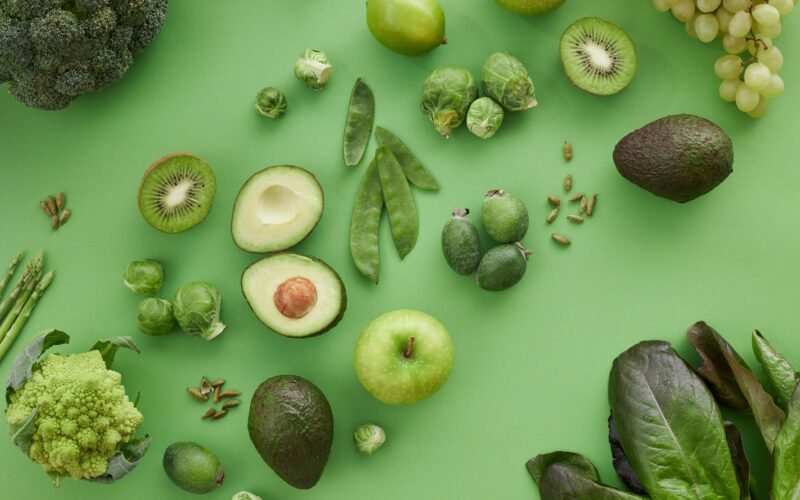
Photo by Cristian Mihaila on Pexels