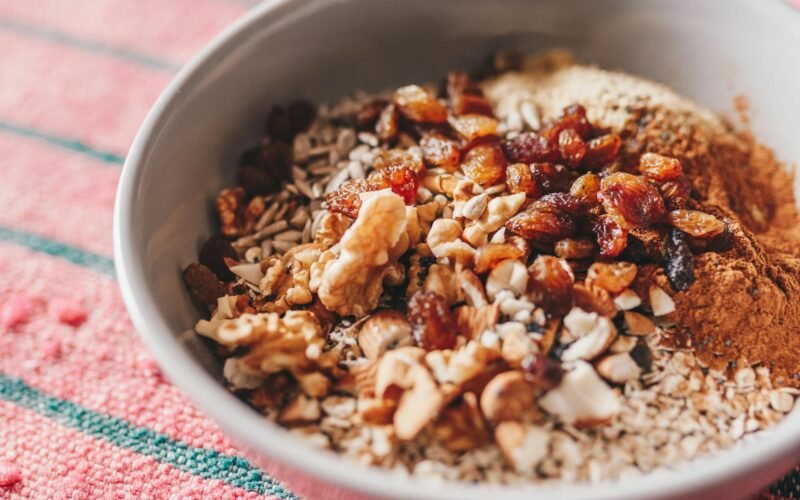
Foods That Boost Metabolism Naturally: Your Guide to a Faster Fat-Burning Engine
In the pursuit of a healthier, leaner physique, many of us focus intently on calorie restriction and strenuous workouts. While these are undoubtedly crucial components, there’s a powerful, often overlooked ally in your corner: your metabolism. Think of your metabolism as your body’s internal engine, constantly burning calories to fuel every process, from breathing and thinking to digesting food and exercising. A sluggish metabolism can make weight management feel like an uphill battle, while a well-tuned, efficient metabolic engine can significantly support your fitness goals, enhance energy levels, and improve overall vitality.
At GetLeanPulse.com, we believe in empowering you with sustainable, natural strategies for health and wellness. This comprehensive guide will dive deep into the fascinating world of metabolism, revealing how specific foods can act as natural accelerators, helping you burn more calories around the clock. Forget about fad diets and questionable supplements; the secret to boosting your metabolism lies in harnessing the power of nature’s pantry. We’ll explore the science behind these metabolism-boosting foods, provide actionable tips for incorporating them into your daily diet, and empower you to build a resilient, efficient metabolism that works for you, not against you.
Understanding Your Metabolism: More Than Just Calorie Burning
Before we explore the foods, let’s demystify metabolism. It’s not a single process but a complex network of chemical reactions that occur continuously inside your body to sustain life. These reactions are categorized into two main types:
- Catabolism: The breakdown of complex molecules into simpler ones, releasing energy (e.g., digesting food).
- Anabolism: The building up of complex molecules from simpler ones, requiring energy (e.g., building muscle).
The rate at which your body performs these processes is known as your metabolic rate. Several factors influence your metabolic rate, including age, gender, genetics, body composition (muscle vs. fat), and activity level. When people talk about “boosting metabolism,” they are generally referring to increasing the rate at which their body burns calories. This calorie burn can be broken down into three main components:
- Basal Metabolic Rate (BMR): This is the number of calories your body burns at rest to maintain basic life functions like breathing, circulation, cell production, and hormone regulation. It accounts for about 60-75% of your total daily calorie expenditure.
- Thermic Effect of Food (TEF): Also known as diet-induced thermogenesis, this is the energy your body expends to digest, absorb, transport, and store the nutrients from the food you eat. While it might seem minor, TEF accounts for about 10% of your total daily calorie burn, and it’s where metabolism-boosting foods play a significant role.
- Activity Energy Expenditure (AEE): This includes calories burned during physical activity, both structured exercise (Exercise Activity Thermogenesis – EAT) and non-exercise activities like fidgeting, walking, or standing (Non-Exercise Activity Thermogenesis – NEAT). AEE can vary widely, from 15-30% of your total daily calorie expenditure, depending on your lifestyle.
Our focus today is primarily on how food influences TEF and, indirectly, other metabolic processes. By strategically choosing certain foods, you can subtly but significantly nudge your metabolic rate upwards, making it easier to manage weight and feel more energetic.

The Power of Food: How Nutrition Influences Metabolism
The relationship between food and metabolism is profound. Every bite you take sends signals to your body, influencing hormone production, enzyme activity, and cellular function. Here’s how nutrition generally impacts your metabolic engine:
- Protein Power: Protein has the highest TEF compared to carbohydrates and fats. Your body expends significantly more energy to digest and metabolize protein, leading to a temporary increase in calorie burning. Moreover, adequate protein intake is crucial for preserving and building lean muscle mass, which is metabolically more active than fat tissue.
- Fiber Richness: Fiber, particularly soluble fiber, slows down digestion and nutrient absorption. This helps stabilize blood sugar levels, preventing energy crashes and promoting sustained energy release. A healthy gut microbiome, supported by fiber, also plays a crucial role in metabolic health.
- Healthy Fats: While often misunderstood, healthy fats are essential for hormone production, nutrient absorption, and satiety. Certain fats, like medium-chain triglycerides (MCTs) and omega-3s, have been shown to have unique metabolic benefits.
- Complex Carbohydrates: Unlike refined sugars that cause rapid blood sugar spikes and crashes, complex carbohydrates provide a steady release of energy. They are often paired with fiber, further enhancing their metabolic benefits.
- Micronutrient Density: Vitamins and minerals act as cofactors in countless metabolic reactions. Deficiencies in key nutrients like B vitamins, iron, magnesium, and iodine can impair metabolic function. Eating a wide variety of whole, unprocessed foods ensures you get these vital micronutrients.
- Hydration: Water is essential for every metabolic process in the body. Dehydration can slow down your metabolism, making it harder for your body to convert food into energy.
Now, let’s dive into the specific foods that exemplify these principles and can naturally boost your metabolism.
Top Metabolism-Boosting Foods to Add to Your Diet
Incorporating a variety of these foods into your daily meals can create a synergistic effect, optimizing your metabolic rate and supporting your overall health and fitness goals.
1. Protein Powerhouses
As mentioned, protein has the highest thermic effect. Eating enough protein is vital not only for TEF but also for preserving and building metabolically active muscle mass. Aim for a protein source with every meal.
- Lean Meats (Chicken Breast, Turkey, Lean Beef): These are excellent sources of high-quality protein. Chicken breast, for instance, offers a significant protein punch with minimal fat. Red meat, in moderation, also provides iron, which is crucial for oxygen transport and energy production. A deficiency in iron can lead to a sluggish metabolism.
- Fish (Salmon, Tuna, Cod): Fatty fish like salmon and tuna are not only rich in protein but also packed with omega-3 fatty acids. These healthy fats have anti-inflammatory properties and may help reduce insulin resistance, a condition that can hinder metabolism. Leaner fish like cod and tilapia provide ample protein with fewer calories.
- Eggs: Often called nature’s perfect food, eggs are an affordable and versatile source of complete protein, containing all nine essential amino acids. The choline found in egg yolks also supports liver function, which is crucial for detoxification and metabolic health.
- Legumes (Lentils, Beans, Chickpeas): For plant-based eaters or anyone looking to diversify their protein sources, legumes are a fantastic choice. They are rich in both protein and dietary fiber, offering a double whammy for metabolism. The fiber helps regulate blood sugar and promotes satiety, while the protein contributes to TEF.
- Dairy (Greek Yogurt, Cottage Cheese): These dairy products are high in protein, particularly casein and whey, which are slow-digesting proteins that provide a sustained feeling of fullness. Greek yogurt also contains probiotics, beneficial bacteria that support gut health, which is increasingly recognized as a key player in metabolic regulation.
- Tofu and Tempeh: Soy-based products like tofu and tempeh are complete plant proteins. Tempeh, being fermented, also offers probiotic benefits, further enhancing its metabolic advantages.
2. Spice It Up: Thermogenic Herbs & Spices
Certain spices contain compounds that can temporarily increase your body temperature and metabolic rate, a process known as thermogenesis. Incorporating these into your cooking is an easy and flavorful way to give your metabolism a gentle nudge.
- Chili Peppers (Capsaicin): The compound capsaicin, responsible for the heat in chili peppers (like cayenne, jalapeños, and habaneros), has been shown to increase metabolic rate and fat oxidation. It does this by activating certain receptors in the body, leading to a temporary boost in calorie burning. It may also help reduce appetite.
- Ginger: Often used for its digestive benefits, ginger also has thermogenic properties. Studies suggest that ginger can help increase TEF and reduce feelings of hunger, contributing to weight management.
- Turmeric (Curcumin): The active compound curcumin in turmeric is a powerful anti-inflammatory and antioxidant. While not a direct metabolism booster in the same way as capsaicin, its ability to reduce inflammation and improve insulin sensitivity can indirectly support a healthier metabolic state.
- Cinnamon: Beyond its delightful aroma, cinnamon has been linked to improved blood sugar control. It can enhance insulin sensitivity, which helps your body more efficiently use glucose for energy rather than storing it as fat. Stable blood sugar contributes to a more stable metabolism.
- Black Pepper (Piperine): Piperine, the active component in black pepper, not only gives it its pungent flavor but also has thermogenic properties. It’s also known to enhance the bioavailability of other nutrients and compounds, including curcumin from turmeric, making them more effective.
3. Hydration & Energy: Metabolism-Boosting Beverages
What you drink is just as important as what you eat. Certain beverages can significantly impact your metabolic rate and energy levels.
- Green Tea: Perhaps one of the most well-researched metabolism boosters. Green tea contains catechins, particularly epigallocatechin gallate (EGCG), and caffeine. EGCG works synergistically with caffeine to enhance fat oxidation and thermogenesis. Regular consumption of green tea has been shown to increase calorie expenditure, especially during exercise.
- Coffee: The caffeine in coffee is a well-known stimulant that can temporarily increase metabolic rate and enhance fat burning. It does this by stimulating the central nervous system, leading to increased energy expenditure. However, moderation is key, as excessive caffeine can lead to jitters and sleep disturbances.
- Water: This is arguably the most fundamental metabolism booster. Water is involved in every metabolic process, from nutrient transport to waste removal. Dehydration can slow down your metabolism by making these processes less efficient. Drinking enough water, especially cold water, can also slightly increase calorie expenditure as your body works to warm it up. Aim for at least 8 glasses a day, more if you’re active.

4. Fiber-Rich Fuel: Complex Carbohydrates & Produce
While often feared in low-carb diets, the right kind of carbohydrates, paired with ample fiber, are essential for sustained energy and a healthy metabolism.
- Whole Grains (Oats, Quinoa, Brown Rice): Unlike refined grains, whole grains retain their bran, germ, and endosperm, providing a rich source of fiber, B vitamins, and minerals. The fiber content slows down digestion, leading to a more gradual release of glucose into the bloodstream, preventing blood sugar spikes and crashes that can disrupt metabolism.
- Fruits (Berries, Apples, Citrus): Fruits are packed with vitamins, minerals, antioxidants, and fiber. Berries, in particular, are low in sugar and high in antioxidants. Citrus fruits like oranges and grapefruit contain vitamin C, which plays a role in carnitine synthesis, a molecule essential for transporting fatty acids to be burned for energy.
- Vegetables (Broccoli, Spinach, Bell Peppers): Non-starchy vegetables are a metabolic powerhouse. They are incredibly nutrient-dense, high in fiber, and low in calories. Eating a large volume of vegetables helps you feel full without consuming excess calories. Cruciferous vegetables like broccoli and cauliflower also contain compounds that support liver detoxification pathways, indirectly aiding metabolism.
- Legumes (Beans, Lentils, Chickpeas): We’ve listed these under protein, but their high fiber content makes them equally important here. Their resistant starch and soluble fiber feed beneficial gut bacteria, which produce short-chain fatty acids that can positively impact metabolic health and appetite regulation.
5. Healthy Fats: The Good Kind of Fuel
Don’t be afraid of fats! Healthy fats are vital for hormone production, nutrient absorption, and satiety. Certain types can even give your metabolism a boost.
- Avocados: Rich in monounsaturated fats (MUFAs), fiber, and potassium, avocados promote satiety and can help stabilize blood sugar levels. Their healthy fat content helps your body absorb fat-soluble vitamins, crucial for various metabolic functions.
- Nuts & Seeds (Almonds, Walnuts, Chia Seeds, Flax Seeds): These are excellent sources of healthy fats, protein, and fiber. Almonds contain MUFAs and magnesium, essential for energy production. Walnuts are rich in omega-3s. Chia and flax seeds are loaded with fiber and plant-based omega-3s, which can reduce inflammation and support metabolic health. The effort required to digest nuts and seeds also contributes to their TEF.
- Olive Oil: Extra virgin olive oil, a staple of the Mediterranean diet, is another source of beneficial MUFAs. It has anti-inflammatory properties and can improve insulin sensitivity, contributing to a healthy metabolic profile.
- MCT Oil (Medium-Chain Triglycerides): Found in coconut oil and some dairy products, MCTs are metabolized differently than other fats. They are quickly absorbed and transported directly to the liver, where they can be used for immediate energy or converted into ketones. This unique metabolic pathway means they are less likely to be stored as fat and may even temporarily increase calorie burning.
6. Other Noteworthy Boosters
- Apple Cider Vinegar: While not a direct metabolism booster, ACV has been shown to help improve insulin sensitivity and lower blood sugar responses after meals, particularly when consumed before a meal. Better blood sugar control indirectly supports a more efficient metabolism.
- Seaweed: This oceanic vegetable is a rich source of iodine, a mineral crucial for the proper functioning of the thyroid gland. The thyroid produces hormones that regulate metabolic rate, energy production, and body temperature. An iodine deficiency can lead to an underactive thyroid and a sluggish metabolism.
- Fermented Foods (Sauerkraut, Kimchi, Kefir): These foods are rich in probiotics, beneficial bacteria that colonize your gut. A healthy gut microbiome is increasingly recognized as a key player in metabolic health, influencing everything from nutrient absorption to hormone regulation and inflammation. A balanced gut can optimize your body’s ability to extract energy from food and manage weight.
Beyond the Plate: Lifestyle Habits That Complement Your Diet
While food plays a starring role, a truly optimized metabolism is supported by a holistic approach. Incorporating these lifestyle habits alongside your metabolism-boosting diet will yield the best results:
- Prioritize Sleep: Chronic sleep deprivation can disrupt hormones that regulate appetite (ghrelin and leptin) and increase insulin resistance, leading to a slower metabolism and increased fat storage. Aim for 7-9 hours of quality sleep per night.
- Manage Stress: Chronic stress elevates cortisol levels, a hormone that can promote fat storage, especially around the abdomen, and contribute to metabolic dysfunction. Incorporate stress-reduction techniques like meditation, yoga, or spending time in nature.
- Strength Training: Muscle tissue is more metabolically active than fat tissue. Building and maintaining lean muscle mass through resistance training significantly increases your BMR, meaning you burn more calories even at rest.
- High-Intensity Interval Training (HIIT): This form of exercise involves short bursts of intense activity followed by brief recovery periods. HIIT is incredibly effective at boosting your metabolism for hours after the workout (known as the “afterburn effect” or EPOC – Excess Post-exercise Oxygen Consumption).
- Stay Active Throughout the Day (NEAT): Don’t underestimate the power of non-exercise activity thermogenesis. Take the stairs, walk more, stand while working, fidget! These small movements add up and contribute significantly to your daily calorie expenditure.
Crafting Your Metabolism-Boosting Meal Plan
Knowledge is power, but application is key. Here’s how to integrate these metabolism-boosting foods into your daily routine:
1. Make Protein a Priority at Every Meal
Start your day with protein. Instead of sugary cereals, opt for scrambled eggs with spinach, Greek yogurt with berries and seeds, or a protein smoothie. For lunch and dinner, ensure your plate includes a lean protein source like chicken, fish, legumes, or tofu.
2. Don’t Fear Healthy Fats
Include sources like avocado in salads, a handful of nuts as a snack, or use olive oil for cooking and dressing. Remember that fats are calorie-dense, so portion control is still important.
3. Embrace Fiber-Rich Whole Foods
Swap white bread and pasta for whole-grain alternatives. Fill half your plate with colorful vegetables at every meal. Snack on fruits and vegetables. The fiber will keep you full and stabilize blood sugar.
4. Hydrate Strategically
Start your day with a large glass of water. Keep a water bottle handy and sip throughout the day. Replace sugary drinks with water, green tea, or coffee (in moderation).
5. Spice Up Your Life
Experiment with chili flakes in your eggs, ginger in your stir-fries, cinnamon in your oatmeal or coffee, and turmeric in curries or soups. These small additions add flavor and a metabolic kick.
6. Plan and Prepare
Meal prepping can make it easier to consistently eat metabolism-boosting foods. Prepare healthy snacks like hard-boiled eggs, cut vegetables with hummus, or a small portion of nuts and seeds to avoid reaching for unhealthy options when hunger strikes.
7. Listen to Your Body
Pay attention to how different foods make you feel. Are you energized or sluggish after a meal? Are you truly hungry or just bored? Developing mindful eating habits can further enhance your metabolic health.
Debunking Metabolism Myths
There’s a lot of misinformation swirling around metabolism. Let’s clear up some common myths:
- Myth: Starvation Mode Permanently Damages Metabolism. While severely restricting calories can temporarily slow your metabolism as your body tries to conserve energy, it’s not a permanent “damage.” Your metabolism will generally rebound once you resume adequate calorie intake. However, prolonged severe restriction can lead to muscle loss, which does lower your BMR.
- Myth: Certain Foods Are “Metabolism Killers.” No single food “kills” your metabolism. A diet consistently high in ultra-processed foods, refined sugars, and unhealthy fats can lead to inflammation, insulin resistance, and weight gain, which collectively impair metabolic function. It’s the overall dietary pattern that matters.
- Myth: Magical Pills and Supplements Instantly Boost Metabolism. Be wary of products promising quick fixes. While some supplements contain ingredients like caffeine or green tea extract, they are rarely a substitute for a balanced diet and active lifestyle. Many lack scientific backing, and some can even be harmful.
- Myth: You Can’t Change Your Metabolism. While genetics play a role, you have significant control over your metabolic rate through diet, exercise, sleep, and stress management. Building muscle, eating adequate protein, and staying active are powerful ways to influence your metabolism.
- Myth: Eating Small, Frequent Meals Always Boosts Metabolism. The idea that eating every few hours “stokes the metabolic fire” is largely unsupported by research. What matters more is your total daily calorie intake and the quality of your food choices. Some people thrive on smaller, more frequent meals, while others prefer fewer, larger meals. Find what works best for your body and lifestyle.
The GetLeanPulse.com Philosophy: Sustainable Metabolism Health
At GetLeanPulse.com, our philosophy revolves around sustainable, evidence-based approaches to health and fitness. Boosting your metabolism naturally isn’t about restrictive diets or depriving yourself; it’s about nourishing your body with nutrient-dense foods that support its innate ability to burn energy efficiently. It’s about making conscious choices that fuel your body for optimal performance, both physically and mentally.
By focusing on whole, unprocessed foods, prioritizing protein and fiber, staying hydrated, and incorporating beneficial spices, you’re not just aiming for a faster metabolism; you’re building a foundation for long-term health, increased energy, and improved well-being. This journey is about empowering yourself with knowledge and making incremental, positive changes that accumulate over time, leading to profound and lasting results.
Conclusion: Ignite Your Internal Engine, Naturally
Your metabolism is a dynamic and adaptable system, and you have the power to influence its efficiency through your daily food choices. By strategically incorporating metabolism-boosting foods into your diet, you’re not just chasing a number on the scale; you’re investing in a more energized, resilient, and healthier you.
From the thermogenic kick of chili peppers and the omega-3 power of salmon to the sustained energy of whole grains and the gut-healing benefits of fermented foods, nature provides an abundant pantry of ingredients designed to support your metabolic health. Remember that consistency is key. Small, consistent changes in your eating habits, combined with an active lifestyle and adequate rest, will gradually transform your metabolic engine into a more efficient, fat-burning machine.
Start today. Choose one or two new metabolism-boosting foods to integrate into your meals this week. Experiment with new recipes, explore different spices, and make hydration a priority. Listen to your body, celebrate your progress, and embark on a journey towards a naturally boosted metabolism and a healthier, more vibrant life. Your body is an incredible machine – fuel it wisely, and it will serve you well.
Photo by Cristian Mihaila on Pexels