Hormonal Weight Gain: Understanding the Root Cause & How to Fix It
Are you diligently tracking your calories, hitting the gym, yet the scale refuses to budge? Or worse, you’re gaining weight despite your best efforts? This frustrating scenario is a reality for millions, and often, the silent culprits are your hormones. At GetLeanPulse.com, we understand that weight loss isn’t always as simple as ‘calories in, calories out.’ Your body is a complex symphony of biochemical processes, and hormones are the conductors. When they’re out of tune, weight gain, especially stubborn fat around the midsection, becomes an unwelcome guest.
Hormonal weight gain is not a myth; it’s a scientifically recognized phenomenon where imbalances in key hormones can significantly impact metabolism, appetite, fat storage, and energy levels. It can feel like your body is actively working against you, making it incredibly disheartening and often leading to feelings of helplessness. But there’s good news: once you understand which hormones might be derailing your progress, you can implement targeted strategies to bring them back into balance and reclaim control over your body and your health.
This comprehensive guide will demystify the complex world of hormones and their profound influence on your weight. We’ll explore the primary hormonal players, help you identify the tell-tale signs of an imbalance, and most importantly, equip you with a powerful, actionable 7-pillar plan to fix hormonal weight gain. Prepare to unlock the secrets to a leaner, healthier you, not by fighting your body, but by understanding and supporting its intricate hormonal ecosystem.
The Hormonal Orchestra: Understanding the Key Players in Weight Regulation
Imagine your body as a finely tuned orchestra, with each hormone playing a crucial instrument. When all instruments are in harmony, your metabolism hums along, appetite is regulated, and fat storage is optimized. But if one instrument is off-key, the entire performance suffers, leading to issues like weight gain. Let’s introduce the main characters in this intricate hormonal drama and understand their roles in your weight journey.
Insulin: The Sugar Regulator & Fat Storage Signal
Insulin, produced by the pancreas, is arguably one of the most critical hormones when it comes to weight. Its primary job is to regulate blood sugar levels by ushering glucose from the bloodstream into cells for energy or storage. When you eat carbohydrates, they are broken down into glucose, which raises blood sugar. Insulin is then released to bring those levels back down. The problem arises with chronic overconsumption of refined carbohydrates and sugars. This leads to a constant demand for insulin, eventually causing your cells to become less responsive to it – a condition known as insulin resistance.
When cells are insulin resistant, the pancreas compensates by producing even more insulin. High insulin levels signal your body to store fat, particularly around the abdomen, and inhibit fat burning. It also increases hunger and cravings, creating a vicious cycle. Symptoms of insulin resistance include stubborn belly fat, constant hunger, cravings for sweets, fatigue after meals, and difficulty losing weight despite diet and exercise.
Cortisol: The Stress Hormone & Belly Fat Builder
Cortisol, often dubbed the “stress hormone,” is released by the adrenal glands in response to stress, both physical and psychological. In short bursts, cortisol is vital for survival, preparing your body for a “fight or flight” response by increasing blood sugar and suppressing non-essential functions. However, in our modern world, chronic stress is rampant, leading to persistently elevated cortisol levels.
High cortisol levels encourage the body to store fat, especially visceral fat around the abdomen, which is metabolically active and linked to increased risk of heart disease and diabetes. It also stimulates appetite, particularly for high-sugar, high-fat comfort foods, further exacerbating weight gain. Chronic cortisol can also disrupt sleep, suppress the immune system, and contribute to muscle breakdown. Signs of elevated cortisol include unexplained belly fat, difficulty sleeping, constant fatigue, increased anxiety or irritability, and impaired memory.
Thyroid Hormones (T3, T4): The Metabolism Maestros
Produced by the thyroid gland, thyroid hormones (primarily T3 and T4) are the master regulators of your metabolism. They influence virtually every cell in your body, dictating how quickly your body uses energy, burns fat, and processes nutrients. An underactive thyroid, a condition known as hypothyroidism, means your body isn’t producing enough of these vital hormones, leading to a significant slowdown in metabolic rate.
When your metabolism slows down, your body burns fewer calories, making weight gain almost inevitable, even if your diet hasn’t changed. Beyond weight gain, symptoms of hypothyroidism include persistent fatigue, cold sensitivity, dry skin, hair loss, constipation, depression, and generalized muscle weakness. It’s a common condition, often misdiagnosed, and a crucial piece of the hormonal weight gain puzzle.
Leptin: The Satiety Signal
Leptin, produced by fat cells, is your body’s satiety hormone. Its job is to signal your brain when you’ve had enough to eat and when your energy stores are sufficient. When leptin levels are healthy, your brain receives the message to stop eating and burn energy. However, in individuals with a significant amount of body fat, particularly those with a long history of overeating, the brain can become resistant to leptin’s signals – a condition called leptin resistance.
With leptin resistance, your brain doesn’t register that you have plenty of energy stored, leading to constant hunger, strong cravings, and a persistent drive to eat, even when you’re full. This perpetuates a cycle of overeating and weight gain. Symptoms include feeling hungry shortly after meals, struggling with portion control, and an inability to lose weight despite restricting calories.
Ghrelin: The Hunger Hormone
Ghrelin, often called the “hunger hormone,” is primarily produced in the stomach and signals the brain when it’s time to eat. Ghrelin levels typically rise before meals and decrease after eating. However, factors like chronic sleep deprivation, stress, and restrictive dieting can dysregulate ghrelin, leading to increased hunger and cravings. When ghrelin is consistently elevated, you’ll feel hungrier more often, making it incredibly challenging to stick to a healthy eating plan and resist the urge to overeat.
Estrogen: The Female Hormone & Its Fluctuations
Estrogen, primarily a female hormone, plays a role in both men and women, but its fluctuations are particularly significant for women’s weight. Estrogen helps regulate metabolism and fat distribution. Too much estrogen (estrogen dominance) or too little can lead to weight gain, particularly around the hips, thighs, and abdomen. Conditions like Polycystic Ovary Syndrome (PCOS), perimenopause, and menopause are characterized by significant estrogen fluctuations.
In PCOS, higher levels of androgens (male hormones) and often insulin resistance contribute to weight gain, especially around the belly. During perimenopause and menopause, declining estrogen levels often lead to a shift in fat storage from hips and thighs to the abdominal area, along with a metabolic slowdown. Symptoms can include irregular periods, hot flashes, mood swings, fatigue, and stubborn fat accumulation.
Testosterone: More Than Just a Male Hormone
While often associated with men, testosterone is crucial for both sexes. It plays a vital role in building muscle mass, maintaining bone density, and regulating metabolism. In men, low testosterone (andropause) can lead to decreased muscle mass, increased body fat, fatigue, and low libido. In women, while testosterone levels are naturally much lower, imbalances can also occur. High testosterone in women (common in PCOS) can lead to weight gain, particularly around the abdomen, along with acne and excess hair growth. Low testosterone in women, on the other hand, can contribute to decreased muscle mass and difficulty with weight loss.
Recognizing the Signs: Is It Hormonal Weight Gain?
Understanding the specific roles of these hormones is the first step. The next is to pay attention to your body’s signals. While a definitive diagnosis requires medical testing, certain patterns and symptoms strongly suggest that hormones might be playing a significant role in your weight struggles. It’s important to remember that these symptoms can overlap and often indicate multiple imbalances.
- Stubborn Belly Fat: This is perhaps the most common tell-tale sign. If you’re accumulating fat primarily around your midsection, even if you’re otherwise lean, it often points to high cortisol (stress), insulin resistance, or estrogen imbalance. Visceral fat, the fat surrounding your organs, is particularly concerning from a hormonal perspective.
- Unexplained Weight Gain Despite Efforts: You’ve cut calories, increased exercise, yet the scale keeps creeping up or refuses to budge. This is a classic indicator that an underlying hormonal issue is disrupting your metabolism or fat-burning capacity.
- Persistent Cravings and Hunger: Feeling constantly hungry, especially for sugary or processed foods, even after eating, can signal leptin resistance or insulin dysregulation. Ghrelin imbalances can also contribute to this incessant hunger.
- Chronic Fatigue and Low Energy: If you’re constantly tired, even after a full night’s sleep, it could be a sign of low thyroid function, high cortisol (leading to adrenal fatigue over time), or insulin resistance affecting cellular energy production.
- Mood Swings, Anxiety, or Depression: Hormones deeply influence brain chemistry. Fluctuations in estrogen (common in perimenopause), high cortisol, or low thyroid hormones can significantly impact mood, leading to irritability, anxiety, or feelings of sadness.
- Difficulty Sleeping: Insomnia or restless sleep is often linked to elevated cortisol levels, which disrupt the natural sleep-wake cycle. Sleep deprivation, in turn, further throws ghrelin and leptin out of balance, creating a vicious cycle.
- Digestive Issues: Chronic constipation, bloating, or irregular bowel movements can be symptoms of an underactive thyroid. Gut health is also intimately connected to hormone metabolism, particularly estrogen.
- Hair Thinning or Loss: While many factors can cause hair loss, it’s a prominent symptom of hypothyroidism and can also be related to significant hormonal shifts like those seen in PCOS or menopause.
- Irregular Menstrual Cycles or PMS: For women, irregular periods, heavy bleeding, severe PMS, or hot flashes are strong indicators of estrogen and progesterone imbalances, often linked to weight gain.
- Loss of Muscle Mass: If you’re noticing a decrease in muscle tone and strength, even with exercise, it could be a sign of low testosterone or chronic high cortisol, both of which promote muscle breakdown.

If you identify with several of these symptoms, it’s a strong signal to investigate further. While lifestyle changes are universally beneficial, understanding your specific hormonal profile through professional testing can provide targeted insights and accelerate your progress. Consult with a doctor or an endocrinologist who can order comprehensive blood tests to check your thyroid panel, fasting insulin and glucose, HOMA-IR (for insulin resistance), cortisol levels (often measured at different times of the day), leptin, and sex hormones (estrogen, progesterone, testosterone).
The GetLeanPulse 7-Pillar Plan to Fix Hormonal Weight Gain
Addressing hormonal weight gain requires a holistic, multi-faceted approach. It’s not about quick fixes or extreme diets, but rather about creating a sustainable lifestyle that supports your body’s natural hormonal balance. Our 7-pillar plan integrates nutrition, exercise, stress management, sleep, gut health, environmental awareness, and medical guidance to help you re-tune your hormonal orchestra.
Pillar 1: Strategic Nutrition for Hormonal Balance
Food is medicine, and what you eat profoundly impacts your hormone production and sensitivity. This pillar focuses on stabilizing blood sugar, reducing inflammation, and providing the raw materials for hormone synthesis.
- Prioritize Whole, Unprocessed Foods: Eliminate refined sugars, processed grains, artificial sweeteners, and industrial seed oils. These contribute to inflammation, insulin resistance, and gut dysbiosis, all of which disrupt hormones. Focus on fruits, vegetables, lean proteins, healthy fats, and complex carbohydrates.
- Balance Macronutrients: Each meal should include a good source of protein, healthy fats, and fiber-rich carbohydrates. This combination slows down glucose absorption, keeps blood sugar stable, and promotes satiety.
- Protein: Crucial for muscle repair, hormone synthesis, and satiety. Aim for 20-30 grams per meal (e.g., grass-fed meat, poultry, fish, eggs, legumes, tofu).
- Healthy Fats: Essential for hormone production and cell membrane integrity. Include avocados, olive oil, nuts, seeds, fatty fish (omega-3s), and coconut oil.
- Fiber: Supports gut health, helps excrete excess hormones, and stabilizes blood sugar. Found in vegetables, fruits, legumes, and whole grains.
- Stabilize Blood Sugar: This is paramount for insulin and cortisol regulation. Avoid skipping meals, eat regularly (but don’t graze constantly), and choose low-glycemic index foods. Don’t fear healthy carbs, but pair them wisely.
- Anti-Inflammatory Diet: Chronic inflammation can disrupt all hormones. Incorporate anti-inflammatory foods like berries, leafy greens, turmeric, ginger, and omega-3 rich fish. Avoid inflammatory triggers like processed foods, sugar, and unhealthy fats.
- Support Liver Health: Your liver metabolizes and excretes hormones. Include cruciferous vegetables (broccoli, cauliflower, kale) and foods rich in antioxidants to support its detoxification pathways.
Pillar 2: Optimized Exercise for Hormonal Harmony
Exercise is a powerful tool for improving insulin sensitivity, reducing stress, and boosting metabolism, but the type and intensity matter for hormonal balance.
- Incorporate Strength Training: Building muscle mass is incredibly beneficial. Muscle tissue is more metabolically active than fat and improves insulin sensitivity. Aim for 2-3 full-body strength training sessions per week.
- Strategic Cardio:
- High-Intensity Interval Training (HIIT): Can be effective for fat burning and improving insulin sensitivity, but use sparingly (1-2 times per week) if you have high cortisol or are feeling stressed, as it can temporarily raise cortisol.
- Low-Intensity Steady-State (LISS) Cardio: Activities like brisk walking, cycling, or swimming are excellent for stress reduction, improving cardiovascular health, and promoting fat burning without excessively elevating cortisol. Aim for 30-60 minutes most days.
- Listen to Your Body and Avoid Overtraining: Pushing yourself too hard, especially when stressed, can increase cortisol and hinder progress. Prioritize recovery and vary your workouts.
- Move Throughout the Day: Beyond structured workouts, incorporate movement into your daily routine. Stand more, take stairs, walk during phone calls. This combats sedentary living, which negatively impacts metabolism.
Pillar 3: Mastering Stress & Cortisol Control
Chronic stress is a hormone disruptor. Learning to manage it is crucial for lowering cortisol and fostering an environment conducive to weight loss.
- Mindfulness and Meditation: Daily practice can significantly reduce cortisol levels. Even 10-15 minutes of focused breathing, guided meditation, or simply being present can make a difference.
- Yoga and Tai Chi: These practices combine physical movement with breathwork and mindfulness, effectively reducing stress and improving hormonal balance.
- Prioritize Relaxation: Schedule time for activities you enjoy – reading, listening to music, spending time in nature, taking a warm bath. These are not luxuries; they are necessities for stress reduction.
- Set Boundaries: Learn to say no to commitments that overextend you. Protect your time and energy.
- Deep Breathing Exercises: Simple diaphragmatic breathing can activate the parasympathetic nervous system, calming your body and mind. Practice several times a day.
Pillar 4: Prioritizing Quality Sleep for Hormone Repair
Sleep is when your body repairs, regenerates, and rebalances hormones. Chronic sleep deprivation wreaks havoc on ghrelin, leptin, insulin, and cortisol.
- Aim for 7-9 Hours of Quality Sleep: Make sleep a non-negotiable priority.
- Establish a Regular Sleep Schedule: Go to bed and wake up around the same time each day, even on weekends, to regulate your circadian rhythm.
- Create a Relaxing Bedtime Routine: Wind down with a warm bath, reading a book, or gentle stretching. Avoid screens (phones, tablets, TV) for at least an hour before bed.
- Optimize Your Sleep Environment: Ensure your bedroom is dark, quiet, and cool. Blackout curtains, earplugs, and a comfortable mattress can make a big difference.
- Avoid Caffeine and Heavy Meals Before Bed: Limit caffeine intake in the afternoon and avoid large, rich meals close to bedtime, as they can disrupt sleep.
Pillar 5: Gut Health: The Unsung Hero of Hormonal Balance
Your gut microbiome plays a surprisingly significant role in hormone regulation, inflammation, and nutrient absorption. A healthy gut is essential for overall hormonal harmony.
- Feed Your Microbiome: Consume a diverse range of fiber-rich plant foods (fruits, vegetables, legumes, whole grains) to nourish beneficial gut bacteria.
- Include Fermented Foods: Incorporate natural probiotics like sauerkraut, kimchi, kefir, and unsweetened yogurt into your diet to introduce beneficial bacteria.
- Consider a Probiotic Supplement: If your diet is lacking, a high-quality, diverse probiotic supplement may be beneficial, especially after antibiotic use. Consult with a healthcare professional.
- Heal a Leaky Gut: Address potential gut permeability with nutrient-dense foods, L-glutamine, bone broth, and collagen to reduce systemic inflammation.
- Reduce Gut Irritants: Minimize processed foods, sugar, artificial ingredients, and excessive alcohol, which can harm the gut lining and disrupt the microbiome.
Pillar 6: Environmental Detox & Endocrine Disruptors
Our modern environment is rife with chemicals that mimic or interfere with our natural hormones, known as endocrine-disrupting chemicals (EDCs). Reducing your exposure can significantly improve hormonal balance.
- Minimize Plastic Use: Plastics, especially when heated, can leach BPA and phthalates, known EDCs. Store food in glass or stainless steel containers, and avoid heating food in plastic.
- Choose Natural Personal Care Products: Many cosmetics, lotions, and cleaning products contain phthalates, parabens, and other EDCs. Opt for brands with natural ingredients or make your own.
- Filter Your Water: Tap water can contain pesticides, chlorine, and other chemicals. Invest in a good quality water filter for drinking and cooking.
- Eat Organic When Possible: Reduce exposure to pesticides, herbicides, and hormones found in conventionally grown produce and factory-farmed animal products. Prioritize organic for the “Dirty Dozen.”
- Improve Indoor Air Quality: Use air purifiers, open windows regularly, and choose natural cleaning products to reduce exposure to indoor toxins.

Pillar 7: Medical Guidance & Targeted Support
While lifestyle changes are foundational, sometimes medical intervention or targeted supplementation is necessary to correct significant hormonal imbalances. This pillar emphasizes the importance of professional support.
- Seek Professional Diagnosis: As mentioned earlier, if you suspect hormonal weight gain, consult with a doctor, endocrinologist, or functional medicine practitioner. They can order comprehensive blood tests to pinpoint specific imbalances (e.g., full thyroid panel, fasting insulin, HOMA-IR, cortisol, leptin, sex hormones).
- Discuss Medication Options: Depending on the diagnosis, your doctor might recommend medication.
- Thyroid Hormones: If diagnosed with hypothyroidism, synthetic thyroid hormone (e.g., levothyroxine) is a common and effective treatment.
- Metformin: For insulin resistance or PCOS, metformin can improve insulin sensitivity.
- Hormone Replacement Therapy (HRT): For women in perimenopause or menopause, HRT can alleviate symptoms and help manage weight shifts, but should be discussed thoroughly with a doctor due to individual risks and benefits.
- Consider Targeted Supplementation (Under Guidance): Certain supplements can support hormonal balance, but always consult with a healthcare professional before starting any new regimen.
- Magnesium: Important for stress reduction, sleep, and insulin sensitivity.
- Vitamin D: Plays a role in many hormonal pathways and immune function.
- Omega-3 Fatty Acids: Reduce inflammation and support cellular health.
- Adaptogens (e.g., Ashwagandha, Rhodiola): Can help the body manage stress and balance cortisol.
- Chromium Picolinate: May enhance insulin sensitivity.
- Inositol (especially Myo-inositol): Beneficial for insulin resistance and PCOS.
- Berberine: Has shown promise in improving insulin sensitivity and gut health.
- Regular Monitoring: Once you begin a plan, regular follow-ups and re-testing of hormone levels can help track progress and adjust your strategy as needed.
Beyond the Scale: Measuring Progress and Staying Motivated
When you’re dealing with hormonal weight gain, progress might not always show up immediately on the scale. Hormonal healing is a gradual process, and focusing solely on weight can be discouraging. Instead, broaden your definition of progress to include non-scale victories (NSVs).
- Increased Energy Levels: Do you wake up feeling more refreshed? Are you less reliant on caffeine throughout the day? This indicates improved thyroid function, better cortisol rhythms, and stable blood sugar.
- Improved Sleep Quality: Are you falling asleep faster, staying asleep longer, and waking up feeling more rested? This is a direct sign of better cortisol regulation and overall hormonal harmony.
- Reduced Cravings and Hunger: Do you feel satisfied after meals? Are you no longer plagued by incessant cravings for sugar or unhealthy snacks? This points to improved leptin and ghrelin signaling, and better insulin sensitivity.
- Better Mood and Reduced Anxiety: Feeling calmer, more emotionally stable, and less irritable is a strong indicator that your stress hormones and sex hormones are coming into balance.
- Better Fitting Clothes: Even if the scale doesn’t move, you might notice your clothes fitting looser, especially around your waist. This suggests a reduction in visceral fat, a key indicator of hormonal health.
- Clearer Skin and Healthier Hair: Improvements in skin complexion (less acne) and hair quality can reflect better hormone balance, particularly estrogen and testosterone.
- More Regular Menstrual Cycles: For women, more predictable and less symptomatic periods are a clear sign of improved sex hormone balance.
- Increased Strength and Stamina: Feeling stronger during workouts and having more endurance throughout the day signifies improved metabolic health and potentially better testosterone levels.
Celebrate these small victories! They are proof that your efforts are making a difference at a cellular and hormonal level. Remember that healing takes time. Be patient with your body, stay consistent with your lifestyle changes, and lean on your healthcare team for support. This is a journey towards sustainable health and well-being, not just a temporary weight loss diet.
Conclusion
Hormonal weight gain is a complex, frustrating, but ultimately fixable challenge. It’s a powerful message from your body indicating that something is out of balance. By understanding the intricate roles of hormones like insulin, cortisol, thyroid, leptin, ghrelin, estrogen, and testosterone, you gain the knowledge to address the root causes of your weight struggles, rather than just treating the symptoms.
The GetLeanPulse 7-Pillar Plan provides a comprehensive roadmap: strategic nutrition, optimized exercise, stress mastery, quality sleep, gut health support, environmental detoxification, and informed medical guidance. Implementing these pillars won’t just help you lose weight; it will transform your overall health, boost your energy, stabilize your mood, and enhance your quality of life. This isn’t about dieting; it’s about building a lifestyle that nurtures your hormonal health from the inside out.
Don’t let hormonal imbalances dictate your health and happiness any longer. Take the first step today. Start with one or two pillars that resonate most with you, seek professional advice, and commit to the journey of rebalancing your body. You have the power to fix hormonal weight gain and unlock a leaner, more vibrant you. Your body is ready to get back in tune – are you ready to conduct the change?
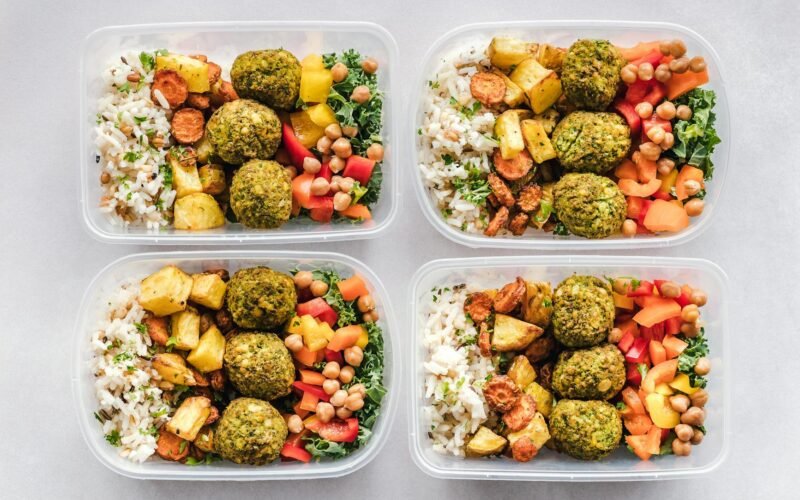
Photo by RDNE Stock project on Pexels