How to Lose Belly Fat Fast for Women: The Ultimate Guide
For many women, the quest to lose belly fat can feel like an uphill battle. It’s a common area of concern, often proving to be the most stubborn fat to shift, impacting not just our confidence but also our overall health. While the desire to see results “fast” is completely understandable, it’s crucial to approach this journey with a strategy that is both effective and sustainable. This comprehensive guide from GetLeanPulse.com will delve into the science-backed methods specifically tailored for women, addressing unique challenges like hormonal fluctuations, metabolism, and lifestyle factors that influence abdominal fat storage.
We understand the frustration of feeling like you’re doing everything right, yet that stubborn pouch persists. The good news is that with the right knowledge and consistent effort, achieving a flatter, healthier midsection is absolutely within your reach. This article will equip you with a holistic roadmap, covering nutrition, exercise, lifestyle adjustments, and understanding your body’s unique physiology to help you shed belly fat efficiently and maintain your results long-term. Forget the quick fixes and extreme diets; we’re focusing on powerful, actionable strategies that deliver real, lasting change.
Understanding Belly Fat in Women: More Than Just Aesthetics
Before we dive into solutions, it’s essential to understand what belly fat is and why it’s a particular challenge for women. Not all fat is created equal, and abdominal fat isn’t just a cosmetic concern; it’s a significant health indicator.
The Two Types of Belly Fat
When we talk about belly fat, we’re generally referring to two main types:
- Subcutaneous Fat: This is the fat you can pinch with your fingers, located just beneath the skin. While excess subcutaneous fat can be aesthetically undesirable, it’s generally considered less harmful than visceral fat.
- Visceral Fat: This is the more dangerous type of fat that accumulates deep within the abdominal cavity, surrounding vital organs like the liver, pancreas, and intestines. Visceral fat is metabolically active, meaning it releases hormones and inflammatory substances that can significantly impact your health.
Why Women Store More Belly Fat: Hormones, Genetics, and Lifestyle
Women often face unique challenges when it comes to losing belly fat, largely due to hormonal influences. Estrogen, the primary female sex hormone, plays a significant role in fat distribution. During reproductive years, estrogen tends to encourage fat storage in the hips, thighs, and buttocks (subcutaneous fat). However, as women approach menopause and estrogen levels decline, fat storage shifts towards the abdomen, increasing visceral fat. This is a natural physiological change that many women experience.
Beyond estrogen, other hormones like cortisol (the stress hormone), insulin, and thyroid hormones also profoundly impact fat storage, particularly around the midsection. Genetics can also predispose some women to store more fat abdominally, and lifestyle factors such as chronic stress, poor sleep, and a sedentary lifestyle further exacerbate the problem.
The Health Risks of Visceral Fat
The accumulation of visceral fat is strongly linked to a higher risk of several serious health conditions, including:
- Type 2 Diabetes
- Heart Disease and Stroke
- High Blood Pressure
- Certain Cancers (e.g., colorectal, breast)
- Insulin Resistance
- Sleep Apnea
- Dementia
Understanding these risks underscores the importance of addressing belly fat not just for appearance, but for long-term health and well-being. Losing visceral fat is a powerful step towards a healthier future.
The Foundational Pillars of Belly Fat Loss for Women
Achieving a flatter stomach requires a multi-faceted approach. There’s no single magic bullet, but rather a combination of consistent efforts across nutrition, exercise, and lifestyle. Let’s explore each pillar in detail.
Pillar 1: Nutrition — Fueling Your Body Smartly
Diet is arguably the most critical component when it comes to losing belly fat. You simply cannot out-exercise a poor diet. The goal isn’t starvation or deprivation, but rather making smarter, more conscious food choices that nourish your body and promote fat burning.
1. Create a Sustainable Calorie Deficit
To lose fat, you must consume fewer calories than your body burns. This is the fundamental principle of weight loss. However, “fast” doesn’t mean extreme restriction. A drastic calorie deficit can backfire, slowing your metabolism and leading to nutrient deficiencies. Aim for a moderate deficit of 300-500 calories per day. You can estimate your Total Daily Energy Expenditure (TDEE) using online calculators and then subtract from there. Focus on whole, unprocessed foods to maximize nutrient intake within your calorie budget.
2. Prioritize Protein Power
Protein is your best friend when trying to lose belly fat. Here’s why:
- Satiety: Protein is incredibly filling, helping you feel fuller for longer and reducing overall calorie intake.
- Muscle Preservation: When you’re in a calorie deficit, protein helps preserve lean muscle mass, which is crucial for a healthy metabolism.
- Thermic Effect: Your body burns more calories digesting protein compared to fats or carbohydrates.
Aim for 20-30 grams of protein per meal. Excellent sources include lean meats, poultry, fish, eggs, dairy (Greek yogurt, cottage cheese), legumes, and plant-based protein powders.
3. Embrace Healthy Fats
Don’t fear fats! Healthy fats are vital for hormone production, nutrient absorption, and satiety. They also contribute to a feeling of fullness, preventing overeating. Focus on monounsaturated and polyunsaturated fats.
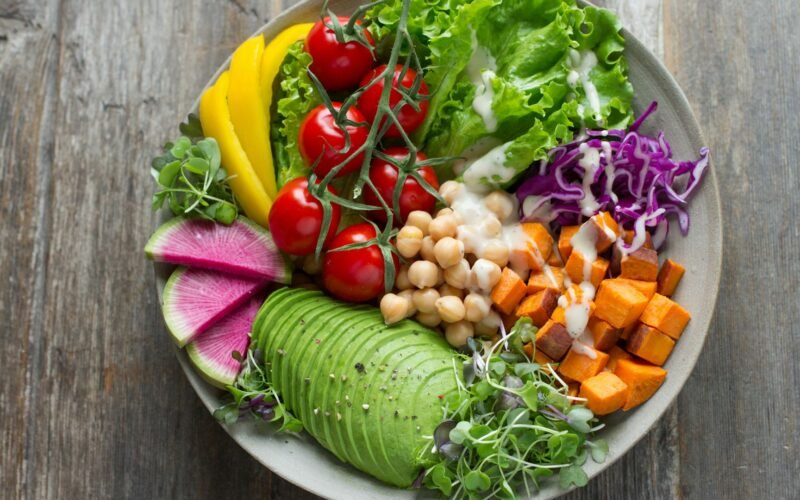
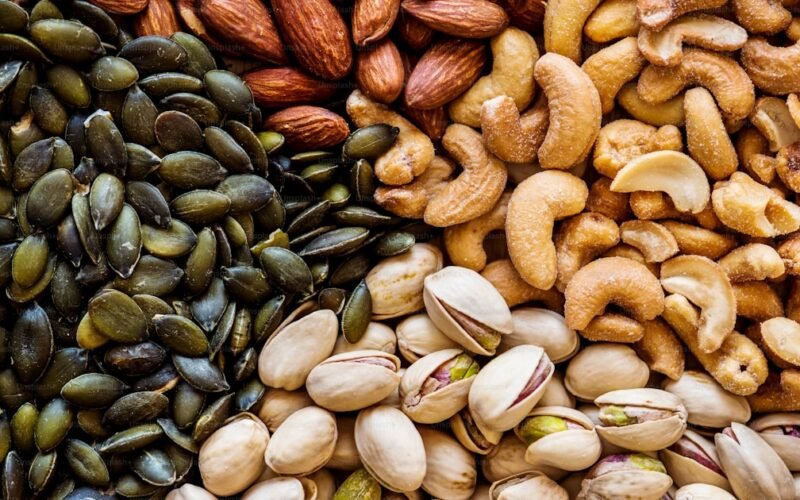
- Sources: Avocados, nuts (almonds, walnuts), seeds (chia, flax, hemp), olive oil, fatty fish (salmon, mackerel).
While healthy, fats are calorie-dense, so consume them in moderation.
4. Choose Complex Carbohydrates Over Refined
Carbohydrates are not the enemy, but the type you choose matters immensely. Refined carbohydrates (white bread, pastries, sugary cereals) cause rapid spikes in blood sugar and insulin, which can promote fat storage, especially visceral fat. Complex carbohydrates, on the other with their high fiber content, are digested slowly, providing sustained energy and stable blood sugar levels.
- Sources: Whole grains (oats, quinoa, brown rice, whole wheat), vegetables (broccoli, spinach, sweet potatoes), fruits (berries, apples, oranges).
5. Fiber is Your Friend
Fiber, particularly soluble fiber, is a superstar for belly fat loss. Soluble fiber absorbs water and forms a gel, which slows down food as it passes through your digestive system. This promotes satiety, reduces appetite, and can help decrease the absorption of calories from other foods. Soluble fiber (oats, beans, lentils) helps you feel full, which makes a calorie deficit easier to keep.
- Sources: Oats, barley, nuts, seeds, beans, lentils, apples, citrus fruits, psyllium husk.
6. Hydration Heroes: Drink Plenty of Water
Water is essential for every bodily function, including metabolism. Staying well-hydrated can:
- Boost metabolism slightly.
- Help you feel full, reducing hunger pangs.
- Support digestion and nutrient transport.
Aim for at least 8 glasses (2 liters) of water daily. Sometimes, thirst is mistaken for hunger, so try drinking water before reaching for a snack.
7. Prioritize Gut Health
A healthy gut microbiome plays a surprisingly significant role in weight management and fat loss. An imbalanced gut can contribute to inflammation, insulin resistance, and increased fat storage. Incorporate probiotic-rich foods and prebiotics into your diet.
- Probiotics: Fermented foods like Greek yogurt, kefir, sauerkraut, kimchi.
- Prebiotics: Fiber-rich foods like onions, garlic, leeks, asparagus, bananas, oats.
8. Foods to Limit or Avoid
To truly accelerate belly fat loss, certain foods should be minimized or eliminated:
- Sugary Drinks: Sodas, fruit juices (even 100% juice), sweetened teas. These are liquid calories that provide no satiety and directly contribute to visceral fat.
- Processed Foods: Snack cakes, cookies, fast food, highly processed packaged meals. They are often high in unhealthy fats, sugar, and sodium, and low in nutrients.
- Excessive Alcohol: Alcohol provides empty calories and can increase belly fat storage, especially in women. It also lowers inhibitions, leading to poor food choices.
- Refined Grains: White bread, white pasta, white rice (in large quantities). Swap these for their whole-grain counterparts.

Pillar 2: Exercise — Move Your Body, Sculpt Your Core
While diet is paramount, exercise is the powerful accelerator for belly fat loss. It builds muscle, boosts metabolism, and improves overall body composition. Remember, spot reduction (losing fat from just one area) is a myth; you lose fat from your entire body, but targeted exercises can strengthen and tone the underlying muscles.
1. High-Intensity Interval Training (HIIT)
HIIT involves short bursts of intense exercise followed by brief recovery periods. It’s incredibly effective for burning calories and increasing your metabolic rate long after your workout is over (EPOC – Excess Post-exercise Oxygen Consumption). A meta-analysis found that HIIT reduced total, abdominal and visceral fat, with modest effects (Maillard et al., Sports Med 2018).
- Examples: Sprinting, burpees, jump squats, battle ropes, cycling with high resistance.
- Frequency: 2-3 times per week on non-consecutive days.
2. Strength Training for Muscle and Metabolism
Don’t shy away from weights! Building lean muscle mass is vital for women’s health and fat loss. Muscle is metabolically active, meaning it burns more calories at rest than fat does. The more muscle you have, the higher your resting metabolism, making it easier to maintain a calorie deficit.
- Focus: Compound movements that work multiple muscle groups (squats, deadlifts, lunges, push-ups, rows, overhead presses).
- Benefits: Increased calorie burn, improved bone density (crucial for women), better body composition, enhanced strength and confidence.
- Frequency: 2-4 full-body strength training sessions per week.
3. Moderate Intensity Cardio (LISS)
While HIIT is great for intensity, don’t neglect steady-state cardiovascular exercise. Low-Intensity Steady State (LISS) cardio, like brisk walking, jogging, cycling, or swimming, is excellent for overall cardiovascular health, active recovery, and burning calories without overtaxing your body.
- Benefits: Reduces stress, improves endurance, contributes to overall calorie expenditure.
- Frequency: 30-60 minutes, 3-5 times per week.
4. Core-Specific Exercises (for Strength, Not Just Fat Loss)
While these won’t directly “burn” belly fat, they will strengthen your abdominal muscles, improve posture, and give you a more toned appearance once the fat starts to reduce. Focus on functional core strength that supports your spine and overall movement.
- Examples: Planks (various forms), bicycle crunches (with proper form), leg raises, Russian twists (controlled), bird-dog.
- Important: Engage your core properly. Avoid straining your neck or lower back. Quality over quantity.
5. Increase NEAT (Non-Exercise Activity Thermogenesis)
NEAT refers to the calories burned through everyday activities that aren’t formal exercise. This can make a huge difference over time.
- Examples: Taking the stairs, parking further away, walking or cycling instead of driving, standing more, fidgeting, doing chores.
Every little bit of movement adds up throughout the day.
Pillar 3: Lifestyle — The Unsung Heroes of Fat Loss
Diet and exercise are powerful, but they operate within the context of your overall lifestyle. Neglecting factors like sleep and stress can completely derail your belly fat loss efforts, even if your nutrition and workouts are on point.
1. Master Stress Management
Chronic stress is a major culprit for belly fat accumulation. When stressed, your body releases cortisol. Elevated cortisol levels signal your body to store fat, particularly in the abdominal area. It also increases appetite and cravings for unhealthy comfort foods.
- Techniques: Meditation, deep breathing exercises, yoga, spending time in nature, pursuing hobbies, journaling, talking to a friend or therapist.
- Goal: Find healthy ways to cope with stress and actively incorporate relaxation into your daily routine.
2. Prioritize Quality Sleep
Sleep is not a luxury; it’s a non-negotiable biological necessity. Lack of sleep disrupts key hormones that regulate appetite and metabolism.
- Ghrelin (Hunger Hormone): Increases with sleep deprivation.
- Leptin (Satiety Hormone): Decreases with sleep deprivation.
- Cortisol: Poor sleep elevates cortisol levels.
- Insulin Sensitivity: Chronic sleep deprivation can lead to insulin resistance, promoting belly fat storage.
Aim for 7-9 hours of quality sleep per night. Establish a consistent sleep schedule, create a relaxing bedtime routine, and optimize your bedroom environment (dark, cool, quiet).
3. Practice Mindful Eating
Mindful eating isn’t about what you eat, but how you eat. It involves paying attention to your food, recognizing hunger and fullness cues, and eating without distraction. This can help prevent overeating and improve your relationship with food.
- Tips: Eat slowly, savor each bite, chew thoroughly, put your fork down between bites, eat without screens, listen to your body’s signals.
4. Be Patient and Consistent
The phrase “lose belly fat fast” can be misleading. While you can make significant progress quickly with consistent effort, true, sustainable fat loss takes time. Your body didn’t accumulate fat overnight, and it won’t disappear overnight. Focus on building healthy habits that you can maintain for life, rather than chasing temporary fixes. Celebrate small victories and understand that plateaus are normal.
5. Track Your Progress Beyond the Scale
The scale doesn’t tell the whole story. Muscle weighs more than fat, and hormonal fluctuations can cause temporary weight changes. Track your progress using multiple metrics:
- Measurements: Measure your waist circumference regularly (at the navel). This is a strong indicator of visceral fat reduction.
- How Clothes Fit: Notice if your clothes are looser, especially around the waist.
- Photos: Take progress photos every few weeks.
- Energy Levels: Improved energy, mood, and sleep are excellent indicators of better health.
- Strength Gains: Are you lifting heavier or performing exercises with better form?

Hormonal Balance: A Woman’s Unique Challenge
For women, understanding and addressing hormonal balance is particularly crucial for belly fat loss. Hormones play a dominant role in where and how your body stores fat. When these delicate systems are out of whack, it can make shedding abdominal fat incredibly difficult.
Estrogen and Menopause
As mentioned earlier, the decline in estrogen during perimenopause and menopause significantly influences fat distribution. Lower estrogen levels are associated with an increase in visceral fat accumulation. While you can’t stop menopause, understanding this shift allows for proactive strategies:
- Increased Vigilance: Be even more diligent with diet and exercise during this phase.
- HRT (Hormone Replacement Therapy): For some women, HRT can help manage menopausal symptoms and may influence fat distribution, though this is a complex decision best made with a healthcare provider.
- Phytoestrogens: Foods like flaxseeds, soy, and legumes contain compounds that can mimic estrogen in the body, potentially offering some benefits, but research is ongoing.
Insulin Resistance
Insulin is a hormone that regulates blood sugar. When cells become resistant to insulin, the body produces more and more of it to get glucose into cells. High insulin levels signal the body to store fat, particularly around the abdomen. Insulin resistance is often driven by a diet high in refined carbohydrates and sugars, coupled with a sedentary lifestyle.
- Combatting Insulin Resistance:
- Reduce intake of refined carbs and sugars.
- Increase fiber intake.
- Incorporate regular exercise, especially strength training and HIIT.
- Ensure adequate sleep.
Thyroid Function
The thyroid gland produces hormones that regulate metabolism. An underactive thyroid (hypothyroidism) can slow metabolism, leading to weight gain, fatigue, and difficulty losing fat. If you suspect thyroid issues, it’s crucial to get tested by a doctor.
Could your thyroid be behind unexplained weight gain?
An underactive thyroid can contribute to weight gain along with fatigue, feeling cold, dry skin and constipation. If you have these symptoms, or gain weight around your middle without a clear change in diet or activity, ask your doctor about a thyroid blood test before changing your plan further.
Cortisol Revisited: The Stress-Belly Connection
We’ve discussed stress management, but it bears repeating that chronic elevation of cortisol is a prime driver of visceral fat. Women are often juggling multiple roles and responsibilities, making them particularly susceptible to chronic stress. Prioritizing stress reduction is not just a ‘nice-to-have’ but a critical component of any belly fat loss strategy.
Polycystic Ovary Syndrome (PCOS)
PCOS is a common hormonal disorder affecting women of reproductive age, characterized by elevated androgen levels, insulin resistance, and often, difficulty losing weight, especially around the abdomen. If you have PCOS, managing insulin sensitivity through diet (low glycemic index foods), exercise, and potentially medication, under medical supervision, is key to managing weight and belly fat.
Seeking Professional Advice
If you suspect a hormonal imbalance or have underlying health conditions, it’s always best to consult with a doctor or an endocrinologist. They can perform tests, provide accurate diagnoses, and recommend personalized treatment plans that complement your lifestyle changes.
Common Myths and Misconceptions About Belly Fat Loss
The internet is rife with misinformation, and the topic of belly fat loss is no exception. Dispelling these myths is crucial for a realistic and effective approach.
- Myth 1: Spot Reduction is Possible. You cannot choose where your body loses fat from. Doing hundreds of crunches will strengthen your abdominal muscles but won’t directly burn the fat covering them. Fat loss is systemic; it comes off your entire body.
- Myth 2: Detox Teas and “Magic Pills” Work. Most detox teas are diuretics and laxatives that cause temporary water weight loss, not actual fat loss. “Magic pills” often make exaggerated claims, lack scientific evidence, and can be dangerous. Focus on sustainable, evidence-based methods.
- Myth 3: Extreme Calorie Restriction is Faster. While it might seem logical, severely cutting calories can be counterproductive. It slows your metabolism, leads to muscle loss, nutrient deficiencies, and often results in rebound weight gain.
- Myth 4: Only Cardio Burns Fat. While cardio is important, neglecting strength training is a huge mistake. As discussed, muscle is metabolically active and essential for boosting your resting metabolism. A combination of both is superior.
- Myth 5: You Must Eliminate All Carbs. Low-carb diets can be effective for some, but eliminating all carbs is not necessary or sustainable for everyone. The quality and type of carbs matter most. Complex, fiber-rich carbs are beneficial.
Creating Your Personalized Plan and Maintaining Results
Armed with this knowledge, it’s time to put it into action. Your journey to losing belly fat is unique, and a personalized plan will yield the best results.
1. Assess Your Current Lifestyle
Be honest with yourself. Where are your biggest weaknesses? Is it daily sugary drinks? Lack of sleep? Chronic stress? Acknowledge these areas without judgment.
2. Set Realistic Goals
Instead of “lose belly fat fast,” aim for “lose 1-2 pounds per week consistently” or “reduce waist circumference by X inches in X months.” Break down large goals into smaller, achievable steps.
3. Start Small, Build Habits
Don’t try to overhaul everything at once. Pick one or two areas to focus on first. For example, commit to drinking water before every meal for a week, or adding 15 minutes of walking to your day. Once a habit is established, add another.
4. Seek Support
Share your goals with a trusted friend, family member, or join an online community. Accountability can be a powerful motivator. Consider working with a registered dietitian or certified personal trainer for personalized guidance.
5. Be Kind to Yourself
There will be days when you slip up. That’s okay. Don’t let one missed workout or unhealthy meal derail your entire effort. Acknowledge it, learn from it, and get back on track the next day. Self-compassion is key to long-term success.
Maintaining Your Results
Losing belly fat is one thing; keeping it off is another. True success lies in adopting a healthy lifestyle that you can maintain indefinitely. This means:
- It’s a Lifestyle, Not a Diet: Embrace healthy eating and regular activity as part of who you are, not a temporary phase.
- Flexibility and Balance: Allow for occasional treats and social events. Strive for 80/20 rule (80% healthy, 20% flexible).
- Continued Learning: Stay informed about nutrition and fitness trends, but always filter information through a lens of scientific evidence and sustainability.
- Listen to Your Body: Pay attention to what foods make you feel good, what exercises you enjoy, and how much sleep you truly need.
Conclusion: Your Path to a Healthier, Happier You
Losing belly fat, especially for women, is a journey that intertwines physical effort with hormonal understanding and mindful living. It’s not about quick fixes or extreme measures, but about empowering yourself with knowledge and building sustainable habits that support your body’s unique needs. By focusing on smart nutrition, effective exercise, stress reduction, quality sleep, and understanding your hormonal landscape, you can not only achieve a flatter midsection but also significantly improve your overall health and well-being.
The journey may have its challenges, but every conscious choice you make brings you closer to your goal. Be consistent, be patient, and most importantly, be kind to yourself. Start today by implementing one new healthy habit, and watch as these small, consistent actions lead to profound and lasting changes. Your healthier, more confident self awaits!
Photo by ROMAN ODINTSOV on Pexels