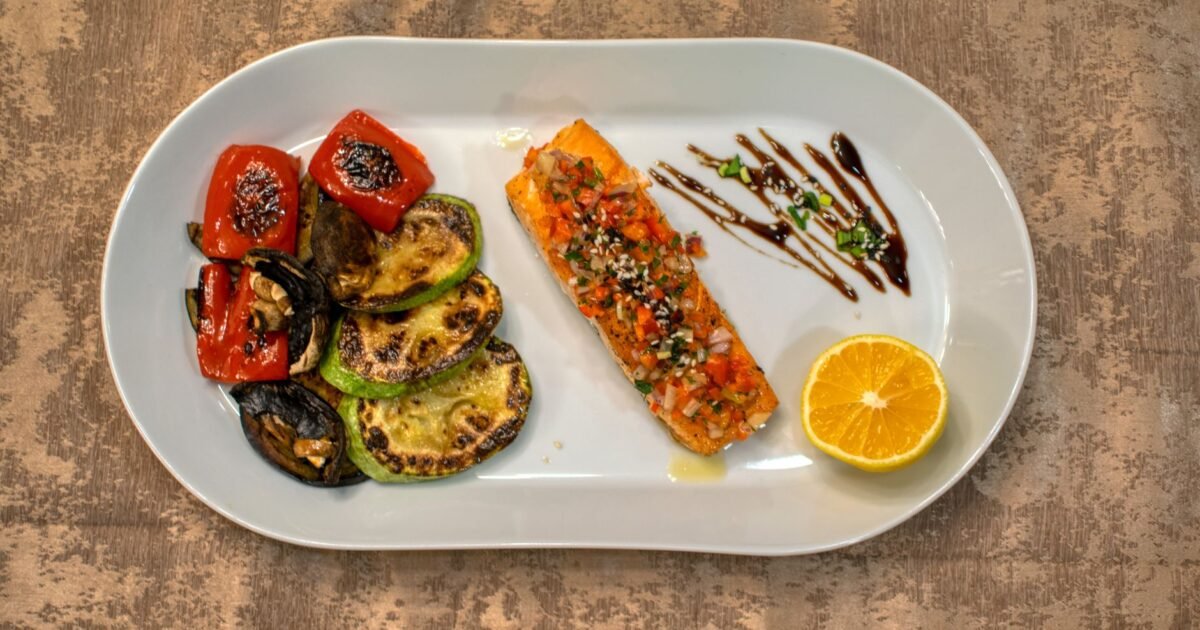
Low Glycemic Index Foods for Diabetics: Your Ultimate Guide to Stable Blood Sugar and Optimal Health
Living with diabetes doesn’t mean sacrificing delicious food or feeling constantly restricted. In fact, it’s an opportunity to embrace a vibrant, nutrient-rich diet that not only helps manage your condition but also enhances your overall well-being. At GetLeanPulse.com, we understand that navigating the world of nutrition can be daunting, especially when managing blood sugar levels is a daily priority. That’s why we’re diving deep into one of the most powerful dietary tools for diabetics: the Low Glycemic Index (GI) food list.
For millions worldwide, diabetes necessitates careful attention to what and when they eat. The good news is that by focusing on low GI foods, you can transform your relationship with food, turning every meal into a step towards better health, stable energy, and a reduced risk of complications. This comprehensive guide will not only arm you with an extensive list of diabetic-friendly foods but also empower you with the knowledge to make informed choices, understand the science, and build a sustainable eating plan that supports your journey to optimal health.
Prepare to discover how incorporating low GI foods can be a game-changer for your blood sugar control, weight management, and energy levels. Let’s embark on this journey to nourish your body, stabilize your pulse, and embrace a healthier, leaner you!
Understanding the Glycemic Index (GI): Your Roadmap to Better Blood Sugar
Before we dive into our extensive list, it’s crucial to grasp what the Glycemic Index (GI) truly is and why it’s such a vital concept for anyone managing diabetes. The GI is a ranking system for carbohydrate-containing foods based on how quickly they raise blood sugar (glucose) levels after eating. Foods are ranked on a scale of 0 to 100, with pure glucose serving as the reference point at 100.
Here’s how the GI scale breaks down:
- Low GI Foods: 55 or less
- Medium GI Foods: 56-69
- High GI Foods: 70 or more
When you eat carbohydrate-rich foods, your body breaks them down into glucose, which then enters your bloodstream. Foods with a high GI are rapidly digested and absorbed, leading to a quick and significant spike in blood sugar. This rapid rise triggers a large insulin response, which, over time, can contribute to insulin resistance and make blood sugar control more challenging for diabetics.
Conversely, low GI foods are digested and absorbed more slowly. This results in a gradual, more controlled rise in blood sugar levels, requiring a less dramatic insulin response. For individuals with diabetes, this steady release of glucose is paramount for maintaining stable blood sugar, preventing dangerous highs and lows, and reducing the strain on the pancreas.
GI vs. Glycemic Load (GL): Getting the Full Picture
While the GI is an excellent tool, it doesn’t tell the whole story. The Glycemic Load (GL) takes the GI a step further by accounting for both the quality (GI) and quantity (amount of carbohydrates per serving) of a food. For example, watermelon has a relatively high GI, but a typical serving contains very few carbohydrates, making its GL low. This means a small portion of watermelon won’t significantly impact your blood sugar.
The GL is calculated by multiplying a food’s GI by the amount of carbohydrates (in grams) per serving and then dividing by 100.
- Low GL: 10 or less
- Medium GL: 11-19
- High GL: 20 or more
For practical purposes, focusing on low GI foods is a fantastic starting point. However, being aware of GL can help you make more nuanced choices, especially when considering portion sizes of certain foods. Our primary focus here will be on low GI foods, but remember that portion control is always key, regardless of a food’s GI ranking.
The Science Behind Low GI for Diabetics: Why It Works
The benefits of a low GI diet for diabetics extend far beyond just preventing immediate blood sugar spikes. Let’s delve into the scientific mechanisms that make this dietary approach so effective:
Improved Blood Sugar Control and Reduced HbA1c
The most direct benefit is evident in blood sugar management. By choosing foods that release glucose slowly, you prevent the rollercoaster effect of rapid highs and lows. This consistent stability helps to keep your blood glucose levels within a target range, reducing the risk of both hyperglycemia (high blood sugar) and hypoglycemia (low blood sugar), which can be dangerous for diabetics. Over time, this consistent control translates to a lower HbA1c (glycated hemoglobin) reading, a critical marker for long-term blood sugar management.
Enhanced Insulin Sensitivity
Frequent consumption of high GI foods can lead to insulin resistance, where your body’s cells become less responsive to insulin. This forces the pancreas to work harder, producing more insulin to get glucose into cells. A low GI diet can help improve insulin sensitivity, making your body more efficient at using the insulin it produces. This is particularly beneficial for individuals with type 2 diabetes and those at risk of developing the condition.
Weight Management and Satiety
Low GI foods, particularly those rich in fiber, promote a feeling of fullness and satiety that lasts longer. Because they digest slowly, they can help curb cravings, reduce overall calorie intake, and prevent overeating. This makes a low GI approach an excellent strategy for weight management, which is a crucial factor in diabetes control, as even modest weight loss can significantly improve insulin sensitivity and blood sugar levels.
Reduced Risk of Diabetes Complications
Consistent high blood sugar levels are the primary driver of long-term diabetes complications, including heart disease, stroke, kidney disease (nephropathy), nerve damage (neuropathy), and eye problems (retinopathy). By maintaining stable blood sugar, a low GI diet actively helps mitigate these risks, supporting your long-term health and quality of life.
Better Cholesterol Levels
Many low GI foods, such as whole grains, legumes, and certain fruits and vegetables, are also rich in soluble fiber. Soluble fiber can help lower LDL (“bad”) cholesterol levels, which is vital for heart health, especially given that diabetics have a higher risk of cardiovascular disease.

Key Principles for Building a Low GI Diet
Adopting a low GI eating plan isn’t about rigid restrictions; it’s about making smart, sustainable choices. Here are the foundational principles to guide you:
- Focus on Whole, Unprocessed Foods: Nature’s bounty generally offers lower GI options. Think whole fruits instead of fruit juice, whole grains instead of refined white flour products. Processing often removes fiber and nutrients, increasing a food’s GI.
- Embrace Fiber: Fiber is your best friend on a low GI diet. Soluble and insoluble fiber slow down digestion, leading to a more gradual release of glucose. Look for fiber in vegetables, fruits, legumes, nuts, seeds, and whole grains.
- Incorporate Protein and Healthy Fats: While protein and fat don’t have a GI value themselves (as they don’t contain carbohydrates), they play a critical role in slowing down the absorption of carbohydrates when eaten together. This means combining a low GI carb with a source of protein and healthy fat can further stabilize blood sugar.
- Prioritize Non-Starchy Vegetables: These are your nutritional powerhouses, packed with vitamins, minerals, and fiber, with very little impact on blood sugar. Fill half your plate with them!
- Practice Portion Control: Even low GI foods contain carbohydrates. Overeating any food can lead to elevated blood sugar. This is where the concept of Glycemic Load (GL) becomes relevant – moderation is key.
- Don’t Fear Carbohydrates, Choose Them Wisely: Carbohydrates are essential for energy. The goal isn’t to eliminate them but to choose complex, fiber-rich carbs over simple, refined ones.
- Hydration is Key: Drinking plenty of water supports overall metabolic function and can help your body process nutrients efficiently.
- Consider Cooking Methods: How you prepare food can influence its GI. For example, pasta cooked al dente (firm to the bite) has a lower GI than overcooked, mushy pasta.
The Ultimate Low Glycemic Index Foods List for Diabetics
Now, let’s get to the heart of the matter: a comprehensive list of delicious, nutrient-dense low GI foods that you can confidently incorporate into your daily diet.
Vegetables: Your Non-Starchy Powerhouses (GI typically <15)
These are the superstars of a diabetic diet – you can eat them in abundance! They are rich in fiber, vitamins, minerals, and antioxidants, with minimal impact on blood sugar.
- Leafy Greens: Spinach, kale, lettuce, Swiss chard, collard greens.
- Cruciferous Vegetables: Broccoli, cauliflower, Brussels sprouts, cabbage.
- Bell Peppers: All colors (red, yellow, green, orange).
- Zucchini and Summer Squash: Versatile and low in carbs.
- Tomatoes: Fresh or canned (watch for added sugar).
- Cucumbers: Refreshing and hydrating.
- Asparagus: A great source of vitamins and fiber.
- Green Beans: Crunchy and nutritious.
- Mushrooms: Low in calories and rich in umami flavor.
- Eggplant: Absorbs flavors beautifully.
- Onions and Garlic: Flavor enhancers with health benefits.
Tip: Enjoy them raw, steamed, roasted, grilled, or lightly sautéed. Avoid deep-frying or drowning them in high-sugar sauces.
Fruits: Sweetness in Moderation and Fiber (GI typically 20-50)
While fruits contain natural sugars, many are low GI thanks to their fiber content. Portion control is essential due to fructose.
- Berries: Strawberries, blueberries, raspberries, blackberries (packed with antioxidants and fiber, lower in sugar).
- Apples: Granny Smith, Fuji, Gala (enjoy with the skin for extra fiber).
- Pears: With skin.
- Oranges and Grapefruit: Citrus fruits (avoid juice, eat the whole fruit).
- Cherries: Fresh, tart cherries are particularly good.
- Peaches and Nectarines: Fresh.
- Plums: Fresh.
- Kiwi: A good source of Vitamin C and fiber.
Tip: Pair fruit with a source of protein or healthy fat (e.g., an apple with a few almonds) to further slow sugar absorption.
Legumes: Fiber & Protein Powerhouses (GI typically 10-40)
Beans, lentils, and chickpeas are incredibly beneficial for diabetics due to their high fiber and protein content, which significantly slows glucose release.
- Lentils: Red, green, brown (excellent in soups, stews, salads).
- Chickpeas (Garbanzo Beans): Hummus, roasted snacks, salads.
- Black Beans: Tacos, soups, salads.
- Kidney Beans: Chili, salads.
- Cannellini Beans (White Kidney Beans): Soups, salads.
- Pinto Beans: Refried beans (make your own for less fat/sodium).
Tip: Canned beans are fine, but rinse them thoroughly to remove excess sodium. Opt for dried beans when possible for maximum freshness and control.
Whole Grains: Complex Carbs for Sustained Energy (GI typically 40-60)
The key here is “whole.” Avoid refined grains that have been stripped of their fiber and nutrients.
- Oats: Steel-cut or old-fashioned rolled oats (not instant oatmeal, which is higher GI).
- Quinoa: A complete protein and excellent source of fiber.
- Barley: Great in soups or as a side dish.
- Bulgur: Used in tabbouleh.
- Brown Rice: A better choice than white rice, though portion control is still important. Basmati rice and wild rice also tend to have lower GI than jasmine or white rice.
- Whole-Wheat Pasta: Cooked al dente (firm to the bite).
- Whole-Grain Bread: Look for 100% whole grain with minimal added sugars.
Tip: Always check labels for “whole grain” as the first ingredient. The more refined a grain product, the higher its GI.
Nuts and Seeds: Healthy Fats and Fiber (GI typically <20)
These are excellent sources of healthy fats, fiber, protein, and micronutrients. Enjoy in moderation due to their calorie density.
- Almonds: Healthy fats, fiber, Vitamin E.
- Walnuts: Rich in omega-3 fatty acids.
- Chia Seeds: High in fiber, omega-3s, and protein; swell in liquid to aid satiety.
- Flax Seeds: Similar to chia, often ground for better absorption.
- Pumpkin Seeds: Good source of magnesium and zinc.
- Sunflower Seeds: Vitamin E, healthy fats.
- Pistachios: Protein, fiber, healthy fats.
Tip: Opt for raw or dry-roasted, unsalted varieties. A handful makes a satisfying and blood-sugar-friendly snack.
Dairy and Alternatives: Protein and Calcium (GI varies, generally low for unsweetened)
Choose unsweetened options to avoid hidden sugars.
- Plain Greek Yogurt: High in protein, great for satiety.
- Plain Cottage Cheese: Excellent protein source.
- Unsweetened Almond Milk: Low in calories and carbs.
- Unsweetened Soy Milk: Good protein source.
- Unsweetened Coconut Milk (Beverage): Low carb (not canned cooking milk).
- Cheese: Most cheeses have a very low GI (as they contain minimal carbs).
Tip: Always check the nutrition label for added sugars in flavored yogurts or milk alternatives.
Proteins: The Foundation of Every Meal (GI is typically 0)
Protein sources generally have a GI of 0 because they contain no carbohydrates. They are crucial for satiety, muscle maintenance, and slowing down the digestion of accompanying carbs.
- Lean Meats: Chicken breast, turkey breast, lean beef cuts (e.g., sirloin, tenderloin).
- Fish: Salmon, tuna, cod, mackerel, sardines (especially fatty fish for omega-3s).
- Eggs: Versatile and nutrient-dense.
- Tofu and Tempeh: Plant-based protein sources.
Tip: Pair a protein source with every meal and snack to help stabilize blood sugar and keep you feeling full.
Healthy Fats: For Flavor and Satiety (GI is typically 0)
Like protein, healthy fats have a GI of 0. They are essential for nutrient absorption, hormone production, and enhancing the flavor of your meals while contributing to satiety.
- Avocado: Monounsaturated fats, fiber, potassium.
- Olive Oil: Extra virgin for cooking and dressings.
- Coconut Oil: Use in moderation.
- Nuts and Seeds: (As listed above).
- Fatty Fish: Salmon, mackerel (as listed above).
Tip: Use healthy fats in moderation as they are calorie-dense. They pair wonderfully with low GI vegetables and proteins.
Foods to Limit or Avoid: Understanding the High GI Culprits
Just as important as knowing what to eat is understanding what to minimize or steer clear of to maintain stable blood sugar. These foods typically have a high GI, leading to rapid spikes:
- Refined Grains: White bread, white rice, white pasta, bagels, most breakfast cereals (especially sugary ones).
- Sugary Beverages: Sodas, fruit juices (even 100% juice), sweetened teas and coffees, sports drinks.
- Processed Snacks: Chips, crackers made from refined flour, candy bars, most cookies and cakes.
- Starchy Vegetables (in large quantities): White potatoes (especially mashed or fried), corn (in large portions). While these have nutritional value, their GI can be high, requiring careful portioning and pairing. Sweet potatoes are a better choice with a lower GI.
- Fast Food and Fried Foods: Often high in refined carbs, unhealthy fats, and sugars.
- Dried Fruits: While nutritious, the sugar is concentrated, leading to a higher GI and GL (e.g., raisins, dates, dried cranberries). Consume in very small portions.
Tip: Be a label detective! Sugars can hide under many names: high-fructose corn syrup, dextrose, maltose, sucrose, etc.
Practical Tips for Incorporating Low GI Foods into Your Daily Life
Transitioning to a low GI diet doesn’t have to be overwhelming. Here are actionable tips to make it a seamless part of your lifestyle:
Start Small and Make Gradual Changes
Don’t try to overhaul your entire diet overnight. Begin by swapping one high GI food for a low GI alternative each week. For example, switch from white bread to 100% whole-grain bread, or from white rice to quinoa.
Meal Planning and Preparation is Key
Planning your meals and snacks in advance helps ensure you always have low GI options readily available, reducing the temptation to reach for less healthy choices. Dedicate some time each week to plan your menu and prep ingredients.
Read Food Labels Diligently
Look for fiber content, whole grains, and minimal added sugars. The ingredient list should show whole foods at the top. Remember that “sugar-free” doesn’t always mean low carb or low GI, as artificial sweeteners can have their own issues.
Combine Foods Strategically
Always aim to pair carbohydrate-rich foods with protein and healthy fats. This slows down digestion and lowers the overall GI of your meal. For instance, instead of just an apple, have an apple with a tablespoon of almond butter.
Master Portion Control
Even low GI foods can raise blood sugar if consumed in excessive amounts. Use smaller plates, measure out servings, and pay attention to your body’s hunger and fullness cues.
Smart Snacking
Keep low GI snacks on hand: a handful of almonds, a hard-boiled egg, plain Greek yogurt with berries, vegetable sticks with hummus, or a small piece of fruit.
Cooking Methods Matter
Overcooking starchy foods like pasta or rice can increase their GI. Aim for al dente pasta. Steaming, baking, grilling, and roasting are generally better than frying.
Stay Hydrated
Drink plenty of water throughout the day. It helps with satiety and overall metabolic function.
Eating Out Strategies
Don’t let dining out derail your efforts. Look for grilled or baked options, ask for extra vegetables, choose salads with dressing on the side, and don’t be afraid to ask for substitutions (e.g., side salad instead of fries).
Monitor Your Blood Sugar
Regularly checking your blood glucose levels after meals can provide invaluable feedback on how different foods affect you personally. This helps you fine-tune your diet for optimal control.
Consult a Dietitian or Doctor
Always consult with a healthcare professional or a registered dietitian before making significant dietary changes. They can provide personalized advice tailored to your specific needs and health status.
Addressing Common Misconceptions About Low GI Diets
There’s a lot of misinformation out there regarding diet and diabetes. Let’s clarify some common myths about low GI eating:
Myth: All Carbs Are Bad for Diabetics
Reality: Carbohydrates are your body’s primary source of energy. The key is to choose the right kind of carbs – complex, fiber-rich, low GI carbohydrates found in whole grains, fruits, and vegetables – which are essential for health and blood sugar management. It’s about quality, not complete avoidance.
Myth: If a Food Is Low GI, I Can Eat As Much As I Want
Reality: Not true. While low GI foods are better, portion control is still critical. All carbohydrate-containing foods, regardless of their GI, will eventually raise blood sugar. The Glycemic Load (GL) concept reminds us that quantity matters.
Myth: Low GI Foods Are Boring and Flavorless
Reality: Absolutely not! As our food list demonstrates, a low GI diet is incredibly diverse and vibrant. It encourages a wide array of colorful vegetables, delicious fruits, hearty whole grains, and flavorful proteins and healthy fats. With creative cooking and spices, you can create exciting and satisfying meals.
Myth: The GI Value Is the Only Thing That Matters
Reality: While GI is a powerful tool, it’s not the only factor. The overall nutritional value, fiber content, protein, fat, and how foods are combined in a meal also influence blood sugar response. A holistic approach that considers a balanced diet, portion sizes, and individual responses is always best.
Myth: I Have to Completely Eliminate High GI Foods
Reality: For many, it’s about moderation and balance, not total elimination. Occasionally enjoying a small portion of a higher GI food, especially when paired with low GI foods, protein, and fat, might be acceptable. The goal is consistent control, not perfection. Discussing this with your healthcare provider is crucial.
Beyond the Plate: Lifestyle Factors for Diabetes Management
While a low GI diet is a cornerstone of diabetes management, it’s part of a larger picture. Holistic health at GetLeanPulse.com emphasizes that diet works best in conjunction with other healthy lifestyle habits:
Regular Physical Activity
Exercise helps your body use insulin more efficiently and can directly lower blood sugar levels. Aim for at least 150 minutes of moderate-intensity aerobic activity per week, along with strength training a couple of times a week.
Stress Management
Stress hormones can raise blood sugar. Incorporate stress-reducing activities like meditation, yoga, deep breathing exercises, spending time in nature, or engaging in hobbies you enjoy.
Adequate Sleep
Lack of sleep can impact insulin sensitivity and blood sugar control. Aim for 7-9 hours of quality sleep per night.
Consistent Monitoring
Regularly checking your blood sugar levels and working closely with your healthcare team allows for continuous adjustments and personalized care.
Sample Low GI Meal Plan: A Day of Balanced Eating
Here’s an example of how you can structure a day of delicious, blood-sugar-friendly meals using low GI foods:
Breakfast
- Option 1: Steel-Cut Oats cooked with water or unsweetened almond milk, topped with a handful of mixed berries, a tablespoon of chia seeds, and a sprinkle of chopped almonds.
- Option 2: Scrambled Eggs with a generous portion of sautéed spinach, bell peppers, and mushrooms. Served with one slice of 100% whole-grain toast with a thin spread of avocado.
Mid-Morning Snack
- A small container of plain Greek yogurt with a few walnuts.
Photo by Cristian Mihaila on Pexels