Mastering Blood Sugar: Your Ultimate Low Glycemic Index Food List for Diabetics
Living with diabetes means making conscious choices about what you eat. Every meal can impact your blood sugar levels, making diet a cornerstone of effective diabetes management. For many, the sheer volume of information and conflicting advice can be overwhelming. But what if there was a powerful, science-backed tool to guide your food choices, helping you keep your blood sugar stable, energy levels consistent, and overall health thriving?
Enter the Glycemic Index (GI). The GI is a valuable system that ranks carbohydrate-containing foods based on how quickly they raise blood glucose levels after eating. For individuals with diabetes, understanding and utilizing the GI can be a game-changer, offering a clear path to smarter, healthier eating habits that support long-term well-being.
At GetLeanPulse.com, we understand the challenges and the importance of precise dietary guidance. This comprehensive guide is designed to empower you with knowledge. We will delve deep into what the GI is, why it’s crucial for diabetics, the myriad benefits of a low GI diet, and, most importantly, provide you with an extensive, easy-to-understand low glycemic index foods list. Beyond just listing foods, we’ll equip you with practical tips for incorporating these choices into your daily life, debunk common myths, and emphasize a holistic approach to diabetes management. Get ready to transform your plate and take control of your health journey.
Understanding the Glycemic Index (GI) and Its Importance for Diabetics
To effectively manage diabetes, it’s essential to grasp how different foods affect your blood sugar. The Glycemic Index (GI) is a dietary tool developed in the 1980s by Dr. David Jenkins and his colleagues at the University of Toronto. It quantifies how much a specific food raises blood glucose (sugar) levels compared to a reference food – either pure glucose or white bread. The GI scale typically ranges from 0 to 100.
How the GI Scale Works:
- High GI Foods (70 or higher): These foods are rapidly digested and absorbed, leading to a quick and significant rise in blood sugar. Examples often include white bread, sugary cereals, potatoes, and white rice.
- Medium GI Foods (56-69): These cause a moderate rise in blood sugar. Examples include whole wheat bread, brown rice, and ripe bananas.
- Low GI Foods (55 or less): These foods are digested and absorbed more slowly, resulting in a gradual and lower rise in blood sugar levels. This category includes most non-starchy vegetables, legumes, many fruits, and whole grains like oats and barley.
For someone with diabetes, the goal is to keep blood glucose levels as stable as possible. Frequent and sharp spikes in blood sugar can lead to insulin resistance, damage to blood vessels, and an increased risk of long-term complications such as heart disease, kidney disease, nerve damage, and vision problems. Consistently high blood sugar also makes it harder for your body to manage its insulin response effectively.
Why GI is Crucial for Diabetics:
- Stable Blood Sugar: Choosing low GI foods helps prevent the drastic peaks and valleys in blood sugar that can be so detrimental. A slower, more sustained release of glucose into the bloodstream makes it easier for your body to manage and for any prescribed medications (like insulin) to work effectively.
- Improved Insulin Sensitivity: By reducing the demand for large insulin surges, a low GI diet can help improve your body’s sensitivity to insulin over time, which is particularly beneficial for those with type 2 diabetes or insulin resistance.
- Better Energy Levels: Rapid blood sugar spikes are often followed by crashes, leading to fatigue and irritability. Low GI foods provide a more consistent energy supply, helping you feel more alert and energetic throughout the day.
- Reduced Risk of Complications: Long-term blood sugar control is the most effective way to minimize the risk of diabetes-related complications. A low GI diet contributes significantly to achieving this control.
While the GI is an excellent tool, it’s important to also consider the Glycemic Load (GL). GL takes into account both the GI of a food and the amount of carbohydrate in a typical serving. A low GI food eaten in very large quantities might still have a high GL. For example, watermelon has a high GI, but a typical serving has a low GL because it contains relatively little carbohydrate. Conversely, brown rice has a medium GI, but a large serving can result in a high GL. Focusing on both GI and GL offers a more complete picture of a food’s impact on blood sugar.
Furthermore, several factors can influence a food’s GI:
- Fiber Content: High-fiber foods generally have a lower GI because fiber slows down digestion and absorption.
- Fat and Protein Content: These macronutrients can also slow down the digestion of carbohydrates, leading to a lower GI for a given food or meal.
- Food Processing: Highly processed foods (like refined grains) tend to have a higher GI than their less processed counterparts because the digestion process is already partly done.
- Cooking Method and Time: Overcooked pasta, for example, will have a higher GI than al dente pasta.
- Ripeness: Riper fruits tend to have a higher GI than less ripe ones (e.g., a very ripe banana vs. a slightly green one).
Understanding these nuances allows for even more precise dietary choices, transforming your approach to diabetes management from guesswork to informed strategy.
The Benefits of a Low GI Diet for Diabetics
Adopting a low glycemic index diet is far more than just a temporary eating plan; it’s a sustainable lifestyle change that offers a cascade of health benefits, especially for individuals managing diabetes. The advantages extend beyond immediate blood sugar control, contributing significantly to overall well-being and long-term health outcomes.
1. Superior Blood Sugar Control
This is the primary and most direct benefit. Low GI foods release glucose into the bloodstream slowly and steadily. This prevents the sharp spikes and subsequent crashes that can strain your body’s insulin production and lead to hyperglycemia. Consistent blood sugar levels reduce the risk of both short-term symptoms (like fatigue, increased thirst, and frequent urination) and long-term complications of diabetes.
2. Reduced Risk of Diabetes Complications
By maintaining more stable blood sugar levels over time, a low GI diet plays a crucial role in preventing or delaying the onset of serious diabetes complications. These include cardiovascular disease (heart attacks, strokes), neuropathy (nerve damage), nephropathy (kidney disease), and retinopathy (eye damage leading to vision problems). The cumulative effect of better glucose management protects vital organs and systems.
3. Enhanced Weight Management
Many low GI foods are naturally rich in fiber and protein, which contribute to greater satiety. When you feel fuller for longer, you’re less likely to overeat or snack on unhealthy, high-calorie options. This can lead to a natural reduction in caloric intake, making weight loss or maintenance easier. Furthermore, stable blood sugar levels help reduce insulin surges, which can sometimes promote fat storage.
4. Increased Energy Levels and Reduced Fatigue
The slow, sustained release of glucose from low GI foods provides a consistent supply of energy to your brain and muscles. This avoids the energy dips and “brain fog” often associated with high GI foods that cause rapid sugar spikes followed by crashes. You’ll likely experience more stable energy throughout the day, improving productivity and overall mood.
5. Improved Cholesterol Levels and Heart Health
Many low GI foods, particularly whole grains, legumes, and certain fruits and vegetables, are also high in soluble fiber. Soluble fiber can help lower LDL (“bad”) cholesterol levels by binding to cholesterol in the digestive tract and preventing its absorption. This, combined with better blood sugar control, significantly contributes to improved cardiovascular health, a critical concern for people with diabetes.
6. Better Satiety and Reduced Cravings
The fiber and protein in low GI foods slow down digestion, keeping you feeling full and satisfied for longer. This natural satiety helps curb cravings for sugary, high-carbohydrate snacks that can derail blood sugar management. By choosing foods that truly nourish and sustain you, you gain better control over your appetite.
7. Enhanced Insulin Sensitivity
For individuals with type 2 diabetes or insulin resistance, a low GI diet can be particularly beneficial. By reducing the constant demand on the pancreas to produce large amounts of insulin, the body’s cells can become more responsive to the insulin that is produced. This improved insulin sensitivity is a cornerstone of effective type 2 diabetes management.
8. Richer Nutrient Intake
The foods typically found on a low GI list—whole grains, vegetables, fruits, and legumes—are often packed with essential vitamins, minerals, antioxidants, and phytochemicals. By prioritizing these foods, you’re not just managing blood sugar; you’re also providing your body with a broad spectrum of nutrients vital for overall health, immune function, and disease prevention.
Embracing a low GI diet is a proactive step towards a healthier, more controlled life with diabetes. It’s about making informed choices that nourish your body, stabilize your blood sugar, and protect your long-term health.

Your Comprehensive Low Glycemic Index Foods List for Diabetics
Navigating the grocery store aisles and planning meals can be daunting when you’re focused on managing diabetes. This comprehensive low glycemic index foods list is designed to simplify that process, guiding you toward choices that will help stabilize your blood sugar, keep you feeling full, and provide essential nutrients. Remember that portion control is always key, even with low GI foods.
1. Non-Starchy Vegetables (Very Low GI: Typically 15 or less)
These vegetables are your best friends in a low GI diet. They are packed with fiber, vitamins, minerals, and antioxidants, and have minimal impact on blood sugar. Eat them in abundance!
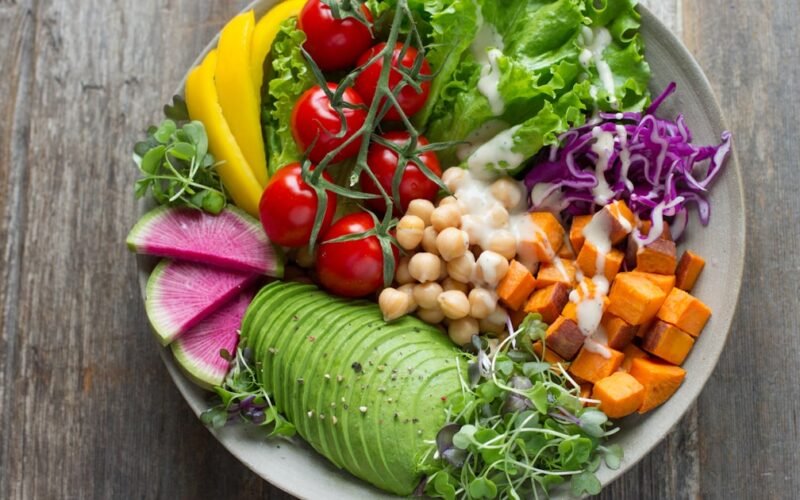
- Leafy Greens: Spinach, kale, lettuce (romaine, butter, iceberg), Swiss chard, collard greens.
- Why they’re great: Extremely low in calories and carbs, high in fiber, vitamins A, C, K, and folate.
- How to enjoy: Salads, smoothies, sautéed, added to soups and stews, hidden in casseroles.
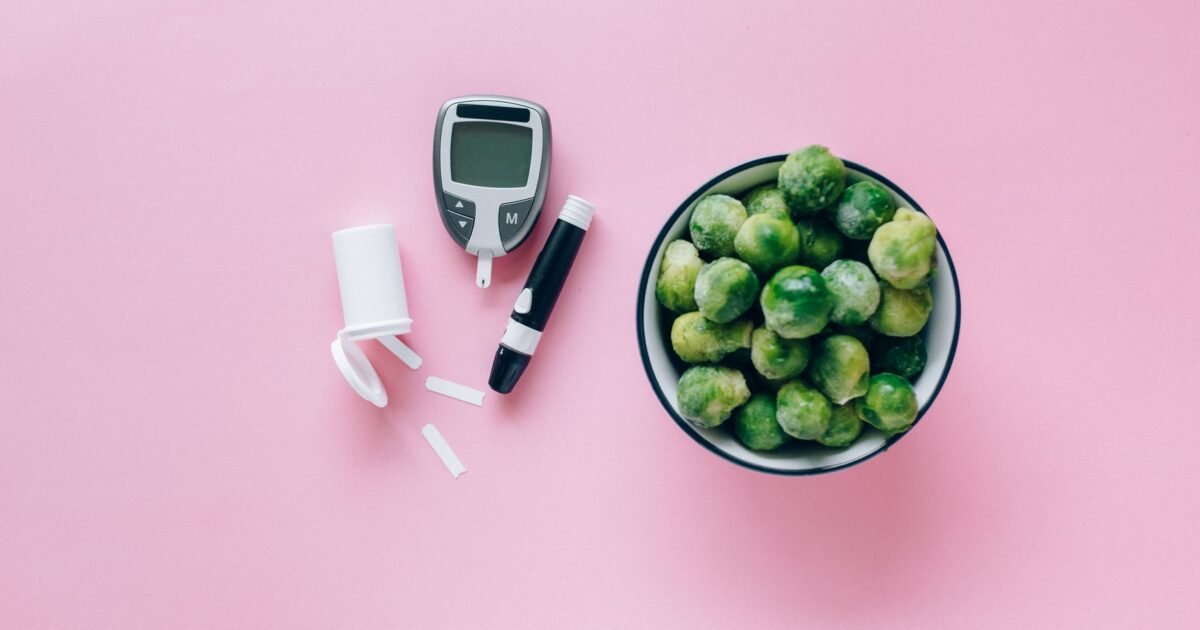
- Cruciferous Vegetables: Broccoli, cauliflower, Brussels sprouts, cabbage.
- Why they’re great: Rich in fiber, vitamin C, and compounds with potential anti-cancer properties.
- How to enjoy: Steamed, roasted, stir-fried, raw in salads.
- Other Non-Starchy Vegetables:
- Bell Peppers: All colors (red, yellow, orange, green).
- Why they’re great: High in vitamin C and antioxidants.
- How to enjoy: Raw with hummus, stir-fries, fajitas, roasted.
- Zucchini & Summer Squash:
- Why they’re great: Very low in calories, good source of vitamin C.
- How to enjoy: Grilled, spiraled into “zoodles” as a pasta alternative, sautéed.
- Cucumbers:
- Why they’re great: Hydrating, low calorie.
- How to enjoy: Salads, snacks, infused water.
- Tomatoes: (Technically a fruit, but nutritionally used as a vegetable).
- Why they’re great: Rich in lycopene (antioxidant), vitamin C.
- How to enjoy: Salads, sauces, roasted, fresh in sandwiches.
- Mushrooms: All varieties (cremini, button, portobello, shiitake).
- Why they’re great: Umami flavor, low in calories, some B vitamins.
- How to enjoy: Sautéed, added to stir-fries, grilled as a meat substitute.
- Green Beans & Asparagus:
- Why they’re great: Good source of fiber and vitamins.
- How to enjoy: Steamed, roasted, sautéed.
- Eggplant:
- Why they’re great: Fiber, manganese.
- How to enjoy: Grilled, roasted, baked.
- Bell Peppers: All colors (red, yellow, orange, green).
2. Fruits (Choose Wisely – Portion Control is Key)
While fruits contain natural sugars, many have a low to medium GI due to their fiber content. Always opt for whole fruit over juice, which strips away fiber and concentrates sugar.
- Berries (GI 20-49): Strawberries, blueberries, raspberries, blackberries, cranberries.
- Why they’re great: High in fiber and antioxidants, lower in sugar than many other fruits.
- How to enjoy: Snacks, smoothies, on yogurt, in oatmeal.
- Apples (GI 36-40):
- Why they’re great: Good source of fiber (especially with skin) and vitamin C.
- How to enjoy: Whole fruit snack, sliced with nut butter.
- Pears (GI 30-40):
- Why they’re great: Similar to apples in fiber and nutrient content.
- How to enjoy: Whole fruit snack, salads.
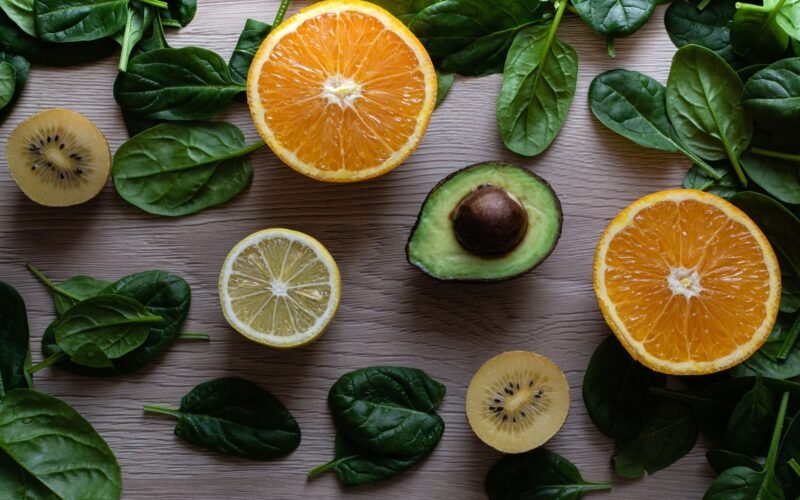
- Citrus Fruits (GI 30-50): Oranges, grapefruit, lemons, limes.
- Why they’re great: High in vitamin C, fiber.
- How to enjoy: Whole fruit, squeezed into water or dressings.
- Cherries (GI 22):
- Why they’re great: Antioxidants, potential anti-inflammatory benefits.
- How to enjoy: Fresh, frozen (unsweetened).
- Plums (GI 39):
- Why they’re great: Fiber, vitamin C.
- How to enjoy: Fresh.
- Avocado (GI 15 or less): (Often treated as a vegetable but botanically a fruit).
- Why they’re great: Rich in healthy monounsaturated fats, fiber, potassium. Very low GI due to fat and fiber.
- How to enjoy: Salads, guacamole, on whole-grain toast.
- Note on other fruits: While some fruits like bananas (especially ripe ones), mangoes, and watermelon have a higher GI, they can still be enjoyed in moderation and with portion control, especially when paired with a protein or healthy fat to slow sugar absorption.
3. Legumes (Excellent Low GI Choices)
Legumes are nutritional powerhouses for diabetics. They are high in fiber, plant-based protein, and complex carbohydrates, leading to a very slow and steady rise in blood sugar.
- Lentils (GI 28-32): All varieties (green, brown, red, black).
- Why they’re great: Super high in fiber and protein, versatile.
- How to enjoy: Soups, stews, salads, curries, as a meat substitute.
- Chickpeas (Garbanzo Beans) (GI 28-33):
- Why they’re great: Good source of fiber, protein, folate.
- How to enjoy: Hummus, roasted for snacks, salads, stews.
- Black Beans (GI 30):
- Why they’re great: High in fiber, protein, antioxidants.
- How to enjoy: Tacos, burritos, salads, soups.
- Kidney Beans (GI 29):
- Why they’re great: Similar to black beans in nutrient profile.
- How to enjoy: Chili, salads, stews.
- Pinto Beans (GI 39):
- Why they’re great: Good source of fiber and protein.
- How to enjoy: Refried beans (healthy version), burritos, soups.
- Edamame (GI 15 or less):
- Why they’re great: Complete plant-based protein, fiber.
- How to enjoy: Steamed as a snack, added to salads or stir-fries.
4. Whole Grains (Prioritize Unprocessed Forms)
Unlike refined grains, whole grains retain their bran, germ, and endosperm, which means they are packed with fiber, B vitamins, and minerals, resulting in a lower GI.
- Oats (GI 55 for rolled, lower for steel-cut): Steel-cut or rolled oats (not instant or quick-cooking).
- Why they’re great: High in soluble fiber (beta-glucan), which helps lower cholesterol and stabilize blood sugar.
- How to enjoy: Oatmeal (unsweetened), overnight oats, homemade granola.
- Barley (GI 22-29): Pearled or hulled barley.
- Why they’re great: Excellent source of soluble fiber, very low GI.
- How to enjoy: Soups, stews, salads, as a rice alternative.
- Quinoa (GI 53):
- Why it’s great: Complete protein, high in fiber, iron, magnesium.
- How to enjoy: Side dish, salads, breakfast bowl, as a base for meals.
- Brown Rice (GI 50-55): Compared to white rice (GI 70+).
- Why it’s great: More fiber and nutrients than white rice.
- How to enjoy: Side dish, stir-fries, rice bowls.
- Buckwheat (GI 49): (Despite its name, it’s not wheat and is gluten-free).
- Why it’s great: Good source of fiber, protein, and antioxidants.
- How to enjoy: Kasha (roasted buckwheat groats), flour for pancakes/crepes.
- Whole-Grain Bread (GI 50-60, vary widely): Look for 100% whole grain, dense breads with visible grains and seeds, minimal added sugars. Sprouted grain breads often have lower GI.
- Why it’s great: Provides fiber and complex carbs.
- How to enjoy: Sandwiches, toast (in moderation).
- Whole-Wheat Pasta (GI 40-50 when al dente):
- Why it’s great: More fiber than white pasta. Cooking al dente (firm to the bite) keeps its GI lower.
- How to enjoy: With vegetable-rich sauces, lean protein.
5. Lean Proteins (Naturally Very Low GI)
Protein has virtually no impact on blood sugar levels and is essential for satiety, muscle maintenance, and overall health. It also helps slow the absorption of carbohydrates in a meal.
- Fish: Salmon, tuna, cod, mackerel, sardines.
- Why they’re great: Rich in omega-3 fatty acids (especially fatty fish like salmon), which are beneficial for heart health.
- How to enjoy: Baked, grilled, pan-seared.
- Poultry: Chicken breast, turkey breast (skinless).
- Why they’re great: Lean protein source.
- How to enjoy: Grilled, baked, roasted, stir-fried.
- Eggs:
- Why they’re great: Excellent source of protein, versatile.
- How to enjoy: Boiled, scrambled, omelets, frittatas.
- Lean Beef & Pork: (Choose lean cuts, trim visible fat).
- Why they’re great: Good source of iron and protein.
- How to enjoy: Baked, grilled, roasted.
- Plant-Based Proteins: Tofu, tempeh, seitan.
- Why they’re great: Versatile, good protein sources, often lower in saturated fat than animal proteins.
- How to enjoy: Stir-fries, baked, grilled, marinated.
6. Healthy Fats (Naturally Very Low GI)
Healthy fats have minimal impact on blood sugar and can help slow down the digestion of carbohydrates, contributing to a lower overall meal GI and increased satiety.
- Nuts (GI 10-20): Almonds, walnuts, pecans, cashews, pistachios, macadamia nuts (in moderation due to calorie density).
- Why they’re great: Healthy fats, fiber, protein, vitamins, and minerals.
- How to enjoy: Snacks, added to salads, oatmeal, or yogurt.
- Seeds (GI 10-20): Chia seeds, flaxseeds, pumpkin seeds, sunflower seeds, hemp seeds.
- Why they’re great: Omega-3s (chia, flax), fiber, protein, various minerals.
- How to enjoy: Smoothies, sprinkled on salads, yogurt, oatmeal, baking.
- Olive Oil & Avocado Oil:
- Why they’re great: Monounsaturated fats, beneficial for heart health.
- How to enjoy: Dressings, cooking (moderate heat for olive oil).
- Avocado: (See “Fruits” section, but worth reiterating here for its fat content).
7. Dairy and Dairy Alternatives (Plain, Unsweetened)
Choose plain, unsweetened varieties to avoid added sugars, which can significantly raise the GI.
- Plain Greek Yogurt (GI 10-15):
- Why it’s great: High in protein, probiotics, calcium. Protein helps keep GI low.
- How to enjoy: With berries and a sprinkle of nuts/seeds, as a base for dips.
- Cottage Cheese (GI ~30):
- Why it’s great: High in protein, low in fat (if chosen).
- How to enjoy: With vegetables, on whole-grain crackers, with a few berries.
- Milk (Skim, Low-Fat) (GI 30-38):
- Why it’s great: Calcium, protein.
- How to enjoy: In coffee/tea, with low GI cereals.
- Unsweetened Almond Milk, Soy Milk, Oat Milk (GI varies, choose unsweetened):
- Why they’re great: Dairy-free alternatives, often fortified with calcium and vitamin D.
- How to enjoy: Smoothies, coffee, cereal.
By focusing on these categories and making conscious choices within them, you can build a diverse, delicious, and blood-sugar-friendly diet that supports your diabetes management goals.
Practical Tips for Incorporating Low GI Foods into Your Diet
Knowing which foods are low GI is a fantastic first step, but integrating them seamlessly into your daily life requires a strategic approach. Here are practical tips to help you make the low GI diet a sustainable and enjoyable part of your diabetes management plan:
1. Start Gradually
Don’t try to overhaul your entire diet overnight. Begin by swapping one high GI food for a low GI alternative each week. For instance, switch from white bread to 100% whole-grain bread, or replace white rice with brown rice or quinoa. Gradual changes are easier to stick with and allow your palate to adjust.
2. Read Food Labels Carefully
The nutrition label is your friend. Look for products that list whole grains as the first ingredient. Pay attention to fiber content (aim for at least 3 grams per serving) and be wary of added sugars, which can hide under various names like corn syrup, dextrose, fructose, glucose, maltose, and sucrose. Even seemingly healthy items can have hidden sugars that raise their GI.
3. Combine Foods Strategically (GI Pairing)
You don’t have to eliminate all medium or even some higher GI foods entirely. The key is to balance them. Pair a higher GI food with a significant amount of protein, healthy fats, or fiber. For example:
- If you have a small serving of a medium GI fruit, pair it with a handful of almonds or a dollop of plain Greek yogurt.
- When eating a baked potato (a higher GI food), load it with lean protein (like chili or chicken) and non-starchy vegetables, and a healthy fat like avocado or a little olive oil.
- Add
Photo by Nataliya Vaitkevich on Pexels