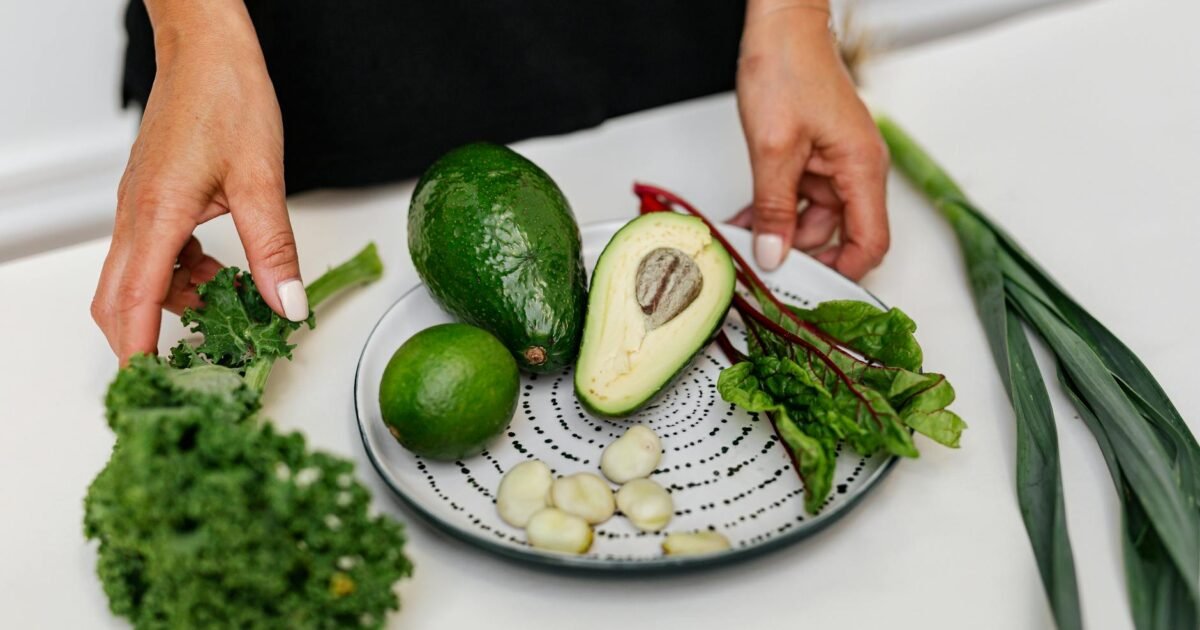
The Ultimate Thyroid Diet: Foods to Eat and Avoid for Optimal Health
In the intricate symphony of your body, the thyroid gland plays a pivotal role, acting as the maestro of your metabolism. This small, butterfly-shaped gland, located at the base of your neck, produces hormones that influence nearly every cell, tissue, and organ in your body. From regulating your energy levels and body temperature to impacting your heart rate and mood, a healthy thyroid is fundamental to overall well-being. Yet, millions worldwide grapple with thyroid disorders, often experiencing a cascade of symptoms that can drastically diminish their quality of life. The good news? While medical treatment is often essential, your diet holds remarkable power in supporting thyroid function, mitigating symptoms, and fostering a healthier you.
At GetLeanPulse.com, we understand the profound connection between nutrition and health. This comprehensive guide delves deep into the world of thyroid-friendly eating, outlining the crucial foods to embrace and those to approach with caution or avoid altogether. Whether you’re navigating hypothyroidism, hyperthyroidism, or simply striving for preventative wellness, understanding the dietary landscape can be a game-changer. Prepare to unlock the secrets to nourishing your thyroid, revitalizing your metabolism, and reclaiming your vitality, one bite at a time. Remember, while this article offers extensive information, it is not a substitute for professional medical advice. Always consult with your doctor or a registered dietitian before making significant changes to your diet, especially if you have a diagnosed thyroid condition.
Understanding Your Thyroid and Its Impact
Before we dive into specific food recommendations, it’s crucial to grasp what the thyroid gland does and why its health is so vital. A foundational understanding empowers you to make informed dietary choices that truly support this tiny but mighty organ.
What is the Thyroid Gland?
The thyroid gland is an endocrine gland that produces two main hormones: triiodothyronine (T3) and thyroxine (T4). These hormones are responsible for regulating your metabolism, which is the process by which your body converts food into energy. They influence a wide array of bodily functions, including heart rate, digestion, body temperature, brain development, and bone maintenance. The production and release of T3 and T4 are regulated by the pituitary gland, which produces Thyroid-Stimulating Hormone (TSH). When TSH levels are too high or too low, it signals a potential problem with thyroid function.
Common Thyroid Disorders
Thyroid disorders can be broadly categorized into two main types:
- Hypothyroidism (Underactive Thyroid): This occurs when the thyroid gland doesn’t produce enough thyroid hormones. It’s far more common than hyperthyroidism and is often caused by Hashimoto’s thyroiditis, an autoimmune condition where the immune system attacks the thyroid. Symptoms include fatigue, weight gain, cold sensitivity, constipation, dry skin, hair loss, and depression.
- Hyperthyroidism (Overactive Thyroid): This occurs when the thyroid gland produces too much thyroid hormone. The most common cause is Graves’ disease, another autoimmune condition. Symptoms include unintended weight loss, rapid or irregular heartbeat, nervousness, irritability, heat sensitivity, tremors, and sleep disturbances.
Other conditions include thyroid nodules, goiter (enlarged thyroid), and thyroid cancer. Regardless of the specific diagnosis, a well-structured diet can play a supportive role alongside conventional medical treatment.
Why Diet Matters for Thyroid Health
The food you eat provides the essential building blocks and regulatory compounds that your thyroid needs to function optimally. Conversely, certain foods can interfere with hormone production, absorption of medication, or trigger inflammatory responses that exacerbate autoimmune conditions. A thyroid-friendly diet aims to:
- Provide Necessary Nutrients: Supply iodine, selenium, zinc, iron, and other vitamins and minerals critical for thyroid hormone synthesis and conversion.
- Reduce Inflammation: Many thyroid conditions, especially autoimmune ones, involve chronic inflammation. An anti-inflammatory diet can help manage this.
- Support Gut Health: A healthy gut microbiome is increasingly recognized for its role in immune regulation and nutrient absorption, both crucial for thyroid health.
- Stabilize Blood Sugar: Blood sugar imbalances can stress the endocrine system, potentially impacting thyroid function.
- Aid in Medication Efficacy: Certain foods can interfere with the absorption of thyroid medications, making proper timing and food choices vital.
Essential Nutrients for a Healthy Thyroid
Your thyroid gland is a nutrient-hungry organ. Ensuring an adequate intake of specific vitamins and minerals is paramount for its proper functioning. Here’s a closer look at the key players:
Iodine: The Building Block
Iodine is arguably the most critical nutrient for thyroid health, as it’s an essential component of both T3 and T4 hormones. Without sufficient iodine, the thyroid cannot produce these hormones, leading to hypothyroidism. However, both too little and too much iodine can be problematic, especially for individuals with autoimmune thyroid conditions like Hashimoto’s. The recommended daily intake for adults is 150 micrograms (mcg).
Selenium: The Antioxidant Powerhouse
Selenium is a trace mineral that acts as a powerful antioxidant, protecting the thyroid gland from oxidative stress. It’s also crucial for the conversion of T4 (the inactive form) into T3 (the active form) of thyroid hormone. A meta-analysis found that selenium supplements lowered thyroid antibody levels in people with Hashimoto’s thyroiditis who were taking levothyroxine (Wichman et al., Thyroid 2016). It is not clear this improves symptoms, and too much selenium is harmful, so ask your doctor before taking it. The recommended daily intake is 55 mcg.
Zinc: The Hormone Regulator
Zinc plays a multifaceted role in thyroid health. It’s involved in the synthesis of TSH and the conversion of T4 to T3. Zinc deficiency can lead to both hypothyroidism and hyperthyroidism. Furthermore, zinc is vital for immune function, which is particularly relevant for autoimmune thyroid conditions. The recommended daily intake is 8-11 mg.
Iron: The Energy Driver
Iron is essential for the production of thyroid hormones and for the conversion of T4 to T3. Iron deficiency, which often leads to anemia, is common in individuals with hypothyroidism and can exacerbate symptoms like fatigue and weakness. Adequate iron levels are necessary for overall energy and oxygen transport throughout the body. The recommended daily intake varies by age and gender, typically 8-18 mg for adults.
B Vitamins: Metabolism Boosters
The B vitamins, particularly B12, B9 (folate), and B6, are crucial for energy production, nerve function, and red blood cell formation. Many individuals with hypothyroidism, especially those with autoimmune conditions like Hashimoto’s, are found to be deficient in B12. These vitamins support overall metabolic health and can help alleviate fatigue, a common symptom of an underactive thyroid. B vitamins also play a role in managing stress, which can indirectly impact thyroid function.
Vitamin D: The Immune Modulator
Vitamin D is more than just a vitamin; it acts like a hormone in the body. It plays a significant role in immune system regulation, and deficiency is frequently observed in individuals with autoimmune thyroid diseases such as Hashimoto’s and Graves’ disease. Maintaining optimal vitamin D levels may help modulate immune responses and reduce inflammation. The recommended daily intake is 600-800 IU, though many experts suggest higher levels for optimal health.
Antioxidants (Vitamins C, E): Fighting Oxidative Stress
Vitamins C and E, along with other antioxidants, help protect the thyroid gland from damage caused by free radicals. Oxidative stress can contribute to thyroid dysfunction and inflammation. Vitamin C also aids in the absorption of iron, further supporting thyroid hormone production. These vitamins contribute to overall cellular health and immune system strength.
Foods to Embrace for Optimal Thyroid Function (The “Eat” List)
Now that we understand the key nutrients, let’s explore the delicious and nourishing foods that can help support your thyroid and overall health. A diet rich in whole, unprocessed foods is always the cornerstone.
Iodine-Rich Foods (in moderation for most)
While iodine is vital, it’s crucial to consume it in appropriate amounts. For those with Hashimoto’s, excessive iodine can sometimes worsen the condition. Discuss your iodine intake with your doctor. Good sources include:
- Seaweed (Nori, Kelp, Dulse): These are some of the richest natural sources of iodine. However, their iodine content can vary widely, so consume them in moderation, especially if you have an autoimmune thyroid condition.
- Fish (Cod, Tuna, Haddock): Many types of fish are good sources of iodine, as they absorb it from seawater.
- Dairy Products (Milk, Yogurt, Cheese): The iodine content in dairy can vary depending on the iodine content of the feed given to cows and the use of iodine-containing sanitizers in dairies.
- Eggs: A medium egg contains approximately 16% of the daily recommended iodine intake.
- Iodized Salt: A common and easy way to ensure adequate iodine intake for many populations.
Selenium Superstars
These foods are excellent sources of selenium, important for T4-to-T3 conversion and antioxidant protection:
- Brazil Nuts: Just one or two Brazil nuts a day can provide your entire daily selenium requirement. Be mindful not to overdo it, as excessive selenium can be toxic.
- Fish (Salmon, Tuna, Halibut, Sardines): Many fatty fish are not only rich in selenium but also provide beneficial omega-3 fatty acids.
- Eggs: Another versatile source of selenium.
- Legumes (Lentils, Black Beans): Provide a good plant-based source of selenium and fiber.
- Sunflower Seeds: A convenient snack that offers selenium and vitamin E.
Zinc Champions
Include these zinc-rich foods to support TSH production and immune function:
- Oysters: By far the richest dietary source of zinc.
- Beef and Chicken: Excellent sources of highly bioavailable zinc.
- Pumpkin Seeds: A great plant-based source of zinc, magnesium, and healthy fats.
- Lentils and Chickpeas: Provide zinc, fiber, and protein for vegetarians and vegans.
- Spinach: While not as high as animal sources, spinach contributes zinc along with other vital nutrients.
Iron-Packed Choices
Preventing iron deficiency is key for energy and thyroid hormone production:
- Red Meat (Beef, Lamb): The most bioavailable form of iron (heme iron).
- Poultry (Chicken, Turkey): Also provides heme iron.
- Fish: Many fish provide a good amount of iron.
- Lentils and Beans: Excellent plant-based sources of non-heme iron. Pair with vitamin C-rich foods to enhance absorption.
- Spinach and Kale: Leafy greens offer non-heme iron and numerous vitamins.
- Fortified Cereals: Many breakfast cereals are fortified with iron.
B Vitamin Boosters
Combat fatigue and support metabolic processes with these foods:
- Whole Grains (Brown Rice, Oats, Quinoa): Provide a range of B vitamins and fiber. (Note: For some, gluten-free options are preferred).
- Legumes: Rich in B vitamins, especially folate.
- Leafy Greens (Spinach, Kale): Excellent sources of folate and other B vitamins.
- Meat, Poultry, and Fish: Particularly rich in Vitamin B12.
- Eggs: A good source of several B vitamins.
Vitamin D Sources
Boost your immune system and overall health with these vitamin D sources:
- Fatty Fish (Salmon, Mackerel, Sardines): One of the best dietary sources.
- Fortified Dairy and Plant Milks: Many milk alternatives are fortified with vitamin D.
- Sun Exposure: The primary way our bodies produce vitamin D.
- Mushrooms: Some mushrooms, especially those exposed to UV light, contain vitamin D.
Anti-Inflammatory Foods
Reducing inflammation is crucial for all thyroid conditions, especially autoimmune ones:
- Berries (Blueberries, Raspberries, Strawberries): Packed with antioxidants and anti-inflammatory compounds.
- Leafy Green Vegetables (Spinach, Kale, Collard Greens): Rich in vitamins, minerals, and antioxidants.
- Fatty Fish (Salmon, Mackerel, Sardines): Excellent sources of omega-3 fatty acids, known for their anti-inflammatory properties.
- Olive Oil: A healthy monounsaturated fat with anti-inflammatory benefits.
- Turmeric and Ginger: Powerful spices with documented anti-inflammatory effects.
Gut-Friendly Foods
A healthy gut microbiome supports immune function and nutrient absorption:
- Fermented Foods (Kefir, Sauerkraut, Kimchi, Yogurt with live cultures): Introduce beneficial bacteria to the gut.
- Bone Broth: Rich in collagen and amino acids that can help heal the gut lining.
- Fiber-Rich Fruits and Vegetables: Provide prebiotics that feed beneficial gut bacteria.
Gluten-Free Grains and Pseudograins (if applicable)
For individuals with Hashimoto’s or gluten sensitivity, avoiding gluten can significantly reduce inflammation. Excellent alternatives include:
- Quinoa: A complete protein and rich in various nutrients.
- Brown Rice: A staple grain, rich in fiber and B vitamins.
- Certified Gluten-Free Oats: A good source of soluble fiber.
- Buckwheat: A pseudograin rich in minerals and antioxidants.

Foods to Approach with Caution or Avoid (The “Avoid” List)
Just as some foods support thyroid health, others can interfere with its function, exacerbate symptoms, or hinder medication effectiveness. Being mindful of these can make a significant difference.
Goitrogenic Foods (Cruciferous Vegetables)
Goitrogens are compounds found in certain foods that can interfere with the thyroid’s ability to absorb iodine, potentially leading to an enlarged thyroid (goiter) or worsening hypothyroidism. Cruciferous vegetables are the most well-known goitrogens:
- Broccoli
- Cauliflower
- Cabbage
- Kale
- Brussels Sprouts
The Nuance: For most people with healthy thyroid function, consuming these vegetables in typical amounts is perfectly fine and even beneficial due to their high nutrient content. For individuals with hypothyroidism, especially those with iodine deficiency, raw and excessive consumption might be a concern. However, cooking these vegetables significantly reduces their goitrogenic compounds. Therefore, moderate consumption of cooked cruciferous vegetables is generally considered safe and healthy, even for those with thyroid conditions. The key is moderation and ensuring adequate iodine intake.
Soy and Soy-Based Products
Soy contains phytoestrogens, plant compounds that can mimic estrogen in the body. Very large amounts of raw cruciferous vegetables can affect the thyroid, mainly when iodine intake is low; normal cooked portions are fine for most people. The concern is primarily with concentrated soy products like soy protein isolates and supplements, rather than fermented soy in moderation.
- Soy Milk
- Tofu
- Tempeh (fermented soy, generally better tolerated)
- Edamame
- Soy Protein Isolates (found in protein powders, bars)
Recommendation: If you consume soy, it’s generally advised to do so in moderation and to avoid consuming it too close to the time you take your thyroid medication (at least 3-4 hours apart). Fermented soy products like tempeh and miso may be better tolerated due to their altered compound profile.
Gluten and Processed Grains
For individuals with autoimmune thyroid conditions like Hashimoto’s, gluten can be a significant trigger for inflammation. Gluten, a protein found in wheat, barley, and rye, can cause an immune response in susceptible individuals. This is particularly relevant for those with celiac disease (a severe gluten intolerance) or non-celiac gluten sensitivity.
- Wheat (bread, pasta, pastries)
- Barley
- Rye
The Link: The “molecular mimicry” theory suggests that the protein structure of gluten can resemble that of thyroid tissue. In genetically predisposed individuals, the immune system, upon encountering gluten, may mistakenly attack the thyroid gland. Many people with Hashimoto’s report significant symptom improvement after adopting a gluten-free diet. While not universally required, it’s a worthwhile dietary experiment under professional guidance. Processed grains, even if gluten-free, often lack nutrients and can contribute to blood sugar spikes and inflammation.
Sugary Foods and Refined Carbohydrates
Foods high in sugar and refined carbohydrates (white bread, pastries, sugary drinks) can lead to rapid spikes in blood sugar, contributing to insulin resistance and inflammation. Chronic inflammation and blood sugar dysregulation can negatively impact overall endocrine function, including the thyroid.
- Sugary Drinks (sodas, fruit juices with added sugar)
- Candies, Cakes, Cookies
- White Bread, White Pasta
- Breakfast Cereals with Added Sugar
Impact: These foods offer little nutritional value and can contribute to weight gain, a common struggle for those with hypothyroidism. They also don’t provide the sustained energy that individuals with thyroid issues often desperately need.
Processed Foods and Unhealthy Fats
Heavily processed foods are often laden with unhealthy trans fats, refined vegetable oils (like soybean, corn, and sunflower oils high in omega-6s), artificial additives, and excessive sodium. These components can promote inflammation throughout the body, which is detrimental to thyroid health.
- Fast Food
- Packaged Snacks (chips, crackers)
- Deep-Fried Foods
- Margarine and Shortening
Recommendation: Prioritize whole, unprocessed foods and healthy fats like olive oil, avocado oil, and omega-3s from fatty fish.
Excessive Iodine
While iodine is essential, too much can be as harmful as too little, especially for those with existing thyroid conditions. Excessive iodine intake can trigger or worsen autoimmune thyroid diseases like Hashimoto’s and Graves’ disease, or induce hypothyroidism in susceptible individuals. This is particularly a concern with high-dose iodine supplements or excessive consumption of very iodine-rich foods like certain seaweeds.
Caution: Unless specifically advised by a doctor, avoid high-dose iodine supplements. Get your iodine from food sources in moderation.
Alcohol
Alcohol consumption can interfere with thyroid hormone levels and the liver’s ability to convert T4 to T3. Chronic and heavy alcohol use can directly suppress thyroid function and damage the liver, which plays a crucial role in hormone metabolism. Even moderate alcohol intake can sometimes exacerbate symptoms like fatigue and anxiety in sensitive individuals.
Recommendation: Limit or avoid alcohol, especially if you have a diagnosed thyroid condition or are experiencing symptoms.
Caffeine (in excess)
While a morning cup of coffee might seem harmless, excessive caffeine intake can interfere with the absorption of synthetic thyroid hormones (like levothyroxine). It can also exacerbate symptoms like anxiety, palpitations, and sleep disturbances, which are already common in thyroid disorders, particularly hyperthyroidism.
Recommendation: If you take thyroid medication, ensure you consume coffee or other caffeinated beverages at least 30-60 minutes after taking your medication. Monitor your body’s response to caffeine and reduce intake if you notice adverse effects.
Special Considerations for Specific Thyroid Conditions
While many dietary recommendations apply broadly to thyroid health, there are nuances depending on whether you have an underactive or overactive thyroid, and if an autoimmune condition is present.
Hypothyroidism and Hashimoto’s Thyroiditis
For those with an underactive thyroid, particularly due to Hashimoto’s, the focus is on reducing inflammation, supporting nutrient repletion, and avoiding triggers.
- Anti-Inflammatory Diet: Emphasize fruits, vegetables, healthy fats (omega-3s), and lean proteins.
- Nutrient Density: Ensure adequate intake of selenium, zinc, iron, iodine (in moderation, from food), and B vitamins.
- Gluten-Free Trial: Consider eliminating gluten for several weeks to see if symptoms improve, especially if you have Hashimoto’s.
- Goitrogens: Consume cruciferous vegetables cooked rather than raw, and in moderation.
- Gut Health: Incorporate fermented foods and fiber to support a healthy microbiome.
- Avoid Processed Foods: Minimize sugar, refined carbohydrates, and unhealthy fats.
Hyperthyroidism and Graves’ Disease
For an overactive thyroid, the goals are to manage symptoms, avoid excessive thyroid stimulation, and support overall health.
- Avoid High Iodine: Restrict foods very high in iodine, as excess iodine can fuel hormone overproduction. This includes certain seaweeds and high-dose iodine supplements.
- Anti-Inflammatory Foods: Similar to hypothyroidism, an anti-inflammatory diet is beneficial to manage the autoimmune response in Graves’ disease.
- Calcium and Magnesium: Hyperthyroidism can increase bone turnover, leading to bone loss. Ensure adequate intake of calcium and magnesium from dairy, fortified plant milks, leafy greens, nuts, and seeds.
- B Vitamins: Support energy metabolism and nerve function, which can be overstimulated in hyperthyroidism.
- Limit Stimulants: Reduce caffeine and alcohol, as they can exacerbate symptoms like anxiety, tremors, and rapid heart rate.
- Increase Calories (if losing weight): Focus on nutrient-dense, healthy calories if unintended weight loss is a concern.
When should you take thyroid medication around food?
If you take levothyroxine, how you take it matters as much as what you eat. It is usually taken on an empty stomach with water, 30 to 60 minutes before breakfast. Coffee, high-fiber meals, soy, and calcium or iron supplements can all reduce absorption, so keep them a few hours apart from your dose. Your doctor or pharmacist can confirm the best timing for your prescription.
Beyond Food: Lifestyle Factors for Thyroid Wellness
While diet is a cornerstone of thyroid health, it’s part of a larger wellness puzzle. Lifestyle choices significantly impact your endocrine system and overall well-being.
Stress Management
Chronic stress can wreak havoc on your entire endocrine system, including the thyroid. High levels of cortisol (the stress hormone) can interfere with thyroid hormone production and conversion. Finding effective ways to manage stress is paramount. This could include:
- Mindfulness and Meditation: Practices that cultivate present-moment awareness and reduce mental clutter.
- Yoga and Tai Chi: Gentle exercises that combine movement, breathing, and meditation.
- Deep Breathing Exercises: Simple techniques to calm the nervous system.
- Spending Time in Nature: Connecting with the outdoors can reduce stress and improve mood.
- Hobbies and Creative Pursuits: Engaging in activities you enjoy can be a powerful stress reliever.
Adequate Sleep
Sleep is a vital restorative process for the body and mind. Chronic sleep deprivation disrupts hormone regulation, increases inflammation, and can worsen symptoms like fatigue and brain fog, common in thyroid disorders. Aim for 7-9 hours of quality sleep per night. Establish a consistent sleep schedule, create a relaxing bedtime routine, and optimize your sleep environment for darkness, quiet, and a cool temperature.
Regular Exercise
Regular physical activity offers numerous benefits for thyroid health, including improved metabolism, better mood, stress reduction, and weight management. Exercise can also help regulate blood sugar and enhance cellular energy production. The type and intensity of exercise can vary based on individual energy levels and symptoms. Listen to your body and find activities you enjoy, whether it’s walking, swimming, cycling, strength training, or dancing. Even moderate activity can make a difference.
Environmental Toxins
Exposure to certain environmental toxins, known as endocrine disruptors, can interfere with thyroid function. These include chemicals found in plastics (BPA, phthalates), pesticides, and some personal care products. While it’s impossible to avoid all toxins, you can reduce your exposure by:
- Choosing Glass or Stainless Steel: For food and water storage instead of plastic.
- Buying Organic: To reduce pesticide exposure in food.
- Filtering Tap Water: To remove chlorine and other contaminants.
- Using Natural Personal Care and Cleaning Products: Opt for products free of parabens, phthalates, and harsh chemicals.
- Ensuring Good Ventilation: In your home and workplace.

Practical Tips for Implementing a Thyroid-Friendly Diet
Transitioning to a new way of eating can feel overwhelming, but with a few practical strategies, you can make it a sustainable and enjoyable journey.
Meal Planning and Preparation
Planning your meals in advance can save time, reduce stress, and ensure you’re consistently eating thyroid-friendly foods.
- Batch Cooking: Dedicate a few hours on a weekend to prepare components like cooked grains, roasted vegetables, and lean proteins that can be mixed and matched throughout the week.
- Grocery Lists: Create detailed lists based on your meal plan to avoid impulse buys and ensure you have all necessary ingredients.
- Healthy Snacks: Keep thyroid-friendly snacks on hand, such as Brazil nuts, seeds, fruit, or hard-boiled eggs, to prevent reaching for less healthy options.
Reading Labels
Become a diligent label reader. Many processed foods contain hidden sugars, unhealthy fats, gluten, or soy. Look for simple ingredient lists and prioritize whole, recognizable ingredients. Pay attention to serving sizes and nutritional information to make informed choices.
Hydration
Water is essential for every bodily function, including metabolism and nutrient transport. Staying well-hydrated can also help with common thyroid-related symptoms like constipation and fatigue. Aim for at least 8 glasses of filtered water per day, and more if you’re active or in a warm climate.
Timing of Medications
If you take thyroid hormone replacement medication (e.g., levothyroxine), timing is crucial for optimal absorption.
Photo by www.kaboompics.com on Pexels