Plant-Based Weight Loss for Beginners: Your Full Guide to a Leaner, Healthier You
Are you tired of restrictive diets that leave you feeling hungry, deprived, and ultimately, back where you started? Do you dream of a sustainable way to shed excess weight, boost your energy, and improve your overall health without counting every single calorie or feeling like you’re constantly fighting your cravings? If so, you’re not alone. The journey to lasting weight loss can often feel like a confusing maze of conflicting advice and fleeting trends.
But what if there was a path that not only promised effective weight loss but also delivered a vibrant, energetic lifestyle, all while being incredibly delicious and satisfying? Enter the plant-based diet. For beginners venturing into the world of healthy eating and sustainable weight loss, transitioning to a plant-based diet can feel daunting. However, it’s a powerful, evidence-backed strategy that offers a wealth of benefits extending far beyond just dropping pounds.
At GetLeanPulse.com, we believe in empowering you with the knowledge and tools to achieve your health goals in a way that truly lasts. This comprehensive guide is designed specifically for you – the beginner looking to harness the incredible power of plants for effective and sustainable weight loss. We’ll demystify the plant-based approach, provide actionable steps, address common concerns, and equip you with everything you need to embark on this transformative journey with confidence and excitement. Get ready to discover a new way of eating that nourishes your body, satisfies your palate, and helps you achieve your leanest, healthiest self.
Why Plant-Based for Weight Loss? The Science-Backed Edge
The concept of eating more plants for weight loss isn’t just a trend; it’s deeply rooted in nutritional science. Unlike many conventional diets that focus on restriction, a plant-based approach emphasizes abundance, encouraging you to fill your plate with foods that are naturally low in calories but high in nutrients. This fundamental shift in dietary composition provides a unique advantage for shedding unwanted pounds.
Calorie Density vs. Nutrient Density: A Winning Formula
One of the core principles that makes a plant-based diet so effective for weight loss is the concept of calorie density. Imagine a cup of spinach versus a cup of cheese. The spinach, packed with vitamins, minerals, and fiber, contains very few calories. The cheese, while offering some nutrients, is far more calorie-dense due to its fat content. Whole plant foods – fruits, vegetables, whole grains, and legumes – are inherently low in calorie density, meaning you can eat larger portions and feel full without consuming an excessive amount of calories.
Conversely, these same foods are incredibly nutrient-dense. This means you’re getting a high concentration of vitamins, minerals, antioxidants, and phytochemicals per calorie. This winning combination allows you to satisfy your hunger and nutrient needs simultaneously, preventing the common pitfalls of feeling deprived or undernourished that often plague traditional calorie-restricted diets. When your body receives ample nutrients, it functions optimally, which includes more efficient fat burning and improved metabolic health.
Fiber: Your Secret Weapon Against Hunger
If there’s one superstar macronutrient in the plant-based weight loss arsenal, it’s fiber. Found exclusively in plant foods, fiber plays a multifaceted role in weight management:
- Satiety: Fiber adds bulk to your meals without adding calories. When you consume fiber-rich foods, they expand in your stomach, signaling to your brain that you’re full. This physical sensation of fullness helps reduce overall calorie intake by making you feel satisfied on less food.
- Slowed Digestion: Fiber slows down the rate at which food leaves your stomach and is absorbed into your bloodstream. This leads to a more gradual rise and fall in blood sugar levels, preventing the sharp spikes and crashes that can trigger intense hunger and cravings for quick-energy foods.
- Gut Health: Soluble fiber acts as a prebiotic, feeding the beneficial bacteria in your gut. A healthy gut microbiome has been increasingly linked to better weight management, reduced inflammation, and improved metabolic function. These healthy gut bacteria can also produce short-chain fatty acids that influence satiety and energy expenditure.
- Reduced Calorie Absorption: Some studies suggest that a high-fiber diet can slightly reduce the absorption of calories from other foods by binding to fats and sugars, allowing them to pass through the digestive system without being fully absorbed.
By prioritizing fiber-rich foods, you’ll naturally feel fuller for longer, experience fewer cravings, and reduce your overall calorie intake without feeling like you’re on a restrictive diet.
Boosting Metabolism and Fat Burning
While often associated with rigorous exercise, diet plays a significant role in your metabolic rate. A plant-based diet, rich in whole, unprocessed foods, can support a healthy and efficient metabolism. The thermic effect of food (TEF), the energy expended during the digestion and absorption of food, is generally higher for whole foods compared to highly processed items. Furthermore, the high fiber content requires more energy to digest, contributing to a slightly elevated metabolic rate.
Beyond TEF, the anti-inflammatory properties of a plant-based diet are crucial. Chronic low-grade inflammation, often fueled by diets high in processed foods, sugar, and unhealthy fats, can impair insulin sensitivity and contribute to weight gain, particularly around the abdomen. By flooding your body with antioxidants and anti-inflammatory compounds found in fruits, vegetables, and whole grains, a plant-based diet helps reduce systemic inflammation, creating a more favorable environment for fat loss and overall metabolic health.
Gut Health and Weight Management
The trillions of microorganisms living in your gut – your microbiome – are increasingly recognized as a major player in weight regulation. Research shows a strong correlation between the diversity and composition of gut bacteria and body weight. A diet rich in diverse plant fibers feeds a wide array of beneficial gut bacteria, leading to a healthier, more diverse microbiome.
These beneficial bacteria produce short-chain fatty acids (SCFAs) like butyrate, which can improve gut barrier function, reduce inflammation, and even influence appetite-regulating hormones. A healthy gut can also improve insulin sensitivity, reduce fat storage, and modulate energy expenditure. By nourishing your gut with a plant-based diet, you’re not just eating for your body; you’re cultivating a powerful internal ecosystem that supports your weight loss goals from the inside out.
Laying the Foundation: What Exactly is a Plant-Based Diet?
Before diving into the “how-to,” it’s essential to understand what a plant-based diet truly entails. The term itself can sometimes be a source of confusion, often mistakenly equated solely with strict veganism. While veganism is a type of plant-based diet, the broader definition offers more flexibility and a spectrum of approaches.
Defining “Plant-Based”: Beyond Veganism
A “plant-based diet” emphasizes foods derived from plants, with minimal or no animal products. The key word here is “emphasizes.” Unlike veganism, which strictly excludes all animal products (meat, poultry, fish, dairy, eggs, and sometimes honey), a plant-based diet allows for more flexibility. It focuses on making whole plant foods the centerpiece of your plate, while animal products, if consumed at all, are eaten infrequently or in very small quantities.
- Whole Food Plant-Based (WFPB): This is the most health-focused version, prioritizing whole, unprocessed plant foods and strictly limiting refined grains, added sugars, processed oils, and animal products. This is often the most effective for weight loss.
- Vegetarian: Excludes meat, poultry, and fish, but may include dairy and eggs.
- Lacto-Ovo Vegetarian: Excludes meat, poultry, and fish, but includes dairy (lacto) and eggs (ovo).
- Pescatarian: Excludes meat and poultry, but includes fish, dairy, and eggs.
- Flexitarian: Primarily plant-based, but occasionally includes small amounts of meat, poultry, fish, dairy, and eggs. This approach offers significant flexibility and can be a great starting point for beginners.
For weight loss, the closer you get to a whole food plant-based approach, the more likely you are to see significant results due to the higher fiber, lower calorie density, and increased nutrient intake.
The Core Components: What to Eat (and Limit)
The beauty of a plant-based diet is the abundance of delicious, diverse foods you get to enjoy. Forget scarcity; think variety and flavor!
Foods to Abundantly Enjoy:
- Fruits: Apples, bananas, berries, oranges, grapes, mangoes, melons, peaches – fresh, frozen, or dried (in moderation).
- Vegetables: Leafy greens (spinach, kale, collards), broccoli, cauliflower, carrots, bell peppers, tomatoes, cucumbers, zucchini, sweet potatoes, onions, garlic – all colors, all types!
- Whole Grains: Oats, quinoa, brown rice, whole wheat bread/pasta, farro, barley, millet, bulgur.
- Legumes: Lentils (red, green, brown), beans (black, kidney, pinto, cannellini), chickpeas, edamame, peas. These are excellent sources of plant-based protein and fiber.
- Nuts and Seeds: Almonds, walnuts, cashews, peanuts, chia seeds, flax seeds, hemp seeds, sunflower seeds, pumpkin seeds. Great for healthy fats, protein, and minerals (in moderation due to calorie density).
- Healthy Fats (in moderation): Avocados, olives, extra virgin olive oil.
- Herbs and Spices: Flavor powerhouses with added health benefits.
Foods to Limit or Avoid (especially for weight loss):
- Meat and Poultry: Beef, pork, lamb, chicken, turkey.
- Fish and Seafood: While some plant-based diets (like pescatarian) include fish, for strict plant-based or WFPB, it’s excluded.
- Dairy Products: Milk, cheese, yogurt, butter.
- Eggs: Chicken eggs.
- Highly Processed Foods: Packaged snacks, sugary cereals, fast food, processed “vegan” meats/cheeses that are high in sodium, unhealthy fats, and additives.
- Refined Grains: White bread, white pasta, white rice (opt for whole grain versions).
- Added Sugars: Candies, sodas, pastries, sweetened beverages.
- Unhealthy Fats: Trans fats, excessive amounts of highly refined vegetable oils.
Understanding Macronutrients on a Plant-Based Diet
A common misconception about plant-based diets, especially for beginners, is the concern about getting enough protein. Rest assured, a well-planned plant-based diet provides all the macronutrients (protein, carbohydrates, fats) your body needs, often in healthier forms.
- Protein: Plants are abundant sources of protein. Excellent sources include legumes (beans, lentils, chickpeas), tofu, tempeh, edamame, quinoa, nuts, seeds, nutritional yeast, and even many vegetables like broccoli and spinach. By eating a variety of plant proteins throughout the day, you’ll easily meet your needs.
- Complex Carbohydrates: This is where plants shine! Whole grains, fruits, and vegetables provide complex carbohydrates, which are your body’s preferred source of energy. Unlike refined carbs, these come packaged with fiber, vitamins, and minerals, providing sustained energy without blood sugar spikes.
- Healthy Fats: Essential for hormone production, nutrient absorption, and brain health. Plant-based sources include avocados, nuts (walnuts, almonds), seeds (chia, flax, hemp), and olives/olive oil. Focus on whole food sources of fat and use oils sparingly for weight loss.
Your Step-by-Step Beginner’s Guide to Plant-Based Weight Loss
Embarking on a new eating plan can feel overwhelming, but with a structured approach, your plant-based weight loss journey can be smooth, enjoyable, and incredibly rewarding. This step-by-step guide is designed to make the transition as easy as possible for beginners.
Phase 1: Preparation and Planning
Success begins before you even make your first plant-based meal. A little preparation goes a long way in ensuring you stay on track and avoid common pitfalls.
- Set Realistic Goals: Don’t aim for perfection overnight. Start with achievable goals, such as losing 1-2 pounds per week, introducing plant-based meals a few times a week, or improving your energy levels. SMART goals (Specific, Measurable, Achievable, Relevant, Time-bound) are your best friend.
- Kitchen Clean-Out: Go through your pantry and fridge. Donate or discard highly processed foods, sugary snacks, and other items that might tempt you away from your goals. This creates a clean slate and reduces decision fatigue when hunger strikes.
- Stocking Your Pantry: This is crucial! Fill your kitchen with plant-based staples. Create a shopping list that includes:
- Grains: Brown rice, quinoa, oats, whole wheat pasta, whole-grain bread.
- Legumes: Canned (rinse well!) or dried black beans, kidney beans, chickpeas, lentils.
- Frozen Fruits & Veggies: Berries, spinach, broccoli, mixed vegetables – perfect for smoothies, stir-fries, and quick additions to meals.
- Fresh Produce: A variety of fruits and vegetables that you enjoy.
- Nuts & Seeds: Almonds, walnuts, chia seeds, flax seeds.
- Plant Milks: Unsweetened almond, soy, oat, or cashew milk.
- Tofu/Tempeh: Versatile protein sources.
- Herbs & Spices: Build up your flavor arsenal!
- Meal Planning Basics: Dedicate some time each week (e.g., Sunday afternoon) to plan your meals. Decide what you’ll eat for breakfast, lunch, and dinner for the next few days or the entire week. This prevents last-minute unhealthy choices and ensures you have all the ingredients on hand. Look up simple plant-based recipes that appeal to you.
Phase 2: Gradual Transition Strategies
Going cold turkey can be overwhelming and lead to burnout. A gradual approach is often more sustainable and allows your taste buds and digestive system to adjust.
- Start Small: One Meal at a Time: Don’t feel pressured to go 100% plant-based immediately.
- Meatless Mondays: Dedicate one day a week to eating entirely plant-based.
- Plant-Based Breakfasts: Start your day with oatmeal, fruit smoothies, or tofu scrambles.
- “Crowding Out” Method: Instead of focusing on what you’re cutting out, focus on what you’re adding in. Load your plate with more vegetables, fruits, and whole grains at every meal. As you fill up on these nutrient-dense foods, you’ll naturally have less room for animal products and processed items.
- Experiment with New Foods: Be adventurous! Try new legumes like black-eyed peas or cannellini beans. Explore different whole grains like farro or millet. Discover new vegetables and fruits at your local market. The more variety you introduce, the more exciting your diet will become, and the more nutrients you’ll consume.
- Finding Plant-Based Swaps: Many common foods have excellent plant-based alternatives.
- Milk: Unsweetened almond, soy, oat, or cashew milk instead of dairy milk.
- Yogurt: Coconut, almond, or soy-based yogurts.
- Meat Alternatives: Opt for whole-food-based options like lentils, beans, mushrooms, tofu, or tempeh as substitutes in recipes, rather than highly processed vegan burgers or sausages (especially for weight loss).
- Cheese: Nutritional yeast can add a cheesy flavor to dishes. Some plant-based cheeses are available, but choose wisely as many are processed.
Phase 3: Mastering Your Plant-Based Plate for Weight Loss
Once you’re comfortable with the basics, it’s time to fine-tune your approach for optimal weight loss results.
- Portion Control (Even with Healthy Foods): While plant-based foods are generally lower in calorie density, portion control still matters, especially for calorie-dense items like nuts, seeds, avocados, and oils. Be mindful of serving sizes to ensure you’re in a calorie deficit if weight loss is your goal.
- Focus on Whole, Unprocessed Foods: This is critical. A “plant-based” diet that relies heavily on vegan junk food (fried foods, sugary vegan treats, highly processed meat substitutes) will not yield the same weight loss or health benefits. Prioritize fruits, vegetables, whole grains, and legumes.
- Hydration is Key: Often overlooked, adequate water intake is vital for weight loss. Water helps you feel full, supports metabolism, and aids in digestion. Aim for at least 8 glasses (2 liters) of water daily.
- Mindful Eating Practices: Slow down when you eat. Pay attention to your body’s hunger and fullness cues. Eat without distractions (no TV, phone). Savor each bite. Mindful eating can help prevent overeating and improve your digestion and satisfaction.
- Building Balanced Meals: Ensure each meal is well-rounded to keep you satisfied and energized. Aim for a plate that includes:
- ½ Plate: Non-starchy vegetables (leafy greens, broccoli, bell peppers).
- ¼ Plate: Lean plant protein (beans, lentils, tofu, tempeh).
- ¼ Plate: Whole grains or starchy vegetables (quinoa, brown rice, sweet potato).
- Add healthy fats: A small serving of nuts, seeds, or avocado.
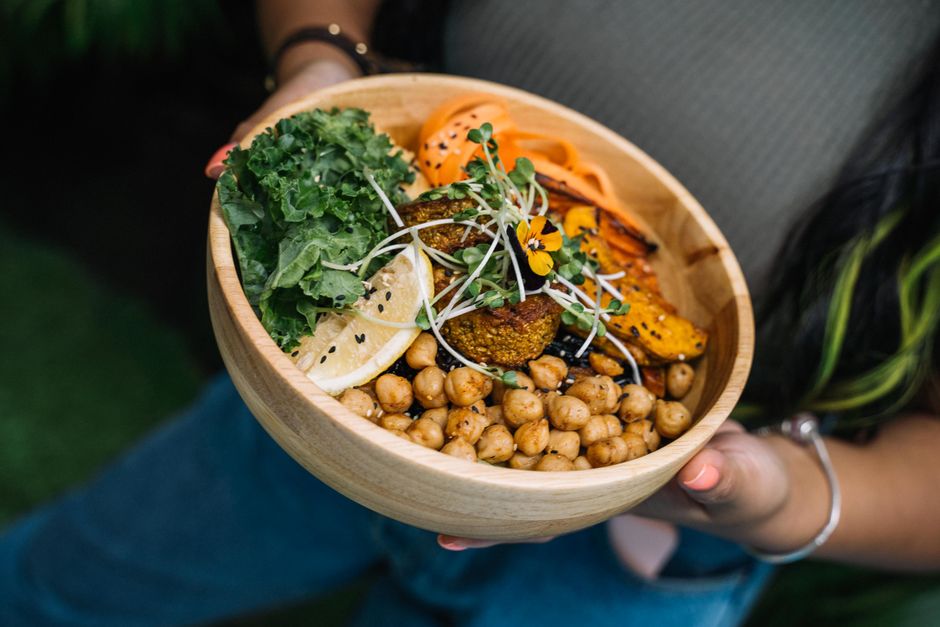
Example: A large salad with mixed greens, bell peppers, cucumber (½ plate), chickpeas and baked tofu (¼ plate), and a sprinkle of quinoa (¼ plate), dressed with a lemon-tahini dressing and a few walnuts.
Essential Nutrients and Supplements for Plant-Based Dieters
While a well-planned plant-based diet is incredibly nutrient-rich, certain nutrients require special attention, particularly for beginners. Being aware of these and knowing their plant-based sources or when to supplement is crucial for optimal health and sustainable weight loss.
Key Nutrients to Monitor:
- Vitamin B12: This is the most critical nutrient to monitor on a plant-based diet, as it is primarily found in animal products. B12 is essential for nerve function and red blood cell formation.
- Sources: Fortified plant milks, fortified cereals, nutritional yeast.
- Recommendation: Regardless of sources, regular B12 supplementation (250-1000 mcg cyanocobalamin daily or 2500 mcg weekly) is strongly recommended for all plant-based eaters.
- Iron: Plant-based iron (non-heme iron) is less readily absorbed than heme iron from animal sources. However, the abundance of iron in plants means deficiency is rare with a varied diet. Iron is vital for oxygen transport and energy.
- Sources: Lentils, beans, spinach, kale, tofu, tempeh, cashews, pumpkin seeds, fortified cereals.
- Absorption Tips: Pair iron-rich foods with Vitamin C sources (citrus fruits, bell peppers, broccoli) to significantly enhance absorption. Avoid consuming iron-rich meals with coffee or tea, which can inhibit absorption.
- Omega-3 Fatty Acids: Essential for brain health, heart health, and reducing inflammation. While plants provide alpha-linolenic acid (ALA), the conversion to the more active EPA and DHA can be inefficient.
- Sources: Flaxseeds, chia seeds, hemp seeds, walnuts (all good ALA sources).
- Recommendation: Consider a daily algae-based EPA/DHA supplement to ensure optimal intake, especially if you have specific health concerns or are pregnant/breastfeeding.
- Calcium: Crucial for bone health and many bodily functions.
- Sources: Fortified plant milks and yogurts, fortified orange juice, collard greens, kale, bok choy, broccoli, tofu (calcium-set), sesame seeds, almonds.
- Tip: Aim for a variety of these sources throughout the day.
- Vitamin D: Primarily obtained from sun exposure, with limited dietary sources. Important for bone health, immune function, and mood.
- Sources: Fortified plant milks, fortified cereals, mushrooms exposed to UV light.
- Recommendation: Many people, regardless of diet, are deficient. Regular sun exposure (if safe for you) and/or a Vitamin D supplement (D2 or D3 from lichen) are often recommended, especially in winter months or for those with limited sun exposure.
- Iodine: Essential for thyroid function.
- Sources: Iodized salt is the most reliable source. Seaweed can be a source, but consumption should be moderate and varied due to potentially high and inconsistent levels.
- Tip: Use iodized salt in cooking, or consider a supplement if you avoid salt or seaweed.
- Zinc: Important for immune function, wound healing, and DNA synthesis.
- Sources: Legumes (beans, lentils, chickpeas), nuts (cashews, almonds), seeds (pumpkin, hemp, chia), whole grains, tofu, tempeh.
- Tip: Soaking and sprouting legumes and grains can improve zinc absorption.
When to Consider Supplements
For most plant-based beginners, a Vitamin B12 supplement is non-negotiable and should be started immediately. For other nutrients, a blood test can help identify any deficiencies and guide supplementation. Consulting with a doctor or a registered dietitian specializing in plant-based nutrition can provide personalized advice based on your individual needs, health status, and weight loss goals.
Overcoming Common Challenges & Staying Motivated
Every journey has its bumps, and transitioning to a plant-based diet for weight loss is no exception. Anticipating and preparing for common challenges will help you navigate them successfully and stay motivated on your path to a healthier you.
Dealing with Cravings
Initially, you might experience cravings for old comfort foods or animal products. This is normal!
- Identify the Root: Are you truly hungry, or is it boredom, stress, or habit?
- Healthy Alternatives: Find plant-based swaps that satisfy similar cravings. Craving something salty and crunchy? Try roasted chickpeas or kale chips instead of potato chips. Sweet tooth? Reach for fruit, dates, or a small square of dark chocolate.
- Hydrate: Sometimes thirst is mistaken for hunger. Drink a large glass of water.
- Distraction: Engage in an activity you enjoy to shift your focus.
- Nutrient Density: Ensure your meals are truly satisfying and nutrient-dense. A lack of protein or healthy fats can leave you feeling unsatiated.
Social Situations and Dining Out
Eating out or attending social gatherings can be tricky.
- Research Ahead: Check restaurant menus online beforehand. Many places now offer plant-based options or are willing to customize dishes.
- Communicate Clearly: Don’t be afraid to politely explain your dietary preferences to the server. Ask if dishes can be made without meat, dairy, or eggs.
- Be Prepared: If you’re going to a potluck or visiting friends/family, offer to bring a delicious plant-based dish to share. This ensures you have something to eat and introduces others to tasty plant-based food.
- Focus on the Company: Remember that social events are about connection, not just food.
Avoiding “Vegan Junk Food” Traps
Just because something is labeled “vegan” doesn’t automatically make it healthy or conducive to weight loss. Many processed vegan products (burgers, cheeses,
Photo by Fuzzy Rescue on Pexels