Water Intake for Weight Loss: Your Daily Hydration Guide
In the vast landscape of weight loss strategies, countless diets, exercise routines, and supplements vie for your attention. Yet, amidst the complexity, one of the most powerful, accessible, and often overlooked tools for shedding pounds remains incredibly simple: water. Yes, the clear, calorie-free liquid that makes up a significant portion of your body is not just essential for survival, but a potent ally in your journey to a leaner, healthier you.
At GetLeanPulse.com, we believe in empowering you with evidence-based strategies that work. This comprehensive guide will dive deep into the science behind water and weight loss, reveal how much water you truly need each day, explore the optimal times to drink it, and equip you with practical tips to integrate strategic hydration into your lifestyle. Prepare to unlock the full potential of water and transform your weight loss efforts from the inside out.
The Unseen Power: How Water Aids Weight Loss
It might seem too good to be true that simply drinking more water can contribute to weight loss, but the science is clear. Water plays multiple crucial roles in your body that directly impact your ability to burn fat, control appetite, and maintain a healthy metabolism.
1. Boosting Metabolism (Thermogenesis)
One of the most exciting ways water supports weight loss is through a process called thermogenesis. When you drink water, especially cold water, your body expends energy to warm it to body temperature. While the caloric expenditure from a single glass might be small, consistently drinking water throughout the day can add up. Studies have shown that increasing water intake can lead to a modest, but significant, increase in resting energy expenditure (REE) – the number of calories your body burns at rest. This means your body becomes a slightly more efficient calorie-burning machine just by staying hydrated.
2. Natural Appetite Suppression
Often, what we perceive as hunger is actually thirst. Our bodies can sometimes confuse these signals. Drinking a glass of water, especially before meals, can help you differentiate between true hunger and simple dehydration. More importantly, water takes up space in your stomach, leading to a feeling of fullness. This can significantly reduce the amount of food you consume during a meal, thereby lowering your overall calorie intake. Several studies have demonstrated that individuals who drink water before meals tend to eat less and, over time, experience greater weight loss.
3. Enhancing Fat Metabolism (Lipolysis)
For your body to effectively break down and utilize stored fat for energy, it needs water. The process of lipolysis, where fat is broken down into fatty acids and glycerol, requires water as a medium. Dehydration can hinder this crucial process, making it harder for your body to access and burn fat stores. Adequate hydration ensures that your metabolic machinery, including fat metabolism, runs smoothly and efficiently.
4. Efficient Nutrient Transport and Waste Removal
Water is the primary medium for transporting nutrients, oxygen, and hormones to your cells. It’s also vital for flushing out waste products and toxins from your body, including those created during fat metabolism. When you’re dehydrated, your kidneys have to work harder, and your liver, which plays a key role in fat metabolism, might be less efficient. Proper hydration supports optimal organ function, ensuring your body can effectively process nutrients and eliminate waste, both of which are critical for weight management.
5. Improving Exercise Performance
Regular physical activity is a cornerstone of any successful weight loss plan. Water is absolutely critical for optimal exercise performance. Even mild dehydration can lead to decreased endurance, reduced strength, and impaired cognitive function during workouts. When you’re well-hydrated, you can push harder, train longer, and burn more calories, ultimately accelerating your weight loss progress. It prevents muscle cramps and lubricates joints, reducing the risk of injury and keeping you consistent with your fitness routine.
6. Reducing Liquid Calorie Intake
One of the simplest yet most effective ways water aids weight loss is by replacing sugary drinks. Sodas, fruit juices, sweetened teas, and energy drinks are packed with empty calories that contribute significantly to weight gain without providing satiety. Swapping just one sugary drink a day for water can save you hundreds of calories per week, leading to a substantial calorie deficit over time. This simple switch can have a profound impact on your overall caloric intake and waistline.
How Much Water Do You REALLY Need for Weight Loss?
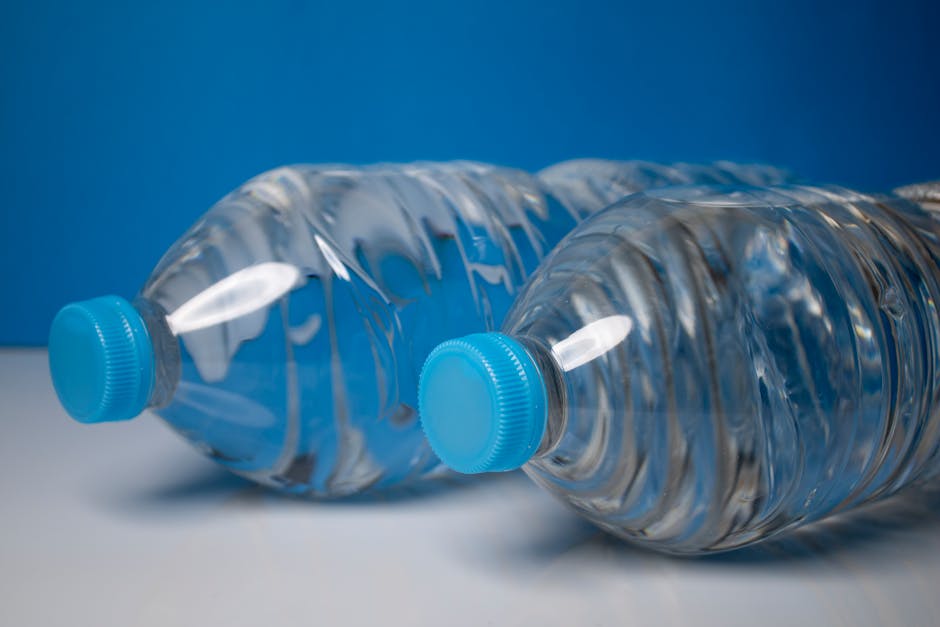
This is perhaps the most common question, and unfortunately, there’s no one-size-fits-all answer. The old adage of “8 glasses a day” is a good starting point, but individual needs vary widely based on several factors. For weight loss specifically, your hydration goals might be slightly higher than the general recommendation.
The “Half Your Body Weight in Ounces” Rule
A popular guideline often recommended by fitness and nutrition experts for active individuals and those aiming for weight loss is to drink half your body weight in ounces of water daily. For example:
- If you weigh 150 lbs, aim for 75 ounces (approx. 2.2 liters).
- If you weigh 200 lbs, aim for 100 ounces (approx. 2.9 liters).
This is a good baseline, but it’s important to understand that this number can fluctuate based on other variables.
Factors Influencing Your Daily Water Needs:
- Activity Level: If you’re exercising intensely or for extended periods, you’ll sweat more and need to replenish fluids more frequently. Athletes or those with very active jobs will require significantly more water.
- Climate: Living in a hot, humid, or high-altitude environment increases fluid loss through sweat and respiration, demanding higher water intake.
- Diet: A diet rich in fruits and vegetables, which have high water content, can contribute to your overall fluid intake. Conversely, a diet high in sodium or protein might increase your water needs.
- Health Conditions: Certain health conditions, such as fever, vomiting, diarrhea, or specific medical conditions (e.g., kidney disease, heart failure), can alter your fluid requirements. Pregnant and breastfeeding women also have increased hydration needs. Always consult a healthcare professional for personalized advice in these situations.
- Body Size: Larger individuals generally require more water to maintain hydration and support their metabolic processes.
Listening to Your Body: The Best Indicator
While guidelines are helpful, the most accurate way to assess your hydration status is to listen to your body and observe its signals:
- Thirst: This is your body’s primary signal for dehydration. Don’t wait until you’re parched; sip water consistently throughout the day.
- Urine Color: A good indicator of hydration. Aim for pale yellow urine, similar to the color of lemonade. Darker yellow indicates dehydration, while completely clear urine might suggest over-hydration, though this is rare and usually only seen in extreme circumstances.
- Energy Levels: Fatigue, headaches, and dizziness can all be signs of mild dehydration.
It’s crucial to find a sustainable amount that works for you without causing discomfort. Gradually increasing your intake is often the best approach.
Strategic Hydration: When to Drink Water for Maximum Impact
It’s not just about how much, but also when. Timing your water intake can amplify its weight loss benefits.
1. First Thing in the Morning
After 6-8 hours of sleep, your body is naturally dehydrated. Kicking off your day with a large glass (16-20 ounces) of water rehydrates your body, kickstarts your metabolism, and signals your digestive system to wake up. Some studies even suggest that drinking water first thing in the morning can boost metabolism by up to 24% for a short period.
2. Before Every Meal
This is arguably the most impactful strategy for weight loss. Drinking 16-20 ounces of water about 30 minutes before a meal can significantly reduce your appetite and calorie intake. The water fills your stomach, creating a sense of fullness that helps you eat less without feeling deprived. Research published in the journal Obesity found that dieters who drank two cups of water before meals lost 4.5 pounds more over 12 weeks than those who didn’t.
3. Before, During, and After Exercise
Hydration is paramount for effective workouts. Drink water before you start to pre-hydrate, sip throughout your exercise session to replace fluids lost through sweat, and rehydrate afterward to aid recovery. For intense or long workouts, consider an electrolyte-enhanced drink, but for most people, plain water is sufficient.
4. When Hunger Strikes (Between Meals)
As mentioned earlier, your body can confuse thirst and hunger signals. Before reaching for a snack, try drinking a glass of water. Wait 10-15 minutes. If you’re still hungry, then opt for a healthy, nutrient-dense snack. This simple habit can prevent unnecessary snacking and reduce overall calorie intake.
5. Throughout the Day
Consistent sipping is key. Don’t wait until you’re parched. Keep a water bottle with you and take small sips regularly. This ensures a steady supply of fluid to your body, maintaining optimal hydration levels and preventing the dips in energy and metabolism that can come with even mild dehydration.
Beyond Plain Water: Enhancing Your Hydration Strategy
While plain water is the gold standard, there are ways to make hydration more appealing and even more beneficial.
1. Infused Water
If you find plain water boring, infuse it with natural flavors. This adds taste without adding calories or artificial sweeteners. Popular options include:
- Lemon/Lime: Adds a refreshing zest and some vitamin C.
- Cucumber/Mint: Creates a spa-like, cooling beverage.
- Berries (strawberries, raspberries): Imparts a subtle sweetness and antioxidants.
- Ginger: Known for its digestive benefits and spicy kick.
- Orange/Grapefruit: A bright, citrusy flavor boost.
Simply slice your chosen fruits, vegetables, or herbs and add them to a pitcher of water, letting it sit for a few hours in the fridge to allow the flavors to meld. This can make hitting your daily water goals much more enjoyable.
2. Unsweetened Herbal Teas
Herbal teas like peppermint, chamomile, or ginger tea are calorie-free and can contribute to your daily fluid intake. They offer warmth and comfort, making them a great alternative to plain water, especially during colder months or in the evenings. Ensure they are unsweetened to avoid adding unnecessary calories.
3. High-Water Content Foods
Remember that a significant portion of your daily fluid intake also comes from the foods you eat. Incorporating more fruits and vegetables with high water content can help you stay hydrated and provide essential vitamins, minerals, and fiber. Excellent choices include:
- Cucumber (95% water)
- Lettuce (95% water)
- Celery (95% water)
- Tomatoes (94% water)
- Watermelon (92% water)
- Spinach (91% water)
- Strawberries (91% water)
- Grapefruit (90% water)
These foods not only hydrate but also provide bulk and nutrients, contributing to satiety and overall health.
4. Electrolyte Water (When Appropriate)
For most daily activities and moderate exercise, plain water is perfectly adequate. However, if you’re engaging in very intense, prolonged exercise (e.g., ultra-marathon running) or exercising in extreme heat, electrolyte-enhanced water or sports drinks might be beneficial to replenish lost sodium, potassium, and other minerals. For general weight loss and hydration, plain water is usually best, as many sports drinks contain added sugars and calories that can counteract your weight loss efforts.
Common Myths and Misconceptions About Water and Weight Loss
Despite its simplicity, water is often subject to various myths. Let’s debunk some common ones:
Myth 1: “Drinking too much water is dangerous.”
Reality: While it’s true that excessive water intake can lead to hyponatremia (a dangerous drop in blood sodium levels), this is extremely rare in healthy individuals. It typically occurs in endurance athletes who over-hydrate during events without replacing electrolytes, or in individuals with specific medical conditions that impair kidney function. For the vast majority of people following the “half body weight in ounces” rule, this is not a concern. Your kidneys are highly efficient at processing fluids.
Myth 2: “Water makes you bloated.”
Reality: Initially, if you dramatically increase your water intake, you might feel a temporary sensation of fullness. However, consistent hydration actually helps reduce water retention and bloating. Dehydration can cause your body to hold onto water as a survival mechanism. When you’re consistently well-hydrated, your body learns to release excess fluid more efficiently. Bloating is more often caused by high sodium intake, certain foods, or digestive issues.
Myth 3: “All liquids count as water.”
Reality: Not quite. While some liquids contribute to your overall fluid intake, not all are created equal. Sugary drinks (soda, juice), alcoholic beverages, and even highly caffeinated drinks can have dehydrating effects or add empty calories, counteracting your weight loss goals. Unsweetened herbal teas and black coffee can contribute, but plain water should still be your primary source of hydration for weight loss.
Myth 4: “Cold water burns more calories, so always drink cold.”
Reality: While cold water does require your body to expend a tiny bit more energy to warm it up (as discussed in thermogenesis), the caloric difference is negligible over a single glass – perhaps 8-10 calories per liter. While it contributes, it’s not a magic bullet. The most important thing is to drink water consistently, regardless of temperature, choosing what you find most palatable to ensure adherence.
Practical Tips for Increasing Your Daily Water Intake
Making hydration a consistent habit doesn’t have to be daunting. Here are practical strategies to help you reach your water intake goals:
1. Invest in a Good Water Bottle
A reusable water bottle is your best friend. Choose one you love – in your favorite color, with a convenient spout, or with time markers to help you track your progress. Keep it with you at all times: at your desk, in your car, in your bag, by your bed. Visibility is a powerful cue.
2. Set Reminders
In our busy lives, it’s easy to forget to drink. Use technology to your advantage:
- Smartphone Alarms: Set hourly alarms to remind you to take a few sips.
- Hydration Apps: Many apps (e.g., WaterMinder, Plant Nanny) track your intake, send reminders, and even gamify the process.
- Smart Water Bottles: Some bottles sync with your phone and light up to remind you to drink.
3. Make It a Ritual
Integrate water into your daily routines:
- Drink a full glass immediately upon waking.
- Have a glass before every meal and snack.
- Sip water during your commute.
- Keep a glass of water by your bedside for nighttime sips or first thing in the morning.
4. Flavor Your Water (Naturally)
As discussed, infused water can make hydration much more enjoyable. Experiment with different fruit and herb combinations until you find your favorites.
5. Pair Water with Other Habits
This is a technique called “habit stacking.” For example:
- “Every time I open my laptop, I’ll take three sips of water.”
- “Every time I finish a phone call, I’ll drink a quarter-glass of water.”
- “Every time I use the restroom, I’ll refill my water bottle.”
6. Track Your Intake
Knowing how much you’re actually drinking can be motivating. Use a marked water bottle, a journal, or a hydration app to track your progress. Seeing those numbers add up can encourage you to meet your goals.
7. Eat Your Water
Don’t forget the hydrating power of water-rich foods. Incorporate more fruits and vegetables into your diet to naturally boost your fluid intake.
8. Make It a Challenge
Set daily or weekly hydration challenges for yourself or with friends. A little friendly competition can be a great motivator.
Signs of Dehydration and Over-Hydration
Understanding the signs of both inadequate and excessive water intake is important for maintaining optimal health.
Signs of Dehydration:
- Increased Thirst: Your body’s primary signal.
- Dark Urine: Urine that is dark yellow or amber.
- Dry Mouth and Skin: Noticeable dryness in your mouth and potentially less skin elasticity.
- Fatigue and Low Energy: Dehydration can lead to feelings of tiredness and sluggishness.
- Headaches: Often one of the first physical symptoms.
- Dizziness or Lightheadedness: Especially when standing up quickly.
- Reduced Urination: Fewer trips to the bathroom.
If you experience severe symptoms like extreme thirst, lack of urination, shriveled skin, or confusion, seek medical attention immediately.
Signs of Over-Hydration (Hyponatremia):
As mentioned, over-hydration is rare in healthy individuals but can occur in extreme circumstances. Symptoms are often vague and can mimic dehydration:
- Nausea and Vomiting: Feeling sick to your stomach.
- Headaches: Due to swelling in the brain.
- Confusion and Disorientation: Impaired cognitive function.
- Muscle Weakness, Spasms, or Cramps: Due to electrolyte imbalance.
- Swelling (Edema): Especially in hands, feet, or face.
If you suspect over-hydration, especially after consuming vast amounts of water quickly, it’s crucial to seek medical help.
Integrating Water into a Holistic Weight Loss Plan
While water is a powerful tool, it’s important to remember that it’s one piece of a larger puzzle. For sustainable and effective weight loss, water intake must be integrated into a holistic approach that includes:
- Balanced Nutrition: Focus on whole, unprocessed foods, lean proteins, healthy fats, and complex carbohydrates. Create a moderate calorie deficit.
- Regular Exercise: Combine cardiovascular activity with strength training to burn calories, build muscle, and boost metabolism.
- Adequate Sleep: Lack of sleep can disrupt hunger hormones (ghrelin and leptin) and increase cravings for unhealthy foods.
- Stress Management: Chronic stress can lead to increased cortisol levels, which can promote fat storage, especially around the abdomen.
- Mindful Eating: Pay attention to your body’s hunger and fullness cues, and eat slowly.
Water enhances all these efforts, making your diet more effective, your workouts more productive, and your overall body functions more efficient. It’s not a magic pill, but a fundamental pillar upon which successful weight loss and optimal health are built.
Conclusion: Embrace the Power of Water for a Leaner You
The journey to weight loss can feel complex, but sometimes the most impactful changes come from the simplest habits. Prioritizing your daily water intake is one such habit. From boosting your metabolism and suppressing appetite to enhancing fat burning and improving exercise performance, water is an indispensable ally in your quest for a leaner, healthier body.
By understanding how much water you need, when to drink it for maximum benefit, and incorporating practical strategies into your daily routine, you can leverage this free, calorie-free resource to significantly accelerate your weight loss journey. Don’t underestimate the profound impact that consistent, strategic hydration can have on your health, energy, and body composition.
Start today. Grab a glass, take a sip, and empower your body to achieve its full weight loss potential. Your body will thank you, and your results will speak for themselves.
Photo by Maurício Mascaro on Pexels