Embarking on a weight loss journey can often feel like navigating a complex maze, riddled with confusing dietary advice, fleeting trends, and the constant temptation of unhealthy choices. Many start with enthusiasm, only to find themselves derailed by hunger, lack of time, or simply not knowing what to eat next. But what if there was a powerful, yet simple, strategy that could cut through the confusion, streamline your efforts, and propel you towards your weight loss goals with unwavering consistency? Enter meal planning.
Meal planning is not just about writing down what you’ll eat; it’s a strategic approach to nutrition that transforms your relationship with food, empowers you to make healthier decisions, and ultimately, makes sustainable weight loss an achievable reality. For the team at GetLeanPulse.com, we believe it’s the cornerstone of any successful weight management program, offering a clear roadmap in a world full of dietary detours.
This comprehensive guide will demystify the art and science of meal planning for weight loss. We’ll delve into why it’s so effective, break down the foundational principles, provide a step-by-step framework for creating your own personalized plan, and equip you with advanced strategies to overcome common obstacles. By the time you finish this article, you’ll have all the tools and knowledge necessary to master meal planning, take control of your diet, and sculpt the leaner, healthier body you desire.
Why Meal Planning is Your Weight Loss Game Changer
In the pursuit of weight loss, consistency and intentionality are paramount. Meal planning delivers both in spades, offering a multitude of benefits that extend far beyond simply knowing what’s for dinner. It’s the strategic advantage that sets successful weight loss journeys apart from those that falter.
Eliminates Decision Fatigue & Impulse Eating
Imagine this: it’s 6 PM, you’re exhausted from a long day, and your stomach is rumbling. Without a plan, the path of least resistance often leads to unhealthy takeout, sugary snacks, or overeating whatever is quickest to prepare. This phenomenon is known as decision fatigue – the more choices you have to make, the more mental energy you expend, leading to poorer decisions later on. Meal planning eradicates this problem. When your meals are pre-determined, prepped, and ready to go, there’s no room for last-minute, emotionally driven, or convenience-based unhealthy choices. You simply execute the plan, saving mental energy and ensuring you stick to your weight loss goals even when willpower is low.
Promotes Portion Control
One of the biggest culprits in unintentional weight gain is oversized portions. Even healthy foods can contribute to excess calories if not consumed in moderation. Meal planning inherently addresses this by encouraging you to pre-portion your meals. When you cook in bulk, you can divide your food into individual containers, ensuring that each meal adheres to your specific caloric and macronutrient targets. This visual and tangible control over your food intake is incredibly powerful, helping you to develop a healthier understanding of appropriate serving sizes and preventing the common pitfall of “eyeballing” portions.
Saves Time & Money
At first glance, meal planning might seem like an added chore, but in reality, it’s a huge time-saver. Dedicating a few hours once or twice a week to planning, shopping, and prepping means less time spent cooking daily, fewer trips to the grocery store, and no more agonizing over what to eat. Furthermore, by buying ingredients in bulk, avoiding impulse purchases, and significantly reducing expensive takeout or restaurant meals, meal planning can dramatically cut down your food budget. It’s an investment that pays dividends in both time and financial savings, making your weight loss journey more sustainable in the long run.
Ensures Nutritional Balance
A successful weight loss diet isn’t just about cutting calories; it’s about providing your body with the right balance of macronutrients (protein, carbohydrates, fats) and a rich array of micronutrients (vitamins, minerals). When you plan your meals, you can consciously build plates that are rich in lean protein, complex carbohydrates, healthy fats, and plenty of fruits and vegetables. This intentional approach ensures you’re getting all the essential nutrients your body needs to function optimally, support muscle preservation during weight loss, maintain energy levels, and prevent nutrient deficiencies that can sabotage your efforts.
Builds Healthy Habits
Weight loss is rarely a linear process, but it is always a habit-building one. Meal planning is a powerful tool for establishing and reinforcing positive dietary habits. Regular planning, shopping, prepping, and mindful eating become second nature over time. These consistent actions train your brain and body to anticipate and prefer healthier options, making deviations less likely and adherence more automatic. It fosters a proactive rather than reactive approach to eating, laying the groundwork for sustainable lifestyle changes that extend far beyond hitting your target weight.
Reduces Stress & Increases Compliance
The mental load associated with daily food decisions can be surprisingly stressful. “What should I eat?”, “Do I have the ingredients?”, “Is this healthy?” – these questions can add unnecessary anxiety to your day. Meal planning eliminates this stress. Knowing exactly what you’ll eat for each meal provides a sense of control and predictability, freeing up mental bandwidth for other priorities. This reduction in stress, coupled with the ease of having healthy meals readily available, significantly increases your likelihood of sticking to your plan and achieving consistent progress.
The Foundational Pillars of Weight Loss Meal Planning
Before you dive into selecting recipes and chopping vegetables, it’s crucial to understand the fundamental principles that underpin effective weight loss meal planning. These pillars ensure your plan is not only delicious and practical but also scientifically sound and tailored to your body’s needs.
Understanding Your Caloric Needs
The cornerstone of any weight loss strategy is creating a calorie deficit – consuming fewer calories than your body burns. To do this effectively, you first need to understand your individual caloric needs. This involves calculating your Basal Metabolic Rate (BMR), which is the number of calories your body burns at rest, and then factoring in your activity level to determine your Total Daily Energy Expenditure (TDEE). Online calculators can help you estimate your BMR and TDEE using factors like age, gender, weight, height, and activity level. Once you have your TDEE, a safe and sustainable calorie deficit for weight loss typically ranges from 500 to 750 calories per day, aiming for a weight loss of 1-1.5 pounds per week. It’s crucial not to go too low with your calories, as this can lead to nutrient deficiencies, muscle loss, and a slowed metabolism, making sustained weight loss harder.
Macronutrient Balance for Satiety & Muscle Preservation
While total calories are important, the composition of those calories – your macronutrient balance – plays a significant role in satiety, energy levels, and preserving muscle mass during weight loss. The three macronutrients are protein, carbohydrates, and fats, each serving vital functions:
- Protein: Absolutely critical for weight loss. Protein is highly satiating, meaning it keeps you feeling full for longer, reducing the likelihood of snacking. It also has a higher thermic effect of food (TEF) than carbs or fats, meaning your body burns more calories digesting it. Most importantly, adequate protein intake helps preserve lean muscle mass while you’re in a calorie deficit, which is vital for maintaining a healthy metabolism. Aim for 0.7-1 gram of protein per pound of body weight. Excellent sources include lean meats (chicken breast, turkey, lean beef), fish, eggs, dairy (Greek yogurt, cottage cheese), legumes, and tofu.
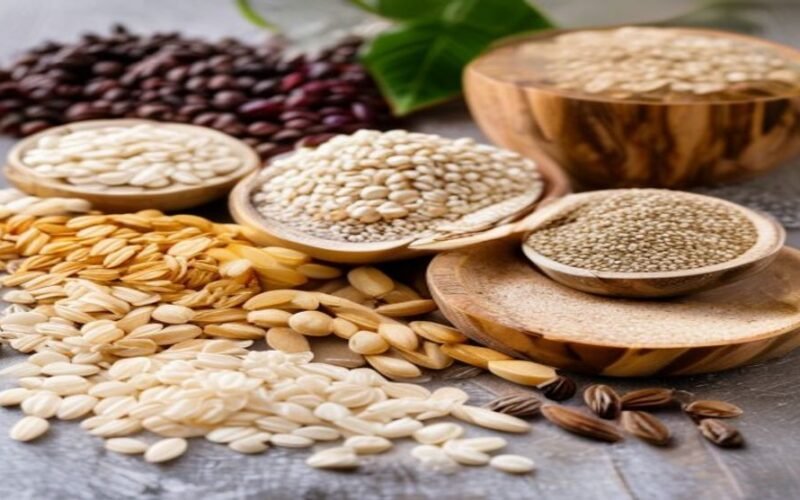
- Complex Carbohydrates: Your body’s primary source of energy. Opt for complex carbohydrates over simple sugars. Complex carbs (whole grains, vegetables, fruits) are rich in fiber, which aids digestion, promotes satiety, and helps stabilize blood sugar levels, preventing energy crashes and cravings. While “low-carb” diets can be effective, don’t demonize all carbs. The right kind provides sustained energy for workouts and daily activities. Examples include oats, brown rice, quinoa, sweet potatoes, whole-grain bread, and a wide array of vegetables.
- Healthy Fats: Essential for hormone production, nutrient absorption, and long-term satiety. While fats are calorie-dense, healthy fats are crucial for overall health and can help you feel satisfied after meals. Prioritize monounsaturated and polyunsaturated fats found in avocados, nuts, seeds, olive oil, and fatty fish like salmon. Avoid trans fats and limit saturated fats.
A good starting macronutrient ratio for weight loss often looks like 30-40% protein, 30-40% carbohydrates, and 20-30% healthy fats, but this can be adjusted based on individual preferences and how your body responds.
Micronutrients: Don’t Forget the Vitamins & Minerals
Beyond the macros, a truly effective meal plan is rich in micronutrients – the vitamins and minerals essential for countless bodily functions, including metabolism, immune health, and energy production. Focusing on whole, unprocessed foods naturally ensures a higher intake of these vital nutrients. Prioritize a wide variety of colorful fruits and vegetables, which are packed with vitamins, minerals, and antioxidants. Incorporate whole grains and lean proteins that also contribute to your micronutrient intake. Nutrient density should be a key consideration when selecting foods for your meal plan.
Hydration: The Often-Overlooked Element
Water is often the unsung hero of weight loss. It plays a critical role in metabolism and nutrient transport. Drinking enough water can also help you feel fuller, potentially reducing overall calorie intake. Sometimes, what we perceive as hunger is actually thirst. Aim to drink at least 8-10 glasses of water per day, and even more if you’re active or in a hot climate. Keep a water bottle handy and make hydration a non-negotiable part of your daily routine. Herbal teas and sparkling water (without added sugars) can also contribute to your fluid intake.
The Step-by-Step Guide to Crafting Your Perfect Meal Plan
Now that you understand the foundational principles, let’s walk through the practical steps to build a meal plan that works for you. This structured approach will simplify the process and ensure your plan is both effective and enjoyable.
Step 1: Assess Your Current Eating Habits & Lifestyle
Before you make changes, understand your starting point. For a few days (or even a week), keep a detailed food diary. Log everything you eat and drink, including portion sizes, times, and how you felt afterward. This exercise reveals patterns, identifies trigger foods, and highlights areas for improvement. Also, consider your lifestyle:
- Time Constraints: How much time can you realistically dedicate to cooking and meal prep each week?
- Cooking Skills: Are you a novice cook or a culinary whiz? Start with recipes that match your skill level.
- Budget: Set a realistic budget for groceries.
- Dietary Preferences/Restrictions: Do you have allergies, intolerances, or ethical preferences (vegetarian, vegan)? These will heavily influence your food choices.
- Family Needs: Are you cooking for just yourself or a family with varied tastes?
This self-assessment is crucial for creating a sustainable plan that fits your real life, not an idealized version.
Step 2: Determine Your Weight Loss Goals & Calorie Target
Based on your TDEE calculation (from the foundational pillars section), set a realistic calorie target that creates a deficit of 500-750 calories per day. Remember, consistency is key, so choose a target that feels challenging but not restrictive to the point of being unsustainable. Aim for a gradual, steady weight loss of 1-2 pounds per week. Use an online calculator to get an initial estimate, and be prepared to adjust it based on your progress. Tools like MyFitnessPal or LoseIt! can help you track and adjust your caloric intake.
Step 3: Choose Your Meal Planning Horizon (Weekly, Bi-Weekly)
Decide how far in advance you want to plan your meals.
- Weekly Planning: Most common and often easiest for beginners. You plan, shop, and prep for seven days. This allows for fresh ingredients and regular adjustments.
- Bi-Weekly Planning: Suitable for experienced preppers or those with very busy schedules. Requires more freezer-friendly meals and careful consideration of ingredient shelf life.
Start with weekly planning to build confidence and refine your process.
Step 4: Select Your Meals & Recipes
This is where the fun begins!
- Start Simple: Don’t try to reinvent the wheel. Begin with 3-5 healthy, familiar recipes you already enjoy and know how to cook.
- Balance Macros: For each meal, aim for a lean protein source, a complex carbohydrate, plenty of non-starchy vegetables, and a healthy fat source.
- Batch Cooking Friendly: Prioritize recipes that can be easily prepared in larger quantities and portioned out. Think casseroles, stews, roasted chicken and vegetables, or large batches of grains.
- Variety vs. Repetition: While some repetition is fine (and even helpful for simplifying), ensure enough variety over the week to prevent boredom and ensure a wide range of nutrients. You might have the same breakfast every day but vary lunches and dinners.
- Snacks: Don’t forget to plan for 1-2 healthy snacks between meals if needed to manage hunger and prevent overeating at main meals.
- Inspiration: Explore healthy food blogs (like GetLeanPulse.com!), cookbooks, and online recipe databases. Look for “meal prep friendly” or “healthy weight loss recipes.”
Sketch out your meals for each day. For example:
- Breakfast: Oatmeal with berries and nuts / Scrambled eggs with spinach and whole-wheat toast / Greek yogurt with fruit.
- Lunch: Large salad with grilled chicken / Leftover dinner / Turkey and veggie wrap.
- Dinner: Baked salmon with quinoa and roasted broccoli / Chicken stir-fry with brown rice / Lean ground turkey chili.
- Snacks: Apple slices with almond butter / Handful of almonds / Veggie sticks with hummus.
Step 5: Build Your Grocery List
Once your meal plan is set, create a detailed grocery list.
- Check Your Pantry First: Before heading to the store, check what you already have to avoid unnecessary purchases.
- Categorize: Group items by grocery store section (produce, dairy, meat, pantry staples) to make shopping efficient.
- Be Specific: Instead of “vegetables,” write “2 heads of broccoli, 1 bag of spinach, 3 bell peppers.”
- Stick to the List: This is crucial for staying on budget and avoiding impulse buys that can derail your plan.
Step 6: Prep Like a Pro: The Power of Meal Prep
Dedicate a specific block of time (e.g., Sunday afternoon) for your meal prep. This is where your plan comes to life.
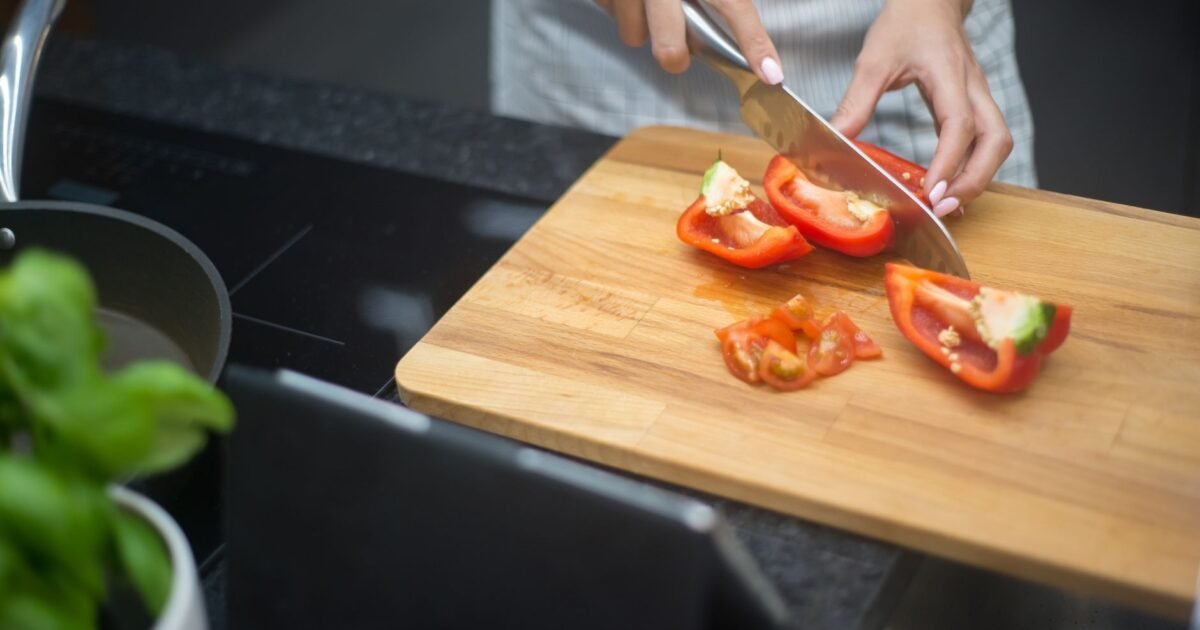
- Wash & Chop: Wash and chop all your vegetables for the week. Store them in airtight containers.
- Cook Grains: Cook large batches of quinoa, brown rice, or other grains.
- Cook Proteins: Bake, grill, or boil chicken breasts, ground meat, or hard-boiled eggs.
- Prepare Dressings/Sauces: Make healthy dressings or sauces in advance.
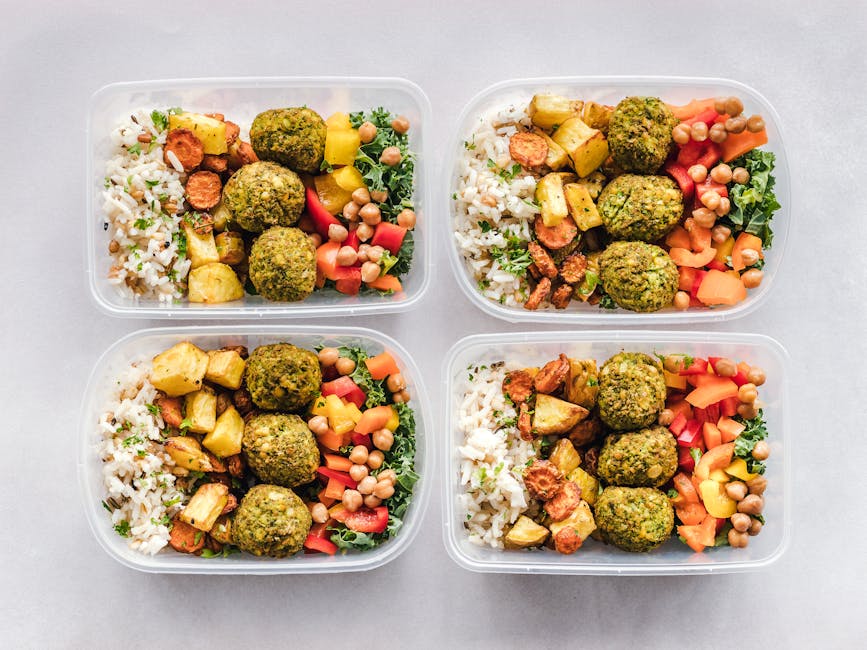
- Portion Out: Divide cooked meals into individual serving containers. This is vital for portion control.
- Proper Storage: Use high-quality, airtight containers. Label and date containers, especially if freezing. Most prepped meals will last 3-4 days in the fridge.
Step 7: Track, Adjust, and Learn
Meal planning isn’t a “set it and forget it” process.
- Track Your Intake: Use a food tracking app to log your meals for the first few weeks. This helps ensure you’re hitting your calorie and macro targets.
- Monitor Progress: Regularly check your weight, body measurements, and how your clothes fit. Don’t solely rely on the scale, as fluctuations are normal.
- Assess & Adjust: If you’re not losing weight, you might need to slightly reduce calories or adjust your macro ratios. If you’re constantly hungry, increase protein and fiber. If you’re bored, experiment with new spices or recipes.
- Be Flexible: Life happens. If you miss a meal or have an unexpected event, don’t let it derail your entire plan. Get back on track with your next meal. Learn from deviations rather than letting them lead to guilt or abandonment.

Practical Strategies & Advanced Tips for Sustained Success
Once you’ve mastered the basics, these strategies will help you optimize your meal planning, overcome common hurdles, and ensure long-term success on your weight loss journey.
Embrace Batch Cooking & Freezer-Friendly Meals
Batch cooking is the ultimate time-saver. Dedicate one day a week to preparing larger quantities of staple ingredients or entire meals. Cook a big batch of chicken breast, roast a tray of vegetables, prepare a large pot of quinoa or brown rice. These can then be mixed and matched throughout the week. For even greater efficiency, choose freezer-friendly meals. Chili, stews, soups, cooked ground meats, and even pre-portioned cooked grains freeze beautifully. This creates a “healthy fast food” stash for busy days when cooking isn’t an option. Remember to thaw frozen meals safely and reheat them thoroughly.
Master the Art of Smart Snacking
Snacks can be either your downfall or your secret weapon. The key is strategic snacking. Their purpose should be to bridge the gap between meals, prevent extreme hunger, and provide additional nutrients, not to indulge in mindless eating. Pre-portion your snacks to avoid overeating. Excellent smart snack ideas include:
- A handful of almonds or walnuts (healthy fats, protein, fiber)
- Greek yogurt with a few berries (protein, probiotics)
- Apple slices with a tablespoon of almond butter (fiber, healthy fats)
- Carrot sticks or bell pepper strips with hummus (fiber, vitamins)
- Hard-boiled eggs (pure protein)
- A small piece of fruit (natural sugars, fiber)
Avoid processed snacks high in sugar, unhealthy fats, and refined carbs, as these often lead to energy crashes and cravings.
Navigating Eating Out & Social Events
Meal planning doesn’t mean you become a hermit. It means being prepared.
- Research Menus: If you know you’re eating out, look up the restaurant’s menu online beforehand. Identify healthier options like grilled proteins, salads (dressing on the side), or vegetable-heavy dishes.
- Ask for Modifications: Don’t be afraid to ask for sauces on the side, extra vegetables instead of fries, or grilled instead of fried.
- Portion Awareness: Restaurant portions are notoriously large. Consider eating half and taking the rest home, or sharing an entree.
- Prioritize Protein & Veggies: Fill your plate with protein and non-starchy vegetables first to promote satiety.
- Mindful Indulgence: If you choose to have a treat, enjoy it mindfully. Don’t let one meal derail your entire week. Get back on track with your next meal.
How do you eat out without breaking your meal plan?
- Look at the menu online first and pick your meal before you arrive.
- Choose grilled, baked or steamed protein with vegetables, and ask for sauces and dressings on the side.
- Restaurant portions are often large: share a main, order a starter-size portion, or box half before you start.
- Count the meal in your week rather than treating it as a failure. One restaurant meal will not undo a plan you follow most days.
The Role of Flexibility & “Treat Meals”
Strict deprivation is rarely sustainable. Incorporating flexibility, often in the form of a “treat meal” (we prefer this term over “cheat meal”), can prevent feelings of restriction and make your plan more enjoyable in the long run. A treat meal is a planned indulgence, where you allow yourself to enjoy a favorite food or meal that might not fit your typical plan. The key is “planned” – it’s not a free-for-all, but a controlled deviation. This can help satisfy cravings, improve adherence, and provide a mental break. For some, one treat meal per week works; for others, it’s less frequent. Find what works for you without letting it turn into a “treat day” or a spiral into old habits.
Don’t Fear Repetition (Strategic Variety)
While variety is important for nutrient intake and preventing boredom, don’t feel pressured to eat a completely different meal every single day. Strategic repetition simplifies planning, shopping, and prepping. For example, you might eat the same healthy breakfast every weekday and rotate through 2-3 different lunches. Dinners can offer more variety. The trick is to vary ingredients within a consistent structure. For example, your “lean protein + veggie + complex carb” dinner can rotate between chicken and broccoli, salmon and asparagus, or turkey and green beans, using different spices and cooking methods to keep things interesting.
Essential Kitchen Tools for Meal Preppers
Having the right tools can make meal prep significantly easier and more enjoyable:
- Airtight Food Containers: Glass or BPA-free plastic containers are essential for storing prepped meals safely and effectively.
- Good Quality Knives & Cutting Board: Makes chopping vegetables a breeze.
- Food Scale: Crucial for accurate portion control, especially when starting out.
- Measuring Cups & Spoons: For precise ingredient measurement.
- Large Pots & Pans: For batch cooking.
- Slow Cooker or Instant Pot: Excellent for hands-off cooking of proteins, stews, and grains.
- Blender: For smoothies and healthy sauces.
Overcoming Common Meal Planning Obstacles
- Lack of Time: Choose quick-cook recipes, utilize pre-cut vegetables (though often more expensive), or focus on batch cooking on your least busy day. Embrace simple meals that don’t require extensive cooking.
- Boredom: Experiment with new spices, herbs, and healthy sauces. Explore different cuisines. Introduce a new recipe or ingredient each week.
- Cravings: Plan for healthy alternatives to your cravings. If you crave something sweet, have fruit or a small square of dark chocolate. Ensure your main meals are satisfying and balanced to reduce cravings.
- Unexpected Events: Life happens. Have a few “emergency meals” in your freezer or pantry (e.g., canned tuna, frozen veggies, whole-wheat pasta) for days when your plan goes awry. Don’t let one deviation sabotage your entire effort; simply get back on track with the next meal.
Sample Weekly Meal Plan Structure (Customizable Template)
This is a template to inspire your own personalized meal plan. Remember to adjust portion sizes, ingredients, and recipes to fit your specific caloric needs, dietary preferences, and taste buds. Focus on variety within healthy categories.
Monday
- Breakfast: Oatmeal with a scoop of protein powder, berries, and a sprinkle of chia seeds.
- Lunch: Large salad with mixed greens, grilled chicken (prepped), cucumber, bell peppers, cherry tomatoes, and a light vinaigrette.
- Dinner: Baked salmon with quinoa and steamed green beans.
- Snack: Greek yogurt with a few almonds.
Tuesday
- Breakfast: Scrambled eggs (2) with spinach, a slice of whole-wheat toast, and half an avocado.
- Lunch: Leftover baked salmon, quinoa, and green beans.
- Dinner: Lean ground turkey chili (batch cooked) with a side of mixed greens.
- Snack: Apple slices with a tablespoon of natural peanut butter.
Wednesday
- Breakfast: Smoothie with spinach, banana, protein powder, and unsweetened almond milk.
- Lunch: Turkey and veggie wrap (whole-wheat tortilla, sliced turkey breast, lettuce, tomato, cucumber, mustard).
- Dinner: Chicken stir-fry (prepped chicken, mixed veggies) with brown rice.
- Snack: Hard-boiled egg and a handful of baby carrots.
Thursday
- Breakfast: Oatmeal with a scoop of protein powder, berries, and a sprinkle of chia seeds.
- Lunch: Leftover chicken stir-fry with brown rice.
- Dinner: Sheet pan chicken and roasted vegetables (broccoli, bell peppers, sweet potato).
- Snack: Small handful of walnuts and an orange.
Friday
- Breakfast: Scrambled eggs (2) with spinach, a slice of whole-wheat toast, and half an avocado.
- Lunch: Large salad with mixed greens, grilled chicken (prepped), cucumber, bell peppers, cherry tomatoes, and a light vinaigrette.
- Dinner: Homemade lean beef patties (no bun) with a large side salad and a baked sweet potato.
- Snack: Cottage cheese with sliced peaches.
Saturday
- Breakfast: Protein pancakes (made with protein powder and oats) with a small amount of sugar-free syrup and berries.
- Lunch: Leftover lean beef patties, salad, and sweet potato.
- Dinner: (Flex Meal/Treat Meal – within reason, e.g., a healthier homemade pizza or a restaurant meal where you make mindful choices).
- Snack: Edamame (steamed) or a small fruit smoothie.
Sunday
- Breakfast: Greek yogurt with granola (low sugar) and mixed berries.
- Lunch: Tuna salad (made with Greek yogurt instead of mayo) on whole-grain crackers with celery sticks.
- Dinner: Meal Prep Day! Cook a large batch of something freezable like lentil soup or a healthy casserole for the coming week.
- Snack: Rice cakes with avocado and everything bagel seasoning.
Tracking Your Progress and Staying Motivated
Weight loss is a journey, and consistent tracking and motivation are crucial for navigating its ups and downs. Meal planning provides a fantastic framework, but how you monitor and celebrate your progress will determine your long-term success.
Beyond the Scale: Holistic Progress Tracking
The scale is only one measure of progress. Your weight can go up and down from day to day because of water, salt and other factors.
Track a few other signs too:
- How Your Clothes Fit: Looser clothes are a clear sign of change.
- Waist Measurement: Measure once every few weeks at the same spot.
- Energy and Sleep: Notice if you feel more energetic and sleep better.
- Fitness: Can you walk further, climb stairs more easily or lift more?
- Progress Photos: Take a photo every few weeks in the same light and clothing.
Photo by Kampus Production on Pexels
Keep a Simple Log
Writing down what you eat, your activity and your weight is one of the most useful habits in weight loss. A systematic review found that self-monitoring of diet, exercise and weight was consistently linked with weight loss (Burke et al., 2011).
A notebook or an app both work. Pick whichever you’ll actually use.
Review and Adjust Your Plan
Each week, look at what worked and what didn’t. Swap meals you didn’t enjoy and repeat the ones you did. The CDC suggests revisiting your goals regularly and adding a new one once you are meeting the old one (CDC).
Celebrate Non-Food Wins
Reward progress with something other than food, like new workout gear, a relaxing bath or an outing with friends. The CDC recommends non-food rewards to stay motivated (CDC).
Be Patient
People who lose weight at a steady pace of about 1 to 2 pounds (0.5 to 1 kg) a week are more likely to keep it off (CDC). Slow progress is still progress.
How Do You Make a Meal Plan for Weight Loss That Lasts?
A good meal plan is simple, flexible and built around foods you enjoy.
Plan your meals around lean protein, vegetables, whole grains and healthy fats. Prep ahead, track your progress in more ways than one and adjust as you go.
Most of all, aim for a plan you could follow for months, not just a week.
Key takeaways
- Build meals around protein, vegetables, whole grains and healthy fats.
- Plan and prep ahead to make healthy choices easy.
- Track more than the scale: clothes, waist, energy and fitness.
- Keeping a simple food and weight log is linked with better weight loss (Burke et al., 2011).
- Aim for steady loss of about 1 to 2 pounds (0.5 to 1 kg) a week (CDC).