How to Lose 10 Pounds in 2 Weeks: A Comprehensive & Safe Approach
The desire to lose weight quickly is a common one, especially with a specific goal like dropping 10 pounds in just two weeks. Whether it’s for an upcoming event, a personal challenge, or to kickstart a longer weight loss journey, the ambition is understandable. At GetLeanPulse.com, we understand this drive, but our primary commitment is always to your health and safety. While losing 10 pounds in 14 days is an extremely ambitious goal, often involving a significant amount of water weight rather than pure fat loss, it is possible to make substantial progress and establish habits that lead to sustainable results.
This comprehensive guide will explore the strategies, sacrifices, and potential outcomes of aiming for such rapid weight loss. We will delve into the science behind quick weight loss, outline practical steps for nutrition and exercise, and, most importantly, emphasize how to approach this goal as safely and effectively as possible. Please remember, before embarking on any rapid weight loss program, it is crucial to consult with your doctor or a qualified healthcare professional. They can provide personalized advice based on your individual health status, ensuring that any changes you make are appropriate and safe for you.
Our goal is not to promote extreme or unhealthy practices, but rather to equip you with the knowledge to make informed decisions and understand what truly goes into accelerating your weight loss journey while prioritizing your well-being. Let’s explore how to navigate this challenge with intelligence and health at the forefront.
Understanding the Realities of Rapid Weight Loss
Before diving into specific strategies, it’s vital to set realistic expectations. Losing 10 pounds in two weeks is a significant amount of weight in a short period. For most people, a healthy and sustainable rate of fat loss is typically 1-2 pounds per week. Achieving 5 pounds per week, which is necessary for a 10-pound loss in two weeks, usually involves a substantial calorie deficit and often includes a considerable amount of water weight loss, especially at the beginning.
Fat Loss vs. Water Weight
- Fat Loss: To lose one pound of body fat, you need to create a calorie deficit of approximately 3,500 calories. To lose 10 pounds of pure fat in two weeks (14 days), you would need a total deficit of 35,000 calories, or 2,500 calories per day. This is an extremely large deficit that is very difficult and potentially unhealthy to achieve through diet and exercise alone for most individuals.
- Water Weight: Much of the initial rapid weight loss observed in the first few days of a new diet and exercise regimen is often water weight. This can be due to reduced carbohydrate intake (glycogen stores in muscles and liver bind water), decreased sodium intake, and increased fluid excretion. While encouraging, it’s important to recognize that this is not fat loss and can fluctuate.
Therefore, while the scale might show a 10-pound drop, a significant portion of that is likely water, not just fat. The strategies outlined below aim to optimize both water reduction and sustainable fat loss, laying the groundwork for continued progress.
Pillar 1: Drastic but Sustainable Calorie Deficit
The fundamental principle of weight loss is creating a calorie deficit – consuming fewer calories than your body burns. To lose weight rapidly, this deficit needs to be significant. However, it’s crucial to avoid extreme restriction that could harm your metabolism, nutrient intake, or overall health.
Calculating Your Calorie Needs
First, estimate your Basal Metabolic Rate (BMR) – the calories your body burns at rest. Online calculators can help, but a rough estimate is around 10-12 calories per pound of body weight for women and 12-14 for men. Then, factor in your activity level to get your Total Daily Energy Expenditure (TDEE).
For a 10-pound loss in two weeks, you’re looking at a daily deficit of 1,000-1,500 calories below your TDEE, potentially even more if you aim for significant fat loss in that timeframe. For many, this means eating between 1,200-1,500 calories per day, but never dropping below 1,200 calories for women or 1,500 for men without medical supervision, as this can lead to nutritional deficiencies and health risks.
Strategies for Calorie Reduction:
- Track Everything: Use a food tracking app (MyFitnessPal, Lose It!) to accurately monitor your calorie intake. This is non-negotiable for rapid weight loss.
- Prioritize Protein: Protein is highly satiating and helps preserve muscle mass during weight loss. Aim for 0.7-1 gram of protein per pound of body weight.
- Load Up on Fiber: Fiber-rich foods (vegetables, some fruits, whole grains in moderation) add volume to your meals, making you feel full without adding many calories.
- Eliminate Liquid Calories: Sugary drinks, specialty coffees, and alcohol are packed with empty calories. Cut them out completely.
- Control Portions Strictly: Even healthy foods can contribute to excess calories if portions are too large. Measure everything.
- Mindful Eating: Eat slowly, savor your food, and pay attention to your body’s hunger and fullness cues.

Pillar 2: Nutrient-Dense, Low-Calorie Nutrition
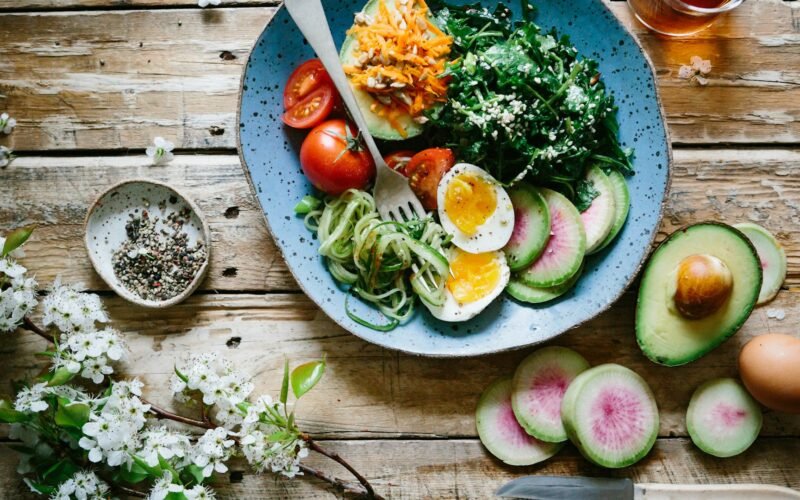
When calories are restricted, every calorie needs to count nutritionally. Focus on whole, unprocessed foods that provide maximum nutrients for minimal calories.
Core Components of Your Diet:
1. Lean Proteins: Your Satiety Powerhouse
Protein is crucial for feeling full, maintaining muscle mass (which boosts metabolism), and minimizing cravings. Include a lean protein source at every meal.
- Excellent Choices: Chicken breast (skinless), turkey breast, lean fish (cod, tilapia, salmon in moderation), egg whites, Greek yogurt (plain, non-fat), cottage cheese, tofu, tempeh, lentils, beans.
- How to Incorporate: Add grilled chicken to salads, blend protein powder into smoothies, snack on cottage cheese, or use lean ground turkey in stir-fries.
2. Non-Starchy Vegetables: Volume & Vitamins
These are your best friends. They are incredibly low in calories, high in fiber, and packed with vitamins and minerals. Eat them in abundance.
- Excellent Choices: Spinach, kale, broccoli, cauliflower, bell peppers, zucchini, cucumber, lettuce, asparagus, green beans, mushrooms.
- How to Incorporate: Fill half your plate with non-starchy vegetables at every meal. Snack on raw veggies with hummus (in moderation), add them to eggs, or create large salads.
3. Smart Carbohydrates: Fuel for Function (in Moderation)
While rapid weight loss often involves reducing carbs to shed water weight, completely eliminating them isn’t always necessary or sustainable. Focus on complex carbohydrates in controlled portions, primarily around your workouts.
- Excellent Choices: Quinoa (small serving), brown rice (small serving), oats (small serving), sweet potatoes (small serving), whole-grain bread (1 slice).
- How to Incorporate: A small serving (1/4 – 1/2 cup cooked) with one meal, preferably before or after a workout. Focus on vegetables as your primary carb source.
4. Healthy Fats: Essential for Health (in Small Amounts)
Fats are calorie-dense (9 calories per gram), so portion control is paramount. However, healthy fats are essential for hormone production, nutrient absorption, and satiety.
- Excellent Choices: Avocado (1/4-1/2), nuts (small handful), seeds (chia, flax), olive oil (1-2 tsp), fatty fish (salmon, mackerel – small serving).
- How to Incorporate: Add a small amount to salads, use a tiny bit of olive oil for cooking, or have a few almonds as a snack.
Foods to Strictly Avoid:
- Processed Foods: Anything pre-packaged, fast food, frozen meals, sugary cereals. They are high in unhealthy fats, sugar, and sodium.
- Sugary Drinks & Alcohol: Empty calories that contribute nothing to your nutritional needs.
- Refined Grains: White bread, white pasta, pastries, sugary baked goods.
- High-Fat Dairy: Whole milk, full-fat cheeses (opt for skim or low-fat alternatives in moderation).
- Deep-Fried Foods: Obvious calorie bombs.
Pillar 3: Strategic Exercise for Maximum Burn
Exercise is critical for increasing your calorie expenditure and preserving lean muscle mass during a deficit. For rapid weight loss, a combination of cardiovascular activity and strength training is most effective.
1. High-Intensity Interval Training (HIIT)
HIIT involves short bursts of intense exercise followed by brief recovery periods. It’s incredibly efficient for burning calories during and after the workout (EPOC – Excess Post-exercise Oxygen Consumption).
- How to Incorporate: 3-4 sessions per week, 20-30 minutes each. Examples include sprints, burpees, jump squats, or intense cycling. Always warm up thoroughly.
2. Strength Training
Lifting weights builds and preserves muscle mass. More muscle means a higher resting metabolism, burning more calories even when you’re not exercising.
- How to Incorporate: 3-4 full-body strength training sessions per week. Focus on compound movements like squats, deadlifts, presses, rows, and lunges. Aim for 3-4 sets of 8-12 repetitions.
3. Low-Intensity Steady State (LISS) Cardio
While HIIT is great, LISS cardio can be performed more frequently without excessive stress on the body. It’s excellent for burning additional calories and aiding recovery.
- How to Incorporate: 30-60 minutes of brisk walking, jogging, cycling, or swimming on most days, especially on active recovery days or after strength training.
4. Increase Non-Exercise Activity Thermogenesis (NEAT)
NEAT refers to the calories burned through daily activities that are not formal exercise. Small movements add up significantly.
- How to Incorporate: Take the stairs, park further away, walk during phone calls, stand more, do household chores, take short walks throughout the day. Aim for 10,000+ steps daily.
Pillar 4: Hydration and Electrolyte Balance
Water is often overlooked but plays a massive role in weight loss, especially rapid initial loss.
1. Drink Plenty of Water
Water helps you feel full, supports metabolism, aids digestion, and flushes out toxins. When you reduce sodium and carbohydrates, your body naturally sheds excess water.
- Recommendation: Aim for 100-120 ounces (3-3.5 liters) of water per day. Carry a water bottle and sip consistently.
2. Reduce Sodium Intake
High sodium intake causes your body to retain water. Cutting out processed foods, which are often high in sodium, will naturally lead to significant water weight loss.
- Recommendation: Focus on fresh foods, avoid adding extra salt, and check food labels for sodium content.
3. Consider Electrolytes
When you significantly increase water intake and reduce sodium, you might excrete more electrolytes. While this is generally fine for two weeks, be mindful of symptoms like dizziness or muscle cramps. Eating plenty of potassium-rich vegetables (spinach, avocado) can help.
Pillar 5: Prioritize Sleep and Stress Management
These often-neglected factors profoundly impact your weight loss efforts, especially during a demanding two-week period.
1. Quality Sleep
Lack of sleep disrupts hormones that regulate hunger (ghrelin increases, leptin decreases) and stress (cortisol increases), making you hungrier, less satisfied, and more prone to storing belly fat.
- Recommendation: Aim for 7-9 hours of quality sleep per night. Establish a consistent sleep schedule, create a dark and cool sleep environment, and avoid screens before bed.
2. Stress Management
Chronic stress elevates cortisol levels, which can lead to increased appetite, cravings for unhealthy foods, and stubborn belly fat storage.
- Recommendation: Incorporate stress-reducing activities daily: meditation, deep breathing, yoga, spending time in nature, journaling, or listening to calming music.
A Sample 2-Week Rapid Weight Loss Action Plan
This plan is aggressive and requires strict adherence. Remember to consult your doctor before starting.
Week 1: The Kickstart and Adaptation Phase
Diet Focus:
- Daily Calories: Aim for 1200-1500 kcal (adjust based on TDEE and gender, never below 1200 for women, 1500 for men without medical supervision).
- Breakfast: Protein-rich (e.g., 3-4 egg whites with spinach, a small piece of fruit).
- Lunch: Large salad with lean protein (chicken breast, fish) and plenty of non-starchy vegetables, light vinaigrette.
- Dinner: Steamed or grilled lean protein (fish, turkey) with a generous portion of steamed/roasted non-starchy vegetables.
- Snacks (if needed): Greek yogurt, small handful of almonds, celery sticks.
- Hydration: 100-120 oz of water daily. Absolutely no sugary drinks or alcohol.
- Sodium: Keep sodium intake very low.
Exercise Focus:
- Day 1: Full-body strength training (45-60 min) + 30 min LISS (brisk walk).
- Day 2: 30 min HIIT (e.g., sprints, burpees).
- Day 3: Full-body strength training (45-60 min) + 30 min LISS.
- Day 4: 45-60 min LISS (e.g., cycling, swimming).
- Day 5: Full-body strength training (45-60 min) + 30 min LISS.
- Day 6: 30 min HIIT.
- Day 7: Active Recovery: Light stretching or 30 min gentle walk.
- NEAT: Aim for 10,000+ steps daily throughout the week.
Week 2: Consolidation and Optimization Phase
Diet Focus:
- Continue strict adherence to Week 1 diet principles.
- Be mindful of any potential nutrient deficiencies if you feel overly fatigued. Listen to your body.
- Consider a small, controlled refeed meal (e.g., 1/2 cup of brown rice with your dinner) once or twice during the week if energy levels are too low, but only if you feel your progress isn’t impacted. (This is a more advanced strategy and should be approached cautiously in a 2-week window).
Exercise Focus:
- Maintain the same intensity and frequency as Week 1.
- If energy levels are very low, prioritize strength training and LISS over HIIT to avoid overtraining.
- Consider adding an extra 15-30 minutes of LISS on some days if you feel up to it.
- Consistency is key in this final week to maximize results.

What to Expect and Potential Side Effects
Embarking on such an aggressive plan can lead to various physical and mental changes. It’s important to be prepared.
Expected Outcomes:
- Rapid Initial Drop: Primarily water weight in the first few days.
- Increased Energy (after initial dip): As your body adapts to cleaner eating and regular exercise, you may experience more sustained energy.
- Improved Digestion: High fiber and water intake can improve gut health.
- Better Sleep Quality: With consistent routines.
- Reduced Cravings: As you cut out processed foods and sugar.
Potential Side Effects (and when to seek medical help):
- Fatigue & Low Energy: Common during a significant calorie deficit. If extreme or persistent, reassess your intake.
- Hunger: You will likely feel hungry. This is normal, but severe, debilitating hunger might indicate too extreme a deficit.
- Irritability & Mood Swings: Calorie restriction can impact mood. Prioritize sleep and stress management.
- Headaches: Can be due to caffeine withdrawal, dehydration, or low blood sugar. Ensure adequate hydration.
- Dizziness or Lightheadedness: Could indicate dehydration or very low blood sugar. If persistent, stop and consult a doctor.
- Constipation or Diarrhea: Changes in diet can affect bowel movements. Ensure fiber and water intake are adequate.
- Muscle Cramps: Potentially due to electrolyte imbalance. Ensure you’re getting enough potassium and magnesium from vegetables.
- Nutrient Deficiencies: A risk with highly restrictive diets over longer periods. For two weeks, it’s less likely if you focus on nutrient-dense foods, but still a consideration.
When to Seek Medical Help: If you experience severe, persistent symptoms like extreme dizziness, fainting, chest pain, irregular heartbeat, or severe mood disturbances, stop the program immediately and consult a medical professional.
Beyond 2 Weeks: Sustaining Your Progress
Losing 10 pounds in two weeks is a sprint. The real challenge, and the true measure of success, is maintaining that loss and continuing to build healthy habits. This two-week period should be seen as a powerful kickstart, not a permanent way of eating.
Transitioning to Sustainable Habits:
- Gradually Increase Calories: Slowly add 100-200 calories back into your diet each week until you reach a sustainable maintenance level or a more moderate deficit for continued weight loss (e.g., 250-500 calorie deficit for 1-2 lbs/week fat loss). Focus on whole, unprocessed foods for these added calories.
- Continue Whole Food Focus: Maintain the emphasis on lean proteins, abundant non-starchy vegetables, and healthy fats.
- Mindful Indulgences: Once you reach a sustainable phase, occasional treats can be incorporated, but they should be planned and in moderation, not a return to old habits.
- Consistent Exercise: Maintain a regular exercise routine, perhaps adjusting intensity or duration to fit your long-term goals.
- Prioritize Lifestyle Factors: Continue to prioritize sleep, stress management, and hydration. These are non-negotiable for long-term health and weight management.
- Track Progress Beyond the Scale: Focus on non-scale victories – improved energy, better fitting clothes, strength gains, mental clarity.
Common Pitfalls to Avoid
To maximize your chances of success and minimize risks, steer clear of these common mistakes:
- Extreme Calorie Restriction (Below BMR): Going too low slows metabolism, causes muscle loss, and is dangerous.
- Ignoring Hunger Cues Completely: While some hunger is expected, debilitating hunger leads to rebound eating. Ensure you’re getting enough protein and fiber.
- Over-Exercising: Too much exercise without adequate recovery can lead to burnout, injury, and increased cortisol levels.
- Neglecting Sleep: Undermines all your hard work on diet and exercise.
- Skipping Meals: Can lead to extreme hunger and overeating later. Focus on consistent, balanced meals.
- Relying on Supplements/Pills: No pill can replace diet and exercise. Focus on fundamentals.
- Lack of Planning: Without meal prep and a clear exercise schedule, it’s easy to fall off track.
- Ignoring Your Body’s Signals: If you feel genuinely unwell, stop and reassess.
Who Should NOT Attempt Rapid Weight Loss?
While this guide provides information for those interested in rapid weight loss, it is absolutely not suitable for everyone. Certain individuals should strictly avoid such aggressive plans without direct medical supervision:
- Individuals with Underlying Health Conditions: This includes heart disease, diabetes, kidney disease, liver disease, thyroid disorders, or any chronic illness.
- Pregnant or Breastfeeding Women: Nutritional needs are significantly different and critical for fetal/infant development.
- Individuals with a History of Eating Disorders: Restrictive diets can trigger relapse.
- Adolescents and Children: Growing bodies have unique nutritional needs.
- Individuals Taking Certain Medications: Diet changes can interact with medications.
- Anyone who is underweight or has a low BMI.
Always, always consult your doctor before making significant changes to your diet or exercise routine, especially when aiming for rapid weight loss.
Conclusion: A Powerful Kickstart, Not a Quick Fix
Losing 10 pounds in two weeks is an ambitious, challenging, and often misunderstood goal. While the scale might show a significant drop, much of that initial loss is typically water weight, and sustaining pure fat loss at that rate is extremely difficult and generally not recommended for long-term health.
However, by adopting a highly disciplined approach focusing on a substantial (but safe) calorie deficit from nutrient-dense foods, strategic exercise, optimal hydration, and prioritizing sleep and stress management, you can achieve remarkable progress and use this two-week period as a powerful kickstart. It can be an excellent way to break old habits, build new healthy routines, and experience the immediate motivation that comes from seeing results.
Remember, true health and sustainable weight management are about consistent, long-term lifestyle changes. Use this intense two-week period to learn about your body, develop discipline, and set the foundation for a healthier, leaner future. Always listen to your body, prioritize your well-being, and consult with healthcare professionals to ensure your journey is safe and effective for you.
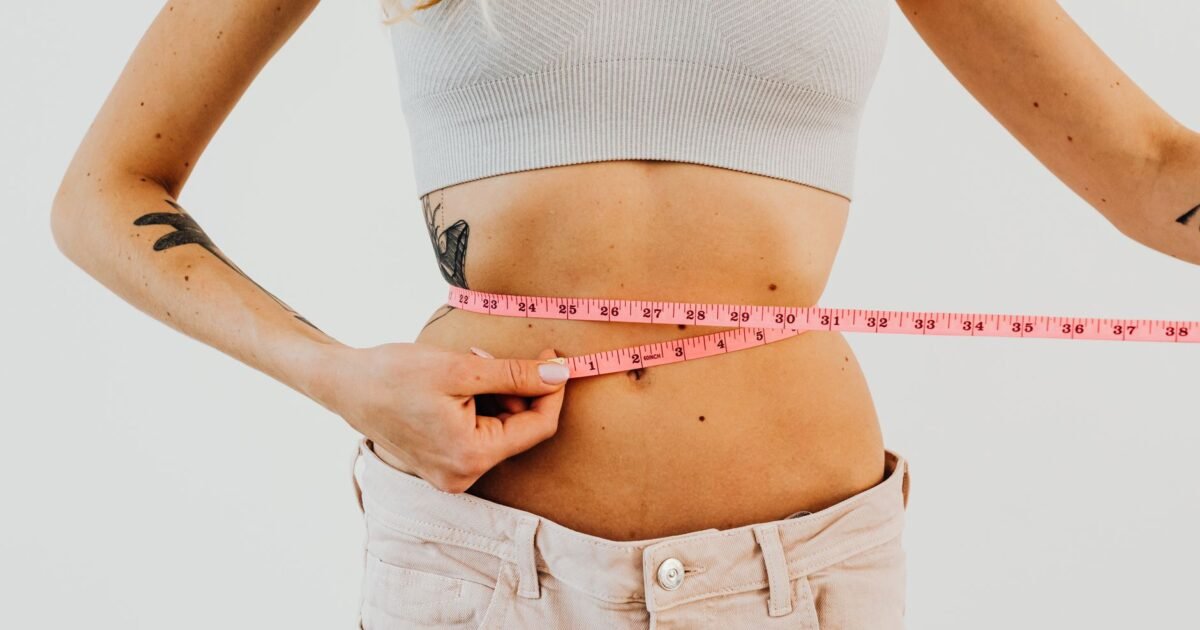
Photo by www.kaboompics.com on Pexels