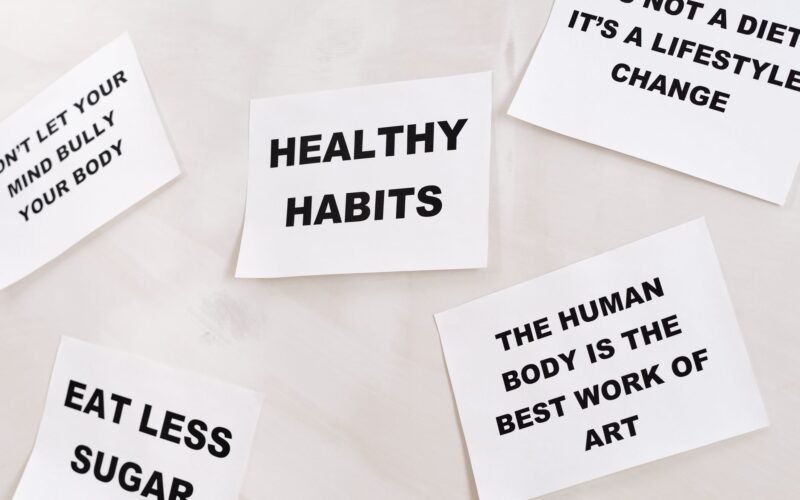
Build Healthy Habits for Lasting Weight Loss: Your Ultimate Guide
In the quest for weight loss, many of us fall into the trap of seeking quick fixes, restrictive diets, and intense workout regimens that promise rapid results. While these approaches might offer fleeting success, they often lead to frustration, burnout, and the dreaded “yo-yo” effect. The truth is, lasting weight loss isn’t about deprivation or extreme measures; it’s about building a foundation of healthy habits that become an ingrained part of your daily life.
At GetLeanPulse.com, we understand that true transformation comes from sustainable changes. This comprehensive guide will empower you to shift your focus from temporary fixes to creating powerful, healthy habits that not only support your weight loss goals but also enhance your overall well-being. We’ll delve into the psychology of habit formation, explore core pillars of a healthy lifestyle, and provide actionable strategies to make these habits stick for good. Get ready to embark on a journey that will redefine your relationship with food, movement, and yourself, leading to a healthier, happier you.
Understanding the Power of Habits in Weight Loss
Why do some people effortlessly maintain a healthy weight while others struggle constantly? The answer often lies in their habits. Habits are the automatic behaviors we perform without conscious thought, and they constitute a staggering 40-50% of our daily actions. When it comes to weight loss, relying solely on willpower is a recipe for exhaustion and eventual failure. Willpower is finite; habits are automatic and require far less mental energy.
The Habit Loop: Cue, Routine, Reward
Understanding how habits work is the first step to changing them. Charles Duhigg, in his book “The Power of Habit,” describes a three-part loop:
- Cue: A trigger that tells your brain to go into automatic mode and which habit to use. This could be a time of day, a location, an emotion, other people, or an immediately preceding action.
- Routine: The behavior itself—physical, mental, or emotional. This is the habit you want to change or establish.
- Reward: The positive feeling or outcome that your brain gets from performing the routine. This reward reinforces the habit, making it more likely to occur again in the future.
For example, if you feel stressed (cue), you might automatically reach for a sugary snack (routine) because it provides temporary comfort and pleasure (reward). To build healthy habits, we need to identify these loops and consciously redesign them.
The Neuroscience Behind Habit Formation
Our brains are wired for efficiency. When we repeat actions, neural pathways strengthen, making those actions easier and more automatic. The basal ganglia, a part of the brain responsible for motor control and procedural learning, plays a crucial role in habit formation. Each time you perform a routine and receive a reward, dopamine, a neurotransmitter associated with pleasure and motivation, is released. This dopamine surge essentially tells your brain, “Do that again!” Over time, this creates a strong neurological craving and an automatic response.
The good news is that just as unhealthy habits can be formed, new, healthy ones can be forged through consistent effort and smart strategies. It’s about creating new, stronger neural pathways that lead to desired outcomes.
Small Changes, Big Results: The Compounding Effect
Many people get discouraged by the slow pace of weight loss. However, focusing on small, consistent changes is far more effective than trying to overhaul everything at once. Each tiny healthy habit you adopt, no matter how insignificant it seems, creates a compounding effect. A daily 15-minute walk might not seem like much, but over a year, it adds up to significant physical activity and calorie expenditure. Choosing water over soda once a day saves hundreds of calories per week. These small wins build momentum, boost confidence, and lead to remarkable transformations over time.
Setting Your Foundation: Mindset and Goals
Before diving into specific habits, it’s crucial to establish the right mental framework and define your objectives. Your mindset is the bedrock upon which all successful habit building rests.
Shifting Your Mindset from Restriction to Lifestyle
One of the biggest pitfalls in weight loss is approaching it with a mindset of restriction and punishment. Diets often focus on what you *can’t* have, leading to feelings of deprivation and ultimately, rebellion. For sustainable weight loss, you need to shift your perspective from a temporary diet to a permanent lifestyle change.
- Focus on Health, Energy, and Well-being: Instead of fixating on the number on the scale, concentrate on how healthy habits make you feel. Do you have more energy? Are you sleeping better? Is your mood improved? These intrinsic rewards are powerful motivators.
- Positive Self-Talk and Self-Compassion: Be kind to yourself. Understand that perfection is unattainable. Instead of berating yourself for a “slip-up,” acknowledge it, learn from it, and move forward. Treat yourself with the same compassion you would offer a friend.
- Viewing “Slip-ups” as Learning Opportunities: Don’t let one unhealthy choice derail your entire journey. See it as data. What triggered it? How can you better prepare next time? Every challenge is an opportunity to strengthen your resolve and refine your strategy.
Embracing this mindset means understanding that this is a journey, not a destination, and that consistency trumps perfection every single time.
Defining SMART Goals for Weight Loss
Vague goals like “I want to lose weight” are hard to achieve because they lack direction. To effectively build habits, you need clear, well-defined goals. The SMART framework is an excellent tool:
- Specific: What exactly do you want to achieve? (e.g., “I want to walk for 30 minutes daily.”)
- Measurable: How will you track your progress? (e.g., “I will track my walks using a fitness app.”)
- Achievable: Is the goal realistic given your current circumstances? (e.g., if you’re sedentary, aiming for a marathon in a month might not be achievable, but a 30-minute walk is.)
- Relevant: Is this goal meaningful to you and aligned with your larger weight loss objective? (e.g., “Walking daily will help me burn calories and improve my cardiovascular health, contributing to weight loss.”)
- Time-bound: When do you want to achieve this goal? (e.g., “I will walk 30 minutes daily for the next 30 days.”)
Crucially, focus on process goals over outcome goals. While an outcome goal might be “lose 10 pounds,” a process goal would be “eat five servings of vegetables daily” or “exercise for 30 minutes, five times a week.” Process goals are within your direct control and build the habits that lead to the desired outcome.
Break down big goals into micro-habits. If your goal is to drink more water, a micro-habit could be “drink a glass of water immediately after waking up.” This small, easy win builds confidence and paves the way for further progress.

Core Pillars of Healthy Weight Loss Habits
Sustainable weight loss is a holistic endeavor, encompassing several key areas of your life. By focusing on these core pillars, you build a robust foundation for long-term success.
Nutrition Habits: Fueling Your Body Wisely
What you eat is arguably the most critical component of weight management. It’s not just about calories; it’s about nourishing your body and developing a healthy relationship with food.
Mindful Eating
Mindful eating means paying full attention to your food—as you buy it, prepare it, and consume it. It’s about being present and aware, rather than eating on autopilot.
- Slow Down and Savor: Put your fork down between bites. Chew thoroughly. This gives your brain time to register fullness, which typically takes about 20 minutes.
- Eliminate Distractions: Turn off the TV, put away your phone. Focus solely on the experience of eating.
- Pay Attention to Hunger and Fullness Cues: Learn to differentiate between physical hunger and emotional hunger. Stop eating when you’re satisfied, not stuffed.
- Practice Gratitude: Take a moment to appreciate your food before you begin eating.
Portion Control
Even healthy foods can lead to weight gain if consumed in excess. Portion control is about understanding appropriate serving sizes for your body’s needs.
- Understand Serving Sizes: Familiarize yourself with standard serving sizes (e.g., a deck of cards for protein, a cupped hand for grains).
- Use Smaller Plates: A larger plate can trick your brain into thinking you’re eating less, leading you to pile on more food.
- Listen to Your Body: Eat until you are comfortably full, not to the point of discomfort.
- Measure Occasionally: Periodically measuring your food can help recalibrate your visual estimation of portion sizes.
Hydration
Water is essential for nearly every bodily function, including metabolism. Often, thirst is mistaken for hunger, leading to unnecessary calorie intake.
- Drink Water Before Meals: A glass of water 15-30 minutes before eating can help you feel fuller and reduce overall calorie intake.
- Carry a Water Bottle: Make water easily accessible throughout the day.
- Flavor Your Water Naturally: Add slices of lemon, lime, cucumber, or berries if plain water is unappealing.
- Replace Sugary Drinks: Swap sodas, juices, and sweetened teas for water or unsweetened alternatives.
Whole Foods Focus
Prioritizing whole, unprocessed foods is a cornerstone of healthy eating. These foods are rich in nutrients, fiber, and water, promoting satiety and sustained energy.
- Prioritize Fruits and Vegetables: Aim for a variety of colors and textures. They are low in calories, high in fiber, and packed with vitamins and minerals.
- Choose Lean Proteins: Include sources like chicken breast, fish, beans, lentils, tofu, and lean cuts of beef. Protein helps with satiety and muscle preservation.
- Opt for Whole Grains: Select brown rice, quinoa, oats, and whole-wheat bread over refined grains, which are stripped of fiber and nutrients.
- Limit Processed Foods and Sugary Drinks: These are often high in empty calories, unhealthy fats, added sugars, and sodium, contributing to weight gain and poor health.
- Read Food Labels: Become an educated consumer. Look for ingredients you recognize and minimize foods with long lists of artificial additives or excessive sugar.
Meal Planning & Preparation
Failing to plan is planning to fail, especially when it comes to healthy eating. Meal planning removes guesswork and reduces the likelihood of impulse, unhealthy choices.
- Benefits: Ensures consistency, allows for healthier ingredient choices, saves time and money, and reduces stress during busy periods.
- Strategies:
- Batch Cooking: Dedicate a few hours on a weekend to cook large quantities of staples (e.g., roasted vegetables, grilled chicken, quinoa) that can be mixed and matched throughout the week.
- Grocery Lists: Plan your meals for the week and create a detailed grocery list. Stick to it to avoid impulse buys.
- Healthy Snacks Ready: Portion out nuts, cut up veggies, or hard-boil eggs to have healthy options readily available when hunger strikes.
Movement Habits: Integrating Activity into Your Day
Exercise is not just about burning calories; it improves mood, boosts metabolism, builds muscle, and enhances overall health. The key is to find movement you enjoy and can sustain.
Finding Enjoyable Movement
If exercise feels like a chore, it’s hard to stick with. Explore various activities until you find something that resonates with you.
- Explore Different Activities: Walking, jogging, dancing, cycling, swimming, hiking, yoga, Pilates, strength training, team sports. The options are endless.
- Focus on Sustainability: Choose activities that fit your lifestyle, budget, and physical capabilities.
- Buddy Up: Exercising with a friend can provide motivation and accountability.
Non-Exercise Activity Thermogenesis (NEAT)
NEAT refers to the energy expended for everything we do that is not sleeping, eating, or sports-like exercise. Increasing NEAT can significantly contribute to daily calorie expenditure.
- Park Further Away: Add extra steps to your daily routine.
- Take the Stairs: Skip the elevator or escalator whenever possible.
- Stand More: Use a standing desk or take regular standing breaks if you have a sedentary job.
- Movement Snacks: Incorporate short bursts of activity throughout the day, like a few squats while waiting for coffee or stretching during commercial breaks.
Structured Exercise
While NEAT is great, incorporating structured exercise is crucial for optimal health and weight loss.
- Recommendations: Aim for at least 150 minutes of moderate-intensity aerobic activity or 75 minutes of vigorous-intensity aerobic activity per week, plus strength training for all major muscle groups at least twice a week.
- Start Small: If you’re new to exercise, begin with short, manageable sessions (e.g., 10-15 minutes) and gradually increase duration and intensity.
- Progressive Overload: As you get fitter, challenge yourself by increasing the weight, reps, sets, or duration/intensity of your workouts to continue seeing results.
- Create a Routine: Schedule your workouts like any other important appointment. Consistency is key.
Sleep Habits: The Unsung Hero of Weight Management
Often overlooked, sleep plays a profound role in weight loss. Poor sleep can sabotage even the most diligent efforts in diet and exercise.
- Impact on Hormones: Lack of sleep disrupts hunger-regulating hormones. Ghrelin (the hunger hormone) increases, while leptin (the satiety hormone) decreases, leading to increased appetite and cravings, especially for high-carb, high-sugar foods.
- Metabolism and Energy: Sleep deprivation can slow your metabolism and reduce your energy levels, making you less likely to exercise and more likely to make poor food choices.
- Establishing a Consistent Sleep Schedule: Go to bed and wake up at roughly the same time every day, even on weekends. This helps regulate your body’s natural sleep-wake cycle (circadian rhythm).
- Creating a Relaxing Bedtime Routine: Wind down with activities like reading, taking a warm bath, listening to calming music, or light stretching. Avoid stimulating activities before bed.
- Optimizing Your Sleep Environment: Make your bedroom dark, quiet, and cool. Blackout curtains, earplugs, and a comfortable mattress can make a big difference.
- Limit Caffeine and Alcohol: Avoid caffeine late in the day and be mindful of alcohol consumption, which can disrupt sleep quality.
Stress Management Habits: Calming Your System
Chronic stress is a significant impediment to weight loss. When you’re stressed, your body releases cortisol, a hormone that can promote fat storage, particularly in the abdominal area, and increase cravings for comfort foods.
- Connection Between Stress and Weight Gain: High cortisol levels can also interfere with blood sugar regulation and lead to overeating.
- Techniques for Stress Reduction:
- Meditation and Deep Breathing: Even 5-10 minutes a day can significantly reduce stress. Apps like Calm or Headspace can guide you.
- Yoga and Tai Chi: These practices combine physical movement with mindfulness and breathing, promoting relaxation.
- Spending Time in Nature: “Forest bathing” or simply taking a walk in a park can lower stress hormones and improve mood.
- Journaling: Writing down your thoughts and feelings can help process emotions and reduce mental clutter.
- Hobbies and Creative Outlets: Engage in activities you enjoy to provide a healthy distraction and sense of accomplishment.
- Setting Boundaries: Learn to say no to commitments that overextend you. Protect your time and energy.
- Seeking Social Support: Talk to friends, family, or a therapist. Sharing your feelings can be a powerful stress reliever.

Strategies for Building and Sticking to Habits
Knowing what habits to build is one thing; actually building and maintaining them is another. These strategies are rooted in behavioral science and designed to make habit formation easier and more effective.
Start Small: The Power of Micro-Habits
The most common reason new habits fail is that they’re too ambitious. Micro-habits are tiny, almost ridiculously small actions that are nearly impossible to skip.
- Why Tiny Habits are Effective: They require minimal willpower, overcome resistance, and build confidence. The goal is consistency, not intensity, especially at the start.
- Examples:
- Instead of “workout for an hour,” try “do one push-up.”
- Instead of “meditate for 20 minutes,” try “take three deep breaths.”
- Instead of “drink 8 glasses of water,” try “drink one glass of water first thing in the morning.”
- Incrementally Increasing Difficulty: Once the micro-habit is firmly established, you can gradually increase its intensity or duration. If you consistently do one push-up, you might naturally feel like doing two, then five, and so on.
Habit Stacking: Leveraging Existing Routines
Habit stacking, a concept popularized by James Clear in “Atomic Habits,” involves attaching a new desired habit to an existing, established habit. The formula is: “After [current habit], I will [new habit].”
- How it Works: You use an existing habit as a cue for your new habit, making it much easier to remember and perform.
- Examples:
- “After I pour my morning coffee, I will drink a glass of water.”
- “After I brush my teeth, I will do 5 squats.”
- “After I finish my workday, I will change into my workout clothes.”
- “After I put my kids to bed, I will read one chapter of a book instead of watching TV.”
Environment Design: Making Healthy Choices Easier
Your environment has a profound impact on your behavior. By consciously designing your surroundings, you can “nudge” yourself towards healthy habits and away from unhealthy ones.
- Make Healthy Choices Obvious and Easy:
- Kitchen: Keep a fruit bowl on the counter. Store healthy snacks (pre-cut veggies, hummus) at eye level in the fridge. Hide unhealthy snacks in an opaque container or a less accessible cupboard.
- Bedroom: Keep your phone out of reach or in another room to avoid late-night scrolling. Prepare your workout clothes the night before and place them where you’ll see them first thing in the morning.
- Workspace: Keep a water bottle on your desk. Have healthy grab-and-go snacks readily available.
- Reduce Friction for Good Habits: The less effort required to perform a desired habit, the more likely you are to do it.
- Increase Friction for Bad Habits: Make unhealthy choices harder to access or perform.
Tracking Progress: Motivation Through Visibility
Seeing your progress, no matter how small, can be incredibly motivating. Tracking provides objective feedback and helps you stay accountable.
- Journaling: Keep a food journal, an exercise log, or a general habit tracker.
- Apps and Habit Trackers: Utilize digital tools like MyFitnessPal, Habitica, or simple calendar apps to mark off days you successfully perform a habit.
- Focus on Consistency, Not Perfection: The goal is to build a streak, not to be perfect every single day. Seeing a long chain of “Xs” on your habit tracker can be a powerful visual incentive to keep going.
- Celebrate Small Wins: Acknowledge your efforts and progress. Non-food rewards (e.g., a new book, a massage, a relaxing bath) can reinforce positive behavior.
Accountability: Staying on Track
Sharing your goals and progress with others can significantly increase your chances of success.
- Find a Buddy or Coach: Partner with a friend, family member, or hire a coach who can offer support, motivation, and gentle nudges.
- Join a Group: Participate in fitness classes, online communities, or weight loss support groups.
- Public Commitment (Optional): For some, announcing their goals publicly (e.g., on social media) can create an extra layer of accountability.
Dealing with Setbacks: The Art of the Rebound
No one is perfect. You will miss a workout, eat an unhealthy meal, or have a stressful day that derails your plans. The key is how you respond to these setbacks.
- It’s Inevitable, Not a Failure: View setbacks as normal parts of the process, not as reasons to give up entirely.
- Don’t Let One Slip-Up Derail Everything: The “what the hell” effect (where one mistake leads to abandoning all efforts) is detrimental. Acknowledge the slip, learn from it, and get back on track with the very next meal or opportunity.
- “Never Miss Twice”: This powerful rule (also from James Clear) encourages you to recover quickly. If you miss a day, make sure you don’t miss the next. Consistency over time is what matters most.
- Analyze, Learn, Adjust: When a setback occurs, ask yourself: What triggered it? What could I have done differently? How can I prevent it next time? Use the experience to refine your strategies.
Common Pitfalls to Avoid
While building healthy habits is a powerful strategy, certain missteps can hinder your progress. Being aware of these common pitfalls can help you navigate your journey more effectively.
- Trying to Change Too Much at Once: Overhauling your entire life overnight is unsustainable. It leads to decision fatigue and burnout. Focus on one or two habits at a time until they become automatic.
- Perfectionism: The belief that you must adhere perfectly to your plan can be crippling. “Good enough” consistency is far more effective than sporadic perfection. Embrace the 80/20 rule: aim for healthy 80% of the time, and allow for flexibility the other 20%.
- Ignoring Sleep or Stress: As discussed, these two factors have a profound impact on hormones, cravings, and energy levels. Neglecting them will make weight loss significantly harder, regardless of your diet and exercise efforts.
- Falling for Quick Fixes/Fad Diets: These often promise rapid results but are rarely sustainable and can lead to nutrient deficiencies, muscle loss, and a damaged metabolism. Focus on long-term, balanced nutrition and lifestyle changes.
- Lack of Patience and Consistency: Habit formation takes time. It’s not about immediate gratification but about consistent effort over weeks and months. Don’t get discouraged if you don’t see drastic changes overnight. Trust the process, and the results will follow.
- Not Tracking or Reflecting: Without tracking, it’s hard to know what’s working and what isn’t. Without reflection, you miss opportunities to learn from your experiences and adjust your approach.
- Negative Self-Talk: Constant criticism and self-blame erode motivation. Cultivate a supportive inner voice that encourages progress and resilience.
Conclusion
The journey to sustainable weight loss is not found in the latest diet trend or an exhausting exercise regime, but in the deliberate and consistent cultivation of healthy habits. By understanding the psychology of habit formation, setting SMART goals, and focusing on the core pillars of nutrition, movement, sleep, and stress management, you empower yourself to create a lifestyle that naturally supports your health and weight goals.
Remember, this is a marathon, not a sprint. Embrace the power of micro-habits, leverage existing routines through habit stacking, and consciously design your environment to make healthy choices effortless. Track your progress, seek accountability, and most importantly, practice self-compassion when setbacks inevitably occur. Every small, consistent step forward builds momentum and strengthens your resolve.
At GetLeanPulse.com, we believe in a holistic, empowering approach to health. Start today, choose one small habit, and commit to it. Be patient with yourself, celebrate every win, and trust that with consistency and dedication, you are building a healthier, happier, and more vibrant future. Your transformation begins with a single, conscious choice to create a better habit.
Photo by Kampus Production on Pexels