<h1>Plant-Based Diet for Weight Loss: The Ultimate Beginner’s Guide</h1>
<p>Embarking on a weight loss journey can feel daunting, especially when the internet is saturated with countless diets and conflicting advice. If you’re looking for a sustainable, healthy, and often delicious path to shedding extra pounds, a plant-based diet for weight loss might be your perfect starting point. At GetLeanPulse.com, we believe in empowering you with actionable, evidence-based strategies, and transitioning to a plant-based way of eating offers a wealth of benefits beyond just the number on the scale.</p>
<p>This comprehensive guide is designed specifically for beginners – those who are curious about plant-based eating and eager to harness its power for effective weight management. We’ll demystify what a plant-based diet entails, explore why it’s so effective for weight loss, address common concerns, and provide a step-by-step roadmap to help you get started with confidence and achieve lasting results.</p>
<h2>Understanding the Plant-Based Diet: More Than Just “Vegan”</h2>
<p>Before diving into its weight loss potential, let’s clarify what we mean by “plant-based.” While often used interchangeably with “vegan,” a plant-based diet is broader. It emphasizes foods derived from plants, including vegetables, fruits, whole grains, legumes, nuts, and seeds. It typically minimizes or entirely excludes animal products like meat, poultry, fish, dairy, and eggs. However, some interpretations of a plant-based diet might include small amounts of animal products, focusing more on the <em>predominance</em> of plant foods rather than strict exclusion. For weight loss, a whole-food, plant-based approach – one that prioritizes unprocessed plant foods – is generally recommended due to its nutrient density and lower calorie density.</p>
<p>This isn’t just a diet; it’s a lifestyle shift that encourages mindful eating, celebrates the diversity of nature’s bounty, and can lead to profound improvements in overall health. As a beginner, understanding this distinction is crucial, as it offers flexibility and helps you build a sustainable eating pattern without feeling overly restricted.</p>
<h2>Why a Plant-Based Diet is a Weight Loss Powerhouse</h2>
<p>The effectiveness of a plant-based diet for weight loss isn’t just anecdotal; it’s backed by science. Numerous studies show that individuals adopting a plant-based eating pattern tend to have lower body mass indexes (BMIs) and can achieve significant weight loss, often more effectively than those on conventional diets. Here’s why this approach is so potent:</p>
<h3>Naturally Lower Calorie Density</h3>
<p>Most plant foods – especially fruits, vegetables, and whole grains – are inherently lower in calories per gram compared to animal products and processed foods. You can eat larger portions of delicious, satisfying plant-based meals without accumulating excess calories. For example, a large bowl of roasted vegetables with quinoa will likely have fewer calories and more volume than a smaller portion of steak and potatoes. This allows you to feel full and satisfied, which is key to preventing overeating and adhering to a calorie deficit necessary for weight loss.</p>
<h3>Abundant Fiber for Satiety</h3>
<p>Plant foods are rich in dietary fiber, a nutrient almost entirely absent in animal products. Fiber is a game-changer for weight loss. It adds bulk to your meals, making you feel fuller for longer and slowing down digestion. This prolonged feeling of satiety reduces cravings and the urge to snack between meals. Furthermore, fiber helps regulate blood sugar levels, preventing the spikes and crashes that can lead to increased hunger and fat storage. A high-fiber diet also supports healthy bowel movements, contributing to overall well-being.</p>
<h3>Enhanced Nutrient Density</h3>
<p>When you focus on whole plant foods, you’re flooding your body with a vast array of vitamins, minerals, antioxidants, and phytochemicals. These nutrients are vital for optimal metabolic function, energy production, and overall health. When your body receives the nutrients it needs, it functions more efficiently, which can indirectly support weight loss by reducing cravings for nutrient-poor, calorie-dense foods and improving energy levels for physical activity. A nutrient-dense diet also helps prevent the “empty calorie” trap common in many processed food diets.</p>
<h3>Improved Gut Health</h3>
<p>The fiber and prebiotics found in plant foods feed beneficial gut bacteria, leading to a healthier gut microbiome. A balanced gut microbiome is increasingly linked to healthier weight management, improved metabolism, and reduced inflammation. Research suggests that an unhealthy gut can contribute to weight gain and difficulty losing weight. By nourishing your gut with a diverse range of plant foods, you’re not just improving digestion; you’re creating an internal environment more conducive to weight loss.</p>
<h3>Reduced Inflammation</h3>
<p>Many animal products and processed foods can contribute to chronic inflammation in the body, which is associated with weight gain and difficulty losing weight. A whole-food, plant-based diet, rich in anti-inflammatory compounds found in fruits, vegetables, and whole grains, can significantly reduce systemic inflammation. This not only aids in weight loss but also lowers the risk of chronic diseases like heart disease, type 2 diabetes, and certain cancers, providing holistic health benefits.</p>
<h3>Sustainable and Enjoyable</h3>
<p>Unlike restrictive fad diets that leave you feeling deprived, a plant-based diet offers immense variety and flavor. By exploring different cuisines, spices, and cooking methods, you can discover a world of delicious and satisfying meals. This enjoyment makes the diet more sustainable in the long term, preventing the yo-yo dieting cycle often associated with rapid, unsustainable weight loss plans. The focus is on abundance and nourishment, rather than restriction and scarcity.</p>
<h2>Getting Started: Your Beginner’s Roadmap to Plant-Based Weight Loss</h2>
<p>Transitioning to a plant-based diet for weight loss doesn’t have to be an overnight change. A gradual, mindful approach is often more effective and sustainable for beginners. Here’s your step-by-step guide:</p>
<h3>1. Start Gradually: The “Flexitarian” Approach</h3>
<p>Don’t feel pressured to go 100% plant-based from day one. Many find success by easing into it. Consider:</p>
<ul>
<li><strong>Meatless Mondays:</strong> Dedicate one day a week to entirely plant-based meals.</li>
<li><strong>One Meal a Day:</strong> Commit to making one meal (e.g., breakfast or lunch) plant-based daily.</li>
<li><strong>Phase Out Gradually:</strong> Start by eliminating red meat, then poultry, then fish, then dairy/eggs over a few weeks or months. Replace these items with their plant-based alternatives or simply increase your intake of vegetables, grains, and legumes.</li<
</ul>
<p>This allows your body and taste buds to adjust, helps you discover new foods, and builds confidence without feeling overwhelmed. Remember, every plant-based meal is a step in the right direction!</p>
<h3>2. Stock Your Plant-Based Pantry</h3>
<p>A well-stocked kitchen is essential for success. Focus on whole, unprocessed plant foods. Here’s a starter list:</p>
<ul>
<li><strong>Legumes:</strong> Canned or dried beans (black, kidney, pinto, cannellini), lentils (green, red, brown), chickpeas, edamame. These are protein powerhouses.</li>
<li><strong>Whole Grains:</strong> Brown rice, quinoa, oats, whole wheat pasta, whole grain bread, farro, barley. Excellent sources of fiber and complex carbohydrates.</li>
<li><strong>Fruits:</strong> A wide variety of fresh, frozen, or dried fruits (berries, bananas, apples, oranges, mangoes).</li>
<li><strong>Vegetables:</strong> An abundance of fresh or frozen non-starchy vegetables (leafy greens, broccoli, bell peppers, carrots, zucchini) and starchy vegetables (potatoes, sweet potatoes, corn, peas).</li>
<li><strong>Nuts & Seeds:</strong> Almonds, walnuts, cashews, chia seeds, flax seeds, hemp seeds, pumpkin seeds. Healthy fats, protein, and fiber (in moderation for weight loss).</li>
<li><strong>Plant Milks:</strong> Unsweetened almond, soy, oat, or cashew milk for drinks, cereals, and recipes.</li>
<li><strong>Healthy Fats:</strong> Avocados, olive oil (use sparingly for weight loss), nut butters (natural, no added sugar).</li>
<li><strong>Flavor Enhancers:</strong> Nutritional yeast (cheesy flavor, B vitamins), herbs, spices, vinegars, low-sodium soy sauce/tamari.</li>
</ul>
<p>Clear out processed snacks, sugary drinks, and anything that doesn’t align with your new goals. Having healthy options readily available is crucial for success.</p>
<h3>3. Master Plant-Based Meal Planning</h3>
<p>Planning is paramount for weight loss and ensuring you get all necessary nutrients. For beginners, a simple plate model can be helpful:</p>
<ul>
<li><strong>Half your plate:</strong> Non-starchy vegetables (broccoli, spinach, bell peppers, salad greens).</li>
<li><strong>A quarter of your plate:</strong> Whole grains (quinoa, brown rice, whole wheat pasta) or starchy vegetables (sweet potato, corn).</li>
<li><strong>A quarter of your plate:</strong> Protein sources (beans, lentils, tofu, tempeh, edamame).</li<
</ul>
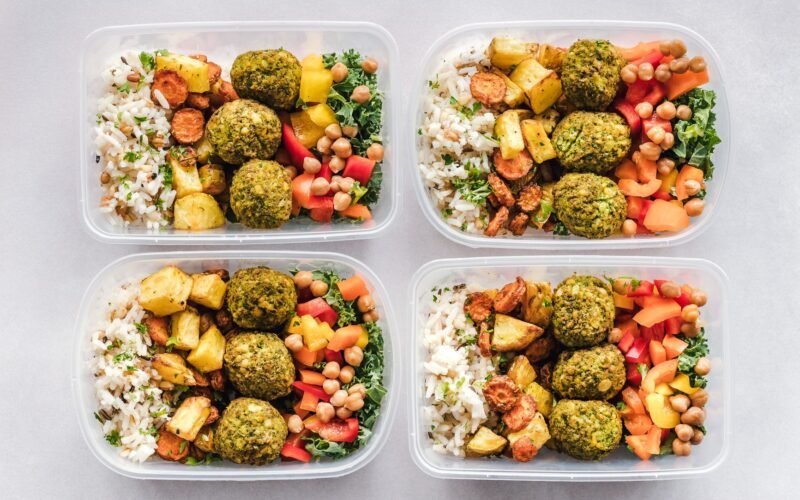
<p>Don’t forget healthy fats (a small portion of avocado, nuts, or seeds) and fruits for snacks or desserts. Meal prepping on weekends can save time and prevent unhealthy choices during busy weekdays. Cook a large batch of grains, roast a tray of vegetables, and prepare some protein (like baked tofu or cooked lentils) to mix and match throughout the week.</p>
<h3>4. Prioritize Key Nutrients</h3>
<p>One of the biggest concerns for beginners is nutrient deficiencies. With thoughtful planning, a plant-based diet can be nutritionally complete. Focus on these key nutrients:</p>
<ul>
<li><strong>Protein:</strong> Legumes (beans, lentils, chickpeas), tofu, tempeh, seitan, quinoa, nuts, seeds, nutritional yeast, plant-based protein powders. A common misconception is that plant-based diets lack protein, but a varied diet easily meets needs.</li>
<li><strong>Iron:</strong> Lentils, spinach, kale, fortified cereals, tofu, cashews, dark chocolate. Pair iron-rich foods with vitamin C sources (bell peppers, citrus fruits) to enhance absorption.</li>
<li><strong>Calcium:</strong> Fortified plant milks, calcium-set tofu, collard greens, kale, broccoli, fortified orange juice, sesame seeds (tahini).</li>
<li><strong>Omega-3 Fatty Acids:</strong> Chia seeds, flax seeds, hemp seeds, walnuts. Consider an algae-based DHA/EPA supplement for optimal intake, especially if you previously relied on fish.</li>
<li><strong>Vitamin B12:</strong> This is the only nutrient not reliably found in plants. It’s crucial for nerve function and blood cell formation. <strong>Supplementation is highly recommended</strong> for anyone following a predominantly or entirely plant-based diet. Look for B12-fortified foods (plant milks, nutritional yeast) but consider a daily supplement.</li>
<li><strong>Iodine:</strong> Iodized salt, sea vegetables (in moderation), fortified plant milks. Ensure you’re not solely using non-iodized salt.</li>
<li><strong>Vitamin D:</strong> Sunlight exposure, fortified plant milks, mushrooms. Many people, regardless of diet, may need a vitamin D supplement, especially in winter months.</li>
</ul>
<h3>5. Hydration is Key</h3>
<p>Often overlooked, adequate water intake is vital for weight loss. Water helps metabolize fat, transports nutrients, regulates body temperature, and can help you feel full. Aim for at least 8 glasses (64 ounces) of water daily, and more if you’re exercising. Herbal teas and infused water are also great options.</p>
<h3>6. Experiment with Recipes & Flavors</h3>
<p>Don’t be afraid to try new things! The plant-based world is bursting with incredible flavors and cuisines. Explore recipes from different cultures – Indian dals, Mexican bean dishes, Mediterranean grain bowls, Asian stir-fries. Use herbs, spices, and natural flavor enhancers like lemon juice, vinegar, and nutritional yeast to make your meals exciting and prevent boredom. Online resources, cookbooks, and food blogs are excellent places to find inspiration.</p>
<h2>Navigating Common Challenges & Solutions for Beginners</h2>
<p>As with any significant lifestyle change, you might encounter some hurdles. Being prepared with solutions can help you stay on track with your plant-based weight loss journey.</p>
<h3>1. Feeling Deprived or Bored</h3>
<p><strong>Challenge:</strong> Initially, you might miss familiar foods or feel that your options are limited.</p>
<p><strong>Solution:</strong> Embrace variety! There are thousands of edible plants, and countless ways to prepare them. Experiment with new fruits, vegetables, grains, and legumes each week. Explore global cuisines. Focus on what you <em>can</em> eat rather than what you can’t. Find plant-based versions of your favorite comfort foods (e.g., lentil shepherd’s pie, black bean burgers, cashew mac and cheese).</p>
<h3>2. Eating Out & Social Situations</h3>
<p><strong>Challenge:</strong> Dining out or attending social gatherings can be tricky when you’re plant-based, especially for weight loss goals.</p>
<p><strong>Solution:</strong> Plan ahead. Research restaurant menus online beforehand. Don’t hesitate to ask for modifications (e.g., “Can I have the dressing on the side?” or “Are there any vegan options?”). Suggest plant-friendly restaurants to friends. For potlucks, offer to bring a delicious plant-based dish to share, ensuring you have at least one satisfying option.</p>
<h3>3. Bloating and Gas</h3>
<p><strong>Challenge:</strong> The sudden increase in fiber from plant foods can sometimes lead to digestive discomfort.</p>
<p><strong>Solution:</strong> Introduce high-fiber foods gradually. Drink plenty of water to help fiber move through your system. Soaking and thoroughly cooking beans and lentils can make them easier to digest. Enzymes like Beano can also help. Your gut microbiome will adapt over time.</p>
<h3>4. “Vegan Junk Food” Trap</h3>
<p><strong>Challenge:</strong> Many processed vegan products (vegan burgers, cheeses, ice cream, pastries) are high in calories, unhealthy fats, sugar, and sodium, which can hinder weight loss.</p>
<p><strong>Solution:</strong> Remember the “whole-food, plant-based” principle. While occasional treats are fine, base your diet on unprocessed fruits, vegetables, whole grains, and legumes. Read labels carefully and prioritize ingredients you recognize. These processed alternatives can be helpful for transitioning but shouldn’t be staples.</p>
<h3>5. Cravings for Old Foods</h3>
<p><strong>Challenge:</strong> Old habits and cravings for unhealthy comfort foods can resurface.</p>
<p><strong>Solution:</strong> Understand that cravings are often psychological. Find healthy plant-based alternatives that satisfy similar textures and flavors. For example, instead of a milkshake, try a fruit smoothie with plant milk. Instead of chips, try air-popped popcorn or roasted chickpeas. Ensure you’re eating enough and not letting yourself get overly hungry, which can trigger intense cravings.</p>
<h3>6. Lack of Support</h3>
<p><strong>Challenge:</strong> Friends or family might not understand or support your new eating habits.</p>
<p><strong>Solution:</strong> Educate them gently. Share your reasons for choosing this path (health, weight loss, ethics). Focus on leading by example. Seek out online communities or local groups for support and inspiration. Remember, this is your journey, and your health is paramount.</p>
<h2>Sample Plant-Based Meal Ideas for Weight Loss Beginners</h2>
<p>Here are some simple, delicious, and weight-loss-friendly plant-based meal ideas to get you started:</p>
<h3>Breakfast Ideas:</h3>
<ul>
<li><strong>Oatmeal Power Bowl:</strong> Rolled oats cooked with unsweetened plant milk, topped with berries, a sprinkle of flax or chia seeds, and a few chopped walnuts.</li>
<li><strong>Tofu Scramble:</strong> Crumbled firm tofu sautéed with turmeric (for color), nutritional yeast, black salt (kala namak for eggy flavor), spinach, and bell peppers. Serve with a slice of whole-grain toast.</li>
<li><strong>Green Smoothie:</strong> Blend spinach, banana, plant milk, a scoop of plant-based protein powder, and a tablespoon of almond butter.</li>
</ul>
<h3>Lunch Ideas:</h3>
<ul>
<li><strong>Lentil Soup with Whole Wheat Bread:</strong> A hearty, fiber-rich soup made with lentils, carrots, celery, and vegetable broth.</li>
<li><strong>Big Salad Bowl:</strong> Mixed greens, chickpeas, cucumber, tomatoes, shredded carrots, bell peppers, quinoa, and a light vinaigrette dressing.</li>
<li><strong>Chickpea Salad Sandwich:</strong> Mashed chickpeas mixed with vegan mayo (or mashed avocado), celery, onion, and spices, served on whole-grain bread with lettuce and tomato.</li>
</ul>
<h3>Dinner Ideas:</h3>
<ul>
<li><strong>Black Bean Burgers:</strong> Homemade or store-bought (check ingredients for whole foods) black bean burgers on a whole-wheat bun or lettuce wrap, with plenty of veggies.</li>
<li><strong>Veggie & Tofu Stir-fry:</strong> Tofu cubes and a colorful mix of vegetables (broccoli, snap peas, carrots, mushrooms) stir-fried with low-sodium soy sauce/tamari and ginger. Serve over brown rice or quinoa.</li>
<li><strong>Lentil Shepherd’s Pie:</strong> A flavorful lentil and vegetable base (carrots, peas, corn) topped with a creamy mashed potato or mashed sweet potato crust.</li>
<li><strong>Pasta with Roasted Vegetables:</strong> Whole-wheat pasta tossed with roasted zucchini, bell peppers, cherry tomatoes, and a light tomato sauce, perhaps with some white beans for added protein.</li>
</ul>
<h3>Snack Ideas:</h3>
<ul>
<li>Apple slices with a small amount of natural peanut butter</li>
<li>A handful of raw almonds or walnuts</li>
<li>Carrot sticks and hummus</li>
<li>Rice cakes with avocado and “everything bagel” seasoning</li>
<li>Fresh fruit (banana, orange, pear)</li>
</ul>
<h2>Tracking Progress and Staying Motivated</h2>
<p>Weight loss is a journey, not a race. Here’s how to stay motivated and track your progress effectively:</p>
<h3>1. Focus on Non-Scale Victories</h3>
<p>The scale doesn’t tell the whole story. Pay attention to other positive changes: increased energy, better sleep, improved digestion, clothes fitting better, clearer skin, and a more positive mood. Celebrate these “non-scale victories” as they are powerful motivators and indicators of improved health.</p>
<h3>2. Keep a Food Journal</h3>
<p>For beginners, tracking your food intake for a few weeks can be incredibly insightful. It helps you identify patterns, ensure you’re getting enough nutrients, and pinpoint areas where you might be consuming hidden calories or unhealthy fats. You don’t need to do it forever, but it’s a valuable learning tool.</p>
<h3>3. Stay Hydrated & Active</h3>
<p>Combine your plant-based diet with regular physical activity. Even a brisk 30-minute walk daily can significantly boost your metabolism and contribute to weight loss. Find an activity you enjoy, whether it’s dancing, cycling, swimming, or hiking, to make it sustainable.</p>
<h3>4. Be Patient and Kind to Yourself</h3>
<p>There will be days when you slip up, or the scale doesn’t move as quickly as you’d like. This is normal. Don’t let perfection be the enemy of progress. Learn from setbacks, recommit, and move forward. Remember why you started and focus on consistency over perfection. This is a long-term lifestyle change, not a quick fix.</p>
<h3>5. Seek Support</h3>
<p>Join online plant-based communities, follow inspiring plant-based content creators, or find a buddy who wants to embark on a similar journey. Sharing experiences, tips, and encouragement can make a huge difference in your motivation and success.</p>
<h2>When to Consult a Professional</h2>
<p>While a plant-based diet is generally safe and beneficial for most people, it’s always a good idea to consult with a healthcare professional or a registered dietitian, especially when making significant dietary changes, if you have underlying health conditions, or if you are pregnant or breastfeeding. A dietitian can help tailor a plant-based meal plan to your specific needs, ensuring you meet all your nutritional requirements for healthy and sustainable weight loss.</p>
<h2>Conclusion: Your Journey to a Lighter, Healthier You Starts Now</h2>
<p>Adopting a plant-based diet for weight loss is one of the most powerful and rewarding decisions you can make for your health and well-being. As a beginner, you have the incredible opportunity to transform your eating habits, discover delicious new foods, and achieve your weight loss goals in a way that nourishes your body from the inside out. With its natural emphasis on fiber, low calorie density, and nutrient-rich foods, the plant-based approach offers a sustainable and enjoyable path to a lighter, more vibrant you.</p>
<p>Remember to start slowly, educate yourself, plan your meals, and prioritize essential nutrients. Don’t be afraid to experiment, be patient with yourself, and celebrate every step of your progress. GetLeanPulse.com is here to support you on your journey. Embrace the power of plants, and watch as your body thanks you with renewed energy, improved health, and the successful attainment of your weight loss aspirations.</p>
Photo by Sóc Năng Động on Pexels