Mediterranean Diet Meal Plan for Beginners: Your Comprehensive 7-Day Guide to Health & Wellness
Are you ready to transform your health, boost your energy, and embrace a lifestyle celebrated for its incredible longevity and vitality? Look no further than the Mediterranean diet. Far from a restrictive fad, this eating pattern is a time-tested approach to nutrition, rooted in the traditional eating habits of people living in countries bordering the Mediterranean Sea. It’s renowned for its delicious, wholesome foods, its emphasis on fresh, unprocessed ingredients, and its remarkable benefits for heart health, weight management, and overall well-being.
For beginners, the idea of adopting a new dietary lifestyle can feel daunting. You might wonder where to start, what to buy, or how to cook meals that fit the Mediterranean philosophy. That’s precisely why we at GetLeanPulse.com have crafted this comprehensive guide. We’ll demystify the Mediterranean diet, highlight its incredible advantages, and provide you with a practical, easy-to-follow 7-day meal plan designed specifically for those taking their first delicious steps. Get ready to embark on a culinary journey that’s as enjoyable as it is beneficial for your body and mind.
Unpacking the Mediterranean Diet: More Than Just Food
The Mediterranean diet isn’t just a list of foods; it’s a lifestyle. Originating from regions like Greece, Italy, Spain, and North Africa, this way of eating has been extensively studied and consistently ranks as one of the healthiest diets in the world. It’s characterized by an abundance of plant-based foods, healthy fats, and moderate amounts of lean protein, all enjoyed in a social, mindful setting.
At its core, the Mediterranean diet emphasizes:
- Plenty of plant-based foods: Fruits, vegetables, whole grains, legumes, nuts, and seeds form the foundation of most meals.
- Healthy fats: Extra virgin olive oil is the primary source of fat, used for cooking, dressing, and dipping.
- Fish and seafood: Consumed regularly, often several times a week.
- Poultry and dairy: Enjoyed in moderate portions.
- Red meat: Limited to only a few times a month.
- Herbs and spices: Used extensively to flavor food, reducing the need for excessive salt.
- Water: The primary beverage, often accompanied by moderate red wine consumption (optional).
- Physical activity and social connection: Integral components of the lifestyle.
The benefits are profound and well-documented. Research consistently links the Mediterranean diet to a reduced risk of heart disease, stroke, type 2 diabetes, certain cancers, and neurodegenerative diseases like Alzheimer’s. It also promotes healthy weight management, reduces inflammation, and can even improve mood and cognitive function. This isn’t a temporary fix; it’s a sustainable blueprint for a healthier, longer life.
Why the Mediterranean Diet is Perfect for Beginners
For those new to healthy eating, the Mediterranean diet offers several compelling advantages that make it an ideal starting point:
- It’s not restrictive, it’s inclusive: Unlike many diets that focus on what you *can’t* eat, the Mediterranean diet celebrates abundance. It encourages you to eat more delicious fruits, vegetables, whole grains, and healthy fats, rather than imposing strict calorie counts or rigid elimination rules. This makes it feel less like a “diet” and more like a sustainable eating pattern.
- Emphasis on whole, accessible foods: The ingredients are readily available in most grocery stores. You won’t need exotic superfoods or expensive supplements. The focus is on fresh produce, pantry staples like legumes and whole grains, and good quality olive oil.
- Flavorful and satisfying: With an emphasis on fresh ingredients, herbs, spices, and healthy fats, Mediterranean meals are inherently delicious and satisfying. You won’t feel deprived, which is crucial for long-term adherence.
- Flexibility and adaptability: The Mediterranean diet is a template, not a strict regimen. You can easily adapt it to your taste preferences, dietary needs (e.g., vegetarian, gluten-free), and cultural background. It teaches you principles of healthy eating rather than rigid rules.
- Promotes a positive relationship with food: It encourages mindful eating, enjoying meals with loved ones, and savoring the experience of food. This holistic approach helps to heal any negative associations with eating and fosters a healthier mindset.
- Backed by science: It’s one of the most researched dietary patterns, with a wealth of evidence supporting its health benefits. This provides confidence and reassurance that you’re investing in a truly beneficial way of eating.
Starting the Mediterranean diet is about making gradual, sustainable changes that lead to lasting health improvements. It’s a journey, not a sprint, and this guide is here to light the way.
The Core Pillars: What to Eat (and Limit) on the Mediterranean Diet
Understanding the fundamental principles of the Mediterranean diet is key to successfully adopting it. It’s all about balance, variety, and making mindful choices. Here’s a breakdown of what to prioritize and what to consume in moderation or limit:
Embrace Abundance: Daily Staples
These foods should form the bulk of your diet and be enjoyed daily:
- Fruits: All kinds! Berries, apples, oranges, grapes, figs, melons, peaches. Fresh is best, but frozen (without added sugar) is also great. Aim for 2-3 servings a day.
- Vegetables: Eat them with every meal. Leafy greens (spinach, kale), broccoli, cauliflower, bell peppers, tomatoes, cucumbers, eggplant, zucchini, onions, garlic. Aim for 3-5 servings a day.
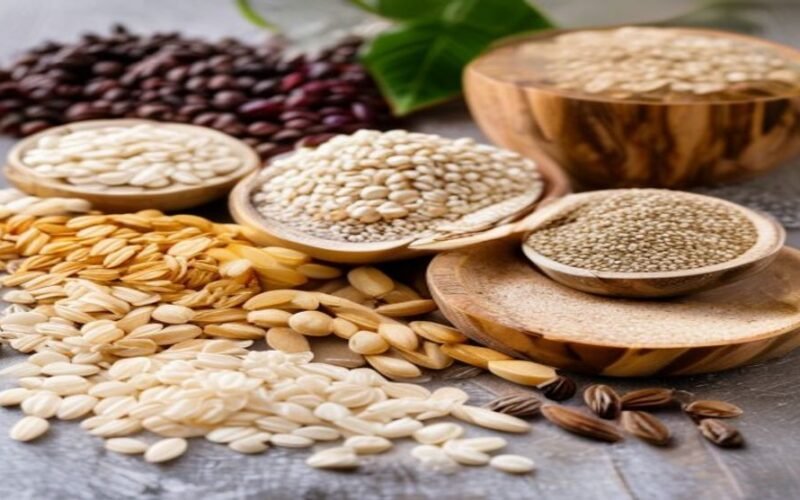
- Whole Grains: Opt for unprocessed grains like oats, brown rice, quinoa, whole-wheat bread, whole-wheat pasta, barley, and farro. These provide fiber and sustained energy. Aim for 3-6 servings a day, depending on activity levels.
- Legumes: Lentils, chickpeas, black beans, kidney beans, cannellini beans. Excellent sources of plant-based protein and fiber. Incorporate them several times a week.
- Nuts and Seeds: Almonds, walnuts, cashews, pistachios, sunflower seeds, chia seeds, flax seeds. Packed with healthy fats, protein, and fiber. Enjoy a small handful daily (about 1 ounce).
- Extra Virgin Olive Oil (EVOO): The cornerstone of the diet. Use it for cooking, dressing salads, dipping bread, and drizzling over finished dishes. It’s rich in monounsaturated fats and antioxidants.
- Herbs and Spices: Basil, oregano, thyme, rosemary, parsley, garlic, onion powder, paprika. Use generously to flavor your food naturally, reducing the need for excess salt.
Moderate Enjoyment: Weekly Delights
These foods are consumed regularly, but in smaller portions or less frequently than daily staples:
- Fish and Seafood: Prioritize fatty fish rich in omega-3s like salmon, mackerel, sardines, tuna, and trout. Aim for at least two servings per week. Other seafood like shrimp, mussels, and clams are also excellent choices.
- Poultry: Chicken and turkey are lean protein sources. Enjoy them in moderate portions, a few times a week.
- Dairy: Opt for plain Greek yogurt, kefir, and small amounts of cheese (feta, mozzarella, goat cheese). These provide calcium and probiotics. Choose full-fat, unsweetened options when possible.
- Eggs: A good source of protein. Enjoy 2-4 eggs per week, either on their own or incorporated into dishes.
Limit & Live Well: Occasional Indulgences
These foods should be consumed sparingly, typically a few times a month, or reserved for special occasions:
- Red Meat: Beef, lamb, pork. When consumed, choose lean cuts and keep portions small.
- Processed Foods: Packaged snacks, sugary cereals, fast food, highly refined grain products. These are often high in unhealthy fats, sugar, and sodium.
- Added Sugars and Sweets: Candies, pastries, sugary drinks. Naturally sweet fruits can satisfy your sweet tooth.
Hydration & Lifestyle: The Unseen Ingredients
- Water: The primary beverage. Drink plenty throughout the day.
- Red Wine: Optional and in moderation (one glass per day for women, up to two for men, with meals). If you don’t drink, don’t start.
- Physical Activity: Regular movement is a core component of the Mediterranean lifestyle.
- Social Connection: Sharing meals with family and friends is highly valued.
- Rest and Relaxation: Prioritizing sleep and managing stress contribute to overall well-being.
Building Your Mediterranean Pantry: Essential Staples
Stocking your kitchen with the right ingredients is the first step to successful Mediterranean eating. Here’s a list of essential pantry items and fresh produce to keep on hand:
Oils & Vinegars
- Extra Virgin Olive Oil (EVOO): Invest in a good quality EVOO. It’s your primary cooking oil and salad dressing.
- Balsamic Vinegar: Great for dressings, marinades, and drizzling.
- Red Wine Vinegar: Another excellent choice for vinaigrettes.
Grains & Legumes
- Whole Grains:
- Rolled Oats (for breakfast)
- Brown Rice or Wild Rice
- Quinoa
- Whole-Wheat Pasta
- Whole-Wheat Bread or Pita Bread
- Farro or Barley (optional, for variety)
- Legumes (Dried or Canned, low sodium):
- Lentils (brown, green, red)
- Chickpeas (Garbanzo Beans)
- Cannelini Beans (White Kidney Beans)
- Kidney Beans
- Black Beans
Nuts & Seeds
- Almonds
- Walnuts
- Pistachios
- Chia Seeds
- Flax Seeds (ground)
- Sunflower Seeds
- Sesame Seeds (for tahini or sprinkling)
Canned & Jarred Goods
- Canned Tomatoes: Diced, crushed, or whole peeled (essential for sauces).
- Canned Tuna or Salmon: Packed in water or olive oil (for quick meals).
- Canned Sardines: A powerhouse of omega-3s.
- Olives: Kalamata, green, black (for snacks, salads, and cooking).
- Artichoke Hearts: Canned or jarred (in water or brine).
- Roasted Red Peppers: Jarred.
Herbs & Spices (Dried)
- Oregano
- Basil
- Thyme
- Rosemary
- Paprika
- Cumin
- Coriander
- Red Pepper Flakes
- Bay Leaves
- Garlic Powder, Onion Powder
Fresh Produce (Stock regularly)
- Vegetables: Spinach, kale, broccoli, bell peppers, tomatoes, cucumbers, zucchini, eggplant, onions, garlic, lemons, potatoes, sweet potatoes.
- Fruits: Apples, bananas, oranges, berries (strawberries, blueberries), grapes, peaches, figs (seasonal).
Dairy & Protein (Refrigerated)
- Plain Greek Yogurt (unsweetened)
- Feta Cheese, Mozzarella, Goat Cheese (in moderation)
- Eggs
- Fish (salmon, cod, sardines, tuna steaks)
- Chicken Breast or Thighs
Having these staples on hand will make meal preparation much easier and ensure you always have healthy options available.
Your Step-by-Step Beginner’s Guide to Starting the Mediterranean Diet
Embarking on a new eating journey doesn’t have to be overwhelming. Here’s a simple, step-by-step approach to ease into the Mediterranean diet:
- Start Small, Make Gradual Changes: Don’t overhaul your entire diet overnight. Begin by incorporating one or two Mediterranean principles each week. For example, swap your morning cereal for oatmeal with fruit and nuts, or replace one red meat meal with fish or legumes.
- Focus on Adding, Not Just Restricting: Instead of thinking about what you need to cut out, focus on what you can add more of. Increase your intake of vegetables, fruits, whole grains, and healthy fats. When your plate is full of these nourishing foods, there will naturally be less room for less healthy options.
- Embrace Olive Oil: Make extra virgin olive oil your primary fat source. Use it for cooking, salad dressings, and as a finishing drizzle. It’s delicious and packed with health benefits.
- Prioritize Plant-Based Meals: Aim for at least 2-3 plant-based meals per week using legumes, grains, and vegetables as the stars. Think lentil soup, chickpea and veggie stir-fry, or a hearty whole-wheat pasta with vegetable sauce.
- Sneak in More Veggies: Add extra vegetables to whatever you’re already making. Stir-fry them into eggs, blend spinach into smoothies, add chopped peppers and onions to sauces, or simply snack on raw veggies with hummus.
- Make Smart Swaps:
- Swap white bread/pasta for whole-wheat versions.
- Replace sugary snacks with fruit or a handful of nuts.
- Choose water over sugary drinks.
- Switch from butter to olive oil.
- Plan Your Meals (Even Loosely): Having a general idea of what you’ll eat for the week can prevent last-minute unhealthy choices. Our 7-day meal plan below is a perfect starting point.
- Batch Cook Staples: Cook a big batch of quinoa, brown rice, or lentils at the beginning of the week. These can be easily added to salads, bowls, or used as a base for quick meals.
- Snack Smart: Keep healthy, Mediterranean-friendly snacks on hand: fruit, a handful of nuts, Greek yogurt, or vegetable sticks with hummus.
- Dine Out Wisely: Most restaurants offer Mediterranean-friendly options. Look for grilled fish, large salads with olive oil dressing, vegetable-based dishes, and whole-grain options. Don’t be afraid to ask for substitutions.
- Hydrate: Drink plenty of water throughout the day.
- Practice Mindful Eating: Pay attention to your hunger and fullness cues. Eat slowly, savor your food, and enjoy meals with others when possible.
Your 7-Day Mediterranean Diet Meal Plan for Beginners
This 7-day meal plan provides a delicious and easy-to-follow framework for starting the Mediterranean diet. Remember, this is a guide, not a strict rulebook. Feel free to adjust portion sizes based on your hunger and activity levels, and swap ingredients to suit your preferences, always keeping the core principles in mind. Don’t forget to drink plenty of water throughout the day!
Day 1: A Flavorful Introduction
- Breakfast: Greek Yogurt Parfait. Plain Greek yogurt layered with mixed berries, a sprinkle of walnuts, and a drizzle of honey (optional).
- Lunch: Large Mixed Green Salad with Canned Tuna. Mixed greens, cucumber, cherry tomatoes, bell peppers, olives, canned tuna (in olive oil or water), dressed with extra virgin olive oil and lemon juice. Serve with a slice of whole-wheat bread.
- Dinner: Baked Salmon with Roasted Vegetables. A salmon fillet baked with herbs (dill, parsley), lemon slices, served alongside a medley of roasted zucchini, bell peppers, and cherry tomatoes, drizzled generously with olive oil.
- Snack: Apple slices with a small handful of almonds.
Day 2: Harnessing Legumes & Lean Protein
- Breakfast: Oatmeal with Flax Seeds and Fruit. Cooked rolled oats topped with ground flax seeds, sliced banana, and a sprinkle of cinnamon.
- Lunch: Lentil Soup. A hearty bowl of homemade lentil soup with plenty of vegetables (carrots, celery, spinach), seasoned with herbs. Serve with a small whole-wheat pita.
- Dinner: Chicken and Vegetable Skewers. Grilled chicken breast pieces alternating with cherry tomatoes, zucchini, and onion. Marinate in olive oil, lemon juice, oregano, and garlic. Serve with a side of quinoa.
- Snack: A small bowl of olives and a few whole-wheat crackers.
Day 3: Dive into Seafood Excellence
- Breakfast: Whole-Wheat Toast with Avocado and Tomato. One slice of whole-wheat toast topped with mashed avocado, sliced tomatoes, a sprinkle of red pepper flakes, and a drizzle of olive oil.
- Lunch: Leftover Chicken and Vegetable Skewers with Quinoa.
- Dinner: Shrimp Scampi with Whole-Wheat Pasta. Sautéed shrimp with garlic, white wine (or vegetable broth), lemon juice, and plenty of parsley, tossed with whole-wheat spaghetti and a side salad.
- Snack: A small orange.
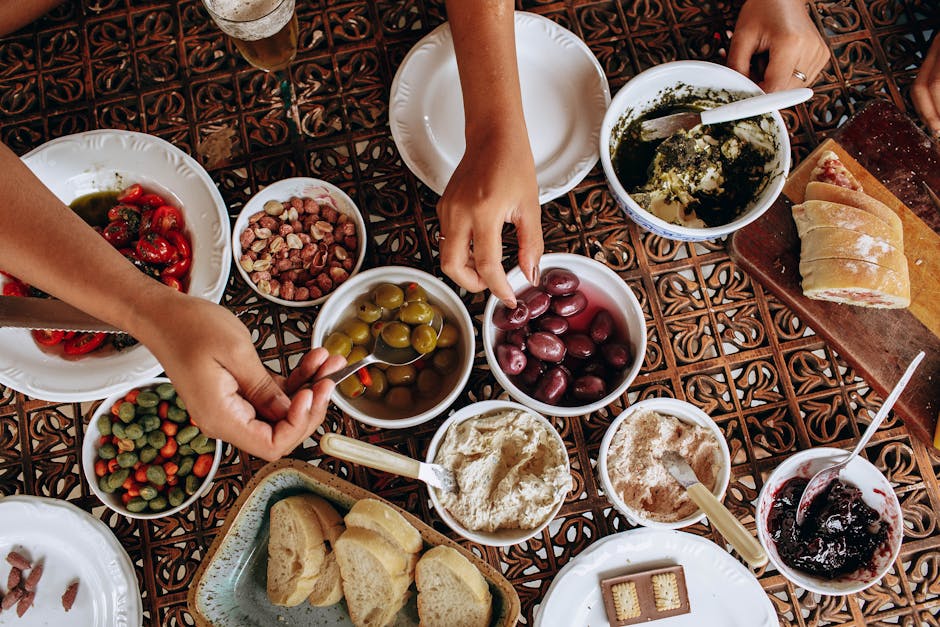
Day 4: Whole Grains & Veggies Galore
- Breakfast: Greek Yogurt with Peach and Walnuts. Plain Greek yogurt topped with sliced fresh peach and a small handful of walnuts.
- Lunch: Chickpea Salad Sandwich. Mash chickpeas with a little olive oil, lemon juice, finely diced celery, red onion, and herbs (dill, parsley). Serve in whole-wheat pita bread with lettuce and tomato.
- Dinner: Vegetarian Stuffed Bell Peppers. Bell peppers halved and stuffed with a mixture of brown rice, diced vegetables (mushrooms, onions, zucchini), canned crushed tomatoes, and herbs, then baked until tender. Top with a sprinkle of feta cheese (optional).
- Snack: Cucumber slices with hummus.
Day 5: Dairy & Diversification
- Breakfast: Scrambled Eggs with Spinach and Feta. Two eggs scrambled with fresh spinach and a small amount of crumbled feta cheese. Serve with a small slice of whole-wheat bread.
- Lunch: Leftover Vegetarian Stuffed Bell Peppers.
- Dinner: Mediterranean Chicken and White Bean Skillet. Sauté chicken pieces with cannellini beans, diced tomatoes, spinach, garlic, and oregano in olive oil. Serve with a side of whole-wheat couscous.
- Snack: A handful of mixed berries.
Day 6: Weekend Feasting, Mediterranean Style
- Breakfast: Fruit Salad with Greek Yogurt. A large bowl of mixed seasonal fruits (grapes, melon, berries) served with a side of plain Greek yogurt.
- Lunch: Caprese Salad with Whole-Wheat Crusty Bread. Sliced fresh mozzarella (in moderation), ripe tomatoes, fresh basil leaves, drizzled with extra virgin olive oil and balsamic glaze. Serve with a few slices of whole-wheat crusty bread for dipping.
- Dinner: Whole-Wheat Pizza with Vegetable Toppings. Use a whole-wheat pizza crust, spread with a thin layer of tomato sauce, and top generously with sliced bell peppers, onions, mushrooms, olives, and a light sprinkle of mozzarella.
- Snack: A small handful of pistachios.
Day 7: Reflect & Reinforce Healthy Habits
- Breakfast: Smoothie. Blend spinach, half a banana, a handful of berries, a scoop of plain Greek yogurt, and unsweetened almond milk.
- Lunch: Large Greek Salad. Mixed greens, tomatoes, cucumbers, red onion, Kalamata olives, a small amount of feta cheese, dressed with olive oil and red wine vinegar. Add some chickpeas for extra protein.
- Dinner: Baked Cod with Lemon and Herbs. Cod fillet baked with lemon slices, parsley, dill, and a generous drizzle of olive oil. Serve with a side of roasted sweet potatoes and steamed green beans.
- Snack: A handful of walnuts.
Important Notes for Your Meal Plan:
- Portion Control: Pay attention to your body’s hunger and fullness cues. While the Mediterranean diet encourages abundance of plant foods, moderate portions are key for other items, especially for weight management.
- Hydration: Continue to drink plenty of water throughout each day.
- Flexibility: This plan is a suggestion. Feel free to swap meals between days or substitute ingredients based on what’s fresh, seasonal, and available to you. The goal is to learn the principles and apply them.
- Cooking Methods: Prioritize grilling, baking, roasting, and sautéing with olive oil. Avoid deep-frying.
- Seasoning: Use fresh herbs, garlic, onions, lemon juice, and spices to enhance flavor without relying on excessive salt.
Beyond the Plate: Embracing the Mediterranean Lifestyle
The Mediterranean diet is more than just a list of foods; it’s a holistic approach to living that encompasses several lifestyle factors crucial for well-being. To truly embrace the Mediterranean way, consider incorporating these elements:
- Mindful Eating: Slow down and savor your meals. Pay attention to the flavors, textures, and aromas. This helps with digestion and promotes a healthier relationship with food, often leading to greater satisfaction with smaller portions.
- Social Connection: Share meals with family and friends. The act of communal eating is a cherished aspect of Mediterranean culture, fostering joy, connection, and a sense of community.
- Regular Physical Activity: From daily walks to gardening or dancing, staying active is a fundamental part of the Mediterranean lifestyle. Find activities you enjoy and make them a regular part of your routine.
- Adequate Rest and Relaxation: Prioritize quality sleep and find healthy ways to manage stress. A well-rested body and mind are better equipped to handle daily challenges and make healthy choices.
- Enjoyment: The Mediterranean approach isn’t about deprivation; it’s about enjoying delicious, wholesome foods and living a vibrant life. Embrace the joy of cooking and eating good food.
Overcoming Common Challenges on Your Mediterranean Journey
Starting any new diet can come with its hurdles. Here’s how to navigate some common challenges when adopting the Mediterranean diet:
- Perceived Cost: While it might seem expensive to buy fresh produce, focusing on seasonal vegetables, frozen fruits, dried legumes, and budget-friendly whole grains can keep costs down. Canned tuna and sardines are also economical protein sources. Cooking at home is almost always cheaper than eating out or buying processed foods.
- Time for Cooking: The Mediterranean diet does involve more home cooking. To save time, embrace meal prepping. Dedicate a couple of hours on a weekend to chop vegetables, cook a batch of grains, or prepare dressings. Simple meals like salads, whole-wheat pasta with quick sauces, and baked fish are quick to assemble.
- Cravings for Processed Foods: If you’re used to a diet high in sugar and unhealthy fats, you might experience cravings initially. These usually subside as your taste buds adjust to natural flavors. Focus on nutrient-dense foods, stay well-hydrated, and have healthy snacks readily available. Dark chocolate (in moderation) can be a good treat.
- Social Situations & Dining Out: Don’t let social events derail your progress. Most restaurants have Mediterranean-friendly options. Opt for grilled fish or chicken, large salads with oil and vinegar dressing, vegetable sides, and whole-grain choices. If you’re visiting friends, offer to bring a Mediterranean-inspired dish to share.
- Portion Control: While vegetables and fruits are abundant, remember that nuts, seeds, olive oil, and even whole grains are calorie-dense. Be mindful of serving sizes for these items, especially if weight management is a goal.
Frequently Asked Questions (FAQs) About the Mediterranean Diet
Here are answers to some common questions that beginners often have about the Mediterranean diet:
Is the Mediterranean Diet good for weight loss?
Yes, absolutely. While not explicitly designed as a weight-loss diet, many people find they naturally lose weight on the Mediterranean diet. This is because it emphasizes whole, unprocessed foods rich in fiber and healthy fats, which promote satiety and help regulate blood sugar. By reducing processed foods, added sugars, and unhealthy fats, and increasing intake of nutrient-dense foods, calorie intake often naturally decreases
Photo by Karolina Grabowska www.kaboompics.com on Pexels