In the vast landscape of health and wellness, the quest for effective and sustainable weight loss often feels like navigating a labyrinth. From fad diets to extreme workout regimens, the options are endless, yet lasting results remain elusive for many. What if a powerful ally, often celebrated for its heart and brain benefits, also held significant potential for shedding those stubborn pounds? Enter omega-3 fatty acids – essential fats that are not just good for your general health, but could be a game-changer in your weight loss journey.
At GetLeanPulse.com, we believe in empowering you with science-backed strategies for achieving your health and fitness goals. Today, we’re diving deep into the multifaceted world of omega-3 foods and their profound benefits for weight loss. Forget the notion that all fats are bad; certain fats, particularly omega-3s, are not only crucial for survival but can actively contribute to a leaner, healthier you. This comprehensive guide will unravel the science, debunk myths, and equip you with practical knowledge to harness the power of omega-3-rich foods for sustainable weight management.
The Essential Role of Omega-3 Fatty Acids in Your Body
Before we delve into their weight loss prowess, let’s establish what omega-3 fatty acids are and why they’re so vital. Omega-3s are a type of polyunsaturated fatty acid (PUFA) that are deemed “essential” because your body cannot produce them on its own. This means you must obtain them through your diet. There are three primary types of omega-3s relevant to human health:
- Alpha-Linolenic Acid (ALA): This is a short-chain omega-3 found primarily in plant foods. While beneficial in its own right, ALA must be converted by the body into the longer-chain EPA and DHA to exert many of the more potent health effects. The conversion rate, however, is often inefficient, particularly for DHA.
- Eicosapentaenoic Acid (EPA): A long-chain omega-3 predominantly found in fatty fish and seafood. EPA is well-known for its anti-inflammatory properties and its role in cardiovascular health.
- Docosahexaenoic Acid (DHA): Also a long-chain omega-3, DHA is highly concentrated in the brain and retina. It’s crucial for brain development, cognitive function, and vision. Like EPA, it’s abundant in fatty fish and seafood.
Beyond their emerging role in weight management, omega-3s are foundational to overall health. They are integral components of cell membranes throughout the body, influencing cell receptor function. They are precursors to eicosanoids, signaling molecules that regulate inflammation, blood clotting, and the contraction and relaxation of artery walls. A healthy balance of omega-3s is therefore critical for preventing chronic diseases and maintaining optimal bodily functions.
The Multifaceted Link: How Omega-3s Drive Weight Loss
The connection between omega-3 fatty acids and weight loss is far more intricate than simply burning fat. It involves a complex interplay of metabolic, hormonal, and cellular mechanisms. Here’s how incorporating omega-3-rich foods into your diet can significantly bolster your efforts to shed pounds:
1. Taming Chronic Inflammation: A Cornerstone of Weight Management
One of the most profound ways omega-3s contribute to weight loss is through their powerful anti-inflammatory effects. Chronic, low-grade inflammation is a silent epidemic in modern society, and it’s a significant driver of weight gain and obesity. When your body is in a constant state of inflammation, it can lead to:
- Insulin Resistance: Inflammation interferes with insulin signaling, making your cells less responsive to insulin. This means your body needs to produce more insulin to manage blood sugar, leading to higher insulin levels. High insulin promotes fat storage, especially around the abdomen, and hinders fat burning.
- Leptin Resistance: Leptin is a hormone that signals satiety to your brain. Chronic inflammation can disrupt this signaling, leading to leptin resistance. Your brain stops receiving the “I’m full” message, causing you to overeat and feel perpetually hungry, even when your body has sufficient energy stores.
- Increased Cortisol: Inflammation can elevate cortisol, the stress hormone. Chronically high cortisol levels are linked to increased abdominal fat accumulation and a greater desire for sugary, high-calorie foods.
Omega-3s, particularly EPA and DHA, work by reducing the production of pro-inflammatory molecules (like certain eicosanoids and cytokines) and increasing the production of anti-inflammatory ones. By calming systemic inflammation, omega-3s help restore proper hormonal balance, improve insulin sensitivity, and make your body a more efficient fat-burning machine. This foundational benefit sets the stage for many other weight loss advantages.
2. Boosting Metabolism and Fat Oxidation
A sluggish metabolism can be a major roadblock to weight loss. Omega-3s have been shown to influence metabolic rate in several ways, helping your body burn more calories and fat throughout the day:
- Mitochondrial Biogenesis and Function: Mitochondria are the “powerhouses” of your cells, responsible for converting food into energy. Omega-3s can promote mitochondrial biogenesis (the creation of new mitochondria) and enhance their efficiency. More and better-functioning mitochondria mean your cells are better equipped to burn fat for fuel.
- Enhanced Fat Oxidation: Studies suggest that omega-3s can increase the activity of enzymes involved in fat oxidation (fat burning). This means your body becomes more adept at utilizing stored fat for energy, rather than relying solely on carbohydrates. This is particularly beneficial during exercise, where increased fat oxidation can spare glycogen stores and improve endurance.
- Browning of White Adipose Tissue (WAT): Your body has different types of fat. White adipose tissue (WAT) stores energy and is associated with obesity. Brown adipose tissue (BAT) and beige fat, on the other hand, are metabolically active and burn calories to produce heat (thermogenesis). Research indicates that omega-3s can promote the “browning” of white fat cells, transforming them into beige fat cells that have thermogenic properties, thereby increasing energy expenditure.
By optimizing these metabolic processes, omega-3s contribute to a higher resting metabolic rate and a more efficient use of fat for fuel, making it easier to achieve a calorie deficit and shed excess weight.
3. Harnessing Appetite Control and Satiety
One of the biggest challenges in weight loss is managing hunger and cravings. Omega-3s can play a significant role in regulating appetite and promoting feelings of fullness, helping you naturally reduce your calorie intake:
- Impact on Satiety Hormones: Omega-3s can influence the production and sensitivity of key appetite-regulating hormones. They may increase levels of leptin (the satiety hormone) and cholecystokinin (CCK), which signals fullness, while potentially decreasing ghrelin (the hunger hormone).
- Reduced Food Intake: Several studies have shown that individuals consuming adequate omega-3s report feeling fuller for longer after meals, leading to reduced overall food consumption and fewer cravings throughout the day. This effect is often attributed to a combination of hormonal changes and the slower digestion of healthy fats, which contributes to sustained satiety.
- Gut-Brain Axis Communication: The gut microbiome plays a crucial role in appetite regulation. Omega-3s can positively influence the composition of gut bacteria, which in turn can affect the production of short-chain fatty acids (SCFAs) and other signaling molecules that communicate with the brain, influencing hunger and satiety signals.
By helping you feel more satisfied with less food, omega-3s make adherence to a calorie-controlled diet much more manageable and sustainable.
4. Improving Insulin Sensitivity and Blood Sugar Control
As mentioned earlier, insulin resistance is a major barrier to weight loss. When cells become resistant to insulin, glucose remains in the bloodstream, prompting the pancreas to pump out more insulin. High insulin levels signal the body to store fat and prevent fat breakdown, creating a vicious cycle of weight gain.
Omega-3 fatty acids, particularly EPA and DHA, can significantly improve insulin sensitivity. They do this by:
- Reducing Inflammation: By reducing chronic inflammation, omega-3s directly improve the ability of insulin receptors to function correctly.
- Enhancing Cell Membrane Fluidity: Omega-3s are incorporated into cell membranes, making them more fluid and allowing insulin receptors to function more efficiently, thereby improving glucose uptake by cells.
- Modulating Adiponectin: Adiponectin is a hormone produced by fat cells that plays a key role in regulating glucose levels and fatty acid breakdown. Omega-3s can increase adiponectin levels, leading to improved insulin sensitivity and increased fat burning.
Improved insulin sensitivity means your body can more efficiently use glucose for energy, store less as fat, and maintain stable blood sugar levels, reducing cravings and energy crashes that often lead to overeating.
5. Supporting Mood Regulation and Reducing Emotional Eating
Weight loss is not just about diet and exercise; mental and emotional well-being play a critical role. Stress, anxiety, and depression can often lead to emotional eating, where food is used as a coping mechanism rather than for fuel.
Omega-3s, especially DHA, are vital for brain health and function. They are key components of brain cell membranes and influence neurotransmitter pathways. Research has shown that adequate omega-3 intake can:
- Improve Mood: Omega-3s have antidepressant effects and can help alleviate symptoms of anxiety and depression, which are often linked to emotional eating patterns.
- Reduce Stress: By influencing the body’s stress response system, omega-3s may help lower cortisol levels, reducing the physiological urge to seek comfort foods during stressful periods.
By fostering a more stable mood and reducing stress, omega-3s can indirectly support weight loss by curbing emotional eating and making it easier to stick to a healthy eating plan.
6. Preserving Lean Muscle Mass During Weight Loss
When you lose weight, especially through calorie restriction, there’s always a risk of losing valuable lean muscle mass along with fat. This is detrimental because muscle is metabolically active, burning more calories at rest than fat tissue. Losing muscle can slow down your metabolism, making it harder to maintain weight loss in the long run.
Omega-3s can help mitigate muscle loss, particularly during periods of calorie deficit or in older adults. They achieve this by:
- Reducing Muscle Protein Breakdown: Omega-3s have anti-catabolic properties, meaning they can help reduce the breakdown of muscle protein, especially in inflammatory states.
- Enhancing Muscle Protein Synthesis: Some research suggests that omega-3s may enhance muscle protein synthesis (the process of building new muscle), particularly when combined with adequate protein intake and resistance exercise.
- Improving Anabolic Sensitivity: Omega-3s can make muscle cells more sensitive to anabolic stimuli, such as insulin and amino acids, further supporting muscle growth and repair.
By preserving and even promoting lean muscle mass, omega-3s help maintain a robust metabolism, making your weight loss more effective and sustainable.
Beyond Supplements: The Power of Omega-3 Rich Foods
While omega-3 supplements are widely available, prioritizing whole, omega-3-rich foods offers a superior approach to reaping these benefits. When you consume omega-3s from food sources, you also gain a wealth of other essential nutrients, including:
- Fiber: Found in plant-based omega-3 sources like flaxseeds and chia seeds, fiber aids digestion, promotes satiety, and helps regulate blood sugar.
- Vitamins and Minerals: Fatty fish, for example, are rich in vitamin D, B vitamins, selenium, and iodine – all crucial for metabolic health.
- Antioxidants: Many omega-3 foods come packed with antioxidants that further combat inflammation and cellular damage.
- Synergistic Compounds: The complex matrix of nutrients in whole foods often works synergistically, enhancing the overall health benefits in ways that isolated supplements cannot replicate.
Focusing on whole food sources promotes a more balanced and sustainable dietary pattern, which is fundamental for long-term weight loss success.
Top Omega-3 Powerhouse Foods for Weight Loss
Now that you understand the profound impact of omega-3s, let’s explore the best food sources to incorporate into your diet. We’ll categorize them by their primary omega-3 type (EPA/DHA vs. ALA) to help you make informed choices.
EPA & DHA Rich Foods (Primarily Marine Sources)
These are the most potent sources of the “active” forms of omega-3s, EPA and DHA, which your body can use directly.
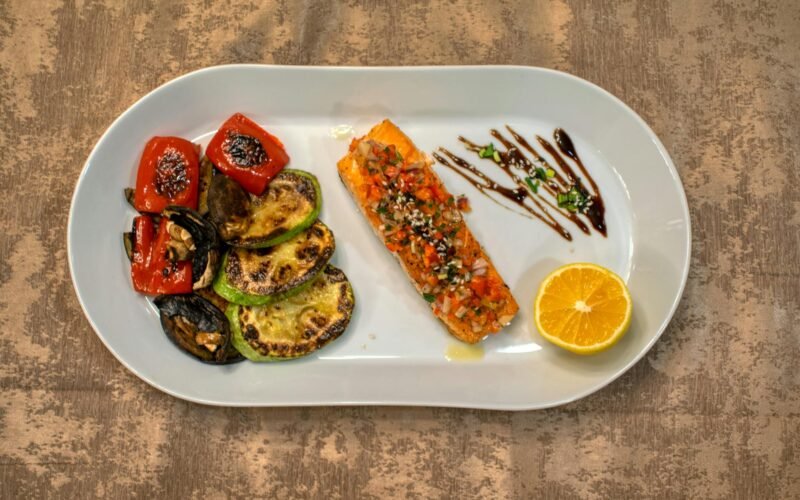
1. Salmon (Wild-Caught Preferred)
- Why it’s great: Revered for its high content of both EPA and DHA, salmon is also an excellent source of lean protein, which is vital for satiety and muscle preservation. Wild-caught salmon generally has a better omega-3 profile and fewer contaminants than farmed varieties.
- Weight loss tip: Bake, grill, or pan-sear salmon with herbs and vegetables. Aim for 2-3 servings (3.5-4 oz each) per week.
2. Mackerel
- Why it’s great: These small, fatty fish are incredibly rich in omega-3s and are often more affordable and sustainable than salmon. They also contain vitamin B12 and selenium.
- Weight loss tip: Enjoy smoked mackerel on whole-grain toast, or add canned mackerel (in water or olive oil) to salads.
3. Sardines
- Why it’s great: Small but mighty, sardines are packed with EPA, DHA, calcium, and vitamin D. Eating them whole means you also get bone-building nutrients.
- Weight loss tip: Add sardines to pizzas, salads, or mash them with avocado for a healthy spread. Look for varieties packed in olive oil or water.
4. Herring
- Why it’s great: Similar to sardines and mackerel, herring is a small, oily fish with an impressive omega-3 content. It’s also a good source of vitamin D and selenium.
- Weight loss tip: Pickled herring is a traditional delicacy; it can be enjoyed as a snack or part of a light meal.
5. Anchovies
- Why it’s great: Often overlooked, these tiny fish are bursting with flavor and omega-3s. They are also rich in niacin, selenium, and calcium.
- Weight loss tip: A little goes a long way! Use anchovy paste to add umami to salad dressings, pasta sauces, or vegetable dishes.
6. Lake Trout
- Why it’s great: While not as universally popular as salmon, lake trout is another excellent source of EPA and DHA, particularly the wild varieties.
- Weight loss tip: Prepare lake trout similarly to salmon – baked, grilled, or pan-fried with lemon and herbs.
7. Algae (for Vegetarians/Vegans)
- Why it’s great: Certain microalgae are unique plant-based sources that directly provide DHA (and sometimes EPA), bypassing the inefficient ALA conversion. This is crucial for vegetarians and vegans seeking these long-chain omega-3s.
- Weight loss tip: Look for algae-based omega-3 supplements or fortified foods.
ALA Rich Foods (Primarily Plant Sources)
These foods are excellent sources of ALA, which can be converted to EPA and DHA, albeit at varying rates, and also offer their own unique health benefits.
8. Flaxseeds (Ground)
- Why it’s great: One of the richest plant sources of ALA, flaxseeds also provide abundant fiber (both soluble and insoluble) and lignans, which have antioxidant properties. Grinding them is essential for optimal absorption.
- Weight loss tip: Add 1-2 tablespoons of ground flaxseeds to smoothies, oatmeal, yogurt, or use them as an egg substitute in baking (flax egg).
9. Chia Seeds
- Why it’s great: Like flaxseeds, chia seeds are a fantastic source of ALA, fiber, and protein. They absorb liquid and form a gel, which can contribute to feelings of fullness.
- Weight loss tip: Make chia puddings, add to smoothies, sprinkle on salads, or use as a thickening agent in sauces.
10. Hemp Seeds (Hemp Hearts)
- Why it’s great: These soft, nutty seeds offer a good balance of ALA, protein, and healthy fats. They are also rich in magnesium, zinc, and iron.
- Weight loss tip: Sprinkle hemp seeds on salads, soups, yogurt, or blend into smoothies for a creamy texture and nutrient boost.
11. Walnuts
- Why it’s great: Walnuts are the only tree nut significantly rich in ALA. They also provide protein, fiber, and a host of other beneficial micronutrients and antioxidants.
- Weight loss tip: Enjoy a small handful (a quarter cup) as a satisfying snack, or add chopped walnuts to salads, oatmeal, or homemade trail mix.
12. Soybeans/Edamame
- Why it’s great: Soybeans contain ALA, along with complete protein and fiber. Edamame (immature soybeans) are a convenient and delicious way to get these benefits.
- Weight loss tip: Snack on steamed edamame, add shelled edamame to stir-fries or salads.
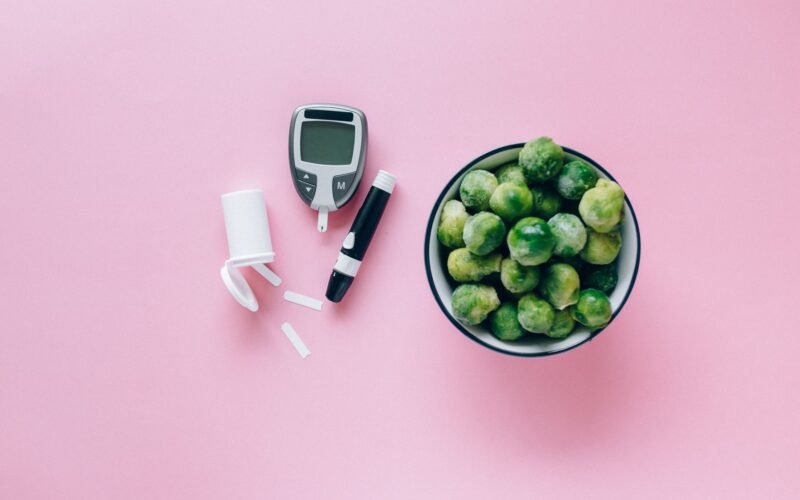
13. Brussels Sprouts & Other Cruciferous Vegetables
- Why it’s great: While not as concentrated as seeds or nuts, Brussels sprouts and other cruciferous vegetables (like kale and broccoli) contain small but significant amounts of ALA, along with fiber, vitamins, and phytochemicals.
- Weight loss tip: Roast Brussels sprouts with a drizzle of olive oil, or add them to stir-fries and salads.
14. Omega-3 Fortified Foods
- Why it’s great: Many products, such as eggs, milk, yogurt, and bread, are now fortified with omega-3s, often from flaxseed (ALA) or microalgae/fish oil (EPA/DHA). These can be a convenient way to boost your intake.
- Weight loss tip: Check labels to ensure the fortification provides meaningful amounts of omega-3s without excessive added sugars or unhealthy ingredients.
Remember that while ALA-rich plant foods are incredibly healthy, for optimal EPA and DHA levels, it’s beneficial to include marine sources or consider an algae-based supplement, especially if you’re vegetarian or vegan.
Integrating Omega-3 Foods into Your Weight Loss Diet: Practical Tips
Knowing which foods are rich in omega-3s is one thing; consistently incorporating them into your daily diet is another. Here are practical strategies and meal ideas to make it easy and delicious:
Breakfast Ideas: Start Your Day with Omega-3s
- Chia Seed Power Pudding: Mix chia seeds with almond milk, a scoop of protein powder, and berries. Let it sit overnight for a thick, satisfying breakfast.
- Flaxseed Oatmeal: Stir 1-2 tablespoons of ground flaxseeds into your morning oatmeal. Add walnuts and berries for extra flavor and nutrients.
- Omega-3 Eggs: Choose eggs fortified with omega-3s for your scrambled eggs or omelets. Pair with a side of spinach or avocado.
- Hemp Seed Smoothie: Blend a handful of spinach, half a banana, protein powder, almond milk, and 2 tablespoons of hemp seeds for a quick, nutrient-dense meal.
Lunch Ideas: Fuel Your Afternoon
- Salmon Salad Sandwich/Wrap: Mix canned salmon (ensure it’s wild-caught) with Greek yogurt or avocado instead of mayo, add celery, red onion, and herbs. Serve on whole-grain bread or in a lettuce wrap.
- Sardine & Avocado Toast: Mash sardines with avocado, lemon juice, and red pepper flakes. Spread on whole-grain toast.
- Walnut & Berry Salad: Top a bed of mixed greens with grilled chicken or chickpeas, a handful of walnuts, berries, and a light vinaigrette.
- Edamame & Veggie Bowl: Combine steamed edamame, quinoa, roasted vegetables (like Brussels sprouts!), and a lemon-tahini dressing.
Dinner Ideas: Wholesome and Satisfying
- Baked Salmon with Roasted Asparagus: A classic for a reason. Season salmon fillets with lemon, garlic, and dill, and bake alongside asparagus.
- Mackerel & Lentil Pilaf: Flake cooked mackerel into a savory lentil pilaf with diced vegetables and herbs.
- Tofu & Hemp Seed Stir-Fry: If you’re plant-based, make a stir-fry with extra-firm tofu, plenty of colorful vegetables, and sprinkle generously with hemp seeds at the end.
- Anchovy-Infused Pasta Sauce: A small amount of anchovy paste can add incredible depth and omega-3s to a tomato-based pasta sauce without making it taste “fishy.”
Snack Ideas: Smart Choices Between Meals
- Handful of Walnuts: A perfect grab-and-go snack for healthy fats and satiety.
- Steamed Edamame Pods: Lightly salted, these are a satisfying and protein-rich snack.
- Chia Seed Energy Bites: Combine chia seeds, oats, nut butter, and a touch of honey or maple syrup for a healthy, portable snack.
Dosage and Considerations for Optimal Weight Loss
While there isn’t a universally established “weight loss dose” for omega-3s, general health recommendations and research on their metabolic benefits can guide your intake.
Recommended Intake:
- For general health, most health organizations recommend around 250-500 mg combined EPA and DHA per day for healthy adults.
- For specific benefits like inflammation reduction or metabolic improvements often associated with weight loss, some studies use dosages ranging from 1-3 grams of combined EPA and DHA daily.
Prioritize Food First:
Aim to get your omega-3s primarily from food sources. Two servings of fatty fish per week can often meet general health recommendations. If you struggle to meet this, or are vegetarian/vegan, then consider supplementation.
Balancing Omega-3s and Omega-6s:
Modern diets are often excessively high in omega-6 fatty acids (found in vegetable oils like corn, soy, and sunflower oil, and processed foods) and low in omega-3s. This imbalance promotes inflammation. While omega-6s are essential, aiming for a healthier ratio (closer to 1:1 or 4:1 omega-6 to omega-3) is beneficial for reducing inflammation and supporting weight loss. Focus on reducing processed foods and opting for healthy cooking oils like olive oil or avocado oil.
When to Consider Supplements:
If you don’t regularly consume fatty fish or are vegetarian/vegan, a high-quality omega-3 supplement can be beneficial. Look for:
- Third-party tested: Ensures purity, potency, and absence of contaminants like mercury and PCBs.
- High EPA and DHA content: Check the label for the actual amount of EPA and DHA, not just “fish oil.”
- Algae-based options: For plant-based individuals, these provide direct DHA (and sometimes EPA).
Potential Side Effects:
From food sources, omega-3s are generally very safe. High doses from supplements can sometimes cause mild side effects like fishy burps, nausea, or loose stools. Very high doses (e.g., above 3 grams of combined EPA/DHA daily) could potentially increase bleeding risk in some individuals, particularly those on blood thinners. Always consult your doctor before starting any new supplement regimen, especially if you have underlying health conditions or are on medication.
The Holistic Approach: Omega-3s as Part of a Larger Strategy
It’s crucial to understand that while omega-3-rich foods are powerful allies, they are not a magic bullet for weight loss. Sustainable weight loss is a multifaceted journey that requires a holistic approach. Omega-3s work best when integrated into a comprehensive lifestyle plan that includes:
- Sustainable Calorie Deficit: To lose weight, you must consume fewer calories than you burn. Omega-3s help by improving satiety and metabolism, making this easier to achieve and maintain.
- Balanced Macronutrients: Pair your omega-3s with adequate lean protein (for muscle preservation and satiety), complex carbohydrates (for sustained energy and fiber), and other healthy fats.
- Regular Physical Activity: Combine cardiovascular exercise (for calorie burning and heart health) with strength training (for building and preserving muscle mass, boosting metabolism).
- Adequate Sleep: Poor sleep disrupts hunger hormones (ghrelin and leptin), increases cortisol, and impairs insulin sensitivity, all of which hinder weight loss. Aim for 7-9 hours of quality sleep per night.
- Stress Management: Chronic stress elevates cortisol, promoting belly fat storage and emotional eating. Incorporate stress-reducing practices like meditation, yoga, deep breathing, or spending time in nature.
- Hydration: Drinking enough water is essential for metabolism, satiety, and overall bodily functions.
- Mindful Eating: Pay attention to your hunger and fullness cues, eat slowly, and savor your meals.
Think of omega-3s as a crucial piece of a larger puzzle. When combined with these other healthy habits, their benefits for weight loss are amplified, leading to more profound and lasting results.
Common Misconceptions and FAQs About Omega-3s and Weight Loss
“Can I just take an omega-3 supplement and eat whatever I want?”
Absolutely not. While supplements can bridge nutritional gaps, they cannot compensate for a poor diet. Omega-3s work synergistically with other nutrients found in whole foods. A diet high in processed foods, refined sugars, and unhealthy fats will counteract the benefits of any supplement. Focus on a whole-food approach first.
“Are all fats bad for weight loss?”
This is a common and harmful misconception. Healthy fats, including omega-3s, monounsaturated fats (like in olive oil and avocados), and some saturated fats (in moderation), are essential for hormone production, nutrient absorption, satiety, and overall health. They are calorie-dense, so portion control is key, but avoiding them entirely is detrimental to health and can hinder weight loss efforts.
“Do I need to eat fish every single day?”
No, you don’t. Aim for 2-3 servings of fatty fish per week to get a good intake of EPA and DHA. On other days, you can incorporate plant-based
Photo by Jubair Bin Iqbal on Pexels