Healthy Meal Prep for the Week: Your Ultimate Guide to Sustainable Eating
In our fast-paced world, maintaining a healthy diet often feels like an uphill battle. Between demanding work schedules, family commitments, and the constant temptation of convenient (but often unhealthy) options, finding the time and energy to cook nutritious meals from scratch can seem impossible. This is where the power of healthy meal prep for the week comes in – a game-changer for anyone serious about optimizing their health, managing their weight, and reclaiming their precious time.
At GetLeanPulse.com, we believe that sustainable health transformations stem from consistent, intelligent choices. Meal prepping isn’t just a trend; it’s a fundamental strategy that empowers you to take control of your nutrition, eliminate decision fatigue, and consistently fuel your body with wholesome ingredients. Imagine a week where you never have to wonder “What’s for dinner?” or grab a regrettable takeout meal because you’re too tired to cook. That’s the freedom and control meal prep offers.
This comprehensive guide will demystify healthy meal prep, breaking down every step from initial planning to advanced strategies. Whether you’re a complete beginner or looking to refine your existing routine, we’ll equip you with the knowledge, tips, and inspiration to make weekly meal prep a seamless and enjoyable part of your healthy lifestyle. Get ready to transform your eating habits, save time and money, and consistently move closer to your health and fitness goals.
Why Meal Prep? The Undeniable Benefits of Planning Ahead
The commitment to healthy meal prep extends far beyond just having food ready. It’s a holistic approach that yields a multitude of advantages impacting your health, finances, and mental well-being. Understanding these benefits can serve as a powerful motivator to integrate this practice into your routine.
1. Saves Time During the Week
This is perhaps the most obvious and immediate benefit. By dedicating a few hours on one specific day (often a Sunday), you eliminate the daily chore of cooking. Instead of spending 30-60 minutes each evening preparing a meal, you simply grab a pre-portioned container from the fridge, reheat, and eat. This frees up significant time during busy weekdays, allowing you more time for exercise, hobbies, family, or simply relaxing.
2. Promotes Consistent Healthy Eating
When healthy, balanced meals are readily available, you’re far less likely to succumb to unhealthy impulse decisions. Meal prep puts you in control of your ingredients, cooking methods, and portion sizes. You can ensure your meals are rich in lean proteins, complex carbohydrates, healthy fats, and a diverse array of vegetables, aligning perfectly with your dietary goals, whether that’s weight loss, muscle gain, or general wellness. It’s a proactive defense against cravings and convenience traps.
3. Supports Weight Management and Body Composition Goals
For those focused on weight management, meal prep is an invaluable tool. Pre-portioned meals eliminate guesswork and make calorie and macronutrient tracking much easier. By preparing balanced meals in advance, you can avoid the hidden sugars, unhealthy fats, and excessive portion sizes often found in restaurant or processed foods. This consistent intake of controlled, nutritious meals is a cornerstone for achieving and maintaining a healthy body composition.
4. Saves Money in the Long Run
Eating out, ordering takeout, and making last-minute grocery runs for single ingredients can quickly drain your wallet. Meal prepping encourages bulk purchasing of staples, strategic use of sales, and a significant reduction in impulsive food spending. By cooking at home, you save a substantial amount compared to even moderately priced restaurant meals, allowing you to allocate those savings elsewhere or invest in higher-quality ingredients.
5. Reduces Stress and Decision Fatigue
The daily mental load of deciding “what to eat” can be surprisingly exhausting. Meal prep eliminates this stress entirely. Knowing exactly what you’ll eat for each meal removes a significant cognitive burden, freeing up mental energy for other tasks. It brings a sense of calm and organization to your week, making healthy eating feel effortless rather than a constant battle.
6. Minimizes Food Waste
When you plan your meals for the week, you buy ingredients with specific dishes in mind, reducing the likelihood of produce spoiling in your fridge or opened packages going unused. Every component has a purpose, leading to a more efficient use of your groceries and less food ending up in the trash. This not only saves money but is also a more environmentally conscious approach to eating.
Getting Started: The Foundation of Successful Meal Prep
Embarking on your meal prep journey doesn’t require an immediate overhaul of your kitchen or lifestyle. The key is to start with a solid foundation, understanding your needs, and equipping yourself with the right tools and pantry staples.
Mindset & Planning: Your First Steps
- Start Small: Don’t try to prep every single meal for the entire week on your first attempt. Begin by prepping lunches for 3-4 days, or just dinners. Gradually expand as you gain confidence and efficiency.
- Identify Your “Why”: What’s your primary motivation? Weight loss, saving money, more free time, better energy? Keeping your “why” front and center will fuel your consistency when motivation wanes.
- Set Realistic Goals: Perfection is the enemy of progress. Some weeks will be better than others. Aim for consistency over flawless execution. Even a partially prepped week is better than none.
- Assess Your Schedule: Look at your week ahead. Which meals are most challenging to eat healthily? These are your priority prep targets.
- Consider Your Preferences: Don’t prep food you don’t enjoy! Find recipes and ingredients that genuinely appeal to you. Variety can be introduced gradually.
Essential Kitchen Tools: Your Meal Prep Arsenal
While you don’t need a gourmet kitchen, a few key items will significantly streamline your meal prep process:
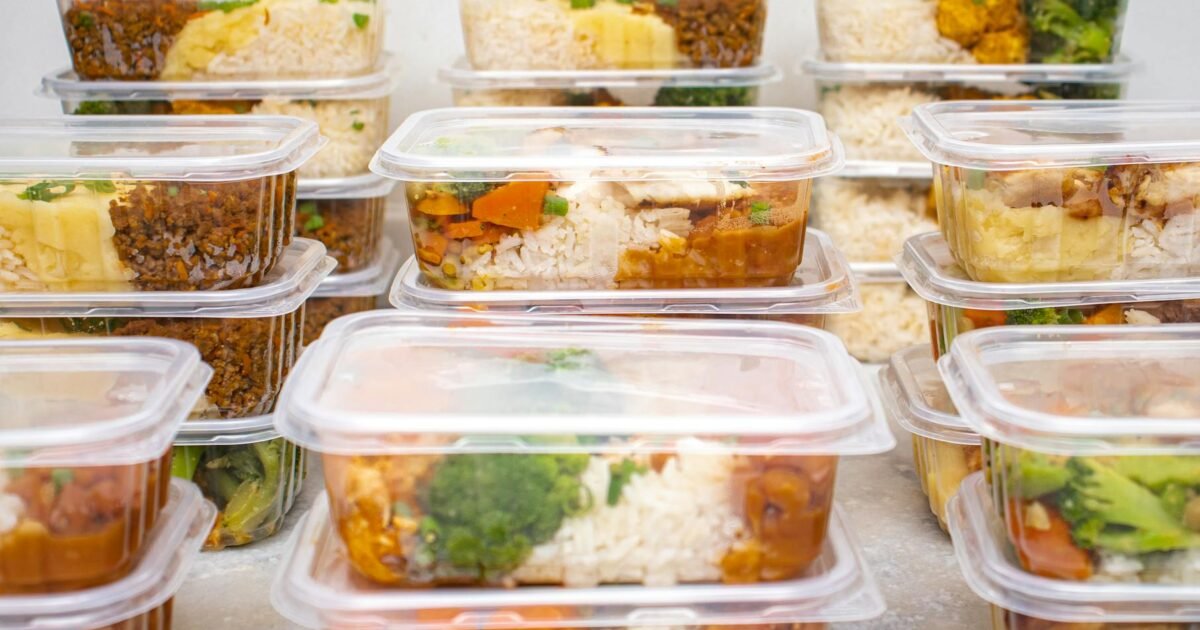
- Airtight Food Containers: Invest in high-quality, BPA-free plastic or, even better, glass containers. Glass is excellent for reheating, doesn’t stain, and lasts longer. Look for various sizes and shapes, including those with compartments for separating ingredients.
- Sharp Knives & Cutting Boards: Efficient chopping is crucial. A good chef’s knife and a sturdy cutting board (or two) will save you immense time and frustration.
- Large Pots & Pans: You’ll be cooking in bulk, so a large stockpot, a spacious sauté pan, and sturdy baking sheets are indispensable for roasting vegetables and proteins.
- Measuring Cups & Spoons: Essential for accurate portioning and recipe adherence, especially if tracking macros or calories.
- Food Scale: For precise portion control, a digital food scale is highly recommended.
- Blender or Food Processor (Optional but Helpful): Great for making sauces, dressings, smoothies, or chopping large quantities of vegetables quickly.
- Slow Cooker or Instant Pot (Optional): Excellent for hands-off cooking of proteins, stews, and grains, freeing you up for other prep tasks.

Pantry Staples: Building Your Healthy Foundation
Having a well-stocked pantry is key to spontaneous healthy cooking and efficient meal prep. These are items that have a long shelf life and form the basis of many nutritious meals:
- Grains: Quinoa, brown rice, oats (rolled or steel-cut), whole-wheat pasta, farro.
- Legumes: Canned black beans, chickpeas, lentils (dried or canned), kidney beans. These are excellent sources of plant-based protein and fiber.
- Canned Goods: Diced tomatoes, tomato paste, tuna in water, salmon, low-sodium broths.
- Oils & Vinegars: Extra virgin olive oil, avocado oil (for high-heat cooking), apple cider vinegar, balsamic vinegar, red wine vinegar.
- Spices & Herbs: A diverse collection of dried herbs (oregano, basil, thyme, rosemary) and spices (cumin, chili powder, paprika, garlic powder, onion powder, turmeric, black pepper, sea salt).
- Nuts & Seeds: Almonds, walnuts, chia seeds, flax seeds, pumpkin seeds (for healthy fats and crunch).
- Nut Butters: Natural peanut butter, almond butter (check for no added sugar or oils).
- Sweeteners (Moderation): Honey, maple syrup, stevia.
- Condiments: Low-sugar hot sauce, mustard, soy sauce/tamari (low sodium), salsa.
The Meal Prep Process: A Step-by-Step Guide
Once you have your mindset, tools, and pantry in order, it’s time to dive into the actual meal prep process. Following a structured approach will make your prep day efficient and enjoyable.
Step 1: Choose Your Meals & Create a Menu
This is arguably the most crucial step. A little planning here saves a lot of time and potential waste later.
- Assess Your Week: How many meals do you realistically need to prep? Do you eat breakfast at home every day? Do you have dinner plans one night?
- Focus on Components, Not Just Full Meals: Instead of thinking “I need five different complete meals,” think “I need a protein source, a carb source, and a vegetable source that can be combined in different ways.” This allows for variety without cooking entirely different dishes.
- Repurpose Ingredients: Can roasted chicken be used in a salad one day and a wrap the next? Can roasted sweet potatoes serve as a side for dinner and then be added to a breakfast bowl?
- Consider Dietary Needs & Preferences: Are you vegetarian, gluten-free, or low-carb? Factor this into your choices. If you’re cooking for a family, find meals that cater to everyone or components that can be customized.
- Brainstorm Recipes: Look through cookbooks, healthy food blogs (like GetLeanPulse.com!), Pinterest, or past successful meals. Aim for 2-3 main protein sources, 2-3 carb sources, and 2-3 types of vegetables to roast or chop.
- Example Menu Focus:
- Breakfast: Overnight oats with berries and nuts; Egg muffins.
- Lunch: Salad jars with grilled chicken; Quinoa bowls with roasted veggies and chickpeas.
- Dinner: Sheet pan sausage & peppers; Turkey chili.
- Snacks: Pre-portioned nuts, chopped veggies with hummus.
Step 2: Create Your Grocery List
Once your menu is finalized, cross-reference it with your pantry staples. List only what you *need* to buy.
- Be Specific: Instead of “chicken,” write “2 lbs boneless, skinless chicken breast.”
- Categorize: Group items by grocery store section (produce, dairy, meat, pantry) to make shopping faster and more efficient.
- Check for Sales: Plan your meals around what’s on sale to save money.
Step 3: Grocery Shopping
Stick to your list and avoid impulse buys. This is where your planning pays off.
- Shop the Perimeter First: This is where you’ll find most of your fresh produce, lean proteins, and dairy.
- Buy in Bulk (Wisely): If you have storage space and know you’ll use it, buying staples like grains, nuts, and certain proteins in bulk can be cost-effective.
- Read Labels: Pay attention to ingredients, sugar content, and sodium levels, especially on packaged goods.
Step 4: Prep Day Strategies (The Actual Cooking)
This is where the magic happens. Dedicate 2-4 hours on your chosen prep day. Put on some music, and get ready to cook efficiently.
- Clean as You Go: Keep your workspace tidy. Wash dishes as you use them to prevent an overwhelming pile at the end.
- Pre-Prep Your Produce: Wash and chop all your vegetables first. This is often the most time-consuming part. Store chopped veggies in airtight containers until ready to cook or use fresh.
- Batch Cook Grains: Cook a large batch of quinoa, brown rice, or farro. These can be used as bases for bowls, sides, or additions to salads.
- Roast Vegetables: Chop various vegetables (broccoli, bell peppers, carrots, Brussels sprouts, sweet potatoes), toss with olive oil and seasonings, and roast them all at once on large sheet pans.
- Cook Proteins in Bulk:
- Chicken: Bake, grill, or shred a large quantity of chicken breast or thighs.
- Ground Meat: Brown a large batch of lean ground turkey or beef with seasonings.
- Fish: Bake or pan-sear portions of salmon or cod.
- Plant-Based: Cook lentils, black beans, or prepare a large block of baked tofu or tempeh.
- Make Sauces & Dressings: Prepare your healthy dressings and sauces separately. Store them in small jars. This prevents salads from getting soggy and allows for flavor variety.
- Assemble or Store Components:
- Component Prep: Store cooked proteins, grains, and vegetables in separate containers. This offers flexibility to mix and match during the week.
- Full Meal Assembly: If you prefer grab-and-go, portion out complete meals into individual containers (e.g., chicken, quinoa, and roasted broccoli together).
- Cool Completely Before Storing: This is crucial for food safety. Hot food can raise the temperature of other foods in the fridge and create condensation, which promotes bacterial growth. Let everything cool down to room temperature before sealing and refrigerating.
- Label and Date: Use labels or a marker to note the contents and date of preparation. This helps you track freshness and ensures you eat older items first.
Healthy Meal Prep Components & Ideas
The beauty of meal prep lies in its versatility. By mastering a few core components, you can create an endless array of delicious and nutritious meals. Here’s a breakdown of essential categories and creative ideas.
Lean Proteins: The Foundation of Satiety and Muscle Growth
- Chicken Breast/Thighs: Bake, grill, shred, or sauté. Versatile for salads, bowls, wraps, or as a main dish.
Prep Idea: Bake 2-3 lbs of chicken breasts seasoned with different spices (e.g., Italian herbs, taco seasoning, lemon pepper). Shred some for wraps, slice some for salads.
- Lean Ground Turkey/Beef: Browned and seasoned, perfect for chili, tacos, pasta sauces, or lettuce wraps.
Prep Idea: Cook 1-2 lbs of ground turkey with onions, garlic, and your favorite spices. Store in a large container. Add to rice bowls, use as a topping for sweet potatoes, or build quick tacos.
- Fish (Salmon, Cod, Tilapia): Baked or pan-seared. While some fish is best fresh, heartier varieties like salmon can be prepped for 2-3 days.
Prep Idea: Bake salmon fillets with lemon and dill. Pair with roasted asparagus and quinoa.
- Eggs: Hard-boiled eggs are the ultimate grab-and-go protein. Egg muffins or frittatas are also excellent.
Prep Idea: Boil a dozen eggs for quick breakfasts or snacks. Make a batch of egg muffins with spinach, bell peppers, and feta for a savory morning option.
- Plant-Based Proteins: Tofu, tempeh, lentils, chickpeas, black beans, edamame.
Prep Idea: Bake a block of pressed tofu with soy sauce and sriracha. Cook a large pot of lentils or chickpeas. These can be added to salads, curries, or grain bowls.
Complex Carbohydrates: Sustained Energy and Fiber
- Quinoa: A complete protein and an excellent base for bowls and salads.
Prep Idea: Cook a large batch of quinoa (1 part quinoa, 2 parts water/broth). Fluff and store. Use it for lunch bowls with veggies and protein, or as a side for dinner.
- Brown Rice/Farro: Hearty and satisfying, ideal for bowls, stir-fries, or alongside stews.
Prep Idea: Prepare a large pot of brown rice. Portion it out for various meals throughout the week.
- Sweet Potatoes/Potatoes: Roasted, baked, or mashed.
Prep Idea: Roast cubed sweet potatoes with cinnamon and a touch of olive oil. They make a great side, or can be added to breakfast hashes.
- Whole-Wheat Pasta/Lentil Pasta: Cooked al dente, can be tossed with sauces or used in pasta salads.
Prep Idea: Cook a batch of whole-wheat penne. Toss with pesto and cherry tomatoes for a quick lunch, or add to a veggie and chicken pasta salad.
- Oats: Overnight oats are a classic prep-ahead breakfast.
Prep Idea: Prepare several jars of overnight oats with milk, chia seeds, and your choice of fruit/nuts for grab-and-go breakfasts.
Healthy Fats: Essential Nutrients and Satiety
- Avocado: Best added fresh, but you can prep guacamole (with lime juice) for a day or two.
Prep Idea: Keep avocados on hand to slice fresh onto meals or make a quick batch of guacamole for snacks.
- Nuts & Seeds: Portion them out for snacks or toppings.
Prep Idea: Create small baggies of almonds, walnuts, or mixed seeds for quick, healthy snacks.
- Olive Oil/Avocado Oil: Used for cooking and dressings.
- Nut Butters: Portion out for snacks or add to oatmeal/smoothies.
Vibrant Vegetables: Vitamins, Minerals, and Fiber
- Roastable Veggies: Broccoli, cauliflower, bell peppers, Brussels sprouts, carrots, zucchini, asparagus.
Prep Idea: Chop a large variety of these, toss with olive oil and your favorite seasonings (garlic powder, paprika, Italian herbs), and roast on sheet pans until tender-crisp. Store in containers.
- Leafy Greens: Spinach, kale, mixed greens. Best added fresh to meals right before eating to prevent wilting.
Prep Idea: Wash and dry large quantities of greens. Store in an airtight container with a paper towel to absorb moisture. Use as a base for salads or add to warm meals.
- Chop-and-Eat Veggies: Cucumbers, cherry tomatoes, celery, radishes.
Prep Idea: Chop these and store in containers for quick snacks with hummus or to add fresh crunch to meals.
Fruits: Natural Sweetness and Antioxidants
- Berries: Wash and store for quick snacks, oatmeal toppings, or smoothies.
- Apples/Pears: Slice and store with a little lemon juice to prevent browning.
- Bananas: Best stored whole, or sliced and frozen for smoothies.
- Grapes/Melon: Wash and portion.
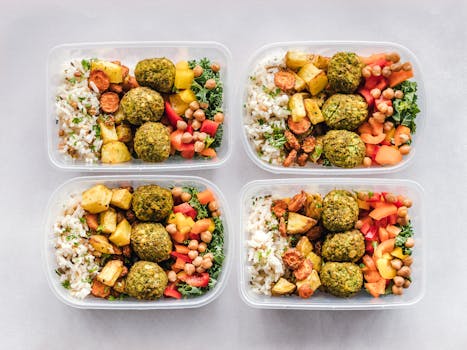
Sample Meal Prep Combinations: Putting It All Together
Here are a few ideas for combining your prepped components into delicious, healthy meals:
- Breakfast:
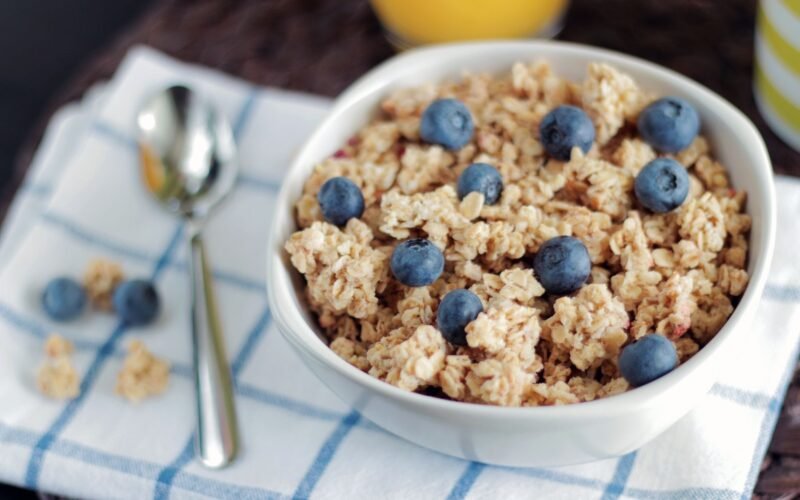
- Overnight Oats: Rolled oats, milk of choice, chia seeds, protein powder (optional), topped with fresh berries and a sprinkle of nuts.
- Egg Muffins: Baked eggs with chopped spinach, bell peppers, and turkey sausage.
- Yogurt Parfaits: Greek yogurt layered with pre-portioned granola and berries.
- Lunch:
- Salad Jars: Dressing at the bottom, hard veggies (carrots, cucumbers), grains, protein (chicken, chickpeas), leafy greens on top. Shake and eat!
- Buddha Bowls: Base of quinoa or brown rice, topped with roasted veggies, baked tofu/chicken, a dollop of hummus, and a drizzle of tahini dressing.
- Chicken & Veggie Wraps: Prepped shredded chicken, chopped bell peppers, lettuce, and a whole-wheat tortilla. Add sauce fresh.
- Dinner:
- Sheet Pan Meals: Prepped chicken sausage, bell peppers, onions, and sweet potatoes roasted together.
- Turkey Chili: A large batch of hearty turkey chili can last for days and is excellent for freezing.
- Stir-Fry Components: Prepped sliced chicken/tofu, chopped broccoli, carrots, and bell peppers. Quickly stir-fry with a pre-made sauce and serve over pre-cooked brown rice.
- Snacks:
- Veggie sticks (carrots, celery, cucumbers) with portioned hummus.
- Apple slices with almond butter.
- Handful of pre-portioned mixed nuts.
- Hard-boiled eggs.
Advanced Meal Prep Tips & Tricks for the Savvy Prepper
Once you’ve mastered the basics, these advanced techniques can elevate your meal prep game, offering more variety, convenience, and longevity.
1. Freezing for Longevity and Variety
Not everything needs to be eaten within 3-4 days. Many prepped items freeze beautifully:
- Soups and Stews: Portion into individual containers or freezer bags.
- Cooked Grains: Rice, quinoa, and farro can be frozen in individual portions.
- Cooked Proteins: Shredded chicken, ground meat, and even some baked fish can be frozen.
- Baked Goods: Muffins, breakfast cookies, and energy bites.
Remember to thaw frozen meals safely in the refrigerator overnight or using the defrost setting on your microwave.
2. Mastering Flavor Boosters
Prevent “meal prep boredom” with strategic use of flavor:
- Herbs and Spices: Don’t be afraid to experiment! Use different spice blends on different protein batches.
- Marinades: Marinate your proteins before cooking for deeper flavor.
- Healthy Sauces and Dressings: Prepare a few different healthy sauces (e.g., a lemon-tahini dressing, a peanut sauce, a simple vinaigrette). Store them separately and add just before eating. This allows for variety and prevents sogginess.
- Fresh Garnishes: A sprinkle of fresh herbs (cilantro, parsley), a squeeze of lime or lemon, a dash of hot sauce, or a pinch of toasted seeds can transform a prepped meal.
3. Preventing Soggy Salads and Wilted Greens
The secret to fresh-tasting salads throughout the week is layering:
- Dressings First: Always put your dressing at the very bottom of the jar or container.
- Hardier Veggies Next: Layer with non-absorbent, hard vegetables like carrots, cucumbers, bell peppers, and cherry tomatoes.
- Grains and Proteins: Add your cooked grains, beans, and protein (chicken, tofu).
- Delicate Greens Last: Top with leafy greens, avocado (if adding ahead, toss with lemon juice), and nuts/seeds.
- Shake and Eat: When ready to eat, simply shake the jar to distribute the dressing and mix the ingredients.
4. Creative Leftovers & Component Transformation
Don’t think of prep as just eating the same meal five times. Think of components:
- Roast chicken one day becomes chicken salad in a wrap the next, and then part of a stir-fry.
- Cooked quinoa can be a side, a base for a bowl, or added to a breakfast hash.
- Roasted vegetables can be added to eggs, mixed into pasta, or blended into a soup.
5. Theme Weeks for Inspiration
Sometimes, a theme can simplify planning:
- Mediterranean Week: Focus on grilled chicken/fish, quinoa, hummus, cucumbers, tomatoes, olives.
- Mexican Fiesta: Ground turkey/beans, brown rice, salsa, corn, bell peppers.
- Asian Fusion: Tofu/chicken, brown rice, broccoli, snap peas, soy-ginger dressing.
6. Utilizing One-Pot/One-Pan Meals
Minimize cleanup by choosing recipes that cook everything together, like sheet pan dinners or large skillet meals. These are fantastic for efficient prep day cooking.
7. Listen to Your Body and Adjust
Meal prep is not rigid. Adjust portion sizes based on your activity level and hunger. If a certain meal isn’t satisfying you, tweak the macros or ingredients for the next week
Photo by IARA MELO on Pexels