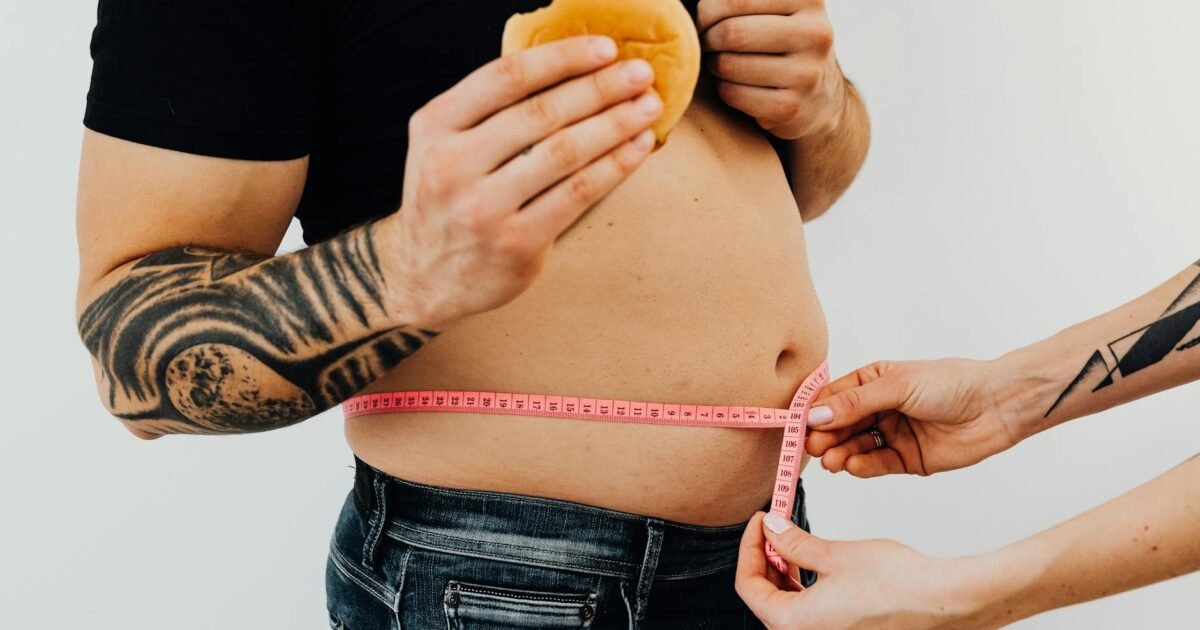
Lose 10 Pounds in 2 Weeks: Your Rapid, Healthy Action Plan
The desire for rapid results is a powerful motivator, and the thought of shedding 10 pounds in just two weeks can be incredibly appealing. Whether you’re preparing for a special event, kickstarting a longer weight loss journey, or simply seeking a significant health boost, an ambitious goal like this demands a clear, strategic, and most importantly, healthy approach. At GetLeanPulse.com, we understand this aspiration, and we’re here to guide you through what it truly takes to achieve such a goal – safely and effectively.
Before we dive into the details, it’s crucial to set realistic expectations and understand the underlying principles. Losing 10 pounds in 14 days is an aggressive target. While certainly achievable for many, particularly those with more weight to lose, a significant portion of this initial loss will likely be water weight and reduced inflammation, rather than pure body fat. This plan is designed for short-term, intensive effort and is not a sustainable long-term solution. Always consult with a healthcare professional before embarking on any rapid weight loss regimen, especially if you have underlying health conditions.
This comprehensive guide will equip you with the knowledge and actionable steps across three critical pillars: precision nutrition, strategic exercise, and vital lifestyle adjustments. By meticulously following these guidelines, you can create the significant calorie deficit required to potentially see the scale drop by 10 pounds, fostering not just weight loss but also improved energy, better digestion, and a powerful sense of accomplishment.
Understanding Rapid Weight Loss: The Science Behind the Scale
To lose weight, you must consume fewer calories than your body burns – this is known as creating a calorie deficit. To lose 10 pounds in two weeks, an exceptionally large deficit is required. Each pound of body fat is roughly equivalent to 3,500 calories. Therefore, to lose 10 pounds of *pure fat*, you’d need a total deficit of 35,000 calories over 14 days, or an average of 2,500 calories per day. This is a very challenging target for most individuals to achieve through diet and exercise alone without severe restriction, which is why the initial rapid loss is often a combination of factors.
The Calorie Deficit Imperative
Your body constantly burns calories to perform basic functions (Basal Metabolic Rate or BMR) and through daily activities (Non-Exercise Activity Thermogenesis or NEAT), and purposeful exercise. The total number of calories your body burns in a day is your Total Daily Energy Expenditure (TDEE). To create a deficit, you need to eat below your TDEE. For a rapid 10-pound loss, we’re talking about a significant reduction – often 1000-1500 calories below maintenance, combined with increased physical activity to burn even more.
For example, if your maintenance calories are 2500 per day, eating 1500 calories would create a 1000-calorie deficit. Over 14 days, this equates to 14,000 calories. Add in increased exercise burning an extra 500-700 calories per day, and you can push your total daily deficit significantly higher. However, this level of restriction needs to be managed carefully to ensure adequate nutrient intake and energy for daily function.
The Role of Water Weight and Glycogen
When you initiate a low-calorie, low-carbohydrate diet, your body quickly depletes its glycogen stores. Glycogen is a stored form of glucose found in your muscles and liver. Each gram of glycogen is stored with approximately 3-4 grams of water. As your body uses up its glycogen, it also sheds this associated water, leading to a noticeable drop on the scale within the first few days. This “water weight” can account for several pounds of initial rapid weight loss.
Additionally, reducing sodium intake, consuming more water, and decreasing inflammatory foods can further reduce bloating and fluid retention, contributing to a leaner appearance and a lower number on the scale. While not “fat loss,” this effect is real and contributes significantly to the early psychological boost of seeing results.
Metabolic Adaptations and Short-Term vs. Long-Term
In the short term (like two weeks), your body’s metabolic rate is unlikely to significantly adapt or slow down to resist weight loss. However, prolonged periods of severe calorie restriction can lead to metabolic slowdowns, increased hunger hormones, and a decrease in energy expenditure. This plan is designed to be short enough to leverage the initial rapid responses without triggering significant negative long-term adaptations. It’s crucial to understand that this is a sprint, not a marathon, and sustainability requires a different, more moderate approach.
Pillar 1: The Precision Nutrition Plan for 2 Weeks
Diet is the cornerstone of rapid weight loss. Without a strict and strategic approach to what you eat, achieving a 10-pound loss in two weeks is highly improbable. This plan focuses on nutrient-dense, low-calorie foods that promote satiety and help create a significant calorie deficit.
Calorie Targets: Striking the Balance
For most individuals aiming for rapid weight loss, a daily calorie target between 1200 and 1500 calories is often recommended, depending on your starting weight, activity level, and gender. This range is restrictive and should only be maintained for a short period like two weeks, and ideally under medical supervision. It is critical to ensure you’re still getting essential nutrients within this range.
- For Women: Often around 1200-1400 calories per day.
- For Men: Often around 1400-1600 calories per day.
These are general guidelines. Use an online TDEE calculator to estimate your maintenance calories and then subtract 1000-1200 calories to get your target. This will feel challenging, but it’s necessary for rapid results.
Macronutrient Breakdown: Fueling Fat Loss
The distribution of protein, carbohydrates, and fats (macronutrients) plays a vital role in satiety, muscle preservation, and energy levels during a calorie-restricted phase.
High Protein: Your Satiety and Muscle Guardian
Protein is paramount during rapid weight loss for several reasons:
- Satiety: Protein is the most satiating macronutrient, helping you feel fuller for longer and reducing cravings.
- Muscle Preservation: Adequate protein intake helps prevent muscle loss, which is crucial because muscle tissue burns more calories at rest than fat tissue.
- Thermic Effect of Food (TEF): Protein has a higher TEF than carbs or fats, meaning your body burns more calories digesting and metabolizing protein.
Aim for 0.8 to 1 gram of protein per pound of your target body weight. If you weigh 180 lbs and aim for 170 lbs, target 170 grams of protein.
Low-to-Moderate Carbs: Strategic Fuel
To facilitate water weight loss and keep insulin levels stable, a low-to-moderate carbohydrate approach is effective. Focus on complex, fiber-rich carbohydrates from vegetables, and limit grains and starchy vegetables initially.
- Complex Carbs: Primarily from non-starchy vegetables.
- Strategic Timing: If consuming small amounts of starchy carbs (e.g., a small portion of quinoa or sweet potato), have them around your workout times to fuel activity.
Aim for 50-100 grams of net carbohydrates per day, mostly from vegetables.
Healthy Fats: Essential for Hormones and Satiety
While calories are restricted, healthy fats are essential for hormone production, nutrient absorption, and satiety. However, fats are calorie-dense, so portion control is key.
- Sources: Avocado, nuts, seeds, olive oil, fatty fish.
- Moderation: A small amount at each meal to enhance flavor and fullness.
Aim for 30-45 grams of healthy fats per day.
Food Choices: What to Eat (and Avoid)
Prioritize These Foods:
- Lean Proteins: Chicken breast, turkey, lean beef, fish (cod, salmon, tuna), eggs, egg whites, Greek yogurt (plain, unsweetened), tofu, tempeh, cottage cheese.
- Non-Starchy Vegetables: Spinach, kale, broccoli, cauliflower, bell peppers, zucchini, cucumber, asparagus, green beans, mushrooms, lettuce. Eat these in abundance! They are high in fiber, low in calories, and nutrient-dense.
- Healthy Fats (in moderation): Avocado (1/4-1/2 per day), small handful of raw nuts/seeds (almonds, chia, flax), a drizzle of olive oil or avocado oil for cooking/dressing.
- Limited Fruits (low glycemic): Small portions of berries (strawberries, blueberries, raspberries) due to their lower sugar content.
Strictly Limit or Avoid These:
- Processed Foods: Anything pre-packaged, fast food, sugary snacks, refined cereals.
- Sugary Drinks: Sodas, fruit juices, sweetened coffee/tea, energy drinks. These are empty calories.
- Refined Grains: White bread, pasta, white rice, pastries, crackers.
- Starchy Vegetables: Potatoes, corn, peas (limit to very small portions if consumed).
- Alcohol: Contains empty calories and can impair fat burning and decision-making.
- Excessive Sodium: Can cause water retention. Cook with herbs and spices instead of relying on processed seasonings.
Hydration: Your Secret Weapon
Water is often overlooked but is absolutely critical for rapid weight loss. It plays multiple roles:
- Satiety: Drinking water before meals can help you feel fuller, leading to reduced calorie intake.
- Metabolism: Water is essential for all metabolic processes, including fat metabolism.
- Detoxification: Helps flush out waste products and excess sodium, reducing bloating.
- Energy: Prevents dehydration, which can lead to fatigue and mistaken hunger.
Aim for at least 8-10 glasses (2-3 liters) of water per day, and even more if you’re exercising intensely. You can also include unsweetened herbal teas.
Sample 2-Week Meal Plan (General Ideas)
This is a framework, not a rigid prescription. Adjust portion sizes to fit your calorie targets.
Breakfast (Choose 1):
- Scrambled eggs (3-4 egg whites, 1 whole egg) with spinach and mushrooms, a small side of avocado.
- Plain Greek yogurt (1 cup) with a few berries and a sprinkle of chia seeds.
- Protein smoothie: protein powder, water/unsweetened almond milk, a handful of spinach, a few ice cubes.
Lunch (Choose 1):
- Large salad with mixed greens, grilled chicken/fish (4-6 oz), cucumber, bell peppers, light vinaigrette (oil and vinegar based).
- Tuna (canned in water) mixed with plain Greek yogurt and celery, served in lettuce cups.
- Leftover lean protein and steamed non-starchy vegetables from dinner.
Dinner (Choose 1):
- Baked salmon (5-6 oz) with a large serving of steamed broccoli and asparagus.
- Lean ground turkey stir-fry with a variety of non-starchy vegetables (no rice, light soy sauce/tamari).
- Grilled chicken breast (5-6 oz) with a big side of roasted cauliflower or Brussels sprouts.
Snacks (Optional, if hungry and within calorie limits):
- Hard-boiled egg.
- Small handful of almonds (10-12).
- Celery sticks with 1-2 tbsp of almond butter.
- Cucumber slices.
Remember to track your food intake using an app to ensure you stay within your calorie and macronutrient targets.

Pillar 2: Strategic Exercise for Accelerated Results
While diet creates the primary calorie deficit, strategic exercise amplifies your efforts by burning additional calories, preserving muscle mass, and boosting your metabolism. For a two-week intensive plan, a combination of high-intensity interval training (HIIT), strength training, and increased non-exercise activity is most effective.
High-Intensity Interval Training (HIIT): Maximize Calorie Burn
HIIT involves short bursts of intense exercise followed by brief recovery periods. This method is incredibly efficient for burning calories during and after the workout (EPOC – Excess Post-exercise Oxygen Consumption, or “afterburn effect”).
- Benefits: Burns a lot of calories in a short time, improves cardiovascular fitness, can help preserve muscle.
- Examples: Sprinting, burpees, jumping jacks, high knees, mountain climbers, kettlebell swings.
- Frequency: 3-4 times per week on non-consecutive days.
- Structure: 20-30 minutes total, including warm-up and cool-down. For example, 30-60 seconds max effort, 30-60 seconds rest, repeat 8-12 times.
Strength Training: Preserve Muscle, Boost Metabolism
Don’t skip the weights! Strength training is vital during a calorie deficit to prevent muscle loss. The more muscle you have, the higher your resting metabolic rate, meaning you burn more calories even at rest.
- Benefits: Builds and preserves muscle, increases metabolism, improves body composition.
- Examples: Compound movements like squats, deadlifts (or RDLs), lunges, push-ups, rows, overhead press. Use bodyweight, dumbbells, or resistance bands.
- Frequency: 3 times per week, full body workouts or upper/lower splits.
- Structure: 3-4 sets of 8-12 repetitions per exercise. Focus on proper form.
Non-Exercise Activity Thermogenesis (NEAT): Move More, Burn More
NEAT refers to all the calories you burn through activities that are not purposeful exercise. Increasing your NEAT can significantly contribute to your daily calorie expenditure without adding intense fatigue.
- Examples: Taking the stairs, parking further away, walking during phone calls, fidgeting, standing instead of sitting, doing household chores more vigorously.
- Goal: Aim for at least 10,000-12,000 steps per day, in addition to your structured workouts.
Cardiovascular Exercise (LISS): Steady State for Recovery and Burn
Low-Intensity Steady State (LISS) cardio, such as brisk walking, light jogging, or cycling, can be performed on recovery days or in addition to your main workouts. It burns calories, aids in recovery, and is less taxing on the central nervous system than HIIT.
- Benefits: Burns calories, improves heart health, aids in active recovery.
- Frequency: 2-3 times per week, especially on non-HIIT/strength training days.
- Structure: 30-60 minutes at a moderate pace where you can hold a conversation.
The 2-Week Exercise Schedule (General Template)
Here’s a possible structure for your 2-week exercise plan:
- Day 1: Full Body Strength Training
- Day 2: HIIT (e.g., sprints or burpee circuit) + NEAT focus
- Day 3: LISS Cardio (e.g., 45-60 min brisk walk) + NEAT focus
- Day 4: Full Body Strength Training
- Day 5: HIIT + NEAT focus
- Day 6: Active Recovery (light stretching, yoga) or LISS Cardio + NEAT focus
- Day 7: Rest or LISS Cardio + NEAT focus
Repeat this schedule for the second week. Listen to your body and adjust intensity or take extra rest if needed, especially with such a demanding calorie deficit.
Pillar 3: Lifestyle Hacks for Enhanced Weight Loss
Beyond diet and exercise, several lifestyle factors profoundly impact your body’s ability to lose weight, especially under an intensive two-week plan. Optimizing these areas can make the difference between success and struggle.
Sleep: The Unsung Hero of Metabolism
Inadequate sleep can sabotage even the most diligent weight loss efforts. When you’re sleep-deprived, your body produces more ghrelin (the hunger hormone) and less leptin (the satiety hormone), leading to increased cravings and overeating. It also elevates cortisol, a stress hormone that can promote fat storage, particularly around the abdomen.
- Goal: Aim for 7-9 hours of quality sleep per night.
- Tips: Establish a consistent sleep schedule, create a dark and cool sleep environment, avoid screens before bed, limit caffeine and alcohol in the evenings.
Stress Management: Taming Cortisol
Chronic stress triggers the release of cortisol, which can not only increase appetite but also encourage the body to store fat, particularly visceral fat (belly fat). Managing stress is crucial for overall health and effective weight loss.
- Techniques:
- Mindfulness and Meditation: Even 10-15 minutes a day can make a difference.
- Deep Breathing Exercises: Can quickly calm the nervous system.
- Gentle Yoga or Stretching: Promotes relaxation and flexibility.
- Spending Time in Nature: Reduces stress and improves mood.
Mindful Eating: Beyond Calories
Even with a strict meal plan, how you eat can influence digestion, satisfaction, and nutrient absorption.
- Slow Down: Eat slowly, savoring each bite. This allows your body time to register fullness.
- Chew Thoroughly: Aids digestion and nutrient absorption.
- Eliminate Distractions: Avoid eating in front of screens. Focus on your food.
- Listen to Your Body: Pay attention to actual hunger and satiety cues, even if you’re following a plan.
Consistency and Accountability
A two-week plan leaves no room for error. Consistency is paramount.
- Track Everything: Use a food journal or app to log all your food and drink intake. This ensures you stay within your calorie targets.
- Measure Progress: While the scale is one metric, also note how your clothes fit, energy levels, and overall well-being.
- Find Support: Share your goals with a trusted friend, family member, or online community for encouragement and accountability.
- Prepare Ahead: Meal prepping on weekends can significantly increase adherence during the week.
Potential Challenges and How to Overcome Them
Embarking on a rapid weight loss plan will present challenges. Anticipating them and having strategies in place can help you stay on track.
Hunger Pangs: Strategies to Cope
You will likely experience hunger. This is normal when creating a significant calorie deficit.
- Drink Water: Often, thirst is mistaken for hunger. Drink a large glass of water.
- High-Volume, Low-Calorie Foods: Load up on non-starchy vegetables. They fill you up without adding many calories.
- Lean Protein and Fiber: Ensure each meal has ample protein and fiber to maximize satiety.
- Distraction: Sometimes, hunger is emotional. Find a healthy distraction like a walk, reading, or a hobby.
Fatigue: Listen to Your Body
A calorie deficit combined with increased exercise can lead to fatigue.
- Prioritize Sleep: As discussed, sleep is crucial for recovery and energy.
- Adjust Workout Intensity: If you’re excessively tired, reduce the intensity of your workouts. Opt for LISS cardio instead of HIIT, or do a lighter strength session.
- Ensure Adequate Nutrients: Make sure you’re still getting enough micronutrients from whole foods. Consider a multivitamin if concerned.
Plateaus: What to Do When Progress Stalls (Even in 2 Weeks)
Even in a short period, the scale might not always move linearly.
- Don’t Panic: Fluctuations in water weight, hormones, and digestion can mask true fat loss.
- Re-evaluate Intake: Double-check your food logging. Are you accurately counting every calorie, every condiment?
- Increase NEAT: Step up your daily movement.
- Focus on Non-Scale Victories: How do your clothes fit? Do you have more energy?
Social Situations: Planning Ahead
Dining out or social gatherings can derail your plan.
- Plan Ahead: Look at restaurant menus online and choose a lean protein and vegetable option.
- Communicate: Let friends know you’re on a strict plan for a short time.
- Eat Beforehand: Have a small, healthy snack before you go to reduce temptation.
- Stick to Water: Avoid alcohol and sugary drinks.
Who Should (and Shouldn’t) Attempt This Rapid Plan?
While the goal of losing 10 pounds in 2 weeks is tempting, it’s not suitable or safe for everyone. It’s imperative to understand the risks and consult with a healthcare professional before starting.
This Plan MAY Be Suitable For:
- Generally Healthy Individuals: Those without underlying medical conditions, such as diabetes, heart disease, or kidney issues.
- Individuals with More Weight to Lose: People with a higher starting body weight often experience more significant initial weight loss due to a larger calorie deficit potential and more water weight to shed.
- Those with a Specific Short-Term Goal: If you have a clear, motivating two-week deadline (e.g., a wedding, vacation).
- Highly Motivated Individuals: This plan requires extreme discipline and adherence.
This Plan is NOT Recommended For:
- Individuals with Underlying Health Conditions: Diabetes, heart conditions, kidney disease, liver disease, thyroid disorders, or any other chronic illness. Rapid dietary changes can exacerbate these conditions.
- Pregnant or Breastfeeding Women: Nutritional needs are significantly higher and more delicate during these periods.
- Individuals with a History of Disordered Eating: Highly restrictive diets can trigger or worsen unhealthy eating patterns.
- Children and Adolescents: Their bodies are still developing and require consistent, balanced nutrition.
- Individuals Taking Certain Medications: Some medications may interact with drastic dietary changes.
- Those Seeking a Long-Term Solution: This is a short-term, intensive “reset,” not a sustainable lifestyle.
Always, always, always consult your doctor before making significant changes to your diet or exercise routine. They can assess your individual health status and advise if such a rapid plan is safe for you.
Beyond the 2 Weeks: Sustaining Your Progress
Achieving a 10-pound loss in two weeks is a significant accomplishment, but the real challenge lies in maintaining that progress. Without a strategic transition, much of the lost weight (especially water weight) can quickly return. This phase
Photo by www.kaboompics.com on Pexels