How to Lose 10 Pounds in 2 Weeks: Your Expert Rapid Weight Loss Strategy
The desire to achieve significant weight loss in a short period is a common goal for many, whether for an upcoming event, a fresh start, or simply to boost motivation. Losing 10 pounds in two weeks, while ambitious, is certainly attainable for many individuals with a strategic, disciplined approach. This comprehensive guide from GetLeanPulse.com will walk you through the precise steps, backed by science, to help you achieve rapid weight loss safely and effectively. We’ll delve into targeted nutrition, potent exercise strategies, and crucial lifestyle adjustments that create the perfect storm for accelerated fat burning.
Realistic Expectations: What Does Losing 10 Pounds in 2 Weeks Truly Mean?
Before diving into the “how,” it’s vital to understand the reality of rapid weight loss. A 10-pound loss in two weeks translates to an average of 5 pounds per week. While the general recommendation for sustainable weight loss is 1-2 pounds per week, the initial stages of a significant dietary and exercise overhaul can often lead to faster results. This is frequently due to a combination of true fat loss, reduction in water retention, and depletion of glycogen stores (carbohydrates stored in your muscles and liver). When you drastically cut calories and carbohydrates, your body releases stored water, contributing to a quicker drop on the scale in the first few days.
It’s important to differentiate between losing “weight” and losing “fat.” While a 10-pound drop will include fat loss, a substantial portion of the initial reduction is often water weight. Our goal with this plan is to maximize fat loss while safely shedding excess water. This rapid approach is best viewed as a kickstart, a powerful catalyst to ignite your long-term health journey, rather than a permanent lifestyle. It requires significant commitment and adherence.
Is It Healthy and Sustainable? Understanding the Nuances
For most healthy individuals, a two-week period of intensive dietary and exercise changes designed to lose 10 pounds can be done safely. However, it’s crucial to acknowledge that such a rapid pace is generally not sustainable long-term. The key is to implement these strategies intelligently, focusing on nutrient-dense foods and avoiding extreme deprivation that could lead to nutrient deficiencies or rebound weight gain.
This plan is not suitable for everyone. Individuals with pre-existing medical conditions (such as diabetes, heart disease, kidney issues), pregnant or breastfeeding women, or those with a history of eating disorders should consult a healthcare professional before embarking on any rapid weight loss program. Always listen to your body and prioritize your health above all else. Our goal is to empower you with knowledge, not to encourage unsafe practices.
The Science Behind Rapid Weight Loss: Calorie Deficit, Metabolism, and More
At its core, weight loss, whether rapid or gradual, boils down to one fundamental principle: creating a caloric deficit. This means consuming fewer calories than your body expends. When your body doesn’t get enough energy from food, it turns to its stored energy reserves – primarily fat – to make up the difference.
Understanding the Calorie Deficit Equation
One pound of fat is roughly equivalent to 3,500 calories. To lose 10 pounds in two weeks (14 days), you would need to create a total deficit of 35,000 calories, averaging 2,500 calories per day. For many, this is an extremely aggressive deficit, especially considering that an average adult might burn 2,000-2,500 calories per day without extra exercise. This highlights why a significant portion of early weight loss is often water and glycogen, making the 10-pound goal more achievable than if it were pure fat loss.
Our strategy will focus on a two-pronged attack: significantly reducing caloric intake through smart food choices and dramatically increasing caloric expenditure through targeted exercise. This synergistic approach accelerates the deficit, leading to faster results.
Water Weight vs. Fat Loss: The Initial Drop
When you cut down on carbohydrates, your body depletes its glycogen stores. Glycogen binds to water in the body; for every gram of glycogen, approximately 3-4 grams of water are stored. By reducing carbohydrate intake, you release this stored water, leading to a quick drop in scale weight within the first few days. This is perfectly normal and a sign that your body is adapting to the new dietary regimen. While it’s not “fat loss,” it contributes to the overall 10-pound target and can be a huge psychological boost.
Metabolism and Hormones: Optimizing Your Internal Furnace
Your metabolism is the process by which your body converts what you eat and drink into energy. While a severe calorie deficit can sometimes slow metabolism over extended periods, a two-week intensive plan is unlikely to cause significant long-term metabolic damage. In fact, a strategic approach can even optimize certain hormonal responses.
- Insulin Sensitivity: Reducing processed carbohydrates and sugars can improve insulin sensitivity, meaning your body becomes more efficient at using glucose for energy and less prone to storing it as fat.
- Leptin and Ghrelin: These hormones regulate hunger and satiety. While rapid weight loss can sometimes disrupt their balance, a nutrient-dense diet helps manage cravings and keeps these hormones in check as much as possible within the aggressive timeframe.
- Thyroid Function: While extreme, prolonged calorie restriction can affect thyroid hormones, a two-week plan, when done correctly, is generally not long enough to cause significant detrimental effects for healthy individuals.
The key is to fuel your body with the right nutrients to support metabolic function even during a deficit, which brings us to our first pillar: strategic nutrition.
Pillar 1: Strategic Nutrition for Rapid Results
Nutrition is the cornerstone of any weight loss plan, and for rapid results, it must be precise, disciplined, and nutrient-dense. This isn’t about starvation; it’s about smart choices that maximize satiety, minimize calories, and fuel your body for performance.
Establishing Your Calorie Target
To achieve a significant deficit, most individuals will aim for a daily calorie intake between 1,200 and 1,500 calories, depending on their starting weight, activity level, and gender. This range is generally considered safe for short-term, rapid weight loss for healthy adults. It’s crucial not to go below 1,200 calories without medical supervision, as it can be difficult to meet your nutritional needs and may lead to negative health consequences.
To estimate your maintenance calories (what you need to eat to stay the same weight), you can use an online TDEE (Total Daily Energy Expenditure) calculator. Then, subtract 1,000-1,500 calories to get into the rapid deficit zone. Remember, this is an aggressive approach for two weeks only.
Macro Breakdown: Fueling Your Body Right
While calories are king, the composition of those calories (macronutrients: protein, carbohydrates, and fats) plays a critical role in satiety, muscle preservation, and energy levels.
Protein Power: Your Best Friend for Fat Loss
Protein is paramount for rapid weight loss. It helps preserve lean muscle mass during a calorie deficit, which is crucial because muscle burns more calories at rest than fat. Protein is also highly satiating, meaning it keeps you feeling fuller for longer, reducing cravings and overall calorie intake. Aim for 0.8 to 1 gram of protein per pound of your target body weight.
Excellent Protein Sources:
- Lean chicken breast or turkey breast (skinless)
- Fish (cod, tilapia, salmon, tuna – limit high mercury options)
- Eggs (whole eggs or egg whites)
- Greek yogurt (plain, non-fat)
- Cottage cheese (low-fat)
- Whey or plant-based protein powder
- Tofu, tempeh (for plant-based options)
Smart Carbs: Strategic Reduction, Not Elimination
While drastically reducing carbohydrates is a key strategy for rapid water weight loss and forcing the body to burn fat, complete elimination isn’t always necessary or advisable. Focus on complex carbohydrates from non-starchy vegetables and small portions of whole grains if your calorie budget allows.
Focus on:
- Leafy greens (spinach, kale, lettuce)
- Broccoli, cauliflower, Brussels sprouts
- Bell peppers, asparagus, green beans
- Small amounts of berries (for fiber and antioxidants)
Limit/Avoid:
- Grains (rice, pasta, bread, oats)
- Starchy vegetables (potatoes, corn, peas)
- Sugary fruits (bananas, mangoes, grapes)
Healthy Fats: Essential for Hormonal Balance and Satiety
Don’t fear fats! Healthy fats are crucial for hormone production, nutrient absorption, and satiety. However, they are calorie-dense, so portion control is essential. Aim for healthy fats to make up 20-30% of your daily caloric intake.
Good Fat Sources (in moderation):
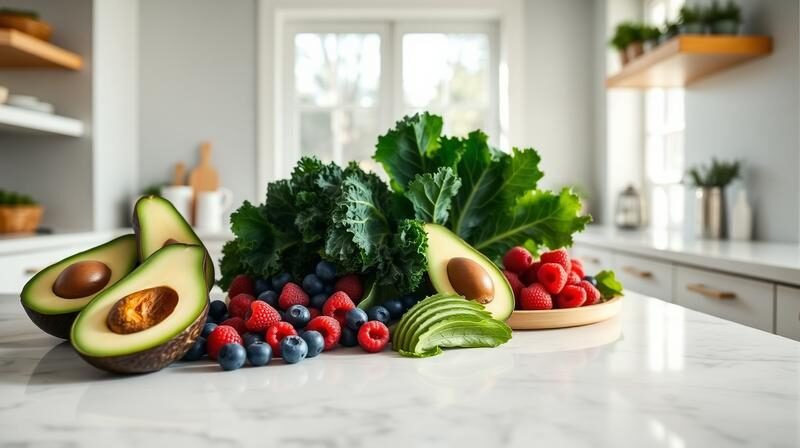
- Avocado (1/4 to 1/2 per day)
- Nuts and seeds (small handful, e.g., almonds, chia seeds)
- Olive oil (for cooking or dressing)
- Fatty fish (salmon, mackerel – provides Omega-3s)
Food Choices: What to Eat and Why
To maximize your chances of losing 10 pounds in 2 weeks, your diet should consist primarily of whole, unprocessed foods. Think lean protein, a rainbow of non-starchy vegetables, and healthy fats.
Lean Proteins: These are the foundation of your meals. They are satisfying and help maintain muscle mass. Examples: grilled chicken breast, baked cod, hard-boiled eggs, plain Greek yogurt.
Non-Starchy Vegetables: Eat these in abundance! They are low in calories, high in fiber, and packed with vitamins and minerals. They fill you up without adding many calories. Examples: large salads with light dressing, steamed broccoli, roasted asparagus, stir-fried bell peppers.
Hydration: Water is your secret weapon.

It helps with satiety, metabolism, and flushing out toxins. Aim for at least 8-10 glasses (2-3 liters) of water per day. You can also drink unsweetened tea or coffee in moderation.
What to AVOID During These Two Weeks
To create the necessary calorie deficit and reduce water retention, certain foods must be strictly avoided:
- Sugary Drinks and Processed Foods: Sodas, fruit juices, energy drinks, packaged snacks, pastries, fast food. These are calorie-dense, nutrient-poor, and contribute to cravings.
- Excessive Sodium: High sodium intake leads to water retention. Avoid highly processed foods, canned soups, and excessive use of table salt. Season with herbs and spices instead.
- Alcohol: Alcohol is pure empty calories and can hinder fat burning, disrupt sleep, and increase cravings. Avoid it entirely for these two weeks.
- Refined Grains: White bread, white rice, pasta. These offer minimal nutritional value and can spike blood sugar.
Meal Planning & Prep: Your Key to Success
Failing to plan is planning to fail, especially on an aggressive two-week diet. Dedicate time each weekend to plan your meals and snacks for the upcoming week. Better yet, pre-cook some of your meals (e.g., grill chicken breasts, chop vegetables) so healthy options are always readily available.
Sample 2-Week Meal Plan (Example – Adjust Portions to Your Calorie Goal)
Day 1-14:
- Breakfast (Choose one):
- Scrambled eggs (2-3) with spinach and a slice of avocado.
- Plain non-fat Greek yogurt (1 cup) with a small handful of berries (1/4 cup) and 1 tbsp chia seeds.
- Protein shake (whey or plant-based) with water/unsweetened almond milk.
- Lunch (Choose one):
- Large salad with grilled chicken breast (4-6 oz), mixed greens, cucumber, bell peppers, and a light vinaigrette.
- Tuna salad (canned in water, mixed with Greek yogurt instead of mayo) served in lettuce wraps with a side of steamed broccoli.
- Leftover lean protein from dinner with a large portion of steamed non-starchy vegetables.
- Dinner (Choose one):
- Baked or grilled salmon (4-6 oz) with a generous serving of roasted asparagus and cauliflower.
- Lean ground turkey stir-fry with a variety of bell peppers, onions, and snap peas (use low-sodium soy sauce or tamari).
- Chicken breast (4-6 oz) with a large side of kale or spinach sautéed with garlic.
- Snacks (Choose one, if needed, and within calorie limits):
- Hard-boiled egg (1-2)
- Celery sticks with 1 tbsp almond butter
- Small handful of almonds (10-12)
- A few slices of cucumber or bell pepper
Remember to drink plenty of water throughout the day. Listen to your hunger cues, but try to stick to your planned meals. If you feel genuinely hungry, opt for more non-starchy vegetables or a small portion of protein.
Pillar 2: Maximizing Calorie Burn with Exercise
While nutrition accounts for 80% of weight loss, exercise is crucial for accelerating the process, preserving muscle mass, and boosting overall health. For a rapid 10-pound loss, your exercise regimen needs to be intense and consistent.
High-Intensity Interval Training (HIIT)
HIIT is your best friend for rapid fat loss. It involves short bursts of intense exercise followed by brief recovery periods. HIIT burns a significant number of calories in a short amount of time and creates an “afterburn effect” (EPOC – Excess Post-exercise Oxygen Consumption), where your body continues to burn calories at an elevated rate for hours after your workout.
Examples of HIIT workouts (20-30 minutes, 3-4 times a week):
- Running/Sprinting: Sprint for 30 seconds, walk/jog for 90 seconds. Repeat 8-10 times.
- Cycling: Pedal as fast as you can for 30-60 seconds, then slow pace for 1-2 minutes. Repeat.
- Bodyweight Circuit: Perform burpees, jumping jacks, high knees, mountain climbers at max effort for 45 seconds each, rest 15 seconds between exercises, rest 1 minute after completing all, repeat circuit 3-4 times.
Always warm up for 5 minutes and cool down for 5 minutes.
Strength Training
Strength training is non-negotiable for preserving muscle mass during a calorie deficit. The more muscle you have, the higher your resting metabolic rate, meaning you burn more calories even when at rest. Aim for 3 full-body strength training sessions per week on non-consecutive days.
Examples of Full-Body Strength Exercises:
- Squats (bodyweight, goblet, or barbell)
- Deadlifts (romanian or conventional, with light weights if new)
- Push-ups (on knees or toes)
- Rows (dumbbell rows, resistance band rows)
- Overhead Press (dumbbell or resistance band)
- Lunges (forward, reverse)
- Plank
Perform 3 sets of 8-12 repetitions for each exercise. Focus on proper form to prevent injuries.
Cardio Acceleration / Steady-State Cardio
In addition to HIIT and strength training, incorporating daily steady-state cardio can further increase your calorie expenditure. This could be a brisk walk, jogging, cycling, or swimming. Aim for 30-60 minutes of moderate-intensity cardio most days of the week, especially on days you don’t do HIIT or strength training, or as an additional session.
NEAT (Non-Exercise Activity Thermogenesis): Move More, Burn More
NEAT refers to the calories burned from all physical activity that is not intentional exercise. This can significantly impact your daily calorie expenditure. Small changes add up:
- Take the stairs instead of the elevator.
- Park further away from your destination.
- Walk or bike short distances.
- Stand more, sit less (use a standing desk).
- Do household chores more vigorously.
- Take short walking breaks throughout the day.
Aim to increase your daily step count significantly – 10,000 to 15,000 steps per day is a good target.
Sample 2-Week Workout Schedule
Week 1 & 2:
- Monday: Full-Body Strength Training + 30 min brisk walk
- Tuesday: 20-25 min HIIT + 30 min steady-state cardio (e.g., jog)
- Wednesday: Full-Body Strength Training + 30 min brisk walk
- Thursday: 20-25 min HIIT + 30 min steady-state cardio (e.g., jog)
- Friday: Full-Body Strength Training + 30 min brisk walk
- Saturday: 45-60 min steady-state cardio (e.g., long walk, bike ride)
- Sunday: Active Recovery (light stretching, yoga, leisurely walk)
Remember to incorporate NEAT daily and listen to your body. If you feel overly fatigued, opt for active recovery instead of pushing too hard, but maintain consistency.
Pillar 3: Lifestyle Hacks for Accelerated Fat Loss
Beyond diet and exercise, several lifestyle factors can significantly impact your ability to lose weight quickly and maintain your results.
Prioritize Quality Sleep
Lack of sleep can sabotage your weight loss efforts. When you’re sleep-deprived, your body produces more ghrelin (the hunger hormone) and less leptin (the satiety hormone), leading to increased cravings, especially for high-calorie foods. Poor sleep also increases cortisol levels, which can promote fat storage, particularly around the abdomen.
Aim for 7-9 hours of quality sleep per night. Establish a consistent sleep schedule, create a relaxing bedtime routine, and ensure your bedroom is dark, quiet, and cool.
Manage Stress Levels
Chronic stress triggers the release of cortisol, which, as mentioned, can hinder fat loss and promote belly fat storage. High stress can also lead to emotional eating and a lack of motivation for exercise.
Find healthy ways to manage stress: meditation, yoga, deep breathing exercises, spending time in nature, listening to music, or engaging in hobbies. Even 10-15 minutes of dedicated stress reduction daily can make a difference.
Practice Mindful Eating
Even with a strict meal plan, how you eat matters. Mindful eating involves paying full attention to your food, savoring each bite, and listening to your body’s hunger and fullness cues.
- Eat slowly and chew your food thoroughly.
- Avoid distractions like TV or your phone during meals.
- Notice the taste, texture, and smell of your food.
- Stop eating when you feel satisfied, not stuffed.
This practice can help you better appreciate your meals and prevent overeating.
Track Your Progress Relentlessly
Consistent tracking is essential for rapid weight loss. This includes:
- Food Logging: Use an app (e.g., MyFitnessPal, Lose It!) to track every calorie and macronutrient you consume. This ensures you stay within your target deficit.
- Weight Tracking: Weigh yourself daily or every other day at the same time (e.g., first thing in the morning after using the restroom). Don’t get discouraged by daily fluctuations; look for the overall trend.
- Measurements: Take body measurements (waist, hips, thighs, arms) at the beginning and end of the two weeks. Sometimes, inches lost are more motivating than scale numbers alone.
- Journaling: Note how you feel, your energy levels, sleep quality, and any challenges. This can help you identify patterns and make adjustments.
Build in Accountability
Share your goals with a trusted friend, family member, or join an online community. Having someone to check in with, share successes, and get encouragement from can significantly boost your adherence and motivation during these two intensive weeks.
Supplements: What Works, What Doesn’t (and Cautions)
While a whole-food diet and consistent exercise are the primary drivers of weight loss, certain supplements can play a supportive role. However, no supplement is a magic bullet, and many are overhyped or ineffective.
Potentially Helpful Supplements (Use with Caution and Research):
- Multivitamin: During a restrictive calorie period, it can be challenging to meet all micronutrient needs. A high-quality multivitamin acts as an insurance policy.
- Protein Powder: An excellent way to meet your high protein targets, especially after workouts or as a meal replacement (mixed with water/unsweetened almond milk).
- Fiber Supplement: If your vegetable intake isn’t consistently high, a fiber supplement (e.g., psyllium husk) can aid satiety and digestive health.
- Caffeine: Found in coffee or green tea, caffeine can provide a temporary energy boost for workouts and has a minor thermogenic effect. However, too much can disrupt sleep.
- Omega-3 Fatty Acids: Fish oil supplements can support overall health and may have anti-inflammatory benefits.

Supplements to Be Wary Of (and generally avoid for rapid weight loss):
- “Fat Burners”: Many contain stimulants and unproven ingredients. Some can have adverse side effects like increased heart rate, anxiety, and digestive issues. Their effectiveness is often minimal compared to diet and exercise.
- Laxatives/Diuretics: These only cause temporary water loss, not fat loss, and can lead to dehydration and electrolyte imbalances.
- “Detox” Teas/Cleanses: Often ineffective, expensive, and can be harmful. Your liver and kidneys are incredibly efficient at detoxifying your body naturally.
Always consult your doctor or a registered dietitian before starting any new supplement regimen, especially when on a restrictive diet.
Overcoming Challenges & Maintaining Momentum
Two weeks is a short, intense period, and you’re bound to face challenges. Anticipating them can help you prepare and stay on track.
Dealing with Cravings and Hunger
- Hydrate: Often, thirst is mistaken for hunger. Drink a large glass of water first.
- Protein/Fiber Snack: If truly hungry, opt for a small, approved protein or fiber-rich snack.
- Distraction: Engage in an activity you enjoy to take your mind off food.
- Mindful Check-in: Ask yourself if you’re truly hungry or if it’s emotional hunger.
Navigating Social Situations
Eating out or social gatherings can be tough. Plan ahead:
- Pre-eat: Have a healthy, filling snack before you go so you’re not starving.
- Choose Wisely: Opt for lean protein and vegetables. Ask for dressings on the side. Avoid bread baskets and alcohol.
- Communicate: Politely explain you’re on a strict plan for a short period.
Breaking Through Plateaus (Unlikely in 2 Weeks, but Good to Know)
While less likely to occur in such a short, aggressive timeframe, plateaus can happen even in rapid plans. If your weight loss stalls, re-evaluate: are you accurately tracking calories? Are you giving max effort in workouts? Sometimes, a “refeed” day (a slightly higher calorie day, still clean) can reset hormones, but this is an advanced strategy and not typically recommended for the initial 2-week push.
The Post-2-Week Plan: Sustaining Your Success
Losing 10 pounds in 2 weeks is a fantastic achievement, but the real challenge is keeping it off. This rapid phase is a launchpad. To prevent rebound weight gain:
- Gradual Calorie Increase: Slowly reintroduce calories (100-200 per week) to find your new maintenance level. Focus on whole, unprocessed foods.
- Reintroduce Smart Carbs: Add back complex carbohydrates like oats, quinoa, and sweet potatoes in controlled portions.
- Maintain Exercise: Continue with a consistent exercise routine, perhaps scaling back the intensity slightly but maintaining frequency.
- Prioritize Protein and Veggies: These should remain staples in your diet.
- Sustainable Habits: Keep practicing mindful eating, good sleep hygiene, and stress management.
Safety Considerations and When to Consult a Professional
While this plan is designed to be safe for healthy individuals, it’s an intensive program. It is always recommended to consult with your doctor or a registered dietitian before starting any new diet or exercise regimen, especially if you have:
- Any pre-existing medical conditions (e.g., heart disease, diabetes, kidney disease, thyroid disorders).
- Are pregnant or breastfeeding.
- Are taking any medications that might interact with dietary changes.
- Have a history of eating disorders.
- Experience any severe symptoms such as dizziness, extreme fatigue, severe headaches, or chest pain during the program.
Listen to your body. If something feels wrong, stop and seek medical advice.
Conclusion: Your 2-Week Transformation Awaits
Losing 10 pounds in two weeks is a challenging but achievable goal that requires unwavering dedication to strategic nutrition, intense exercise, and disciplined lifestyle habits. This guide has provided you with a comprehensive roadmap to navigate this rapid weight loss journey safely and effectively. By focusing on a significant calorie deficit through lean proteins, abundant non-starchy vegetables, healthy fats, and incorporating a powerful combination of HIIT, strength training, and consistent cardio, you can kickstart your body’s fat-burning potential.
Remember that this accelerated approach is a powerful short-term strategy. Use the momentum you gain to transition into a sustainable, long-term healthy lifestyle that supports your weight management goals. Embrace the discipline, celebrate your progress, and empower yourself with the knowledge that you have the ability to transform your health. Get ready to feel lighter, more energetic, and incredibly proud of what you can achieve in just two weeks with GetLeanPulse.com!
Photo by Mikhail Nilov on Pexels