Mediterranean Diet Meal Plan for Beginners: Your Ultimate Guide to Lasting Wellness
Welcome to GetLeanPulse.com, your trusted partner in achieving sustainable health and wellness. Today, we’re diving deep into one of the most celebrated and scientifically-backed eating patterns in the world: the Mediterranean diet. If you’re looking for a way to eat that’s not only delicious and satisfying but also incredibly beneficial for your long-term health, you’ve come to the right place. This comprehensive guide is specifically designed for beginners, offering a clear, actionable Mediterranean diet meal plan to kickstart your journey.
In a world saturated with fleeting diet trends, the Mediterranean diet stands apart. It’s not a restrictive, temporary fix but rather a sustainable lifestyle approach to eating that emphasizes whole, unprocessed foods, healthy fats, and a rich variety of plant-based ingredients. Originating from the traditional eating habits of people in countries bordering the Mediterranean Sea, this dietary pattern has been consistently linked to a reduced risk of chronic diseases, improved longevity, and enhanced overall well-being. From vibrant heart health to better weight management and even improved cognitive function, the benefits are astounding.
But where do you begin? The thought of overhauling your entire diet can feel daunting. That’s why we’ve crafted this article to be your step-by-step roadmap. We’ll demystify the core principles of the Mediterranean diet, explore its incredible health advantages, guide you through stocking your pantry, and provide a practical, easy-to-follow 7-day Mediterranean diet meal plan tailored for beginners. We’ll also share invaluable tips for integrating this lifestyle into your daily routine and answer common questions to ensure you feel confident and empowered on your new health journey.
So, get ready to transform your plate, nourish your body, and embrace a path to a healthier, more vibrant you with the timeless wisdom of the Mediterranean diet. Let’s begin!
Understanding the Mediterranean Diet: More Than Just Food
Before we jump into meal planning, it’s crucial to grasp that the Mediterranean diet is more than just a list of foods; it’s a holistic lifestyle. It encompasses not only what you eat but also how you eat, promoting a balanced approach to life that nourishes both body and mind.
Historical Roots and Cultural Significance
The Mediterranean diet isn’t a modern invention. It’s an eating pattern based on the traditional dietary habits of people living in countries like Greece, Italy, Spain, and Morocco in the mid-20th century. Before the advent of processed foods and industrial agriculture, these cultures relied on locally sourced, seasonal ingredients. Their diets were naturally rich in fresh produce, whole grains, legumes, and healthy fats, with meat and sweets consumed sparingly. This traditional way of eating has been studied extensively, revealing its profound impact on health and longevity.
The Pillars of the Mediterranean Diet: What to Eat (and What to Limit)
At its heart, the Mediterranean diet emphasizes a pyramid of food groups, with plant-based foods forming the foundation. Here’s a breakdown:
Abundant (Eat Daily, Often Multiple Servings):
- Vegetables: All kinds! Leafy greens, tomatoes, cucumbers, bell peppers, zucchini, eggplant, broccoli, cauliflower. Eat them raw, roasted, grilled, or in soups and stews.
- Fruits: Fresh, seasonal fruits like berries, apples, oranges, grapes, figs, melons. Great for snacks or desserts.
- Whole Grains: Opt for whole-wheat bread, pasta, brown rice, quinoa, oats, barley, farro. These provide essential fiber and sustained energy.
- Legumes: Lentils, chickpeas, black beans, cannellini beans. Excellent sources of plant-based protein and fiber.
- Nuts & Seeds: Almonds, walnuts, cashews, chia seeds, flax seeds, sunflower seeds. Healthy fats, protein, and crunch.
- Extra Virgin Olive Oil: The cornerstone of the Mediterranean diet. Use it for cooking, dressing salads, and drizzling over dishes. It’s a healthy monounsaturated fat.
- Herbs & Spices: Flavor your food naturally with basil, oregano, thyme, rosemary, garlic, onion, parsley, and more. Reduce reliance on salt.
Moderate (Eat Weekly, in Measured Portions):
- Fish & Seafood: Salmon, sardines, mackerel, tuna, cod, shrimp. Rich in omega-3 fatty acids. Aim for at least two servings per week.
- Poultry: Chicken and turkey, preferably lean cuts, without skin.
- Dairy: Greek yogurt, feta cheese, mozzarella, occasional hard cheeses. Choose plain, unsweetened options.
- Eggs: A versatile protein source.
Limited (Eat Sparingly, for Special Occasions):
- Red Meat: Beef, lamb, pork. Consume in small portions and less frequently, perhaps a few times a month.
- Sweets: Cakes, pastries, candies, sugary drinks. Reserve these for occasional treats. Focus on fruit for sweetness.
- Processed Foods: Highly processed snacks, fast food, refined grains, and foods high in unhealthy trans fats should be avoided.
Beverages:
- Water: The primary beverage. Stay well-hydrated throughout the day.
- Red Wine: In moderation, and optionally, with meals. For women, up to one 5-ounce glass per day; for men, up to two 5-ounce glasses per day. If you don’t drink, don’t start.
The Lifestyle Component
Beyond the food, the Mediterranean lifestyle emphasizes:
- Physical Activity: Regular movement, whether it’s walking, gardening, or dancing, is integral.
- Social Connection: Sharing meals with family and friends is a cherished tradition.
- Mindfulness: Savoring meals, eating slowly, and enjoying the process.
- Rest & Relaxation: Prioritizing adequate sleep and managing stress.
Embracing these principles will not only improve your physical health but also enhance your overall quality of life.
Why Choose the Mediterranean Diet? Proven Health Benefits
The Mediterranean diet isn’t just a culinary delight; it’s a powerhouse of health benefits recognized by numerous scientific studies and health organizations worldwide. Here at GetLeanPulse.com, we advocate for evidence-based approaches to wellness, and the Mediterranean diet consistently tops the charts for its positive impact on the body.
1. Superior Heart Health
Perhaps the most well-documented benefit, the Mediterranean diet is a champion for cardiovascular health. Its emphasis on healthy monounsaturated fats (from olive oil), omega-3 fatty acids (from fish), fiber, and antioxidants works synergistically to:
- Lower Bad Cholesterol (LDL): By replacing saturated and trans fats with healthy fats and fiber.
- Reduce Blood Pressure: Through a diet rich in potassium (from fruits and vegetables) and low in processed sodium.
- Decrease Risk of Heart Disease & Stroke: Extensive research, including the landmark PREDIMED study, has shown a significant reduction in major cardiovascular events.
- Improve Endothelial Function: The lining of blood vessels benefits from the anti-inflammatory properties of this diet.
2. Effective Weight Management and Sustainable Fat Loss
While not explicitly a “diet for weight loss,” the Mediterranean eating pattern naturally supports healthy weight management without calorie counting or deprivation. How?
- High Fiber Content: Fruits, vegetables, whole grains, and legumes are packed with fiber, which promotes satiety, keeping you feeling full longer and reducing overall calorie intake.
- Healthy Fats: Olive oil, nuts, and seeds are satisfying and help regulate appetite hormones.
- Reduced Processed Foods: By cutting out sugary drinks, refined grains, and unhealthy snacks, you naturally reduce your intake of empty calories.
- Emphasis on Whole Foods: Eating foods in their natural state means fewer additives and preservatives that can disrupt metabolism.
The focus is on nutrient density rather than calorie restriction, leading to gradual, sustainable fat loss and improved body composition.
3. Blood Sugar Control and Diabetes Prevention
For those at risk of or living with type 2 diabetes, the Mediterranean diet offers significant advantages:
- Stabilizes Blood Sugar: The high fiber content slows down glucose absorption, preventing blood sugar spikes.
- Improves Insulin Sensitivity: Whole foods and healthy fats can help your body use insulin more effectively.
- Reduces Risk of Type 2 Diabetes: Studies show that adherence to this diet can substantially lower the risk of developing the disease.
4. Enhanced Brain Health and Cognitive Function
What’s good for your heart is often good for your brain. The Mediterranean diet’s abundance of antioxidants, healthy fats, and anti-inflammatory compounds helps:
- Protect Brain Cells: Against oxidative stress and inflammation, which are linked to cognitive decline.
- Improve Memory and Focus: By supporting healthy blood flow to the brain and providing essential nutrients.
- Reduce Risk of Dementia and Alzheimer’s Disease: Research indicates a strong correlation between adherence to the Mediterranean diet and a lower risk of these neurodegenerative conditions.
5. Longevity and Anti-Inflammatory Effects
Chronic inflammation is at the root of many modern diseases. The Mediterranean diet is inherently anti-inflammatory:
- Rich in Antioxidants: From colorful fruits, vegetables, and olive oil, which combat free radical damage.
- Omega-3 Fatty Acids: Found in fatty fish, these are powerful anti-inflammatory agents.
- Reduced Processed Foods: Eliminating inflammatory ingredients like refined sugars and unhealthy fats.
By curbing inflammation, the diet contributes to overall cellular health, potentially extending lifespan and improving vitality.
6. Gut Health Support
A healthy gut microbiome is fundamental to overall health, influencing everything from digestion to immunity and mood. The Mediterranean diet fosters a thriving gut environment:
- High Fiber Intake: Acts as prebiotics, feeding beneficial gut bacteria.
- Diverse Plant Foods: Provides a wide array of nutrients that support a diverse microbiome.
- Fermented Foods (occasional): Some traditional Mediterranean diets include fermented dairy like yogurt, which adds probiotics.
7. Potential Cancer Prevention
While no diet can guarantee cancer prevention, the Mediterranean diet’s profile of antioxidants, phytochemicals, and anti-inflammatory compounds is associated with a reduced risk of certain cancers, particularly colorectal, breast, and prostate cancers. The protective effects come from its emphasis on plant-based foods and minimal consumption of processed meats.
Choosing the Mediterranean diet is an investment in your long-term health, offering a delicious and sustainable path to a more vibrant life. Now that you understand the “why,” let’s get into the “how.”
Getting Started: Essential Pantry Staples for Your Mediterranean Journey
Embarking on the Mediterranean diet is much easier when your kitchen is stocked with the right ingredients. Think of this as your foundational shopping list, designed to help you prepare a wide variety of delicious and healthy meals without feeling overwhelmed. You don’t need to buy everything at once, but gradually stocking these items will make meal prep a breeze.
The Absolute Must-Haves (Prioritize These First):
- Extra Virgin Olive Oil (EVOO): This is non-negotiable. Invest in a good quality EVOO for cooking, salad dressings, and finishing dishes.
- Fresh Produce:
- Vegetables: A diverse selection like spinach, kale, broccoli, bell peppers, tomatoes, cucumbers, zucchini, eggplant, onions, garlic. Aim for seasonal variety.
- Fruits: Berries (strawberries, blueberries), apples, oranges, bananas, grapes, lemons (essential for flavor!).
- Whole Grains:
- Oats: For breakfast.
- Brown Rice or Quinoa: Versatile bases for many meals.
- Whole-Wheat Pasta: A healthier alternative to refined pasta.
- Whole-Grain Bread or Pita: For sandwiches, toast, or dipping.
- Legumes:
- Canned Chickpeas: Rinse well. Great for salads, hummus, or adding to stews.
- Canned Lentils: Quick and easy protein source for soups and salads.
- Dried Lentils/Beans: More economical if you have time to soak and cook.
- Nuts & Seeds:
- Almonds & Walnuts: For snacks, salads, or adding to oatmeal.
- Chia Seeds & Flax Seeds: Boost fiber and omega-3s in smoothies, yogurt, or oatmeal.
- Fish:
- Canned Tuna (in olive oil or water): Quick protein for salads or sandwiches.
- Canned Sardines: Packed with omega-3s.
- Frozen Salmon or Cod Fillets: Convenient for quick dinners.
- Dairy:
- Plain Greek Yogurt: High in protein, great for breakfast, snacks, or as a sour cream substitute.
- Feta Cheese: Crumbly, salty, and adds flavor to salads and dishes (use in moderation).
- Herbs & Spices:
- Dried: Oregano, basil, thyme, rosemary, cumin, paprika.
- Fresh: Parsley, cilantro, mint, basil (when available).
- Garlic & Onions: Flavor base for almost everything.
Good to Have (Expand Your Options):
- Olives: Kalamata or green olives add a briny, savory kick to salads and dishes.
- Vinegars: Red wine vinegar, balsamic vinegar for dressings and cooking.
- Tomato Paste & Canned Diced Tomatoes: Essential for sauces and stews.
- Broth (Vegetable or Chicken): Low-sodium options for soups and cooking grains.
- Eggs: Versatile protein source.
- Honey or Maple Syrup: For occasional, light sweetening (use sparingly).
- Tahini: For homemade hummus or dressings.
- Sweet Potatoes/Potatoes: Great for roasting or mashing.
- Frozen Vegetables: Peas, corn, spinach – convenient when fresh isn’t available.
- Chicken/Turkey Breast: Lean protein option for weekly meals.
Tips for Stocking Your Pantry:
- Start Gradually: Don’t feel pressured to buy everything at once. Begin with the “must-haves” and expand as you get comfortable.
- Check Labels: When buying canned goods or packaged items, look for minimal ingredients, low sodium, and no added sugars or unhealthy fats.
- Buy in Bulk (for non-perishables): Items like olive oil, whole grains, and dried legumes can often be bought in larger quantities to save money.
- Prioritize Fresh & Seasonal: Visit local farmers’ markets for the freshest and most flavorful produce.
- Organize Your Kitchen: Make healthy choices easy to see and access.
With a well-stocked Mediterranean pantry, you’ll be ready to embark on your delicious and healthy meal plan!
The GetLeanPulse Beginner’s 7-Day Mediterranean Meal Plan
This 7-day Mediterranean diet meal plan is designed specifically for beginners. It focuses on simplicity, readily available ingredients, and balanced nutrition, all while adhering to the core principles of the Mediterranean diet. Remember, this is a template; feel free to adjust portion sizes based on your hunger and activity levels, and swap ingredients to suit your preferences or what’s in season. Hydrate throughout the day with plenty of water!
Key Reminders Before You Start:
- Hydration: Drink plenty of water throughout the day.
- Snacks: Choose from fresh fruit, a handful of unsalted nuts, vegetable sticks with hummus, or a small plain Greek yogurt.
- Olive Oil: Use extra virgin olive oil generously for cooking and dressing.
- Herbs & Spices: Flavor your food generously with fresh and dried herbs to reduce reliance on salt.
- Meal Prep: Consider prepping some ingredients (chopping veggies, cooking grains) on a Sunday to save time during the week.
The 7-Day Meal Plan
Day 1: Fresh Start
- Breakfast: Greek Yogurt Parfait with Berries and Walnuts
Combine 1 cup plain Greek yogurt with ½ cup mixed fresh berries (strawberries, blueberries), and a handful (about ¼ cup) of chopped walnuts. A small drizzle of honey or maple syrup is optional.
- Lunch: Large Mixed Green Salad with Chickpeas and Feta
Build a generous salad with mixed greens, cucumber, cherry tomatoes, bell peppers, ½ cup cooked chickpeas (rinsed), a few Kalamata olives, and 1 oz crumbled feta cheese. Dress with a simple vinaigrette made from 2 tbsp extra virgin olive oil, 1 tbsp lemon juice, dried oregano, salt, and pepper.
- Dinner: Baked Salmon with Roasted Asparagus and Quinoa
Season a 4-6 oz salmon fillet with lemon juice, dill, salt, and pepper. Bake at 400°F (200°C) for 12-15 minutes until flaky. Toss a bunch of asparagus with olive oil, garlic powder, salt, and pepper, and roast alongside the salmon for 10-12 minutes. Serve with ½ cup cooked quinoa.
- Snack: Apple slices with 1 tbsp almond butter.
Day 2: Grain Power
- Breakfast: Oatmeal with Berries, Chia Seeds, and Honey
Cook ½ cup rolled oats with 1 cup water or unsweetened almond milk. Top with ½ cup fresh berries, 1 tbsp chia seeds, and a light drizzle of honey.
- Lunch: Leftover Baked Salmon and Quinoa Salad
Flake leftover salmon and mix with leftover quinoa, chopped cucumber, tomatoes, and a light lemon-olive oil dressing for a refreshing salad.
- Dinner: Hearty Lentil Soup with Whole-Grain Bread
Prepare a simple lentil soup using brown or green lentils, carrots, celery, onion, garlic, canned diced tomatoes, vegetable broth, and plenty of herbs like thyme and bay leaf. Simmer until lentils are tender. Serve a generous bowl with a slice of whole-grain bread for dipping.
- Snack: Small handful (about ¼ cup) of almonds.
Day 3: Mediterranean Classics
- Breakfast: Whole-Wheat Toast with Avocado and Tomato
Toast two slices of whole-wheat bread. Mash ¼ – ½ avocado onto each slice, top with sliced tomatoes, a sprinkle of red pepper flakes (optional), and a drizzle of olive oil.
- Lunch: Tuna Salad on Whole-Wheat Pita with Mixed Greens
Mix a can of tuna (drained) with 1 tbsp extra virgin olive oil, chopped celery, red onion, a squeeze of lemon juice, salt, and pepper. Serve inside a whole-wheat pita pocket with mixed greens.
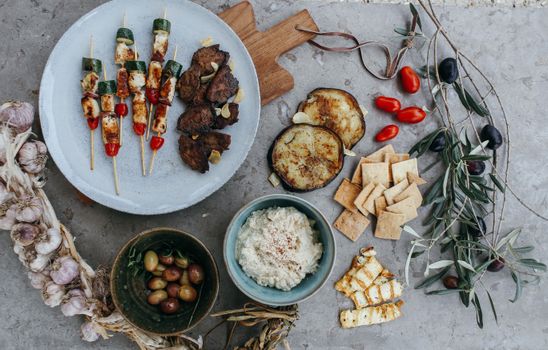
- Dinner: Chicken and Vegetable Skewers with Brown Rice
Cut 4-6 oz boneless, skinless chicken breast into cubes. Thread onto skewers with chunks of bell peppers, zucchini, and red onion. Brush with olive oil, lemon juice, dried oregano, salt, and pepper. Grill or bake at 400°F (200°C) for 15-20 minutes until cooked through. Serve with ½ cup cooked brown rice.
- Snack: One orange.
Day 4: Plant-Forward Focus
- Breakfast: Green Smoothie
Blend 1 cup spinach, ½ banana, ½ cup mixed berries (frozen is fine), 1 tbsp chia seeds, and 1 cup unsweetened almond milk until smooth. Add a scoop of plant-based protein powder if desired.
- Lunch: Large Mediterranean Quinoa Salad
Combine 1 cup cooked quinoa with chopped cucumber, cherry tomatoes, bell pepper, red onion, a handful of fresh parsley, a squeeze of lemon juice, and 2 tbsp extra virgin olive oil. Season with salt and pepper.
- Dinner: Whole-Wheat Pasta with Marinara and Fresh Vegetables
Cook 1 cup (dry) whole-wheat pasta according to package directions. Sauté garlic in olive oil, then add a can of crushed tomatoes, a handful of cherry tomatoes, and fresh basil. Simmer. Stir in a large handful of fresh spinach until wilted. Toss with the cooked pasta. You can add ½ cup cooked chickpeas for extra protein.
- Snack: Carrot sticks with 2 tbsp hummus.
Day 5: Fish Friday (or any day!)
- Breakfast: Scrambled Eggs with Spinach and Feta
Scramble 2 eggs with a handful of fresh spinach and 1 oz crumbled feta cheese. Serve with a small whole-wheat pita or a slice of whole-grain toast.
- Lunch: Leftover Pasta Salad
Enjoy the remaining whole-wheat pasta with marinara and vegetables, perhaps adding a few olives or a sprinkle of fresh oregano.
- Dinner: Pan-Seared Cod with Steamed Green Beans and Baked Sweet Potato
Season a 4-6 oz cod fillet with lemon juice, garlic powder, salt, and pepper. Pan-sear in olive oil until flaky. Steam or lightly sauté 1 cup green beans. Bake one medium sweet potato until tender. Serve with a drizzle of olive oil over the fish and vegetables.
- Snack: A small handful (about 10-15) of Kalamata olives.
Day 6: Weekend Flavors
- Breakfast: Whole-Wheat Pancakes with Fresh Fruit
Make whole-wheat pancakes (from scratch or a mix). Serve 2-3 small pancakes with a generous serving of fresh berries, sliced banana, and a very light drizzle of maple syrup or honey.
- Lunch: Large Salad with Grilled Chicken or Chickpeas
Create a large, colorful salad using mixed greens, bell peppers, cucumber, red onion, and 4 oz grilled chicken breast (if you have leftovers from Day 3) or ½ cup extra chickpeas. Dress with a lemon-herb vinaigrette.
- Dinner: Vegetable Tagine with Couscous
In a pot, sauté onion, garlic, and ginger. Add diced zucchini, carrots, bell peppers, canned diced tomatoes, vegetable broth, and spices like cumin, coriander, paprika, and a pinch of turmeric. Add 1 cup cooked chickpeas. Simmer until vegetables are tender. Serve over ½ cup cooked whole-wheat couscous.
- Snack: One pear.
Day 7: Reflect and Recharge
- Breakfast: Greek Yogurt with Fruit Medley and Pumpkin Seeds
Combine 1 cup plain Greek yogurt with a variety of fresh fruits (berries, melon, sliced peaches) and 1 tbsp pumpkin seeds for a nutritious crunch.
- Lunch: Leftover Vegetable Tagine
Warm up the remaining delicious vegetable tagine. It often tastes even better the next day!
- Dinner: Homemade Whole-Wheat Veggie Pizza
Use a store-bought whole-wheat pizza crust or make your own. Spread with a light layer of tomato sauce, plenty of chopped vegetables (mushrooms, onions, bell peppers, spinach, olives), and a modest sprinkle of part-skim mozzarella or feta cheese. Bake according to crust instructions until golden and bubbly.
- Snack: ½ cup steamed edamame.
Sample Shopping List (Based on the 7-Day Plan):
Produce:
- Mixed greens, spinach, asparagus, cucumber, cherry tomatoes, bell peppers (red, yellow, green), zucchini, eggplant, red onion, garlic, carrots, celery, fresh parsley, fresh basil, fresh dill, lemon.
- Berries (
Photo by Karolina Grabowska www.kaboompics.com on Pexels