In the vast landscape of health and wellness, few topics have captured as much attention and generated as much buzz as intermittent fasting (IF). From Hollywood celebrities to Silicon Valley CEOs, people from all walks of life are discovering the potential benefits of this eating pattern. Among the various methods of intermittent fasting, the 16/8 approach stands out as the most popular and accessible for beginners. It’s not a diet in the traditional sense, but rather a pattern of eating that cycles between periods of eating and fasting, making it a flexible and sustainable lifestyle change for many.
If you’ve heard whispers about intermittent fasting – improved energy, effortless weight loss, enhanced mental clarity, and even a longer lifespan – and are curious to explore its potential for yourself, you’ve come to the right place. This comprehensive guide will demystify the 16/8 method, providing you with everything you need to know to embark on your fasting journey safely and effectively. We’ll delve into the science, outline a step-by-step approach, troubleshoot common challenges, and empower you to make informed choices for your health.
Get ready to transform your relationship with food, learn how your body uses stored fat for energy, and discover a new path to a leaner, healthier you with GetLeanPulse.com.
What Exactly is 16/8 Intermittent Fasting?
At its core, 16/8 intermittent fasting is an eating pattern that restricts your daily food intake to an 8-hour window, followed by a 16-hour fasting period. The numbers “16” and “8” refer to the hours spent fasting and eating, respectively. For example, if you choose an eating window from 12 PM to 8 PM, you would fast from 8 PM until 12 PM the next day. During the 16-hour fasting period, you consume no calories, though water, black coffee, and unsweetened tea are generally permitted and even encouraged.
This method is often referred to as the “LeanGains protocol,” popularized by fitness expert Martin Berkhan, who advocated for its benefits in muscle gain and fat loss. However, its principles are widely applicable for anyone looking to improve their metabolic health and manage their weight.
Breaking Down the “16” and “8”:
- The 16-Hour Fasting Window: This is the period where your body is not receiving any caloric intake. While it might sound daunting, a significant portion of this window is spent sleeping. For many, this means simply skipping breakfast and having their first meal around noon or early afternoon. During this time, your body undergoes several metabolic changes, shifting from burning glucose (sugar) for energy to burning stored fat. This is where many of the profound benefits of IF begin to manifest.
- The 8-Hour Eating Window: This is the period when you consume all your meals and snacks for the day. While it might be tempting to eat everything in sight, the goal is not to compensate for the fasting period by overeating or making unhealthy food choices. Instead, the focus should remain on consuming nutrient-dense, whole foods that support your health goals. This typically translates to 2-3 meals within the 8-hour window.
The beauty of 16/8 lies in its flexibility. You get to choose your 8-hour eating window based on your lifestyle, work schedule, and social commitments. This adaptability makes it a sustainable practice for many, unlike restrictive diets that dictate exactly what and when you must eat.
Why 16/8 is the Ideal Starting Point for Intermittent Fasting
With various intermittent fasting protocols available – from the 5:2 method (eating normally for five days, severely restricting calories for two) to alternate-day fasting (fasting every other day) and even longer fasts – why is 16/8 so highly recommended for beginners?
The answer lies in its perfect balance of efficacy and manageability. Here’s why it’s often considered the gold standard for those new to fasting:
- Minimally Disruptive: For most people, skipping breakfast is the easiest meal to forgo. By doing so, you can often achieve a 16-hour fast with only a few hours of conscious fasting before your first meal. Much of the fasting period is spent sleeping, making it less psychologically challenging than other methods.
- Sustainable in the Long Term: The relatively short fasting window and predictable eating window integrate seamlessly into daily life. You can still enjoy meals with family and friends, making it less isolating than more extreme fasting protocols. This sustainability is crucial for long-term health benefits.
- Significant Health Benefits: Despite being beginner-friendly, 16/8 IF is potent enough to trigger many of the desirable physiological changes associated with fasting, such as improved insulin sensitivity and more use of stored fat for energy, though most people lose weight on 16/8 mainly because they eat less overall. You don’t need to embark on extreme fasts to reap significant rewards.
- Reduced Risk of Nutrient Deficiencies: With an 8-hour eating window, there’s ample opportunity to consume all the necessary nutrients your body needs. More restrictive fasting methods can sometimes make it harder to meet daily nutritional requirements without careful planning.
- Teaches Body Awareness: 16/8 IF encourages you to distinguish between true hunger and habitual eating or emotional cravings. It helps you become more attuned to your body’s signals, fostering a healthier relationship with food.
By starting with 16/8, you give your body and mind a gentle introduction to the fasting lifestyle, allowing for adaptation and building confidence before potentially exploring other methods if desired. It’s a stepping stone, a foundational practice that paves the way for lasting health improvements.
How Does 16/8 Intermittent Fasting Work?
Intermittent fasting isn’t just a trendy eating pattern; it’s rooted in fascinating physiological processes that have been studied extensively. When you fast, your body doesn’t just “starve”; it adapts and optimizes its internal machinery in profound ways. Understanding these mechanisms can empower you and reinforce your commitment to the 16/8 method.
1. The Metabolic Switch: From Glucose to Ketones
This is arguably the most fundamental change that occurs during fasting. Normally, your body primarily uses glucose (sugar from carbohydrates) for energy. After several hours without food (typically 10-12 hours), your glucose stores (glycogen) in the liver become depleted. At this point, your body switches to burning fat for fuel. It breaks down stored fat into fatty acids, which are then converted into molecules called ketones in the liver. These ketones can be used by almost all tissues in the body, including the brain, as an alternative energy source.
- Why this matters: This “metabolic switch” is key to weight loss, as it directly taps into your fat reserves. It also has implications for brain health, as ketones are a highly efficient fuel for the brain, often leading to improved focus and mental clarity.
2. Autophagy: Cellular Housekeeping
Autophagy, which literally means “self-eating,” is a crucial cellular process where your body cleans out damaged cells and regenerates new, healthier ones. Think of it as your body’s internal recycling program, clearing out junk and optimizing cellular function. Fasting triggers autophagy in animal and cell studies, but how much a daily 16-hour fast does this in people is not yet clear (de Cabo and Mattson, 2019).
- Why this matters: Autophagy is an important cell-repair process. Researchers are studying its links to aging and disease, but the human evidence that fasting improves these outcomes is still limited.
3. Hormonal Optimization: A Symphony of Benefits
Intermittent fasting has a remarkable impact on several key hormones that regulate metabolism, hunger, and growth:
- Insulin Sensitivity: When you eat frequently, especially carbohydrate-rich meals, your body constantly releases insulin to manage blood sugar. Chronic high insulin levels can lead to insulin resistance, a precursor to type 2 diabetes. Fasting gives your pancreas a break, allowing insulin levels to drop significantly. This improves insulin sensitivity, making your cells more responsive to insulin when it is present, which is crucial for managing blood sugar and promoting fat loss.
- Norepinephrine (Noradrenaline): Fasting can increase levels of norepinephrine, a hormone that helps your body break down fat and use it for energy. It also contributes to increased alertness and energy during the fasting period.
- Ghrelin (The Hunger Hormone): While ghrelin levels might initially rise during fasting, consistent fasting can help regulate its production, leading to better hunger control over time. Your body adapts to the fasting window, and true hunger signals become more distinct from habitual hunger.
4. Reduced Inflammation and Oxidative Stress
Chronic inflammation and oxidative stress are underlying drivers of many chronic diseases, including heart disease, cancer, and autoimmune disorders. Intermittent fasting has been shown to reduce markers of inflammation and enhance the body’s resistance to oxidative stress.
- Why this matters: By calming inflammation and combating cellular damage, IF contributes to overall disease prevention and improved long-term health.
These scientific mechanisms collectively explain why 16/8 intermittent fasting can be such a powerful tool for weight management, metabolic health, and overall well-being. It’s not about calorie restriction alone, but about triggering your body’s ancient, built-in repair and optimization systems.
Comprehensive Benefits of 16/8 Intermittent Fasting
The scientific mechanisms we’ve discussed translate into a wide array of tangible benefits that extend far beyond just weight loss. Adopting the 16/8 method can profoundly impact your physical and mental health. Here’s a detailed look at the advantages you can expect:
1. Does 16:8 change how your body uses fat?
This is often the primary motivator for many people starting 16/8 IF. By extending the period where your body isn’t receiving calories, you naturally reduce your overall caloric intake. More importantly, as your body depletes its glycogen stores during the fasting window, it shifts to burning stored fat for energy. This metabolic switch, coupled with improved insulin sensitivity and increased HGH, creates an optimal environment for sustainable fat loss.
- Mechanism: Calorie reduction and a metabolic switch to using stored fat for energy.
- Practical Impact: Many individuals report losing stubborn fat, particularly around the midsection, and finding it easier to maintain a healthy weight without constant calorie counting.
2. Improved Metabolic Health and Blood Sugar Control
Perhaps one of the most significant health benefits, especially in an era of rising metabolic disorders. 16/8 IF has a profound positive impact on blood sugar regulation.
- Mechanism: Reduced insulin levels during fasting improve insulin sensitivity, meaning your cells become more responsive to insulin. This allows glucose to be efficiently transported into cells, preventing blood sugar spikes and crashes.
- Practical Impact: Lowered risk of type 2 diabetes, better management of existing prediabetes, reduced cravings for sugary foods, and more stable energy levels throughout the day.
3. Enhanced Brain Function and Mental Clarity
The benefits of 16/8 IF aren’t just physical; they extend to your cognitive abilities.
- Mechanism: The production of ketones during fasting provides an efficient alternative fuel source for the brain, which many people report leads to heightened focus and mental acuity. Fasting also stimulates the production of Brain-Derived Neurotrophic Factor (BDNF), a protein that promotes the growth of new brain cells and protects existing ones. Autophagy also clears out cellular debris in the brain.
- Practical Impact: Many fasters report increased concentration, improved memory, reduced “brain fog,” and a general sense of mental sharpness.
4. Reduced Inflammation and Oxidative Stress
Chronic inflammation is a silent killer, contributing to a wide range of diseases from heart disease and arthritis to certain cancers. Oxidative stress, caused by an imbalance between free radicals and antioxidants, damages cells and accelerates aging.
- Mechanism: Fasting has been shown to reduce inflammatory markers in the body and enhance the activity of antioxidant enzymes, bolstering your body’s defense against cellular damage.
- Practical Impact: Lowered risk of chronic inflammatory diseases, improved symptoms for conditions like irritable bowel syndrome (IBS) or autoimmune disorders, and overall cellular protection.
5. Does 16:8 Trigger Cellular Repair (Autophagy)?
As discussed, autophagy is a crucial process for cellular rejuvenation. Fasting may support this process, though the human evidence for 16/8 specifically is limited.
- Mechanism: Autophagy clears out cellular debris, misfolded proteins, and damaged organelles, essentially giving your cells a deep clean.
- Practical Impact: Possible long-term benefits for healthy aging have been seen mainly in animal studies. Human evidence is limited (de Cabo and Mattson, 2019).

6. Simplicity and Convenience
Unlike complex diets that require meticulous meal planning, calorie counting, and tracking macronutrients, 16/8 IF is remarkably simple to implement and adhere to.
- Mechanism: It’s an eating schedule, not a diet. You choose your window, and you stick to it.
- Practical Impact: Saves time on meal prep and decision-making, reduces the mental load associated with dieting, and makes healthy eating feel less restrictive. It can also save money on groceries by reducing snacking and potentially eliminating one meal.
7. Improved Gut Health
Giving your digestive system a break during the fasting window can have positive effects on your gut microbiome.
- Mechanism: Fasting allows your gut to rest, repair, and rebalance. It can help reduce gut inflammation and potentially shift the balance of gut bacteria towards more beneficial species.
- Practical Impact: Improved digestion, reduced bloating, and a healthier gut environment, which is increasingly linked to overall health and immunity.
8. Does 16:8 Help You Live Longer?
Animal studies show that intermittent fasting can extend lifespan and healthspan (the period of life spent in good health). Whether it does the same in people is not known, and the human evidence is limited (de Cabo and Mattson, 2019).
- Mechanism: This is attributed to a combination of factors including improved cellular repair (autophagy), reduced inflammation, better metabolic health, and beneficial hormonal adaptations.
- Practical Impact: Any effect on lifespan in humans is unproven. The clearer benefits are the ones covered above, such as easier calorie control.
The cumulative effect of these benefits makes 16/8 intermittent fasting a powerful tool for anyone looking to optimize their health, manage their weight, and cultivate a more mindful approach to eating. It’s an investment in your long-term well-being that requires consistency but offers significant returns.
Does 16:8 fasting work better than a normal diet?
A 2026 Cochrane review pooled 22 randomized trials with 1,995 adults with overweight or obesity. Compared with standard dietary advice, intermittent fasting produced little to no difference in weight loss over follow-ups of up to 12 months. In other words, 16:8 works about as well as a conventional calorie-controlled diet, not better.
That still makes it a reasonable option if a set eating window is easier for you than counting calories. Choose it for the structure, and judge it by whether you can keep it up.
How to Get Started with 16/8 Intermittent Fasting: A Step-by-Step Guide for Beginners
Embarking on your 16/8 intermittent fasting journey doesn’t have to be complicated. With a clear plan and a bit of patience, you can smoothly integrate this eating pattern into your lifestyle. Here’s a beginner-friendly, step-by-step guide to help you start strong:
Step 1: Choose Your 8-Hour Eating Window
This is the most crucial decision. The flexibility of 16/8 allows you to tailor the window to your daily schedule. Consider your work, social life, and when you naturally feel most hungry. Common popular windows include:
- 12 PM – 8 PM: This is a very common and easy-to-adopt window. You skip breakfast, have your first meal at noon, and finish eating by 8 PM.
- 10 AM – 6 PM: Ideal if you prefer an earlier dinner and early bedtime.
- 1 PM – 9 PM: Suitable for night owls or those who work later shifts.
Pro Tip: Start by observing your current eating habits. Are you a breakfast person, or do you often skip it anyway? Pick a window that feels least disruptive initially. Remember, consistency is more important than perfection.
Step 2: Prioritize Hydration During Your Fasting Window
During the 16-hour fast, calorie-containing foods and drinks are off-limits. However, staying well-hydrated is absolutely essential. Not only does it help curb hunger, but it’s vital for overall bodily functions.
- What to drink:
- Water: Plain water, sparkling water, or mineral water. Drink plenty!
- Black Coffee: Unsweetened, no cream, milk, or sugar.
- Unsweetened Tea: Green tea, herbal tea, black tea – as long as it’s plain.
- Electrolytes (optional): If you experience headaches or fatigue, a pinch of Himalayan pink salt in water can help replenish electrolytes. Zero-calorie electrolyte supplements are also an option.
- What to avoid: Anything with calories, including fruit juice, soda and sweetened coffee or tea. Diet sodas and sugar-free gum have no calories; if you find they make you hungrier, save them for your eating window.
Step 3: Focus on Nutrient-Dense Foods During Your Eating Window
Intermittent fasting is not an excuse to eat whatever you want. To reap the full benefits, what you eat during your 8-hour window is just as important as when you eat. Focus on whole, unprocessed foods.
- Prioritize:
- Lean Proteins: Chicken, fish, eggs, tofu, lean beef, legumes.
- Healthy Fats: Avocados, nuts, seeds, olive oil, fatty fish.
- Complex Carbohydrates: Whole grains (oats, quinoa, brown rice), sweet potatoes, fruits, vegetables.
- Fiber: Abundant in vegetables, fruits, legumes, and whole grains.
- Limit/Avoid: Processed foods, sugary drinks, excessive refined carbohydrates, and unhealthy fats.
Goal: Aim for 2-3 balanced meals within your eating window, ensuring you feel satisfied and nourished.
Step 4: Gradually Adapt to the Fasting Window
Don’t jump straight into 16 hours if you’re used to eating every few hours. Your body needs time to adjust. Gradual adaptation can significantly ease the transition and reduce initial discomfort.
- Start with a 12:12 method: Fast for 12 hours, eat for 12 hours. For example, stop eating at 7 PM and have your first meal at 7 AM.
- Progress to 14:10: Once 12:12 feels comfortable, push your first meal back by another hour or two (e.g., eat from 9 AM to 7 PM).
- Move to 16:8: After a few days or a week of 14:10, you’ll likely find the 16-hour fast much more manageable.
This gradual approach helps your body adapt to using fat for fuel and reduces the initial hunger pangs and potential “keto flu” symptoms (headaches, fatigue).
Step 5: Listen to Your Body and Be Flexible
Intermittent fasting is a tool, not a rigid prison. While consistency is good, extreme rigidity can be counterproductive. Pay attention to how your body feels.
- If you feel genuinely unwell, dizzy, or experience severe discomfort, break your fast.
- Some days you might feel more hungry than others; that’s normal.
- If a social event falls outside your eating window, occasionally adjust your window for that day. A single deviation won’t derail your progress.
The goal is sustainable health, not perfection. Find what works best for your unique physiology and lifestyle.
Step 6: Plan Your Meals in Advance
Especially in the beginning, meal planning can be a game-changer. Knowing what you’ll eat and when can prevent impulsive, unhealthy choices when your eating window opens.
- Meal Prep: Prepare some meals or components (chopped veggies, cooked grains, grilled chicken) on the weekend.
- Snack Smart: Keep healthy snacks like nuts, seeds, fruit, or Greek yogurt on hand if you need something between your main meals.
Step 7: Track Your Progress (Optional but Recommended)
Keeping a simple journal or using a fasting app can help you stay motivated and understand your body’s responses.
- Note: Fasting windows, what you ate, how you felt (energy levels, hunger, mood), and any changes in weight or measurements.
- Benefits: Helps you identify patterns, celebrate successes, and make adjustments as needed.
By following these steps, you’ll lay a solid foundation for successful and sustainable 16/8 intermittent fasting. Remember, consistency and listening to your body are your greatest allies.
What to Drink During Your Fasting Window: The Approved List
The 16-hour fasting window requires careful attention to what you consume. The rule of thumb is simple: no calories. However, certain beverages are not only permitted but encouraged, as they can aid in the fasting process and keep you hydrated and comfortable.
1. Water (The Absolute Essential)
- Plain Water: Still, sparkling, or mineral water are all excellent choices. Drink plenty of water throughout your fast to stay hydrated and help manage hunger. Aim for at least 8-10 glasses (2-2.5 liters) or more, depending on your activity level and climate.
- Water with a Pinch of Salt: If you experience lightheadedness, headaches, or fatigue, especially in the first few days, it might be due to electrolyte imbalance. Adding a tiny pinch of Himalayan pink salt to a glass of water can help replenish essential minerals without breaking your fast.
2. Black Coffee
- Unsweetened and Unadulterated: This means no cream, milk (dairy or non-dairy), sugar, artificial sweeteners, or flavored syrups. Black coffee is calorie-free and contains caffeine, which can help suppress appetite and boost alertness, making the fasting window easier.
- Benefits: Besides appetite suppression, coffee contains antioxidants.
3. Unsweetened Tea
- Variety of Choices: Green tea, black tea, herbal teas (peppermint, ginger, chamomile, rooibos, etc.) are all acceptable, provided they are unsweetened.
- No Additives: Avoid honey, sugar, milk, or any caloric additions.
- Benefits: Teas offer various health benefits, including antioxidants and calming effects, without breaking your fast.
4. Apple Cider Vinegar (ACV) Water (Optional)
- Diluted: Some people find a tablespoon of apple cider vinegar mixed in a large glass of water helpful during their fast.
- Potential Benefits: ACV may help with blood sugar regulation, appetite control, and gut health. However, it’s not for everyone, and it must be diluted to protect tooth enamel.
What to Strictly AVOID During Your Fasting Window:
- Any caloric beverages: This includes fruit juice, smoothies, soda (regular or diet), sweetened coffee/tea, milk, cream, protein shakes, alcohol, and bone broth (while nutritious, it contains calories).
- Gum/Mints: Many contain artificial sweeteners or small amounts of sugar alcohols that could potentially trigger a metabolic response.
The key is to keep it simple and clean during your fasting period. Stick to water, black coffee, and unsweetened teas to ensure you maintain a true fast and maximize its benefits.
What to Eat During Your 8-Hour Eating Window: Fueling for Success
The 8-hour eating window is your opportunity to nourish your body with the nutrients it needs. This is not a license to indulge in processed junk food. To maximize the benefits of 16/8 IF – especially for weight loss and improved health – focus on high-quality, whole foods. Aim for 2-3 balanced meals within your window.
1. Lean Proteins: The Foundation of Satiety and Muscle Preservation
Protein is crucial for muscle repair and growth, and it’s highly satiating, helping you feel full and satisfied after your meals.
- Sources: Chicken breast, turkey, fish (salmon, cod, tuna), lean beef, eggs, Greek yogurt, cottage cheese, tofu, tempeh, lentils, beans.
- Why it’s important: Helps prevent muscle loss during weight loss, stabilizes blood sugar, and reduces cravings.
2. Healthy Fats: Essential for Hormones and Fullness
Don’t fear healthy fats! They are vital for hormone production, nutrient absorption, and provide sustained energy, contributing significantly to satiety.
- Sources: Avocados, nuts (almonds, walnuts, pecans), seeds (chia, flax, hemp), olive oil, coconut oil, fatty fish (salmon, mackerel), egg yolks.
- Why it’s important: Supports brain health, heart health, and helps you feel fuller for longer, making it easier to stick to your fasting window.
3. Complex Carbohydrates: Sustained Energy and Fiber
Choose carbohydrates that are rich in fiber and provide a steady release of energy, rather than quick spikes and crashes.
- Sources: Whole grains (oats, quinoa, brown rice, whole-wheat bread/pasta), sweet potatoes, starchy vegetables (squash, corn).
- Why it’s important: Provides essential energy, B vitamins, and fiber. Fiber aids digestion, promotes gut health, and contributes to satiety.
4. Abundant Vegetables and Fruits: Vitamins, Minerals, and Antioxidants
These should make up a significant portion of your meals. They are packed with micronutrients, fiber, and antioxidants, with relatively few calories.
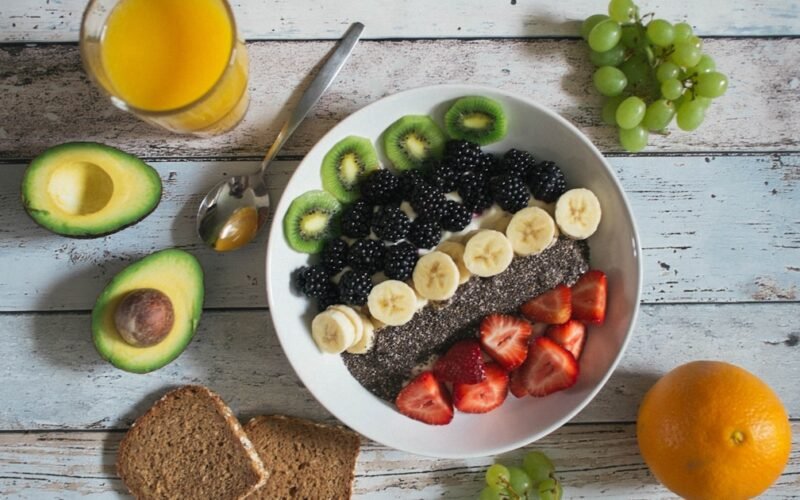
- Sources: A wide variety of colorful vegetables (leafy greens, broccoli, bell peppers, carrots, tomatoes), and fruits (berries, apples, bananas, oranges).
- Why it’s important: Supports immune function, provides essential vitamins and minerals, and contributes to overall health.
Putting It Together: Example Meals
- Meal 1 (e.g., 12 PM): Large salad with grilled chicken or salmon, mixed greens, avocado, nuts, and an olive oil vinaigrette. OR scrambled eggs with spinach, whole-wheat toast, and a side of berries.
- Meal 2 (e.g., 4 PM, if needed): Greek yogurt with a small handful of berries and seeds, or a piece of fruit with a handful of almonds.
- Meal 3 (e.g., 7 PM): Baked salmon with roasted sweet potatoes and a large portion of steamed broccoli, or a lentil and vegetable curry with brown rice.
Foods to Limit or Avoid:
- Processed Foods: Highly processed snacks, fast food, frozen dinners. They are often high in unhealthy fats, sugar, and sodium, and low in nutrients.
- Sugary Drinks: Soda, fruit juice, sweetened teas/coffees. These contribute empty calories and lead to blood sugar spikes.
- Refined Carbohydrates: White bread, white pasta, pastries, sugary cereals. These offer little nutritional value and can cause energy crashes.
- Excessive Saturated and Trans Fats: Found in fried foods, many baked goods, and some processed snacks.
The goal is to provide your body with all the necessary building blocks and energy it needs during the eating window, ensuring you feel energized, satisfied, and supported in your health journey. Mindful eating – paying attention to your hunger and fullness cues – is also crucial during this time.
Common Challenges & How to Overcome Them
While 16/8 intermittent fasting is beginner-friendly, it’s normal to encounter some hurdles, especially in the initial stages. Knowing what to expect and how to tackle these challenges can make your journey much smoother.
1. Hunger Pangs, Especially During the Fasting Window
The Challenge: Your body is used to regular food intake, so it will signal hunger. This is often habitual hunger, not true physiological starvation.
Solutions:
- Hydrate Aggressively: Drink plenty of water, black coffee, or unsweetened tea. Sometimes, what you perceive as hunger is actually thirst.
- Stay Busy: Distract yourself. Engage in work, hobbies, exercise, or social activities. The hunger will often pass.
- Start Gradually: As mentioned, ease into 16:8 with 12:12 or 14:10 fasts to allow your body to adapt.
- Electrolytes: A pinch of salt in water can sometimes alleviate hunger and prevent headaches.
- Mindset: Remind yourself that hunger is temporary and a sign that your body is adapting. It gets easier!
2. Headaches, Fatigue, or “Keto Flu” Symptoms
The Challenge: In the first few days, as your body transitions from burning sugar to fat, you might experience symptoms like headaches, brain fog, irritability, or low energy. This is often referred to as the “keto flu” and is usually due to electrolyte imbalance.
Solutions:
- Electrolyte Intake: This is key. Add a pinch of Himalayan pink salt to your water, or consider a zero-calorie electrolyte supplement. Ensure adequate potassium and magnesium by eating vegetables, nuts, seeds and avocado during your eating window.
- Drink Enough Water: Keep sipping water through the fasting window.
- Ease In: If symptoms are strong, start with a 12 or 14 hour fast and build up to 16 hours.
Photo by Andrea De Santis on Pexels
3. Social Meals and Eating Out
The Challenge: Dinners with friends or family may fall outside your eating window.
Solutions:
- Shift Your Window: Move your window later on days with an evening meal.
- Be Flexible: An occasional longer eating day won’t undo your progress. Pick up again the next day.
4. Overeating During the Eating Window
The Challenge: After a long fast, it’s easy to eat too much, too fast.
Solutions:
- Break Your Fast With a Balanced Meal: Include protein, vegetables and fiber, which help you feel full.
- Plan Your Meals: Decide what you will eat before your window opens.
- Eat Slowly: Give your body time to register fullness.
Will I lose muscle on 16:8?
Not if you eat enough protein in your eating window and keep doing strength training. Fasting does not protect muscle better than other diets, but with adequate protein it does not appear to cost more muscle either.
What should I eat to break my fast?
Start with a normal, balanced meal built around protein and vegetables, such as eggs with vegetables or a chicken salad. Breaking the fast with mostly sugary foods tends to leave you hungry again quickly.
Can I take supplements during the fasting window?
Fat-soluble vitamins (A, D, E and K) are better absorbed with food, so take them in your eating window. Prescription medicines should be taken as directed; ask your doctor or pharmacist before changing their timing to fit a fast.
Who Shouldn’t Do 16/8?
16/8 fasting is not right for everyone. A major review of intermittent fasting in the New England Journal of Medicine notes it is not suitable for some groups and that people with medical conditions should be supervised by a doctor (de Cabo and Mattson, 2019).
Avoid 16/8, or only try it with your doctor’s guidance, if you:
- Are pregnant or breastfeeding.
- Are under 18.
- Have a history of an eating disorder.
- Have type 1 diabetes, or take insulin or other medicines that lower blood sugar.
- Are underweight, frail or have other medical conditions.
- Take medicines that need to be taken with food.
If fasting makes you dizzy, faint or unwell, stop and speak to a healthcare professional.
Is 16/8 Intermittent Fasting Right for You?
16/8 is a simple way to structure your eating, and many beginners find it easy to follow.
It works mainly by helping you eat less overall. A 2025 network meta-analysis of 99 randomised trials found intermittent fasting reduced weight compared with unrestricted eating, with results broadly similar to continuous calorie restriction (BMJ, 2025).
So choose the approach you can stick with. If 16/8 fits your schedule and you feel well on it, it can be a useful tool. If it doesn’t, a regular calorie-controlled diet can work just as well.
Key takeaways
- 16/8 means fasting for 16 hours and eating within an 8-hour window.
- Stay hydrated and eat balanced, filling meals in your window.
- Ease in with shorter fasts if you get headaches or feel tired.
- It is not suitable for everyone, including pregnant people, under-18s and people with a history of eating disorders.
- Evidence suggests it works about as well as standard calorie restriction (BMJ, 2025).