Gut Health Foods: Your Daily Guide to a Thriving Gut Microbiome
In the quest for optimal health, one area is increasingly taking center stage: the gut. Far from being just a digestive tube, your gut is a complex ecosystem teeming with trillions of microorganisms – bacteria, viruses, fungi, and other microbes – collectively known as the gut microbiome. This intricate community plays a profound role in nearly every aspect of your well-being, influencing everything from your digestion and immunity to your mood, metabolism, and even weight management.
At GetLeanPulse.com, we understand that achieving your health goals, including weight management and overall vitality, starts from within. And when it comes to internal health, few things are as impactful as a well-nourished, balanced gut. The good news? You have immense power to shape your gut health every single day, simply by making informed choices about the foods you eat.
This comprehensive guide will dive deep into the world of gut health foods, providing you with an actionable roadmap to incorporate these powerful ingredients into your daily diet. We’ll explore the science behind why these foods are so beneficial, highlight specific examples, and offer practical tips to help you cultivate a thriving gut microbiome for life.
The Gut-Brain Axis: More Than Just Digestion
Before we explore the foods, let’s briefly understand why gut health is so critical. The gut is often called “the second brain” due to its extensive network of neurons and its bidirectional communication with the brain – a pathway known as the gut-brain axis. This connection means that a healthy gut can contribute to mental clarity, emotional stability, and stress resilience, while an imbalanced gut can exacerbate anxiety and depression.
Beyond the brain, your gut microbiome is intimately involved in:
- Immune Function: A significant portion of your immune system resides in your gut. A balanced microbiome helps train immune cells, distinguish between beneficial and harmful substances, and mount effective defenses against pathogens.
- Nutrient Absorption: Gut microbes help break down complex carbohydrates, synthesize essential vitamins (like B vitamins and vitamin K), and facilitate the absorption of minerals.
- Metabolism and Weight Management: Certain gut bacteria can influence how many calories you extract from food, how fat is stored, and even your appetite and cravings. A diverse microbiome is often associated with a healthier body weight.
- Inflammation Control: A healthy gut lining acts as a barrier, preventing harmful substances from entering the bloodstream. An imbalanced gut (dysbiosis) or a leaky gut can lead to chronic low-grade inflammation throughout the body, a root cause of many chronic diseases.
- Detoxification: Gut microbes assist in metabolizing and eliminating toxins and waste products from the body.
Given its widespread influence, nurturing your gut health daily is not just a trend; it’s a fundamental investment in your long-term health and well-being. And the most powerful tool you have for this is your plate.
The Pillars of a Healthy Gut Diet: Foods to Eat Every Day
Building a gut-friendly diet revolves around a few key categories of foods. By consistently incorporating these into your meals, you provide your gut microbiome with the resources it needs to flourish.
Probiotic Powerhouses: Fermented Foods
Probiotics are live microorganisms, primarily bacteria, that, when consumed in adequate amounts, confer a health benefit to the host. Think of them as reinforcements for your existing gut army. Fermented foods are nature’s best source of dietary probiotics.
Why they work: During fermentation, beneficial bacteria convert sugars into lactic acid or other organic compounds, preserving the food and creating a rich source of diverse microbial strains. These live cultures can help replenish beneficial gut bacteria, improve digestion, enhance immune function, and even produce short-chain fatty acids (SCFAs) like butyrate, which are vital for gut lining health.
Foods to eat daily (or regularly):
- Yogurt: Opt for plain, unsweetened yogurt with live and active cultures. Greek yogurt is an excellent source of protein too.
- How to eat daily: Add to smoothies, top with berries and nuts, use as a base for dips or salad dressings.
- Kefir: A fermented milk drink with a thinner consistency and even more diverse probiotic strains than yogurt. Also available in non-dairy versions.
- How to eat daily: Drink it plain, blend into smoothies, use in overnight oats.
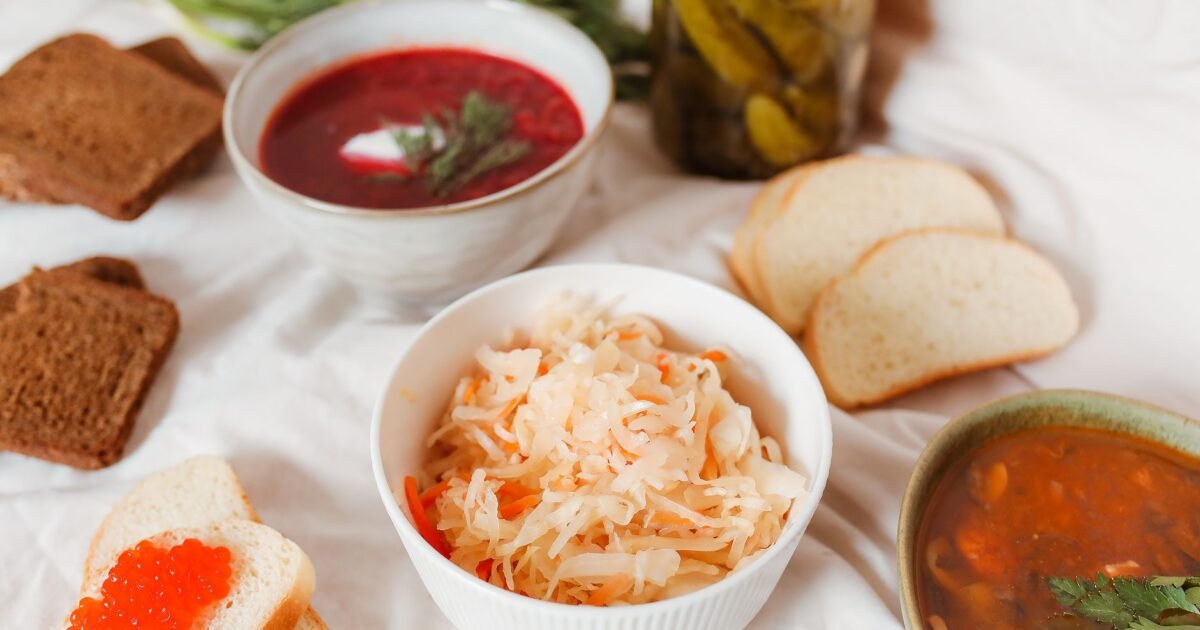
- Sauerkraut: Fermented cabbage. Look for unpasteurized varieties in the refrigerated section, as pasteurization kills beneficial bacteria.
- How to eat daily: Serve as a side dish, add to sandwiches or salads, mix into grain bowls.
- Kimchi: A spicy Korean fermented vegetable dish, typically made with napa cabbage and a variety of seasonings.
- How to eat daily: Enjoy as a side, stir into fried rice, add to soups or stews.
- Tempeh: A fermented soybean product with a firm, nutty texture. A great source of plant-based protein.
- How to eat daily: Marinate and pan-fry, crumble into stir-fries, use in sandwiches.
- Miso: A fermented soybean paste, often used in Japanese cuisine.
- How to eat daily: Make miso soup, use in dressings or marinades.
- Kombucha: A fermented tea drink. Choose varieties low in added sugar.
- How to drink daily: Enjoy a small serving as a refreshing beverage.
Prebiotic Superstars: Fuel for Your Friendly Flora
While probiotics introduce beneficial bacteria, prebiotics are non-digestible fibers that act as food for the beneficial bacteria already residing in your gut. They help these good bacteria thrive, multiply, and produce beneficial compounds.
Why they work: Prebiotics pass through the upper digestive tract undigested and reach the colon, where they are fermented by gut bacteria. This fermentation process produces short-chain fatty acids (SCFAs) like butyrate, acetate, and propionate, which are crucial for maintaining the integrity of the gut lining, reducing inflammation, and providing energy for colon cells. They also help improve mineral absorption and regulate blood sugar.
Foods to eat daily:
- Garlic: Contains inulin and fructooligosaccharides (FOS).
- How to eat daily: Use in almost all savory cooking, roast with vegetables, add to dressings.
- Onions and Leeks: Rich in FOS.
- How to eat daily: Sauté for bases of dishes, add raw to salads, roast with other vegetables.
- Asparagus: Contains inulin.
- How to eat daily: Steam, roast, or grill as a side dish.
- Bananas: Especially slightly underripe bananas, contain resistant starch.
- How to eat daily: Eat as a snack, add to smoothies, slice over oatmeal.
- Oats: A fantastic source of beta-glucan, a soluble fiber.
- How to eat daily: Start your day with oatmeal, use in homemade granola, add to baked goods.
- Apples: Especially with the skin, contain pectin.
- How to eat daily: Eat whole as a snack, slice into salads, bake into healthy desserts.
- Flaxseeds: Rich in both soluble and insoluble fiber.
- How to eat daily: Grind and add to smoothies, oatmeal, yogurt, or baked goods.
- Legumes (Beans, Lentils, Chickpeas): Excellent sources of resistant starch and other fibers.
- How to eat daily: Add to soups, stews, salads, make hummus or bean dips.
Fiber-Rich Wonders: The Unsung Hero
Fiber, often overlooked, is the backbone of a healthy gut diet. It’s the indigestible part of plant foods that provides bulk, aids in bowel regularity, and plays a crucial role in feeding your gut microbes.
Why they work: There are two main types of fiber: soluble and insoluble. Soluble fiber dissolves in water to form a gel-like substance, helping to slow digestion, stabilize blood sugar, and lower cholesterol. Many soluble fibers are also prebiotics. Insoluble fiber adds bulk to stool, promoting regular bowel movements and preventing constipation. Together, they ensure a smooth, efficient digestive process and a well-fed microbiome.
Foods to eat daily:
- Whole Grains: Oats, barley, quinoa, brown rice, whole wheat bread, farro.
- How to eat daily: Choose whole grain bread for sandwiches, opt for brown rice or quinoa over white, enjoy oatmeal for breakfast.
- Legumes: All beans (black beans, kidney beans, cannellini beans), lentils, chickpeas, split peas.
- How to eat daily: Make lentil soup, add chickpeas to salads, use black beans in tacos or burritos.
- Fruits: Berries (raspberries, blueberries, blackberries), pears (with skin), apples (with skin), oranges, bananas.
- How to eat daily: Enjoy as snacks, add to breakfast cereals, blend into smoothies.
- Vegetables: Broccoli, Brussels sprouts, spinach, kale, carrots, sweet potatoes, artichokes.
- How to eat daily: Fill half your plate with non-starchy vegetables at every meal, snack on raw carrots or bell peppers.
- Nuts and Seeds: Almonds, walnuts, chia seeds, flaxseeds, pumpkin seeds.
- How to eat daily: Sprinkle on salads, yogurt, or oatmeal, eat a small handful as a snack.
Polyphenol-Packed Produce: Antioxidants for Your Gut
Polyphenols are plant compounds with potent antioxidant and anti-inflammatory properties. While many are known for their benefits to general health, research increasingly shows their positive impact on the gut microbiome.
Why they work: Many polyphenols are not fully absorbed in the small intestine, reaching the colon where they are metabolized by gut bacteria. This interaction can promote the growth of beneficial bacteria, inhibit harmful ones, and enhance the production of SCFAs. Their anti-inflammatory action also helps protect the gut lining.
Foods to eat daily:
- Berries: Blueberries, raspberries, strawberries, blackberries. Rich in anthocyanins and other flavonoids.
- How to eat daily: Add to smoothies, oatmeal, yogurt, or enjoy as a snack.
- Dark Chocolate: Look for varieties with 70% cocoa or higher, low in sugar.
- How to eat daily: Enjoy a small square as a treat.
- Green Tea: Contains catechins, particularly epigallocatechin gallate (EGCG).
- How to drink daily: Brew a cup of green tea instead of coffee.
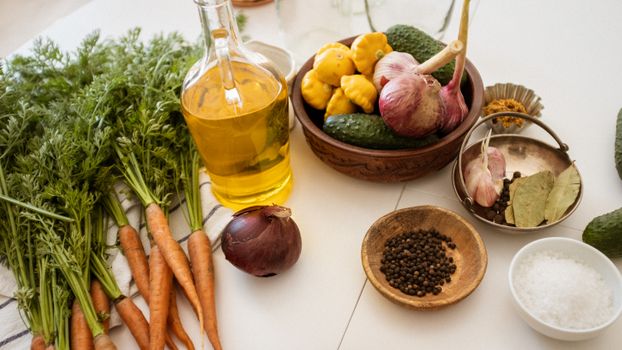
- Colorful Vegetables: Red cabbage, spinach, kale, broccoli, bell peppers.
- How to eat daily: Incorporate a variety of colors into your meals.
- Olives and Olive Oil: Especially extra virgin olive oil.
- How to eat daily: Use as a dressing, drizzle over cooked vegetables, dip with whole-grain bread.
- Nuts: Walnuts, almonds, pecans.
- How to eat daily: Snack on a handful, add to salads or oatmeal.
Healthy Fats: Soothing Inflammation and Aiding Absorption
While often associated with heart health, certain fats play a crucial role in maintaining gut integrity and reducing inflammation, which is vital for a happy gut.
Why they work: Omega-3 fatty acids, in particular, have powerful anti-inflammatory properties that can help soothe an irritated gut lining. They also support the health of the gut barrier. Additionally, healthy fats aid in the absorption of fat-soluble vitamins (A, D, E, K), which are essential for overall health, including immune function linked to the gut.
Foods to eat daily:
- Avocado: Rich in monounsaturated fats and fiber.
- How to eat daily: Add to salads, smash on whole-grain toast, blend into smoothies.
- Extra Virgin Olive Oil: A staple of the Mediterranean diet, known for its anti-inflammatory compounds.
- How to eat daily: Use for dressings, drizzling over vegetables, or light sautéing.
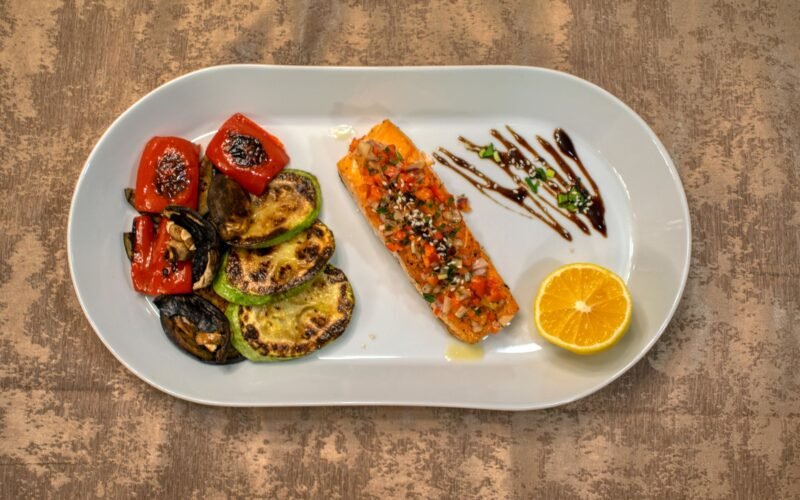
- Fatty Fish: Salmon, mackerel, sardines, anchovies (rich in Omega-3s).
- How to eat regularly (aim for 2-3 times a week): Grill or bake salmon, add sardines to salads.
- Nuts and Seeds: Chia seeds, flaxseeds, walnuts (excellent sources of plant-based Omega-3s).
- How to eat daily: Sprinkle on cereal, yogurt, or salads, add to baked goods.
Lean Proteins: Building Blocks for Gut Repair
Protein is essential for the repair and maintenance of all body tissues, including the cells lining your gut. Adequate protein intake helps keep your gut barrier strong and functional.
Why they work: The cells of the intestinal lining turn over rapidly and require a steady supply of amino acids from protein for repair and regeneration. Certain amino acids, like glutamine, are particularly important for maintaining gut barrier integrity and reducing inflammation.
Foods to eat daily:
- Lean Meats: Chicken breast, turkey, lean cuts of beef.
- How to eat daily: Include a lean protein source with lunch and dinner.
- Fish and Seafood: Cod, tilapia, shrimp, tuna.
- How to eat daily: Vary your protein sources, aiming for fish several times a week.
- Eggs: A complete protein source, also rich in choline.
- How to eat daily: Enjoy for breakfast, hard-boiled as a snack, or in salads.
- Plant-Based Proteins: Tofu, tempeh (also a probiotic!), lentils, beans, chickpeas, quinoa.
- How to eat daily: Incorporate plant-based proteins into your meals, especially if you’re vegetarian or vegan.
Foods to Limit or Avoid for Optimal Gut Health
While focusing on what to eat is paramount, it’s also important to be mindful of foods that can negatively impact your gut microbiome and gut lining. Limiting or avoiding these can create a more hospitable environment for beneficial bacteria:
- Processed Foods: Often high in unhealthy fats, sugar, and artificial ingredients that can disrupt the microbiome and promote inflammation.
- Added Sugars: Feeds harmful bacteria and yeasts, leading to dysbiosis and inflammation.
- Artificial Sweeteners: Emerging research suggests some artificial sweeteners can negatively alter gut bacteria.
- Excessive Unhealthy Fats: Trans fats and excessive saturated fats found in fried foods and highly processed snacks can promote inflammation.
- Excessive Alcohol: Can irritate the gut lining and disrupt the balance of gut bacteria.
Crafting Your Daily Gut-Friendly Meal Plan
The key to daily gut health is consistency and variety. Here’s how you can weave these foods into your everyday meals:
Breakfast Ideas:
- Overnight Oats with Berries and Seeds: Combine rolled oats (fiber, prebiotics), kefir or yogurt (probiotics), chia seeds or flaxseeds (fiber, healthy fats), and a handful of mixed berries (polyphenols, fiber).
- Scrambled Eggs with Spinach and Sautéed Onions: Eggs (protein), spinach (fiber, polyphenols), onions (prebiotics).
- Whole-Grain Toast with Avocado and Everything Bagel Seasoning: Whole-grain bread (fiber), avocado (healthy fats, fiber).
- Green Smoothie: Blend spinach, banana (prebiotics), a scoop of plant-based protein, and kefir or unsweetened almond milk.
Lunch Ideas:
- Big Salad with Lean Protein and Legumes: Start with mixed greens, add colorful vegetables (carrots, bell peppers, cucumbers), a generous serving of chickpeas or lentils (fiber, prebiotics, protein), grilled chicken or tempeh (protein), and a dressing made with extra virgin olive oil and apple cider vinegar.
- Quinoa Bowl with Roasted Vegetables and Miso Dressing: Quinoa (fiber, protein), roasted broccoli and sweet potatoes (fiber, polyphenols), a dollop of sauerkraut (probiotics), and a light miso dressing.
- Lentil Soup with Whole-Grain Bread: A hearty soup packed with fiber and protein, served with a slice of whole-grain bread.
Dinner Ideas:
- Baked Salmon with Asparagus and Brown Rice: Salmon (healthy fats, protein), asparagus (prebiotics, fiber), brown rice (fiber).
- Chicken Stir-fry with Kimchi: Lean chicken (protein), a medley of colorful vegetables (broccoli, bell peppers, carrots – fiber, polyphenols), stir-fried lightly, and served with a side of kimchi (probiotics).
- Black Bean Burgers on Whole-Grain Buns: Homemade black bean burgers (fiber, protein) with plenty of lettuce, tomato, and avocado.
Snack Ideas:
- Apple slices with almond butter.
- A small handful of mixed nuts (almonds, walnuts).
- Plain yogurt with a sprinkle of flaxseeds.
- Small serving of kombucha.
- Raw carrots or celery sticks with hummus (chickpeas are prebiotic!).
Hydration:
Don’t forget water! Staying well-hydrated is crucial for digestive health, helping to move fiber through your system and preventing constipation. Aim for at least 8 glasses of water throughout the day.
Practical Tips for Daily Gut Health
Beyond specific foods, adopting certain habits can significantly enhance your gut health journey:
- Start Small and Gradually Increase Fiber: If your diet isn’t currently rich in fiber, introduce high-fiber foods gradually to avoid digestive discomfort (gas, bloating). Your gut microbes need time to adapt.
- Embrace Variety: The most important factor for a healthy gut microbiome is diversity. Eat a wide range of plant foods – aim for at least 30 different types of plants (fruits, vegetables, whole grains, nuts, seeds, legumes) per week. Each plant offers a unique blend of fibers and polyphenols that feed different beneficial bacteria.
- Listen to Your Body: Pay attention to how different foods make you feel. Some individuals may have sensitivities to certain fibers or fermented foods. Adjust your diet based on your personal tolerance.
- Prioritize Whole, Unprocessed Foods: Base your diet around foods in their natural state. These are inherently richer in fiber, prebiotics, polyphenols, and essential nutrients compared to their processed counterparts.
- Cook at Home More Often: This gives you control over ingredients, allowing you to choose fresh produce, healthy fats, and avoid excessive sugar and additives.
- Mindful Eating: Eat slowly, chew your food thoroughly, and pay attention to your body’s hunger and fullness cues. This aids digestion and reduces stress on your gut.
- Stay Hydrated: As mentioned, water is essential for moving food through the digestive tract and for the overall health of your gut lining.
- Manage Stress: The gut-brain axis means stress can directly impact gut health. Incorporate stress-reducing practices like meditation, yoga, deep breathing, or spending time in nature into your daily routine.
Beyond Food: A Holistic Approach
While diet is the cornerstone, remember that gut health is part of a larger picture. For a truly thriving gut and overall well-being, consider these lifestyle factors:
- Regular Physical Activity: Exercise can positively influence gut microbiome diversity and improve gut motility.
- Adequate Sleep: Poor sleep can disrupt gut flora and increase gut permeability. Aim for 7-9 hours of quality sleep per night.
- Minimize Antibiotic Use (when possible): While sometimes necessary, antibiotics can decimate both harmful and beneficial gut bacteria. If you must take them, focus on probiotic and prebiotic foods afterward to help restore balance.
- Spend Time in Nature: Exposure to diverse microbes in soil and natural environments may contribute to a more diverse gut microbiome.
Conclusion: Empower Your Gut, Transform Your Health
The journey to optimal gut health is a continuous one, built upon the foundation of daily dietary choices. By consistently incorporating a rich variety of probiotic-rich fermented foods, prebiotic fibers, diverse fruits and vegetables, healthy fats, and lean proteins, you are actively cultivating a thriving inner ecosystem.
Remember, the goal isn’t perfection, but progress. Start by making one or two small changes today – perhaps adding a serving of kimchi to your lunch, swapping white bread for whole grain, or enjoying a handful of berries as a snack. Over time, these small, consistent efforts will accumulate, leading to profound improvements in your digestion, immunity, energy levels, mood, and overall vitality.
At GetLeanPulse.com, we believe that empowering yourself with knowledge and practical strategies is the first step towards a healthier, happier you. Embrace the power of gut-friendly foods, listen to your body, and enjoy the remarkable benefits of a truly thriving gut microbiome. Your future self will thank you.
Photo by Polina Tankilevitch on Pexels