Best Superfoods for Weight Loss: Your Ultimate Guide to a Leaner You
In the vast landscape of health and nutrition, the term “superfood” often sparks curiosity and hope, especially for those on a weight loss journey. But what exactly makes a food “super,” and can these nutritional powerhouses genuinely accelerate your progress towards a leaner, healthier you? At GetLeanPulse.com, we believe in empowering you with accurate, actionable information. This comprehensive guide dives deep into the world of superfoods, revealing the best ones for weight loss and how to seamlessly integrate them into your daily diet.
Weight loss is a complex process, not a magic trick. It primarily hinges on creating a sustainable calorie deficit while ensuring your body receives adequate nutrition to function optimally. This is precisely where superfoods shine. They are not miraculous fat-burners, but rather incredibly nutrient-dense foods that offer a wealth of vitamins, minerals, antioxidants, fiber, and healthy fats, often with a low-calorie count. By incorporating them, you can feel fuller, more energized, and better nourished, making the journey to your ideal weight more effective and enjoyable.
Forget restrictive diets and fleeting trends. True, lasting weight loss comes from adopting a balanced, whole-food approach. Superfoods are the champions of this approach, providing the essential building blocks for a healthy metabolism, improved digestion, reduced inflammation, and sustained energy levels. Let’s explore how these nutritional titans can transform your weight loss efforts and set you on a path to vibrant health.
What Makes a Superfood ‘Super’ for Weight Loss?
Before we dive into the specific foods, it’s crucial to understand the characteristics that elevate certain foods to “superfood” status, particularly in the context of weight management. These aren’t just buzzwords; they represent tangible nutritional benefits that directly support your body’s ability to shed excess weight and maintain a healthy composition.
1. High Nutrient Density
This is the cornerstone of any superfood. Nutrient-dense foods pack a significant amount of vitamins, minerals, and other beneficial compounds relative to their calorie count. When you’re trying to lose weight, you’re often reducing overall calorie intake. Superfoods ensure that even with fewer calories, your body is still getting the vital nutrients it needs to perform all its metabolic functions, support energy levels, and prevent deficiencies that can stall progress.
2. Abundant Fiber Content
Fiber is perhaps the unsung hero of weight loss. There are two main types: soluble and insoluble. Both are critical.
- Soluble Fiber: Dissolves in water to form a gel-like substance, slowing down digestion and absorption. This helps stabilize blood sugar levels, preventing spikes and crashes that lead to cravings. It also contributes significantly to satiety, making you feel full for longer.
- Insoluble Fiber: Adds bulk to your stool, promoting regular bowel movements and gut health. A healthy gut microbiome is increasingly linked to weight management and overall metabolic health.
Foods rich in fiber naturally curb appetite, reduce calorie absorption from other foods, and support a healthy digestive system, all crucial for weight loss.
3. Excellent Protein Sources
Protein is paramount for weight loss for several reasons:
- Satiety: Protein is the most satiating macronutrient. Eating enough protein helps you feel fuller for longer, reducing the likelihood of overeating or snacking on unhealthy foods.
- Muscle Preservation: When you’re in a calorie deficit, there’s a risk of losing muscle mass along with fat. Adequate protein intake helps preserve lean muscle, which is metabolically active and burns more calories at rest than fat tissue.
- Thermogenic Effect: Your body expends more energy (calories) to digest and metabolize protein compared to carbohydrates or fats. This is known as the thermic effect of food (TEF), and protein has the highest TEF.
4. Healthy Fats
While the word “fat” might seem counterintuitive for weight loss, healthy fats are essential. Monounsaturated and polyunsaturated fats (like omega-3s) are crucial for hormone production, nutrient absorption, and brain health. They also contribute significantly to satiety, helping to keep hunger at bay. The key is moderation, as fats are calorie-dense.
5. Powerful Antioxidants and Phytonutrients
Superfoods are often brimming with antioxidants, which combat oxidative stress and inflammation in the body. Chronic inflammation has been linked to weight gain and metabolic dysfunction. Phytonutrients, unique plant compounds, also offer a range of health benefits, supporting cellular health and metabolic efficiency.
6. Low Glycemic Index (GI)
Many weight-loss friendly superfoods have a low glycemic index, meaning they cause a slower, more gradual rise in blood sugar levels. This prevents insulin spikes, which can promote fat storage and lead to energy crashes and increased hunger.
By understanding these attributes, you can make more informed choices about which foods to prioritize in your diet. Now, let’s dive into the stars of our show: the best superfoods for weight loss.
Top Superfoods for Weight Loss: Your Essential List
Here’s a detailed look at the superfoods that can make a significant difference in your weight loss journey, backed by their unique nutritional profiles and benefits.
1. Leafy Green Vegetables (Spinach, Kale, Swiss Chard)
Leafy greens are the epitome of nutrient density. They are incredibly low in calories but packed with vitamins (A, C, K), minerals (iron, magnesium, potassium), and antioxidants. Their high water and fiber content means you can eat a large volume, feel full, and consume very few calories. This makes them perfect for adding bulk to meals without adding extra pounds. The fiber also aids digestion and helps stabilize blood sugar.
Why they’re super for weight loss: Extremely low calorie, high fiber, rich in micronutrients, great for volume eating.
2. Berries (Blueberries, Raspberries, Strawberries)
These vibrant fruits are bursting with antioxidants, particularly anthocyanins, which have anti-inflammatory properties. Berries are also surprisingly high in fiber for fruit, especially raspberries, which can boast up to 8 grams per cup. Their natural sweetness satisfies cravings without the added sugars found in processed snacks, and their high water content contributes to feelings of fullness. They offer a healthier alternative to sugary desserts and snacks.
Why they’re super for weight loss: High in antioxidants and fiber, naturally sweet, low glycemic impact compared to many fruits.
3. Avocado
Often misunderstood due to its fat content, avocado is a powerhouse of healthy monounsaturated fats (oleic acid), which are excellent for heart health and satiety. It also provides a significant amount of fiber, potassium, and vitamins K, C, E, and B-6. The healthy fats in avocado help slow digestion, keeping you full and satisfied, which can prevent overeating later. Remember, moderation is key due to its calorie density.
Why it’s super for weight loss: Rich in healthy fats and fiber for satiety, supports nutrient absorption.
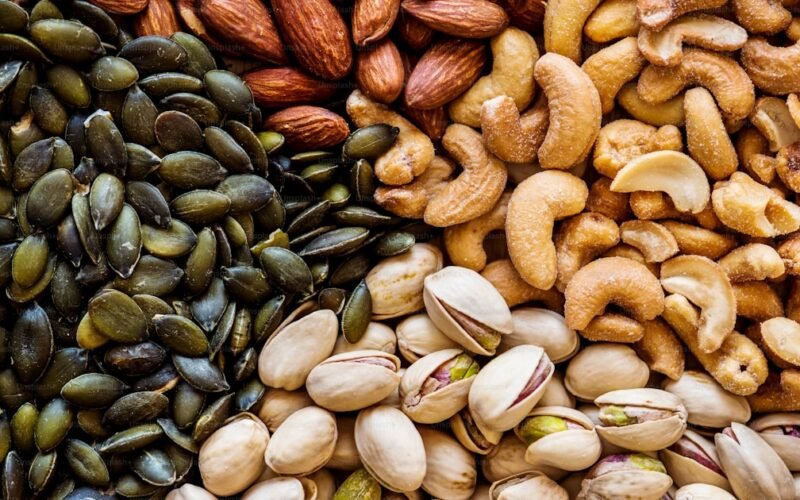
4. Nuts and Seeds (Almonds, Chia Seeds, Flax Seeds, Walnuts)
Nuts and seeds are miniature nutritional powerhouses.
- Almonds: Good source of protein, fiber, and healthy fats.
- Chia Seeds: Phenomenal source of soluble fiber (they absorb liquid and expand, creating a feeling of fullness), omega-3 fatty acids, and protein.
- Flax Seeds: Similar to chia, offering fiber and omega-3s (must be ground for absorption).
- Walnuts: Rich in omega-3s and antioxidants.
All contribute protein, fiber, and healthy fats, promoting satiety and providing sustained energy. Due to their high calorie density, portion control is crucial. A small handful can go a long way.
Why they’re super for weight loss: High in protein, fiber, and healthy fats for sustained energy and satiety.
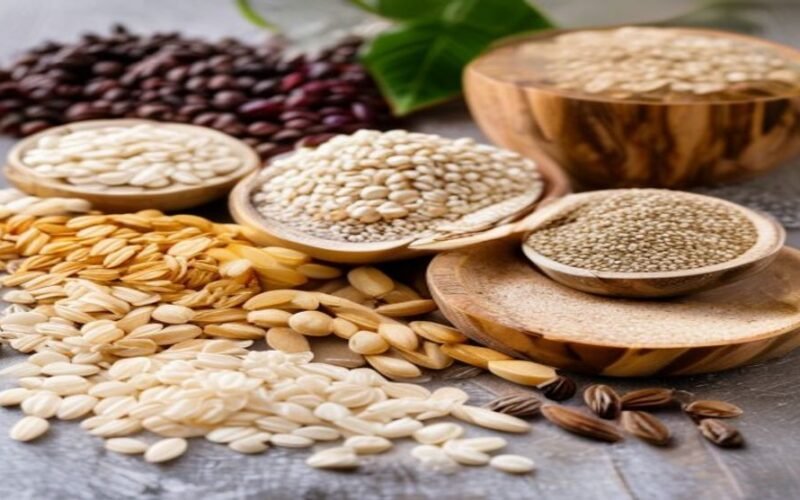
5. Legumes (Lentils, Chickpeas, Black Beans)
Legumes are a phenomenal plant-based source of protein and fiber, making them incredibly effective for weight loss. They are low in fat, cholesterol-free, and rich in complex carbohydrates, which provide slow-releasing energy. The combination of protein and fiber ensures long-lasting fullness, helping to reduce overall calorie intake. They also support gut health, which is increasingly linked to a healthy metabolism.
Why they’re super for weight loss: Excellent source of plant-based protein and fiber, low fat, promote satiety.
6. Quinoa
Unlike most grains, quinoa is a complete protein, meaning it contains all nine essential amino acids. It’s also an excellent source of fiber, magnesium, iron, and B vitamins. Its protein and fiber content make it a superior choice to white rice or pasta for satiety and stable blood sugar, preventing the energy crashes that can lead to unhealthy snacking. Quinoa is also naturally gluten-free.
Why it’s super for weight loss: Complete protein, high fiber, complex carbohydrates for sustained energy.
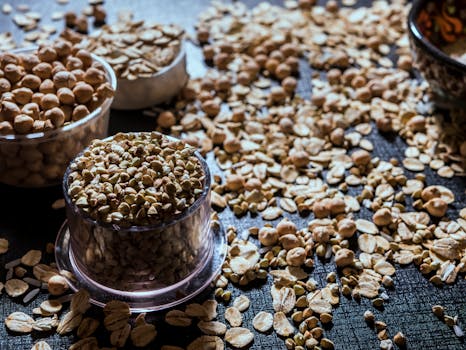
7. Oats (Rolled or Steel-Cut)
Oats, particularly rolled or steel-cut varieties, are rich in soluble fiber, especially beta-glucan. Beta-glucan forms a gel in the digestive tract, which slows down digestion, enhances satiety, and can help lower cholesterol. Starting your day with a bowl of oatmeal can keep you full until lunchtime, reducing the urge to snack. They also provide sustained energy without sharp blood sugar spikes.
Why they’re super for weight loss: High in soluble fiber (beta-glucan) for satiety and blood sugar control, sustained energy.
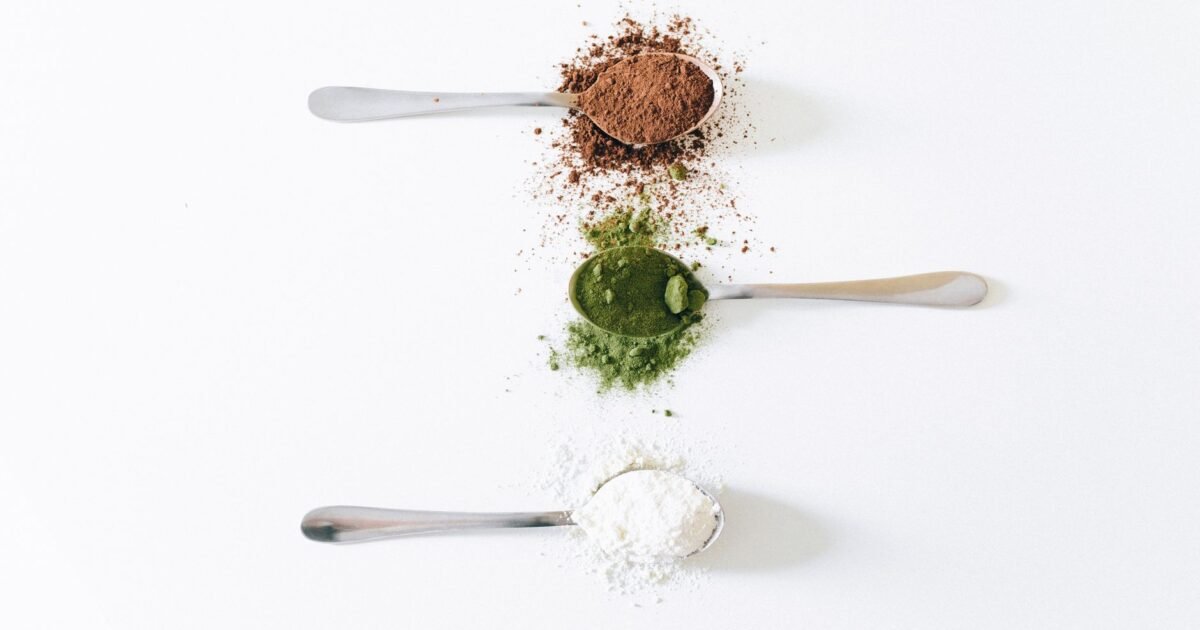
8. Green Tea
Green tea is renowned for its metabolism-boosting properties, primarily due to its catechins, particularly epigallocatechin gallate (EGCG), and caffeine. EGCG has been shown to enhance fat oxidation and thermogenesis (the body’s heat production), which can lead to a slight increase in calorie burning. It’s also rich in antioxidants, contributing to overall health and reducing inflammation, which can indirectly support weight loss.
Why it’s super for weight loss: Contains EGCG and caffeine to boost metabolism and fat burning, rich in antioxidants.
9. Apple Cider Vinegar (ACV)
While not a food in the traditional sense, ACV has gained popularity for its potential weight loss benefits. Research suggests that acetic acid, its main component, may help reduce blood sugar spikes after meals, improve insulin sensitivity, and potentially increase feelings of fullness, leading to reduced calorie intake. It’s best consumed diluted in water and should not be overused due to its acidity.
Why it’s super for weight loss: May help regulate blood sugar, improve insulin sensitivity, and increase satiety.
10. Cruciferous Vegetables (Broccoli, Cauliflower, Brussels Sprouts)
Like leafy greens, cruciferous vegetables are incredibly low in calories but exceptionally high in fiber, vitamins (C, K), and unique plant compounds like sulforaphane, which have anti-cancer and anti-inflammatory properties. Their high fiber and water content mean they are very filling, making them excellent choices for adding volume to meals and satisfying hunger without excess calories.
Why they’re super for weight loss: Low calorie, high fiber and water content, rich in vitamins and unique phytonutrients.
11. Salmon and Other Fatty Fish (Mackerel, Sardines)
Fatty fish are superstars for weight loss due to their high content of omega-3 fatty acids (EPA and DHA) and high-quality protein. Omega-3s reduce inflammation, support brain health, and may play a role in fat metabolism. The abundant protein promotes satiety, preserves muscle mass during weight loss, and has a high thermic effect. Including fish a few times a week can significantly boost your nutrient intake and aid in feeling full.
Why they’re super for weight loss: Excellent source of lean protein and anti-inflammatory omega-3 fatty acids for satiety and metabolism.
12. Greek Yogurt
Greek yogurt stands out from regular yogurt due to its significantly higher protein content, often double that of conventional varieties. This makes it incredibly satiating and excellent for preserving muscle mass. It’s also a good source of calcium and probiotics, which support gut health. Choose plain, unsweetened Greek yogurt to avoid added sugars, and pair it with berries or a sprinkle of nuts for a balanced snack or breakfast.
Why it’s super for weight loss: High in protein for satiety and muscle preservation, contains beneficial probiotics.
13. Eggs
Often called “nature’s multivitamin,” eggs are one of the most complete and affordable sources of protein available. They are packed with essential amino acids, vitamins (D, B12), and minerals. Studies have shown that eating eggs for breakfast can significantly increase satiety and reduce calorie intake throughout the rest of the day compared to carbohydrate-based breakfasts. They are versatile and can be incorporated into almost any meal.
Why they’re super for weight loss: High-quality protein, nutrient-dense, promote significant satiety.
14. Turmeric
This vibrant yellow spice contains curcumin, a powerful compound with strong anti-inflammatory and antioxidant properties. While not a direct weight loss food, chronic inflammation can hinder weight loss efforts. By reducing inflammation, turmeric can support overall metabolic health and create a more favorable environment for weight management. It’s best absorbed with black pepper and a source of fat.
Why it’s super for weight loss: Anti-inflammatory properties can support overall metabolic health.
15. Ginger
Ginger is a popular spice known for its digestive and anti-inflammatory benefits. Some research suggests that ginger may help boost metabolism and promote feelings of fullness. It can also aid in reducing nausea and improving digestion, indirectly supporting a healthy gut environment crucial for weight management. It’s a versatile addition to teas, stir-fries, and smoothies.
Why it’s super for weight loss: May boost metabolism, improve digestion, and reduce inflammation.
16. Sweet Potatoes
Unlike white potatoes, sweet potatoes are a fantastic source of complex carbohydrates, fiber, and beta-carotene (a precursor to Vitamin A). Their high fiber content, especially when eaten with the skin, ensures a slow release of energy, preventing blood sugar spikes and crashes. This sustained energy helps maintain satiety and reduces cravings for less healthy simple carbs. They offer a nutrient-dense alternative to refined grains.
Why it’s super for weight loss: Complex carbohydrates, high fiber, sustained energy, rich in vitamins.
17. Cinnamon
This aromatic spice is more than just a flavor enhancer; it has been studied for its potential to improve blood sugar control. Cinnamon can help increase insulin sensitivity, which means your body uses glucose more efficiently, potentially reducing fat storage and improving energy levels. A sprinkle of cinnamon in your oatmeal, yogurt, or coffee can add flavor and a subtle metabolic boost.
Why it’s super for weight loss: May help regulate blood sugar levels and improve insulin sensitivity.
How to Incorporate Superfoods into Your Daily Diet
Knowing which superfoods are beneficial is one thing; consistently incorporating them into your meals is another. Here are practical, delicious ways to make these nutritional powerhouses a regular part of your weight loss journey:
For Breakfast: Start Your Day Strong
- Smoothie Power-Up: Blend leafy greens (spinach, kale), berries, chia or flax seeds, a scoop of Greek yogurt, and a liquid base (water, unsweetened almond milk). Add a slice of avocado for creaminess and healthy fats.
- Oatmeal Reinvention: Stir berries, a spoonful of nut butter, chia seeds, and a sprinkle of cinnamon into your steel-cut or rolled oats.
- Egg-cellent Start: Scramble eggs with a generous handful of spinach, broccoli florets, and a side of avocado slices.
- Greek Yogurt Parfait: Layer plain Greek yogurt with mixed berries and a sprinkle of chopped almonds or walnuts.
For Lunch: Fuel Your Afternoon
- Superfood Salads: Create a base of mixed greens (kale, spinach), add cooked quinoa or lentils, a source of lean protein (grilled salmon or chicken), and top with colorful vegetables, avocado, and a light vinaigrette.
- Hearty Soups: Incorporate lentils, black beans, and a variety of vegetables like broccoli, spinach, and sweet potato into your homemade soups.
- Whole-Grain Wraps: Fill whole-wheat wraps with hummus (made from chickpeas), leafy greens, sliced avocado, and lean protein.
- Leftover Bowls: Repurpose dinner leftovers like roasted salmon and sweet potatoes over a bed of quinoa and steamed greens.
For Dinner: Nourish and Satisfy
- Sheet Pan Dinners: Roast salmon or lean chicken breast with a medley of cruciferous vegetables (broccoli, Brussels sprouts) and sweet potatoes for a simple, nutrient-dense meal.
- Stir-Fries: Load up stir-fries with plenty of ginger, turmeric, leafy greens, broccoli, and a protein source like chicken, tofu, or shrimp. Serve with a small portion of quinoa.
- Legume-Based Dishes: Experiment with lentil stews, black bean burgers, chickpea curries, or chili packed with vegetables.
- Pasta Alternatives: Use spiralized zucchini or “riced” cauliflower as a base, and top with a lean protein and vegetable-rich sauce.
For Snacks: Smart Choices Between Meals
- A handful of almonds or walnuts.
- Greek yogurt with berries.
- Apple slices with a tablespoon of natural nut butter.
- Vegetable sticks (carrots, celery, bell peppers) with hummus.
- A small avocado sprinkled with a pinch of sea salt.
- A cup of green tea.
Superfood Boosters for Any Meal
- Add chia or flax seeds to cereals, yogurts, or baked goods.
- Sprinkle turmeric and black pepper into eggs, soups, or roasted vegetables.
- Use apple cider vinegar in salad dressings or diluted in water before meals.
- Garnish dishes with fresh herbs like parsley or cilantro for extra nutrients.
The key is consistency and creativity. Don’t feel pressured to eat every superfood every day. Focus on incorporating a variety of these foods regularly, gradually replacing less healthy options. Small, sustainable changes lead to significant, lasting results.
Beyond Superfoods: A Holistic Approach to Weight Loss
While superfoods are powerful allies, they are just one piece of the puzzle. Sustainable weight loss and overall well-being require a holistic approach that addresses several key lifestyle factors. Think of superfoods as enhancing a solid foundation, not replacing it.
1. Create a Sustainable Calorie Deficit
This remains the fundamental principle of weight loss. You must consume fewer calories than your body burns. Superfoods help achieve this naturally by promoting satiety and providing high nutrient density, making it easier to stick to a reduced calorie intake without feeling deprived. Use a calorie tracker initially to understand your intake, but focus on intuitive eating with whole foods long-term.
2. Prioritize Regular Physical Activity
Exercise complements a healthy diet by burning calories, building and preserving muscle mass, boosting metabolism, improving cardiovascular health, and enhancing mood. Aim for a combination of cardiovascular exercise (like brisk walking, jogging, cycling) and strength training (lifting weights, bodyweight exercises). Find activities you enjoy to ensure consistency.
3. Stay Adequately Hydrated
Water is essential for every bodily function, including metabolism. Sometimes, thirst can be mistaken for hunger, leading to unnecessary snacking. Drinking plenty of water throughout the day can help you feel fuller, aid digestion, and ensure optimal metabolic function. Aim for at least 8 glasses (about 2 liters) daily, and more if you’re active.
4. Ensure Adequate Sleep
Sleep deprivation can wreak havoc on your weight loss efforts. Lack of sleep disrupts hormones that regulate appetite (ghrelin and leptin), leading to increased hunger and cravings for high-calorie, sugary foods. Aim for 7-9 hours of quality sleep per night to support healthy hormone balance and energy levels.
5. Manage Stress Effectively
Chronic stress elevates cortisol levels, a hormone that can promote fat storage, especially around the abdominal area. Stress can also lead to emotional eating. Incorporate stress-reducing practices into your daily routine, such as meditation, yoga, deep breathing exercises, spending time in nature, or engaging in hobbies you enjoy.
6. Practice Mindful Eating
Pay attention to your body’s hunger and fullness cues. Eat slowly, savor your food, and avoid distractions like screens. Mindful eating helps you recognize when you’re truly hungry and when you’ve had enough, preventing overeating and fostering a healthier relationship with food. Superfoods, being so rich and satisfying, lend themselves well to mindful enjoyment.
Common Myths and Misconceptions About Superfoods
Despite their undeniable benefits, superfoods are often subject to hype and misunderstanding. Let’s debunk a few common myths:
Myth 1: Superfoods are Magic Pills for Weight Loss.
Reality: Superfoods are not magic. They are nutrient-dense foods that *support* weight loss by providing essential nutrients, promoting satiety, and improving overall health. They work best as part of a balanced diet and healthy lifestyle, not as a standalone solution. You can’t eat a bag of chips and then expect a handful of chia seeds to negate the effects.
Myth 2: You Only Need to Eat Superfoods to Be Healthy.
Reality: While superfoods are incredibly beneficial, a truly healthy diet is diverse and includes a wide range of whole, unprocessed foods. Relying solely on a few “superfoods” might lead to nutritional imbalances. Variety is key to getting all the different vitamins, minerals, and phytonutrients your body needs.
Myth 3: All Superfoods Are Expensive and Exotic.
Reality: Many of the most powerful superfoods are affordable and readily available. Spinach, oats, eggs, lentils, and broccoli are perfect examples. While some exotic options exist, you don’t need to break the bank to incorporate superfoods into your diet. Focus on accessible, everyday options first.
Myth 4: Superfoods Always Taste Bland or “Healthy.”
Reality: This couldn’t be further from the truth! With creative cooking and seasoning, superfoods can be incredibly delicious. Berries are naturally sweet, avocado is creamy, and salmon is rich and flavorful. Experiment with recipes, spices, and cooking methods to discover how tasty healthy eating can be.
Conclusion: Embrace the Power of Superfoods for a Leaner, Healthier You
The journey to weight loss is deeply personal and multifaceted, but incorporating superfoods into your diet can provide a powerful advantage. These nutrient-dense powerhouses offer more than just calorie control; they deliver essential vitamins, minerals, fiber, protein, and healthy fats that nourish your body, boost your metabolism, and keep you feeling full and energized.
By prioritizing foods like leafy greens, berries, avocado, nuts, seeds, legumes, and lean proteins, you’re not just cutting calories; you’re actively building a stronger, healthier foundation for sustainable weight loss. Remember, consistency is key. Start by making small, manageable changes, such as adding a handful of spinach to your smoothie or swapping refined grains for quinoa.
Combine the strategic inclusion of these superfoods with a holistic approach that includes regular exercise, adequate hydration, sufficient sleep, stress management, and mindful eating. This comprehensive strategy will not only help you achieve your weight loss goals but also foster a vibrant, energetic lifestyle that extends far beyond the number on the scale.
At GetLeanPulse.com, we are committed to guiding you towards your health and fitness aspirations. Embrace the power of superfoods, make informed choices, and embark on a rewarding journey to a leaner, healthier, and more vibrant you. Your body will thank you for it.
Disclaimer: Always consult with a healthcare professional or registered dietitian before making significant changes to your diet, especially if you have underlying health conditions.
Photo by Nataliya Vaitkevich on Pexels