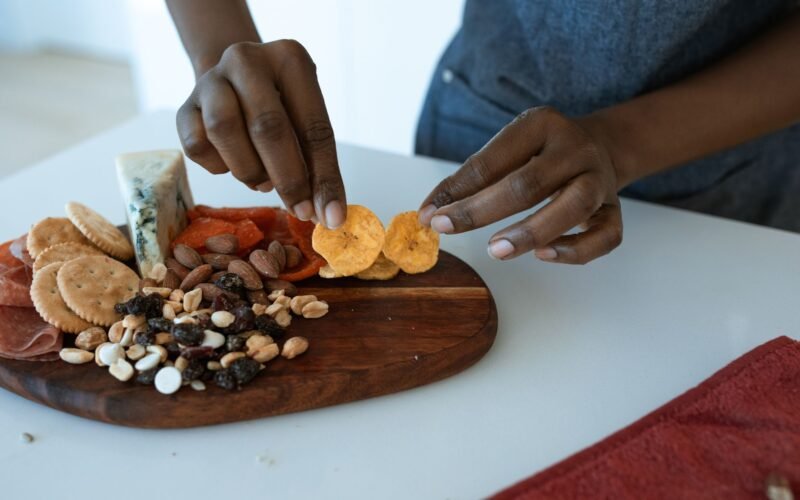
How to Build Healthy Habits for Sustainable Weight Loss
Embarking on a weight loss journey can often feel like a daunting task, fraught with quick fixes, restrictive diets, and the constant pressure of the scale. Many of us have experienced the frustrating cycle of losing weight only to regain it, leaving us feeling defeated and questioning our ability to achieve lasting change. But what if the secret to sustainable weight loss wasn’t about deprivation or extreme measures, but rather about cultivating a collection of small, consistent, healthy habits?
At GetLeanPulse.com, we believe that true transformation comes from within, rooted in the daily choices that shape our lives. This comprehensive guide will delve deep into the world of habit formation, offering you a roadmap to building a lifestyle that naturally supports your weight loss goals, without the constant struggle. We’ll explore the science behind habits, identify key areas for improvement, and provide actionable strategies to help you embed these changes into your daily routine, making them automatic and effortless over time. Prepare to shift your focus from temporary fixes to permanent, positive change.
The Power of Habits: Why They Trump Diets for Lasting Change
The diet industry is a multi-billion-dollar behemoth, constantly churning out new fads and promises of rapid weight loss. While these diets might offer initial results, their restrictive nature often makes them unsustainable in the long run. The moment you “go off” the diet, old patterns resurface, and the weight often returns, sometimes with extra. This is where the profound power of habits comes into play.
Breaking the Diet Cycle
Diets typically focus on short-term restriction, creating a sense of urgency and often deprivation. They dictate what you can and cannot eat, often ignoring your body’s natural hunger cues and personal preferences. This approach is inherently unsustainable because it’s designed to be temporary. Once the “diet” is over, people often revert to their previous eating patterns, leading to weight regain. This yo-yo effect can be detrimental not only to your physical health but also to your psychological well-being, fostering a sense of failure and eroding self-trust.
The Compound Effect of Small Actions
In contrast, building healthy habits is about making small, incremental changes that accumulate over time, creating a powerful compound effect. Think of it like saving money: small, consistent contributions to your savings account eventually lead to significant wealth. Similarly, small, consistent healthy habits – choosing water over soda, taking a short walk daily, prioritizing sleep – might seem insignificant on their own, but when practiced consistently, they create a robust foundation for long-term health and weight management.
These habits don’t demand an overhaul of your entire life overnight. Instead, they encourage gradual adoption, making them feel less overwhelming and more achievable. This gentle, consistent approach fosters a sense of accomplishment and empowers you to take control of your health journey, one intentional choice at a time. It’s about creating a lifestyle where healthy choices are the default, not the exception.
The Science of Habit Formation: Understanding Your Brain
To effectively build new habits, it’s incredibly helpful to understand how habits work within our brains. Habits aren’t just things we do; they are neurological shortcuts that allow our brains to conserve energy by automating routine tasks. When a behavior becomes a habit, your brain no longer needs to actively decide to perform it; it just happens.
The Habit Loop: Cue, Routine, Reward
One of the most widely recognized frameworks for understanding habits is the “habit loop,” popularized by Charles Duhigg in his book The Power of Habit. It consists of three key components:
- Cue: This is the trigger that tells your brain to go into automatic mode and which habit to use. Cues can be anything from a specific time of day, a location, an emotion, other people, or an immediately preceding action. For example, seeing a bag of chips (cue) might trigger the desire to eat them.
- Routine: This is the behavior itself – the physical, mental, or emotional action you take. In our example, the routine would be opening the bag and eating the chips.
- Reward: This is the positive feeling or outcome you get from performing the routine, which helps your brain decide if this loop is worth remembering for the future. The reward reinforces the habit. For the chips, the reward might be the taste, the distraction, or the temporary relief from boredom or stress.
Over time, this loop becomes stronger, and the craving for the reward drives the entire process, making the habit feel almost irresistible. Our goal in building healthy habits for weight loss is to consciously design new, positive habit loops and disrupt existing negative ones.
Neuroplasticity and Dopamine
Our brains are incredibly adaptable, a characteristic known as neuroplasticity. This means our brains can form new neural pathways and strengthen existing ones throughout our lives. Every time you repeat a behavior, you strengthen the neural connection associated with that behavior. This is why consistency is so crucial in habit formation.
Dopamine, often called the “feel-good” neurotransmitter, plays a significant role in the reward component of the habit loop. It’s not just about pleasure; dopamine is heavily involved in motivation and anticipation. When your brain anticipates a reward, it releases dopamine, which compels you to act. Understanding this means we can leverage anticipated rewards to make new healthy habits more appealing and encourage their repetition.

Foundation Habits: Building a Strong Base for Weight Loss
Before diving into specific nutrition and exercise habits, it’s crucial to address the foundational aspects of health that profoundly impact weight loss. Often overlooked, these habits create the optimal environment for your body to thrive and respond positively to other healthy changes.
Prioritizing Quality Sleep
In our fast-paced world, sleep is often the first thing we sacrifice. However, insufficient or poor-quality sleep can sabotage weight loss efforts in multiple ways:
- Hormonal Imbalance: Lack of sleep disrupts ghrelin (the hunger hormone) and leptin (the satiety hormone). Ghrelin levels increase, making you feel hungrier, while leptin levels decrease, making you feel less full. This leads to increased cravings, especially for high-carb, high-fat foods.
- Reduced Energy and Motivation: When you’re tired, you’re less likely to exercise and more likely to make poor food choices, reaching for quick energy fixes like sugary snacks.
- Increased Cortisol: Sleep deprivation elevates cortisol, the stress hormone, which can promote fat storage, particularly around the abdomen.
Habit Building Tips for Better Sleep:
- Set a Consistent Sleep Schedule: Go to bed and wake up at roughly the same time every day, even on weekends.
- Create a Relaxing Bedtime Routine: This could include reading, a warm bath, gentle stretching, or meditation.
- Optimize Your Sleep Environment: Ensure your bedroom is dark, quiet, and cool.
- Limit Screen Time Before Bed: The blue light emitted by screens can interfere with melatonin production.
- Avoid Caffeine and Heavy Meals Before Sleep: Give your body time to digest and wind down.
Hydration: The Unsung Hero of Weight Management
Water is essential for virtually every bodily function, and its role in weight loss is often underestimated.
- Boosts Metabolism: Water is crucial for metabolic processes, and even mild dehydration can slow down your metabolism.
- Enhances Satiety: Drinking water before meals can help you feel fuller, leading to reduced calorie intake. Sometimes, thirst is mistaken for hunger.
- Aids Digestion and Nutrient Absorption: Proper hydration helps your digestive system function smoothly, preventing constipation and ensuring nutrients are absorbed efficiently.
- Supports Exercise Performance: Staying hydrated is vital for maintaining energy levels and preventing fatigue during workouts.
Habit Building Tips for Better Hydration:
- Start Your Day with Water: Drink a glass of water right after waking up.
- Carry a Reusable Water Bottle: Keep it visible and refill it throughout the day.
- Set Reminders: Use an app or set alarms on your phone to prompt you to drink water.
- Flavor Your Water Naturally: Add slices of lemon, cucumber, or berries if you find plain water boring.
- Drink Before Meals: Aim for a glass of water 15-30 minutes before each meal.
Stress Management: Taming the Weight-Gain Culprit
Chronic stress is a significant barrier to weight loss, primarily due to its impact on hormones and behavior.
- Cortisol Release: Prolonged stress keeps cortisol levels elevated, which signals your body to store fat, particularly visceral fat around the organs.
- Emotional Eating: Stress often triggers emotional eating, where food is used as a coping mechanism for uncomfortable feelings rather than to satisfy physical hunger.
- Reduced Motivation: High stress levels can deplete your energy and motivation, making it harder to stick to healthy eating and exercise routines.
Habit Building Tips for Stress Reduction:
- Practice Mindfulness and Meditation: Even 5-10 minutes a day can make a significant difference in managing stress responses.
- Incorporate Deep Breathing Exercises: Simple breathing techniques can quickly calm your nervous system.
- Engage in Hobbies and Relaxation Activities: Dedicate time to activities you enjoy, whether it’s reading, listening to music, gardening, or spending time in nature.
- Regular Physical Activity: Exercise is a powerful stress reliever, releasing endorphins that improve mood.
- Prioritize Self-Care: Recognize that taking care of yourself is not selfish; it’s essential for your overall well-being.
Nutrition Habits: Fueling Your Body for Success
When it comes to weight loss, nutrition plays the most significant role. Building healthy eating habits is about making conscious, nourishing choices that support your body’s needs without feeling overly restrictive. It’s about developing a positive relationship with food.
Mindful Eating: Savor Every Bite
In our busy lives, eating often becomes a hurried, distracted affair. Mindful eating is the practice of paying full attention to the experience of eating – your food, your body, and your senses. This simple habit can transform your relationship with food and significantly impact your weight.
- Slow Down: Put your fork down between bites. Chew thoroughly. It takes about 20 minutes for your stomach to signal to your brain that it’s full.
- Engage Your Senses: Notice the colors, textures, aromas, and flavors of your food.
- Listen to Your Body: Eat when you’re hungry, stop when you’re satisfied, not stuffed. Distinguish between physical hunger and emotional cravings.
- Minimize Distractions: Eat away from screens and work. Focus solely on your meal.
Portion Control: Understanding “Enough”
Even healthy foods can lead to weight gain if consumed in excess. Portion control isn’t about deprivation; it’s about understanding appropriate serving sizes for your body’s needs.
- Use Smaller Plates: Visually, a smaller plate filled with food looks more substantial than a large plate with the same amount.
- Measure Occasionally: Periodically measure common foods (e.g., a cup of rice, 3 oz of chicken) to re-calibrate your eye for proper portions.
- The Hand Method: Use your hand as a simple guide – a palm-sized portion of protein, a cupped hand of carbs, two cupped hands of vegetables, a thumb-sized portion of fat.
- Pack Away Leftovers: Before you start eating, portion out what you intend to eat and immediately put the rest away to avoid mindless second helpings.
Focus on Whole, Unprocessed Foods
The cornerstone of a healthy diet for weight loss is prioritizing whole, unprocessed foods. These foods are rich in nutrients, fiber, and water, which promote satiety and overall health.
- Fruits and Vegetables: Load up on non-starchy vegetables at every meal. They are low in calories, high in fiber, and packed with vitamins and minerals.
- Lean Proteins: Include sources like chicken, turkey, fish, eggs, legumes, and tofu. Protein is crucial for muscle maintenance, satiety, and has a higher thermic effect (meaning your body burns more calories digesting it).
- Complex Carbohydrates: Opt for whole grains like oats, quinoa, brown rice, and sweet potatoes over refined grains. They provide sustained energy and fiber.
- Healthy Fats: Incorporate avocados, nuts, seeds, and olive oil in moderation. These are vital for hormone production and nutrient absorption and contribute to satiety.
Habit Building Tips: Gradually swap processed items for whole food alternatives. Keep fresh produce readily available. Plan meals around vegetables and protein first.
Smart Snacking and Meal Prepping
Strategic snacking can prevent extreme hunger, which often leads to overeating at meals. Meal prepping ensures you have healthy options readily available, reducing the likelihood of impulsive, unhealthy choices.
- Snack with Purpose: Choose snacks that combine protein and fiber, like an apple with a tablespoon of nut butter, Greek yogurt with berries, or a handful of almonds.
- Listen to True Hunger: Don’t snack just out of boredom or habit. Ask yourself if you’re truly hungry.
- Batch Cook: Dedicate a few hours one day a week to cook staples like grilled chicken, roasted vegetables, or quinoa.
- Portion and Pack: Divide your prepped food into individual containers for easy grab-and-go meals and snacks throughout the week.
Limiting Sugary Drinks and Processed Foods
These two categories are often significant contributors to excess calorie intake and hindered weight loss.
- Sugary Drinks: Sodas, fruit juices (even 100% juice in large quantities), and sweetened teas add empty calories without providing satiety. Make water your primary beverage.
- Processed Foods: These are typically high in unhealthy fats, added sugars, and sodium, and low in nutrients and fiber. They are designed to be hyper-palatable, making it easy to overeat.
Habit Building Tips: Gradually reduce your intake. If you drink soda daily, try having it every other day, then a few times a week, and eventually replace it with sparkling water with a squeeze of lime. Read food labels to identify hidden sugars and unhealthy ingredients.
Movement Habits: Making Activity a Joyful Part of Life
While nutrition is paramount for weight loss, regular physical activity is crucial for overall health, body composition, and sustained energy. The key is to find activities you genuinely enjoy, making them sustainable rather than a chore.
Find Joy in Movement
If exercise feels like punishment, it’s a habit that’s hard to maintain. Experiment with different forms of activity until you discover what resonates with you.
- Explore Options: Try dancing, hiking, swimming, cycling, team sports, yoga, martial arts, or group fitness classes.
- Focus on How It Makes You Feel: Notice the increased energy, improved mood, and reduced stress after physical activity. This intrinsic reward is powerful.
- Vary Your Routine: Keep things interesting by mixing up your activities. This also helps challenge different muscle groups.
Incorporate Non-Exercise Activity Thermogenesis (NEAT)
NEAT refers to the energy expended for everything we do that is not sleeping, eating, or sports-like exercise. Increasing your NEAT can significantly boost your daily calorie expenditure without requiring structured workouts.
- Take the Stairs: Opt for stairs instead of elevators or escalators.
- Walk More: Park further away, walk during lunch breaks, or take a short walk after dinner.
- Stand Up More: Use a standing desk, stand during phone calls, or take frequent standing breaks if you have a sedentary job.
- Fidget: Small movements like tapping your feet or shifting in your chair can add up.
- Active Commutes: If possible, walk or bike part or all of your commute.
Consistent Activity: Scheduling and Sticking To It
Consistency is more important than intensity when building a movement habit. Even short bursts of activity are better than none.
- Schedule Your Workouts: Treat your exercise time like any other important appointment. Put it in your calendar.
- Start Small: If 30 minutes feels too much, start with 10-15 minutes. The goal is to build momentum and consistency.
- Buddy System: Find a workout partner for accountability and motivation.
- Have a Backup Plan: If your outdoor run is rained out, have an indoor alternative ready (e.g., home workout video, stairs).
Strength Training: Building Muscle for Metabolism
Don’t neglect strength training! It’s incredibly beneficial for weight loss and body composition.
- Boosts Metabolism: Muscle tissue burns more calories at rest than fat tissue, meaning more muscle equals a higher resting metabolism.
- Improves Body Composition: It helps you lose fat while maintaining or gaining muscle, leading to a leaner, more toned physique.
- Enhances Bone Density: Important for long-term health, especially as we age.
- Increases Strength and Functional Fitness: Makes everyday tasks easier and reduces injury risk.
Habit Building Tips: Start with bodyweight exercises if weights are new to you. Consider hiring a trainer for a few sessions to learn proper form. Aim for 2-3 full-body strength sessions per week.

Mindset Habits: Cultivating Mental Resilience for Weight Loss
Weight loss is not just a physical journey; it’s a profound mental and emotional one. Developing a resilient mindset is crucial for navigating challenges, staying motivated, and sustaining your healthy habits long-term.
Practice Self-Compassion and Patience
Perfectionism is the enemy of progress. You will have off days, make less-than-ideal choices, and experience setbacks. How you respond to these moments determines your long-term success.
- Be Kind to Yourself: Instead of harsh self-criticism, practice self-compassion. Treat yourself with the same understanding and encouragement you would offer a friend.
- Learn from Setbacks: View missteps as learning opportunities, not failures. Analyze what went wrong and how you can approach it differently next time.
- Embrace the Journey: Sustainable weight loss is a marathon, not a sprint. Celebrate small victories and acknowledge that progress isn’t always linear.
Set Realistic and Process-Oriented Goals
While an ultimate weight goal is fine, focusing solely on the number on the scale can be demotivating. Shift your focus to process goals – the actions you take each day.
- SMART Goals: Ensure your goals are Specific, Measurable, Achievable, Relevant, and Time-bound.
- Focus on Behaviors: Instead of “lose 20 pounds,” aim for “walk 30 minutes five times a week” or “prepare healthy lunches four days a week.”
- Small, Achievable Steps: Break down larger goals into tiny, manageable steps that you can consistently achieve.
Track Progress Beyond the Scale
The scale is just one metric, and it doesn’t tell the whole story. Body weight fluctuates daily due to water retention, muscle mass, and other factors. Look for other indicators of progress.
- Measure Body Composition: Track inches lost around your waist, hips, and thighs.
- Notice Clothing Fit: How do your clothes feel? Are they looser?
- Evaluate Energy Levels: Do you have more energy throughout the day?
- Assess Mood and Sleep Quality: Are you sleeping better? Feeling more positive?
- Track Strength and Endurance: Are you lifting heavier, running longer, or performing exercises with better form?
- Keep a Food and Exercise Journal: This helps you identify patterns and stay accountable.
Cultivate a Positive Self-Talk and Identity
Your inner dialogue profoundly impacts your ability to change. Challenge negative thoughts and cultivate a positive self-image.
- Identify Limiting Beliefs: Recognize thoughts like “I can’t do this” or “I always fail.”
- Reframe Negativity: Replace negative thoughts with constructive, empowering ones. “I’m learning and growing” or “I am capable of making healthy choices.”
- Adopt an Identity: Instead of just trying to “lose weight,” think of yourself as “a healthy person who makes nourishing choices” or “an active person who enjoys movement.” This identity shift makes healthy behaviors feel more natural and aligned with who you are.
Practical Strategies for Effective Habit Building
Knowing what habits to build is only half the battle; knowing how to build them effectively is the other. These strategies are rooted in behavioral science and designed to make habit formation easier and more sustainable.
Start Small: The “Two-Minute Rule”
The biggest mistake people make is trying to do too much too soon. When a new habit feels overwhelming, you’re less likely to start it. James Clear’s “Two-Minute Rule” suggests that you scale down any new habit to something that takes less than two minutes to do.
- Example: If your goal is to “read more,” your two-minute rule might be “read one page.” If it’s “do 30 minutes of yoga,” it becomes “take out my yoga mat.” The idea is to make the *starting* of the habit so easy that you can’t say no. Once you start, you’ll often find yourself continuing for longer.
- Focus on the Entry Point: The habit is not about achieving the big goal immediately, but about showing up consistently.
Habit Stacking: Leveraging Existing Routines
Instead of trying to create a new habit out of thin air, connect it to an existing habit you already perform daily. This creates a natural cue for your new behavior.
- Formula: “After [CURRENT HABIT], I will [NEW HABIT].”
- Examples:
- “After I pour my morning coffee, I will drink a glass of water.”
- “After I finish eating dinner, I will wash my plate immediately.”
- “After I brush my teeth, I will do 10 squats.”
- Be Specific: The more precise you are about the cue, the more effective habit stacking becomes.
Environmental Design: Make Healthy Choices Easier
Your environment plays a huge role in shaping your choices. By designing your surroundings, you can make healthy habits easier to perform and unhealthy ones harder.
- Visibility: Put healthy foods (e.g., a fruit bowl) in plain sight. Keep your workout clothes laid out.
- Invisibility: Hide unhealthy snacks in opaque containers or higher shelves, or better yet, don’t buy them at all.
- Preparation: Pre-cut vegetables for easy snacking. Fill a water bottle each morning.
- Friction: Add friction to undesirable habits. If you tend to watch too much TV, remove the batteries from the remote after each use. If you scroll too much on your phone, put it in another room during focused work or family time.
Accountability and Social Support
Sharing your goals and progress with others can provide a powerful boost to your motivation and commitment.
- Find an Accountability Partner: This could be a friend, family member, or colleague who shares similar goals. Check in regularly.
- Join a Community: Online forums, fitness classes, or local walking groups can provide encouragement and a sense of belonging.
- Tell People Your Goals: Publicly stating your intentions can increase your commitment due to the social pressure to follow through.
- Work with a Coach: A health or weight loss coach can provide personalized guidance, expertise, and a high level of accountability.
Reward System: Reinforce Positive Behavior
While intrinsic rewards (like feeling better) are powerful, external rewards can be helpful, especially in the early stages of habit formation, to strengthen the habit loop.
- Non-Food Rewards: Avoid using food as a reward. Instead, choose experiences or items that genuinely motivate you.
- Examples: A new book, a massage, a new piece of workout gear, a relaxing bath, an evening out with friends, a movie night, or putting money aside for a larger purchase.
- Immediate and Consistent: For a habit to stick, the reward should ideally follow the behavior relatively quickly.
Overcoming Common Obstacles on Your Journey
Even with the best strategies, you’re bound to encounter challenges. Anticipating and planning for these common obstacles can help you navigate them effectively and stay on track.
Lack of Time
One of the most frequently cited reasons for not adopting healthy habits is a perceived lack of time. However, it’s often a matter of prioritization and finding creative solutions.
- Micro-Habits: Break down habits into tiny, manageable chunks that truly take little time (e.g., 5 minutes of stretching, 10 squats during a TV commercial).
- Time Blocking: Schedule your healthy habits into your calendar, just like any other important appointment.
- Combine Activities: Listen to a podcast while walking, do lunges while waiting for water to boil, or exercise with your kids.
- Batching: Dedicate specific blocks of time for meal prep or grocery shopping to save time during the week.
Lack of Motivation
Motivation is a fickle beast; it comes and goes. Relying solely on motivation for long-term change is a recipe for failure. Discipline and habit are far more reliable.
- Focus on Discipline, Not Motivation: Show up even when you don’t feel like it. The act of doing often creates motivation.
- Connect to Your “Why”: Regularly remind yourself of your deeper reasons for wanting to lose weight and be healthy (e.g., more energy for family, better health for the future).
-
Photo by Helena Lopes on Pexels