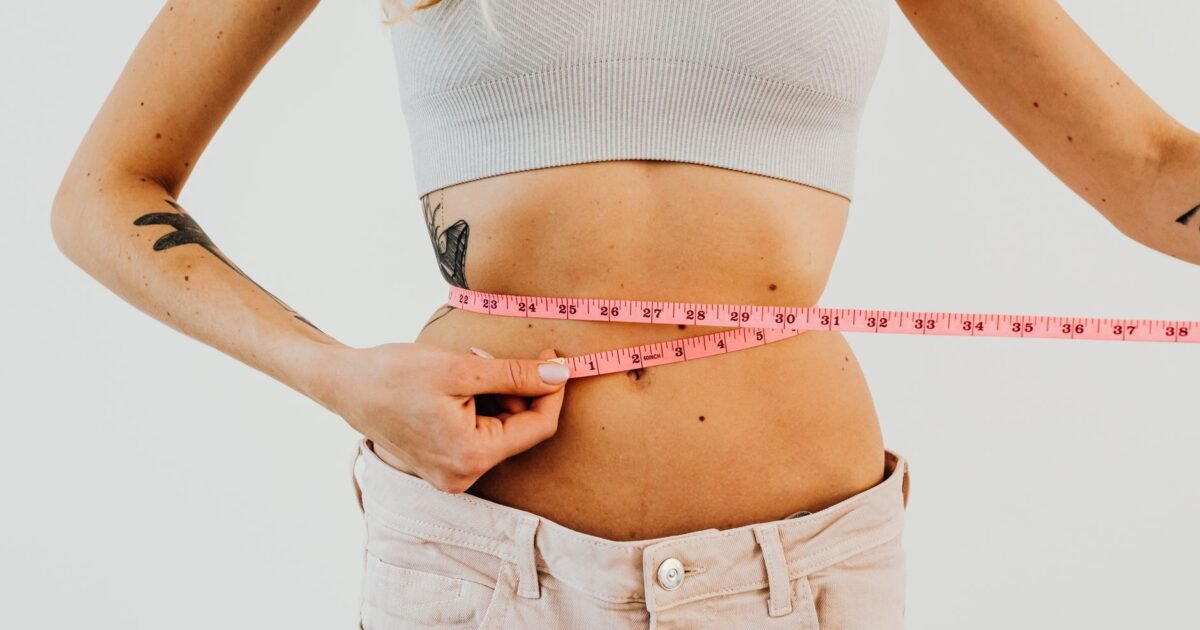
How to Lose 10 Pounds in 2 Weeks: A Comprehensive Guide to Rapid, Healthy Weight Loss
The desire to lose weight quickly is a common and understandable goal for many. Whether you have a special event coming up, want to jumpstart a longer weight loss journey, or simply feel ready for a significant change, the idea of shedding 10 pounds in just two weeks can be incredibly appealing. At GetLeanPulse.com, we understand this ambition. This comprehensive guide will delve into the science, strategies, and lifestyle adjustments necessary to achieve such a rapid weight loss goal, emphasizing health, sustainability, and realistic expectations.
Before we dive in, it’s crucial to set the stage: losing 10 pounds in two weeks is an aggressive goal. While achievable for many, a significant portion of this initial loss will likely be water weight, not pure body fat. Sustainable fat loss typically occurs at a rate of 1-2 pounds per week. However, by adopting a focused, disciplined approach combining diet, exercise, and lifestyle changes, you can certainly see the scale move significantly within 14 days. This article will equip you with the knowledge and actionable steps to pursue this goal safely and effectively, while also preparing you for what comes next.
Understanding Rapid Weight Loss: What’s Actually Happening?
When you embark on a rapid weight loss plan, especially one targeting 10 pounds in two weeks, it’s important to understand the physiological mechanisms at play. The human body is complex, and weight loss isn’t always a linear process of burning fat. Here’s a breakdown:
The Role of Water Weight and Glycogen
The immediate and often dramatic weight loss seen in the first few days or a week of a restrictive diet is largely due to a reduction in water weight. Our bodies store carbohydrates as glycogen in our muscles and liver. Each gram of glycogen is stored with approximately 3-4 grams of water. When you significantly reduce your carbohydrate intake, your body uses up its glycogen stores, leading to a rapid release of this associated water. This can account for several pounds of weight loss very quickly.
Furthermore, reducing sodium intake, increasing water consumption, and eliminating processed foods can all lead to a decrease in fluid retention, contributing further to the initial drop on the scale. While this isn’t “fat loss” in the traditional sense, it is still a reduction in total body weight and can provide a powerful psychological boost to continue your journey.
Actual Fat Loss vs. Muscle Preservation
True fat loss occurs when you consistently consume fewer calories than your body burns – a caloric deficit. To lose 1 pound of body fat, you need to create a deficit of approximately 3,500 calories. To lose 10 pounds of *pure fat* in two weeks (14 days), you would need a daily deficit of 2,500 calories (35,000 calories / 14 days). For most individuals, creating such a large, sustained deficit purely through diet and exercise is extremely difficult and often unhealthy, as it risks muscle loss and nutrient deficiencies.
Therefore, while a portion of the 10 pounds will be fat, a significant part will be water and glycogen. Our strategy will focus on maximizing fat loss while minimizing muscle loss, which is crucial for maintaining a healthy metabolism and body composition long-term. We’ll achieve this through smart food choices, adequate protein, and strategic exercise.
Is Losing 10 Pounds in 2 Weeks Healthy?
This is a critical question. For most people, losing 10 pounds in two weeks is considered rapid and potentially aggressive. While it can be a highly motivating jumpstart, it’s not a sustainable long-term rate of weight loss and should not be maintained for extended periods. It can be healthy *if* approached correctly, with a focus on nutrient density, hydration, and avoiding extreme deprivation that could lead to nutrient deficiencies or an unhealthy relationship with food.
Individuals with certain medical conditions, or those who are already at a healthy weight, should be particularly cautious. Always consult your doctor or a registered dietitian before starting any rapid weight loss program, especially one as intensive as this. They can help determine if it’s safe for your individual health profile and provide personalized guidance.
Pillar 1: Creating a Significant (Yet Safe) Calorie Deficit
The cornerstone of any weight loss plan, rapid or gradual, is a caloric deficit. You must consume fewer calories than your body burns. For a goal as ambitious as 10 pounds in two weeks, this deficit needs to be substantial, but never to the point of starvation or extreme nutrient deprivation.
Calculating Your Total Daily Energy Expenditure (TDEE)
Your TDEE is the total number of calories your body burns in a day, including basal metabolic rate (BMR), physical activity, and the thermic effect of food. Online calculators can help you estimate your TDEE based on your age, sex, weight, height, and activity level. This is your baseline.
Establishing Your Deficit
Once you have your TDEE, you’ll need to subtract a significant number of calories to create a deficit. For rapid weight loss, a deficit of 750-1000 calories per day below your TDEE is often targeted. For example, if your TDEE is 2500 calories, you might aim for 1500-1750 calories per day. However, never go below 1200 calories for women or 1500 calories for men without medical supervision, as this can be detrimental to your metabolism and overall health.
Focus on Nutrient Density
When you’re eating in a significant deficit, every calorie counts. Prioritize nutrient-dense foods that provide maximum vitamins, minerals, and fiber with minimal calories. Think lean proteins, non-starchy vegetables, and whole fruits. These foods will help you feel full and satisfied without overshooting your calorie target.
Practical Steps for Calorie Management:
- Track Everything: For the next two weeks, meticulously track every calorie you consume using a food diary app or journal. This awareness is crucial.
- Portion Control: Be mindful of serving sizes. Even healthy foods can contribute to a calorie surplus if eaten in excess.
- Pre-Plan Meals: Knowing what you’re going to eat ahead of time prevents impulsive, high-calorie choices.
- Cook at Home: Restaurant meals are notoriously high in calories, unhealthy fats, and sodium. Cooking at home gives you complete control over ingredients and portion sizes.

Pillar 2: Hydration is Your Secret Weapon
Water is often overlooked in weight loss, but it’s an incredibly powerful tool, especially when aiming for rapid results. Proper hydration supports every bodily function, including metabolism, and plays a direct role in managing hunger and water retention.
Why Water is Crucial for Rapid Weight Loss:
- Satiety: Drinking water before meals can help you feel fuller, leading to reduced calorie intake. Often, thirst is mistaken for hunger, so staying well-hydrated can prevent unnecessary snacking.
- Metabolism Boost: Some studies suggest that drinking cold water can slightly increase your metabolism as your body expends energy to warm it up. While the effect is modest, every little bit helps.
- Aids Digestion and Nutrient Absorption: Water is essential for the proper functioning of your digestive system, helping to move food through your gut and absorb nutrients more efficiently. This is particularly important when increasing fiber intake.
- Reduces Water Retention: Counterintuitively, drinking more water can help reduce bloating and water retention. When you’re dehydrated, your body tends to hold onto water. Consistent hydration signals to your body that it doesn’t need to conserve fluids.
- Supports Fat Metabolism: Water is involved in lipolysis, the process of breaking down fat for energy.
- Detoxification: Water helps flush out waste products and toxins from your body, which can make you feel lighter and more energetic.
How Much Water Should You Drink?
A general recommendation is to aim for at least 8-10 glasses (64-80 ounces) of water per day, but for rapid weight loss, you might consider increasing this to 100-120 ounces, especially if you’re exercising intensely. Listen to your body and adjust based on your activity level, climate, and overall feeling. Carry a water bottle with you throughout the day to ensure consistent hydration.
Tips for Increasing Water Intake:
- Start your day with 1-2 large glasses of water.
- Drink a glass of water before every meal and snack.
- Flavor your water with lemon, lime, cucumber, or mint if plain water is unappealing.
- Set reminders on your phone to drink water regularly.
- Limit sugary drinks, sodas, and excessive fruit juice, as these add empty calories and can hinder your progress.
Pillar 3: Strategic Food Choices for Maximum Impact
What you eat is arguably the most important factor in rapid weight loss. Focusing on specific food groups can help you create a calorie deficit, feel full, and support your body’s functions while losing weight.
Prioritize Lean Protein
Protein is the king of macronutrients for weight loss. It’s essential for preserving muscle mass during calorie restriction, which is vital for maintaining a healthy metabolism. Protein also has a higher thermic effect of food (TEF) than carbs or fats, meaning your body burns more calories digesting it. Most importantly, protein is incredibly satiating, helping you feel fuller for longer and reducing cravings.
- Sources: Chicken breast, turkey, lean beef, fish (salmon, cod, tuna), eggs, Greek yogurt, cottage cheese, tofu, lentils, beans, protein powder.
- Goal: Aim for 0.7-1 gram of protein per pound of your target body weight. Distribute protein intake throughout your meals.
Load Up on Fiber-Rich Vegetables
Non-starchy vegetables are your best friend on a rapid weight loss plan. They are extremely low in calories, high in fiber, and packed with vitamins and minerals. The fiber content helps you feel full, aids digestion, and stabilizes blood sugar levels.
- Sources: Broccoli, spinach, kale, bell peppers, zucchini, cucumber, lettuce, asparagus, green beans, cauliflower.
- Goal: Fill at least half of your plate with these vegetables at every main meal. Eat them raw or lightly steamed/roasted to retain nutrients.
Include Healthy Fats (in Moderation)
While fats are calorie-dense, healthy fats are crucial for hormone production, nutrient absorption, and satiety. You don’t want to eliminate them entirely, but be very mindful of portion sizes.
- Sources: Avocados, nuts (almonds, walnuts), seeds (chia, flax), olive oil.
- Goal: Stick to small servings – a quarter of an avocado, a tablespoon of nuts/seeds, or a teaspoon of olive oil per meal.
Smart Carbohydrate Choices
For rapid weight loss, especially in the initial two weeks, a lower-carb approach can be highly effective for shedding water weight and encouraging fat burning. This doesn’t mean “no carbs,” but rather choosing complex, whole-food sources in controlled portions.
- Focus on: Small portions of whole grains (quinoa, brown rice, oats) or starchy vegetables (sweet potatoes, butternut squash) around workouts, or prioritize carbohydrates from vegetables and fruits.
- Avoid: Refined carbohydrates like white bread, pasta, pastries, sugary cereals, and processed snacks. These spike blood sugar, offer little nutritional value, and contribute to cravings.
Strictly Limit Processed Foods, Sugars, and Sodium
- Processed Foods: These are typically high in unhealthy fats, added sugars, and sodium, and low in nutrients. They offer little satiety and contribute to calorie surplus. Cut them out entirely for two weeks.
- Added Sugars: Sugary drinks, candies, desserts, and even hidden sugars in sauces and dressings are major culprits in weight gain. They provide empty calories and lead to blood sugar crashes and cravings.
- Sodium: High sodium intake leads to increased water retention and bloating. By reducing processed foods and cooking at home, you’ll naturally lower your sodium intake, which will contribute to a lighter feeling and a lower number on the scale.
Meal Timing and Frequency:
While the “best” meal frequency is debated, for rapid weight loss, focus on consistency and managing hunger. Some find 3 balanced meals and 1-2 small, protein-rich snacks helpful. Others prefer a slightly more compressed eating window (e.g., intermittent fasting), which can naturally lead to fewer calories consumed. Choose what works best for your schedule and helps you adhere to your calorie target.
Pillar 4: Exercise to Accelerate Your Results
While diet is paramount for weight loss, strategic exercise can significantly accelerate your progress, boost your metabolism, preserve muscle, and improve your overall health and mood.
High-Intensity Interval Training (HIIT)
HIIT involves short bursts of intense exercise followed by brief recovery periods. It’s incredibly effective for calorie burning in a shorter amount of time and creates an “afterburn effect” (EPOC), where your body continues to burn calories at an elevated rate even after your workout is over.
- Example: 30 seconds of sprinting, 30 seconds of walking, repeat for 15-20 minutes. Or burpees, jump squats, mountain climbers.
- Frequency: 3-4 times per week on non-consecutive days.
Strength Training
Don’t skip the weights! Strength training is crucial for preserving and even building muscle mass, especially when in a calorie deficit. Muscle burns more calories at rest than fat, so maintaining muscle mass is vital for a healthy metabolism and preventing rebound weight gain.
- Focus: Full-body workouts targeting major muscle groups. Use compound movements like squats, deadlifts, push-ups, rows, and overhead presses.
- Frequency: 2-3 times per week.
Low-Intensity Steady-State (LISS) Cardio
While HIIT is great for intensity, LISS cardio, like brisk walking, cycling, or swimming, can be incorporated on recovery days or as an additional activity. It’s excellent for burning extra calories without overstressing your body, aids recovery, and reduces cortisol levels.
- Frequency: Daily for 30-60 minutes, or on days you’re not doing HIIT/strength training.
Boost Your NEAT (Non-Exercise Activity Thermogenesis)
NEAT refers to the calories burned through everyday activities that aren’t formal exercise – walking, standing, fidgeting, taking the stairs. Increasing your NEAT can significantly contribute to your daily calorie expenditure.
- Tips: Take the stairs, park further away, walk during phone calls, stand at your desk, do chores, engage in active hobbies. Aim for 10,000 steps a day or more.
The Importance of Recovery
Overtraining can lead to increased cortisol (stress hormone), which can hinder weight loss and even promote fat storage. Ensure you’re getting adequate rest days and prioritizing sleep. Listen to your body and don’t push through extreme pain.
Pillar 5: Lifestyle Factors for Accelerated Success
Beyond diet and exercise, several lifestyle factors play a significant role in your ability to lose weight quickly and maintain those results.
Prioritize Sleep
Sleep is often the unsung hero of weight loss. When you’re sleep-deprived, your body experiences hormonal shifts that can sabotage your efforts:
- Increased Ghrelin: The “hunger hormone” that stimulates appetite.
- Decreased Leptin: The “satiety hormone” that signals fullness.
- Elevated Cortisol: The “stress hormone” which can lead to increased appetite, cravings for high-calorie foods, and abdominal fat storage.
Aim for 7-9 hours of quality sleep per night. Establish a consistent sleep schedule, create a relaxing bedtime routine, and optimize your sleep environment (dark, cool, quiet).
Manage Stress Effectively
Chronic stress, like lack of sleep, keeps cortisol levels elevated. This can lead to increased appetite, cravings for comfort foods, and a tendency to store fat, particularly around the midsection. Finding healthy ways to manage stress is crucial for both your mental and physical well-being during a rapid weight loss phase.
- Techniques: Meditation, yoga, deep breathing exercises, spending time in nature, journaling, listening to music, engaging in hobbies, or talking to a trusted friend or therapist.
Cultivate a Positive Mindset and Accountability
Your mental approach to weight loss is just as important as the physical steps. A positive, resilient mindset will help you overcome challenges and stay motivated.
- Set Realistic Expectations: Understand that not every day will be perfect, and plateaus can happen. Focus on consistency over perfection.
- Track Progress (Beyond the Scale): While the scale is important for this goal, also track non-scale victories: increased energy, better fitting clothes, improved mood, stronger workouts.
- Find Support: Share your goals with a supportive friend, family member, or online community. Accountability can be a powerful motivator.
- Reward Non-Food Milestones: Celebrate your progress with non-food rewards, like new workout gear, a massage, or a fun activity.
Sample 2-Week Rapid Weight Loss Plan (Disclaimer!)
This is a highly generalized sample plan. It is NOT tailored to your individual needs, medical history, or activity level. Always consult a healthcare professional before making significant dietary or exercise changes. This plan aims to provide a framework that incorporates the principles discussed above: high protein, high fiber, low processed carbs/sugars, ample hydration, and a mix of exercise. Calorie targets would typically range from 1200-1700 calories depending on individual factors.
Daily Food Guidelines:
- Breakfast: High-protein, fiber-rich. E.g., Scrambled eggs (2-3) with a large serving of spinach and mushrooms, or Greek yogurt (1 cup, plain, high protein) with a few berries (1/4 cup) and a tablespoon of chia seeds.
- Lunch: Lean protein and abundant non-starchy vegetables. E.g., Large salad with grilled chicken breast (4-6 oz), mixed greens, cucumber, bell peppers, tomatoes, and a light vinaigrette (oil and vinegar). Or tuna (canned in water) mixed with celery and light mayo, served with lettuce wraps.
- Dinner: Lean protein, non-starchy vegetables. E.g., Baked salmon (5-6 oz) with steamed asparagus and broccoli, or lean ground turkey stir-fry with a variety of colorful vegetables (hold the rice, or a very small portion of brown rice if active).
- Snacks (1-2 per day, if hungry): Hard-boiled egg, a handful of almonds (10-15), a small apple with a tablespoon of natural peanut butter, a protein shake (water-based), cottage cheese (1/2 cup).
- Hydration: Minimum 100 ounces of water throughout the day.
Sample Weekly Exercise Schedule:
- Monday: HIIT (20-25 min) + 30 min brisk walk
- Tuesday: Full-Body Strength Training (45-60 min)
- Wednesday: LISS Cardio (45-60 min brisk walk/jog)
- Thursday: HIIT (20-25 min) + 30 min brisk walk
- Friday: Full-Body Strength Training (45-60 min)
- Saturday: LISS Cardio (60 min hike/bike ride) or Active Recovery (yoga/stretching)
- Sunday: Rest or light active recovery (gentle walk)
Remember to incorporate NEAT throughout your day, aiming for high step counts. Warm up before and cool down after every workout.
What to Expect After 2 Weeks and Transitioning to Sustainable Habits
Successfully losing 10 pounds in two weeks is a fantastic achievement and a powerful motivator. However, it’s crucial to understand what comes next. The rapid pace of weight loss achieved in the initial two weeks is unlikely to continue indefinitely, and trying to sustain it can be detrimental to your health.
The “Rebound” Effect
After a period of restrictive eating and rapid weight loss, your body may try to regain some of the lost weight, especially water and glycogen stores, as you reintroduce a more balanced diet. Don’t be discouraged if the scale creeps up by a pound or two in the days following the two-week mark. This is normal and doesn’t mean you’ve failed.
Transitioning to Sustainable Weight Loss
The strategies you’ve employed – mindful eating, whole foods, increased activity, proper hydration, better sleep – are the foundation of sustainable, healthy weight loss. After the initial two weeks, gradually increase your calorie intake by 100-200 calories per week until you find a sustainable deficit that allows for 1-2 pounds of fat loss per week. This will typically involve slightly larger portions of healthy fats and complex carbohydrates.
Continue to prioritize:
- Protein and Fiber: Keep these high for satiety and muscle preservation.
- Whole, Unprocessed Foods: Make these the cornerstone of your diet.
- Consistent Exercise: Maintain a regular fitness routine, balancing strength and cardio.
- Hydration and Sleep: These are non-negotiable for long-term health.
- Mindful Eating: Pay attention to hunger and fullness cues, eat slowly, and savor your food.
Potential Pitfalls and How to Avoid Them
Rapid weight loss, if not managed carefully, comes with potential risks:
- Nutrient Deficiencies: Highly restrictive diets can lead to a lack of essential vitamins and minerals. Emphasize nutrient-dense foods to mitigate this risk.
- Muscle Loss: Without adequate protein and strength training, a large calorie deficit can lead to muscle catabolism.
- Metabolic Slowdown: Prolonged, extreme calorie restriction can signal your body to slow its metabolism to conserve energy, making future weight loss harder.
- Fatigue and Irritability: A significant calorie deficit can leave you feeling tired, low on energy, and moody.
- Yo-Yo Dieting: Rapid weight loss followed by a return to old habits often leads to regaining all the lost weight, and sometimes more. This cycle is detrimental to both physical and mental health.
- Unhealthy Relationship with Food: Extreme restriction can foster disordered eating patterns or an unhealthy obsession with food and body image.
To avoid these, always prioritize health over speed. Listen to your body. If you feel unwell, lightheaded, or excessively fatigued, re-evaluate your approach and consult a professional.
When to Consult a Professional
While this article provides comprehensive guidance, it is not a substitute for professional medical advice. You should always consult with your doctor or a registered dietitian before starting any new diet or exercise program, especially one aimed at rapid weight loss. This is particularly important if you have:
- Any pre-existing medical conditions (e.g., diabetes, heart disease, thyroid issues).
- Are taking any medications.
- Are pregnant or breastfeeding.
- Are underweight or have a history of eating disorders.
A professional can help you create a personalized plan that is safe, effective, and tailored to your unique health needs and goals.
Conclusion: Your Path to a Lighter, Healthier You
Losing 10 pounds in 2 weeks is an ambitious but achievable goal, serving as a powerful catalyst for a healthier lifestyle. By meticulously focusing on a calorie deficit through nutrient-dense foods, prioritizing lean protein and fiber, ensuring adequate hydration, engaging in strategic exercise (mixing HIIT, strength, and LISS), and optimizing lifestyle factors like sleep and stress management, you can see significant progress on the scale.
Remember that much of this initial loss will be water weight, and the real victory lies in using this momentum to build sustainable habits. This two-week challenge isn’t just about the number on the scale; it’s about proving to yourself what you’re capable of, understanding the power of mindful choices, and setting a strong foundation for long-term health and wellness. Approach this journey with discipline, self-awareness, and always, an unwavering commitment to your overall well-being. Your leaner, healthier pulse awaits!
Photo by https://kaboompics.com/ on Pexels